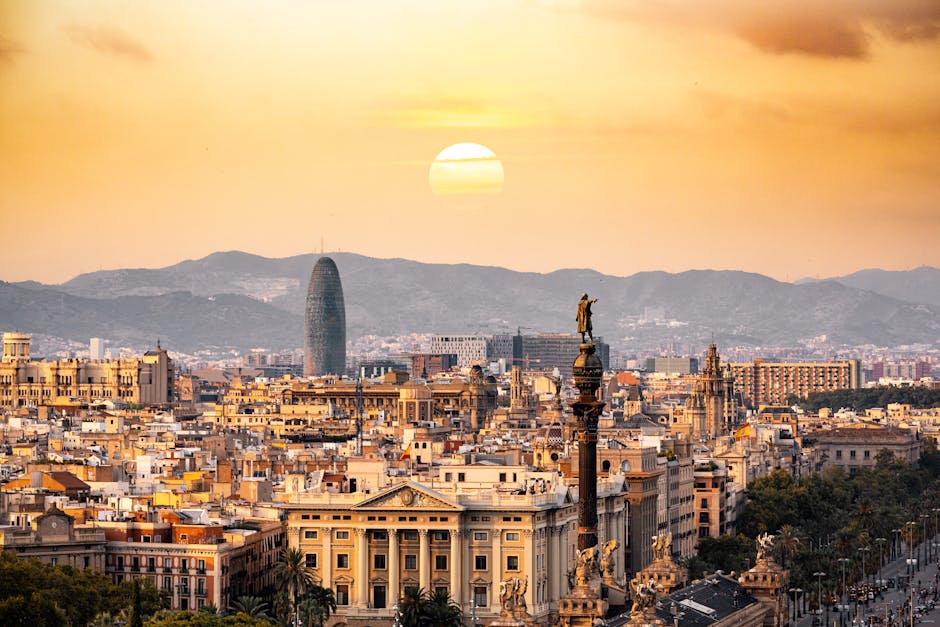
Self-guided audio tour in Barcelona
Start Free on iPhone
Start free on iPhone to unlock this self-guided walking tour in Barcelona. Hear all the stories that make it amazing, walk at your own pace, and begin whenever you want.
Your Private Tour Guide
Escape the urban density of Barcelona and discover a side of the city where nature, romance, and history converge. This self-guided walking route invites you to explore the evolution of Barcelona’s public spaces, from the private aristocratic estates of the Horta district to the grand architectural statements of the Eixample and the heights of Montjuïc. The centerpiece of this experience is the Parc del Laberint d’Horta, Barcelona's oldest conserved garden, where neoclassical symmetry meets the wild whimsy of romantic design. As you explore independently, you will transition from the secluded 18th-century gardens of the Desvalls family to the modernist floral explosions of the Palau de la Música Catalana and the gothic charm of the old city. This walking tour Barcelona offers more than just a stroll; it is a journey through time. You will witness how the city transformed its defensive structures, like the Bunkers del Carmel, into vibrant cultural viewpoints, and how industrial spaces like Palo Alto have been reclaimed by greenery. Along the way, the route highlights the influence of royal history and the wealthy bourgeoisie who shaped the city’s aesthetic. Whether you are navigating the cypress maze in Horta or admiring the organic shapes of Casa Batlló, this self-guided walk provides the flexibility to linger in a quiet garden or snap photos of iconic landmarks at your own pace. This route is ideal for those seeking a peaceful alternative to the crowded main boulevards, offering a curated look at the lush sanctuaries that make Barcelona a truly green Mediterranean capital.
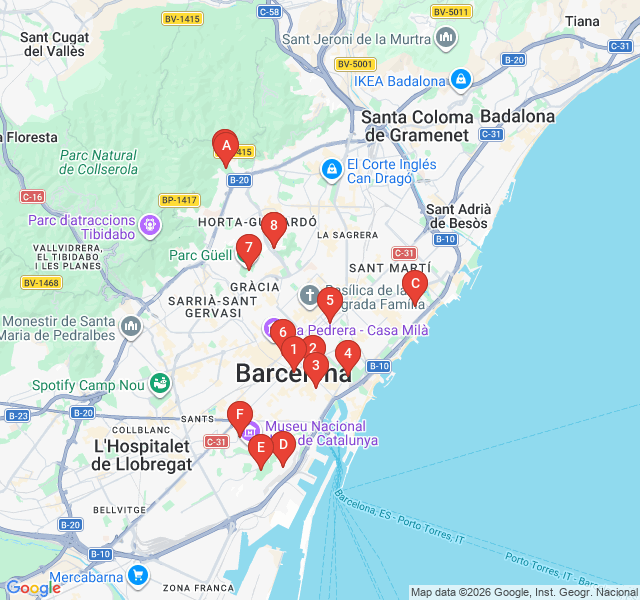
Numbers indicate the order of stops on the tour.
Your journey begins at the Palau Desvalls, the ancestral home that serves as the gateway to the Labyrinth Park. This elegant building blends neoclassical and neo-Arabic styles, reflecting the prestige of the Desvalls family who owned this estate in the late 18th century. Once a private retreat for royalty and aristocrats, the palace grounds were eventually opened to the public, transforming from a secluded manor into a cherished city park. Take a moment to admire the facade before heading into the gardens, where the transition from formal architecture to wild nature begins.
Moving toward the heart of the city, we find the Palau de la Música Catalana, a masterpiece of Catalan Modernism designed by Lluís Domènech i Montaner. While it is a temple to music, its design is deeply rooted in nature. Look up at the facade to see intricate stone carvings of flowers and organic forms. The building represents the 'Renaixença' period, where art and national identity were celebrated through architectural beauty. It is a UNESCO World Heritage site and stands as a vibrant contrast to the more traditional royal gardens you will explore elsewhere.
In the narrow streets of the Gothic Quarter, the Pont del Bisbe, or Bishop's Bridge, offers a touch of neo-Gothic romance. Built for the 1929 International Exhibition, this ornate bridge connects the Palau de la Generalitat with the Casa dels Canonges. Despite its relatively modern construction, it fits perfectly into the medieval atmosphere. Look closely at the underside of the arch to find a mysterious skull and dagger. Local legend suggests that if you walk under the bridge and see the skull, you must make a wish, though others whisper darker omens about its origin.
Located within the historic Parc de la Ciutadella, the Barcelona Zoo has been a fixture of the city since 1892. This area was once a military citadel built by King Philip V, but after the 1888 Universal Exposition, it was transformed into the city's first major public park. The zoo represents the Victorian era's fascination with the natural world and scientific discovery. As you walk nearby, you can feel the transition from the city's military past to its modern role as a center for recreation and conservation in a lush, green setting.
The Plaza de Toros Monumental is a striking example of Neo-Mudéjar and Byzantine architecture. Opened in 1914, it was the last place in Catalonia where bullfighting took place before the practice was banned. The building's blue and white ceramic tiles and majestic domes make it a landmark of the Eixample district. While its history is tied to a controversial tradition, its architectural significance and its role as a massive public gathering space for concerts and events make it a vital part of Barcelona's cultural landscape.
On the Passeig de Gràcia, Casa Batlló stands as Antoni Gaudí’s ultimate tribute to nature. The facade, covered in colorful broken ceramic tiles known as 'trencadís,' resembles the scales of a dragon or the surface of a lily pond. There are no straight lines here, as Gaudí believed that nature does not contain them. The balconies look like masks or bones, earning it the nickname 'House of Bones.' This building showcases how the Catalan bourgeoisie used nature-inspired art to express their wealth and sophisticated taste during the Modernist era.
Entering the realm of Park Güell, the Casa del Guarda was designed by Gaudí as a modest residence for the park's gatekeeper. Its fairy-tale appearance, with a roof that looks like a mushroom cap or gingerbread, is part of a larger plan for a garden city that never fully materialized. Today, it serves as part of the Barcelona City History Museum (MUHBA). The house reflects Gaudí's ability to turn functional buildings into works of art that harmonize with the surrounding trees and rocky terrain of Carmel Hill.
Ascend to the Bunkers del Carmel for the most spectacular views in Barcelona. These concrete structures were built during the Spanish Civil War as anti-aircraft batteries to defend the city from Italian bombers. After the war, the site became a shantytown known as 'Els Canons' before being reclaimed as a public space. Today, it is a favorite spot for locals to watch the sunset. It represents the city's resilience and provides a perfect vantage point to see how the urban grid meets the Mediterranean Sea.
At the same site as the Bunkers, the MUHBA Turó de la Rovira offers a deeper look at the historical layers of this hill. From Iberian settlements to the defensive batteries and the mid-20th-century dwellings, this open-air museum tells the story of Barcelona's survival and growth. It is a place of memory where the scars of war have been integrated into a park-like atmosphere. The silence here, high above the buzzing city, provides a moment of reflection on how history shapes the landscapes we enjoy today.
Now we enter the heart of the Labyrinth Park: the Cypress Maze. Created in 1792 by the architect Domenico Bagutti, this is a classic neoclassical maze made of 750 meters of perfectly manicured cypress trees. At the center, you will find a statue of Eros, the god of love. The maze was designed as a game for the aristocracy, symbolizing the journey of life and the search for love and wisdom. It remains a remarkably preserved piece of 18th-century landscape gardening and a highlight of this self-guided adventure.
Just beyond the structured maze lies the Romantic Canal, added to the park in the 19th century. This area marks a shift in gardening styles from the orderly Neoclassical to the wilder, more emotional Romantic style. Here, you will find waterfalls, small bridges, and a secluded island. The canal was designed to evoke feelings of melancholy and wonder, typical of the Romantic era. It is one of the most serene spots in Barcelona, where the sound of water and the shade of ancient trees create a perfect royal escape.
In the industrial district of Poblenou, Palo Alto is a hidden oasis within a former factory complex. Reclaimed by designers and artists, the old brick walls are now covered in lush ivy and bougainvillea. It serves as a creative hub and occasionally hosts popular street markets. This stop demonstrates Barcelona’s commitment to urban greening, showing how industrial heritage can be transformed into a vibrant, plant-filled community space that maintains its historical character while embracing the future.
Perched atop Montjuïc Hill, this 17th-century fortress has a long and complex history as a military outpost and a prison. Today, its moat has been converted into beautiful gardens, and its ramparts offer sweeping views of the harbor. The castle represents the strategic importance of the hill throughout Barcelona's history. Walking around its perimeter, you can see how a site once associated with control and conflict has been softened by greenery and opened for public enjoyment as a peaceful historical landmark.
Situated on the slopes of Montjuïc, the Botanical Garden is a modern space dedicated to plants from Mediterranean climates around the world. Unlike the traditional royal gardens, this is a scientific and educational space designed with sustainability in mind. The geometric paths lead you through diverse landscapes, from Australia to Chile and California. It offers a quiet, educational stroll that highlights the global importance of plant conservation and the unique beauty of the Mediterranean biome in an urban setting.
Our final stop is the Mies van der Rohe Pavilion, a landmark of modern architecture. Built for the 1929 International Exposition, it was designed to be a quiet retreat of glass, steel, and marble. The use of water in the reflecting pools and the seamless flow between indoor and outdoor spaces reflect a modern interpretation of the garden escape. It is a minimalist masterpiece that brings our journey from the ornate labyrinths of the past to the clean, functional beauty of the 20th century.
Start Free on iPhone
Explore “The Labyrinth Park: A Royal Garden Escape” with your very own Private Tour Guide with Zigway. Start free on iPhone, skip the large group and the fixed routes, and hear the city come alive as you go.
Your Private Tour Guide
Don't miss the good stuff
Explore Freely
 Moderate
Barcelona, Spain
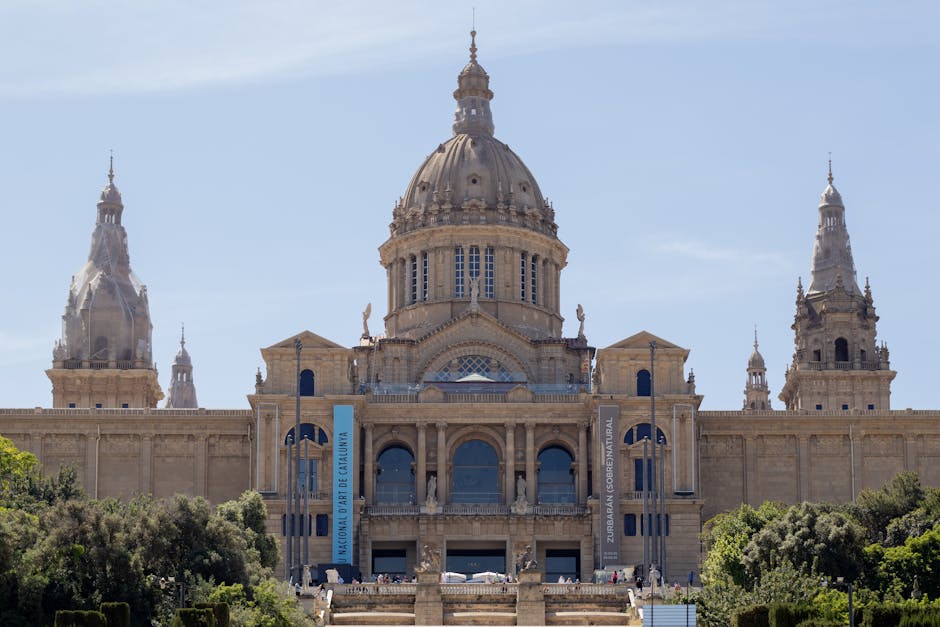
Explore the elegant 'village' of Sarrià, where Gothic monasteries and Gaudí's hidden gems meet charming local markets and narrow streets.
 Moderate
Barcelona, Spain
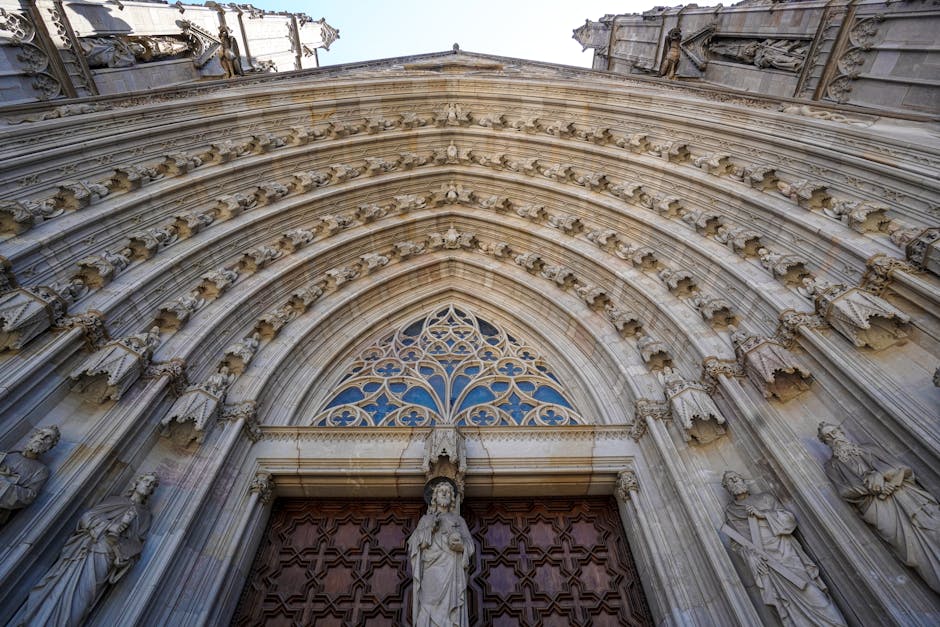
Discover the revolutionary history and haunting scars of the Spanish Civil War on this self-guided walk through Barcelona's historic streets.
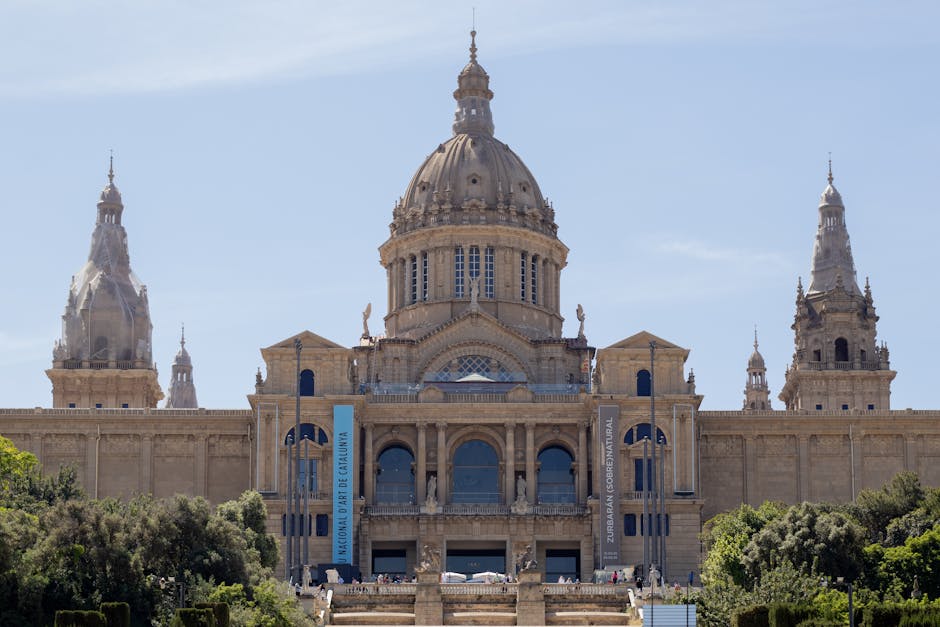 Easy
EasyBarcelona, Spain
Discover the architectural wonders of Barcelona's Golden Square on this self-guided stroll through Eixample's most luxurious Modernista streets.
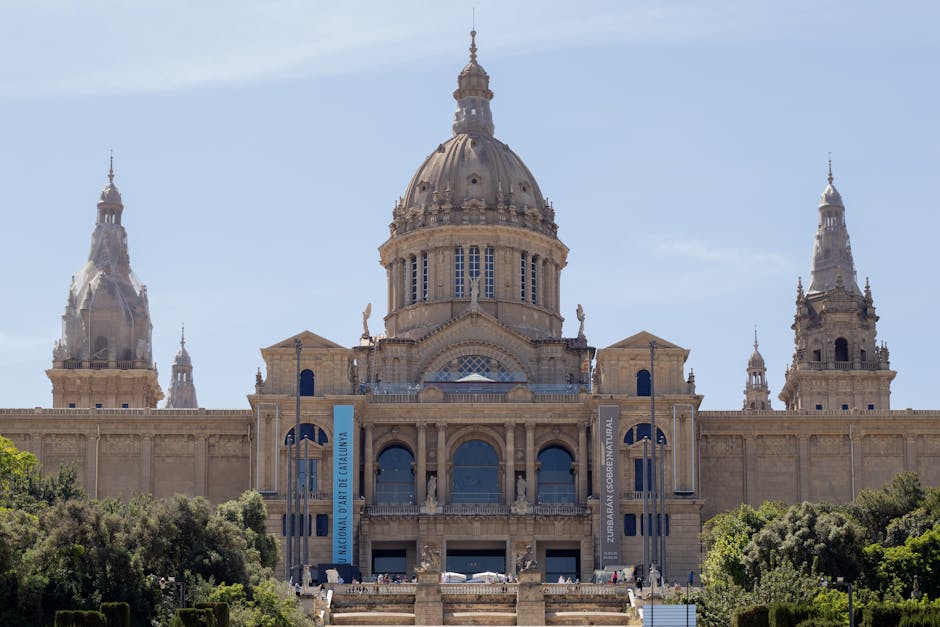 Challenging
Barcelona, Spain
Explore Montjuïc’s lush gardens, historic fortress, and iconic Olympic venues on this scenic self-guided walk with panoramic Mediterranean views.
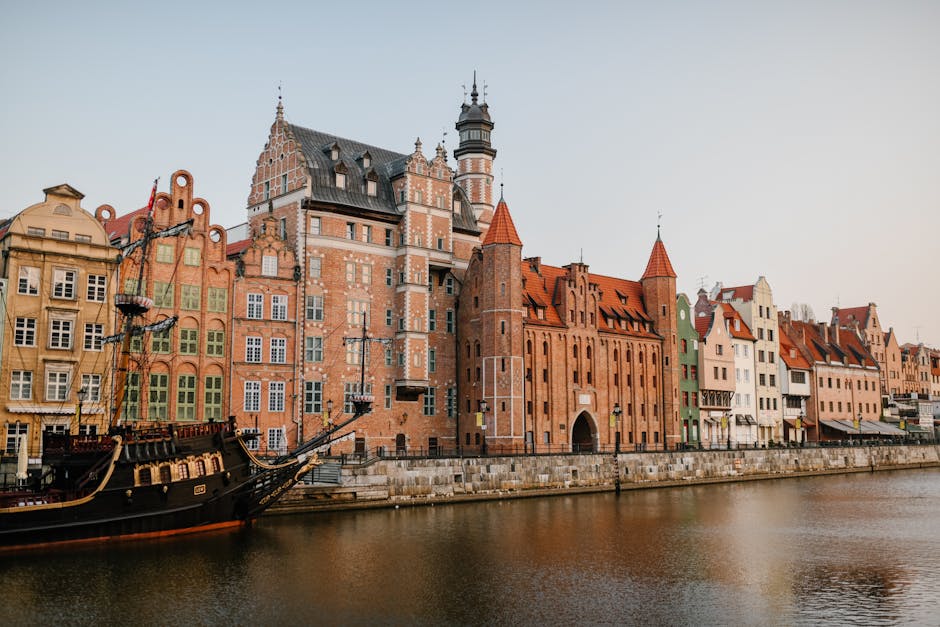 Easy
EasyGdansk, Poland
Discover the monastic heritage, world-famous organs, and lush botanical gardens of Oliwa on this peaceful self-guided neighborhood stroll.
 Easy
EasyHelsinki, Finland
Discover Helsinki's oldest neighborhood on this self-guided audio walk through Kruununhaka’s historic streets, hidden courtyards, and scenic shores.
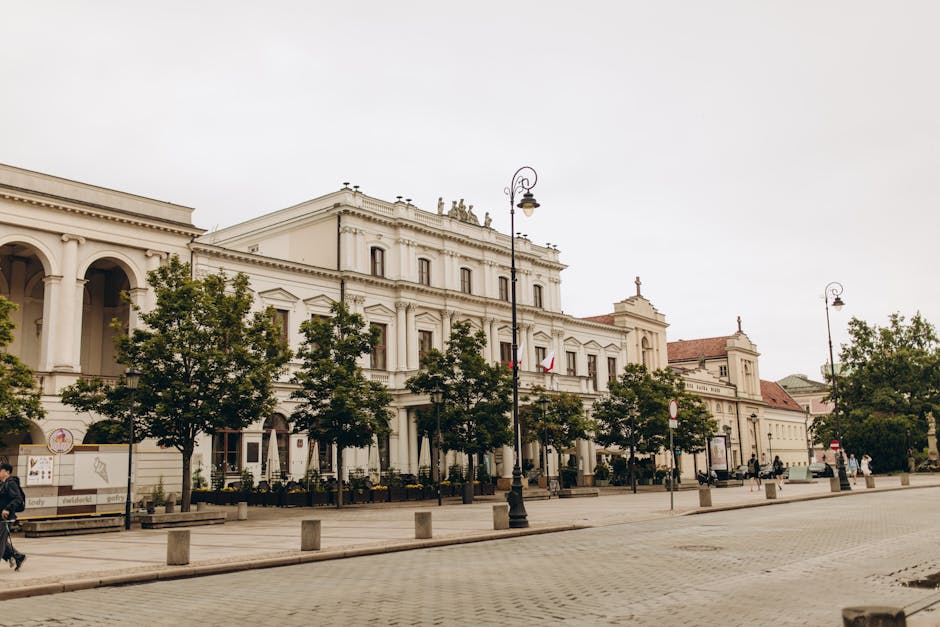 Easy
EasyWarsaw, Poland
Discover Warsaw's intellectual heart through historic campuses, peaceful parks, and the stunning rooftop gardens of the University Library.
 Easy
EasyGdansk, Poland
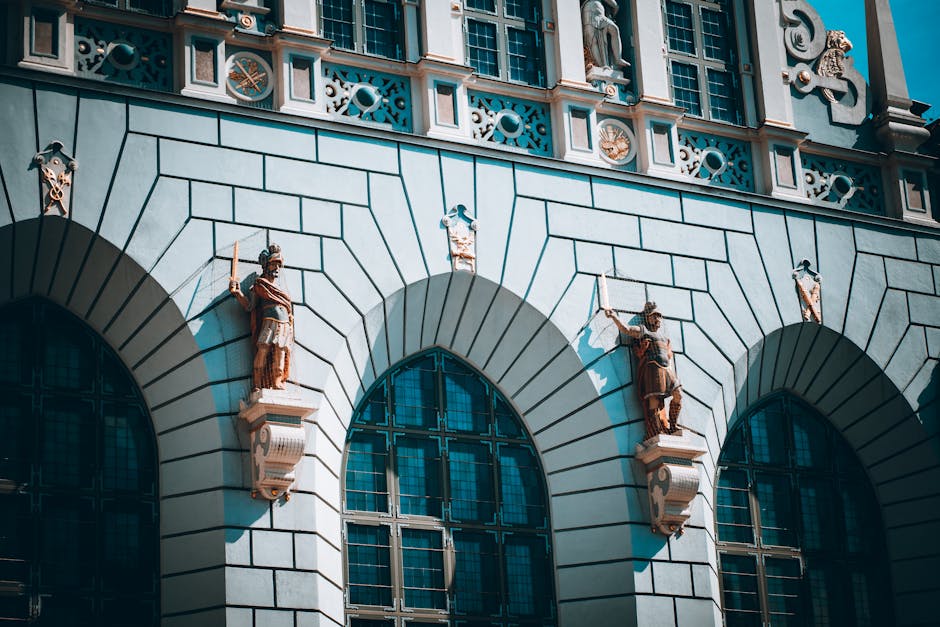
Discover the opulent Royal Way of Gdansk at your own pace. Explore Hanseatic history, gilded architecture, and the iconic Neptune's Fountain.
 Easy
EasyMadrid, Spain
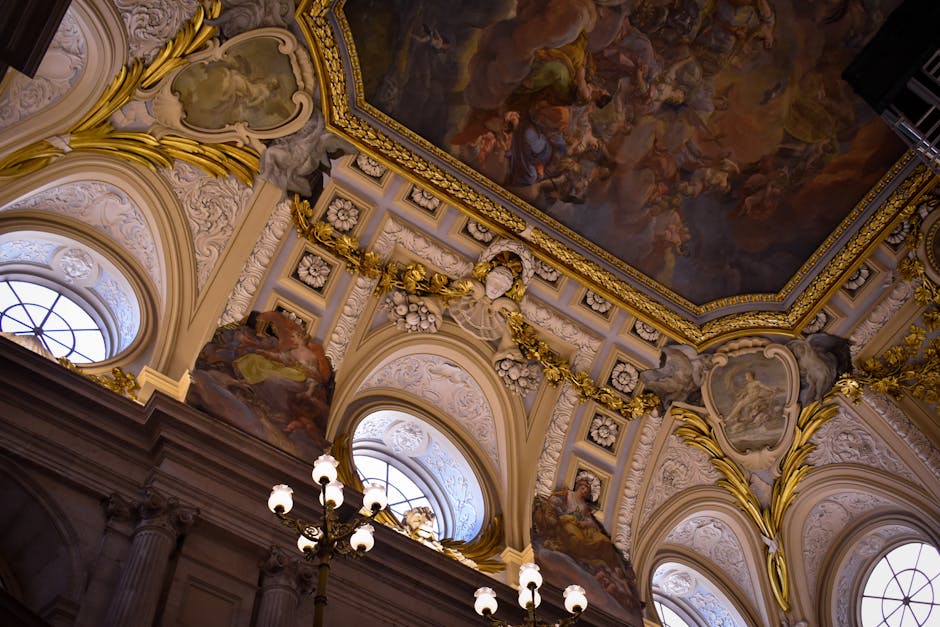
Explore Madrid's 'Landscape of Light' on this self-guided walk through the world-renowned Golden Triangle of Art, from Cibeles to the Reina Sofía.
 Moderate
Madrid, Spain
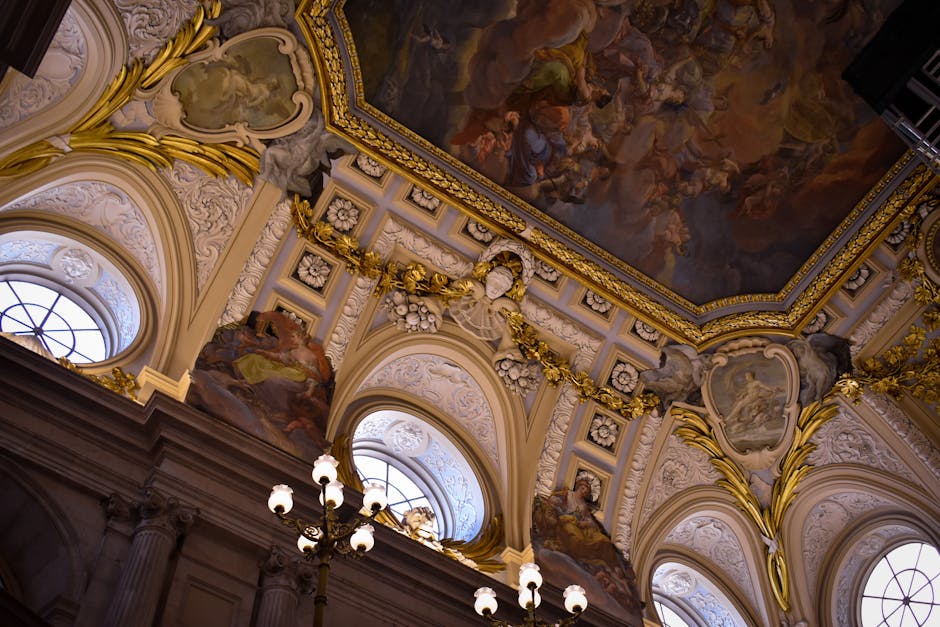
Explore Madrid's most diverse neighborhood on this self-guided walk through street art, historic markets, and multicultural squares.
 Easy
EasyMadrid, Spain
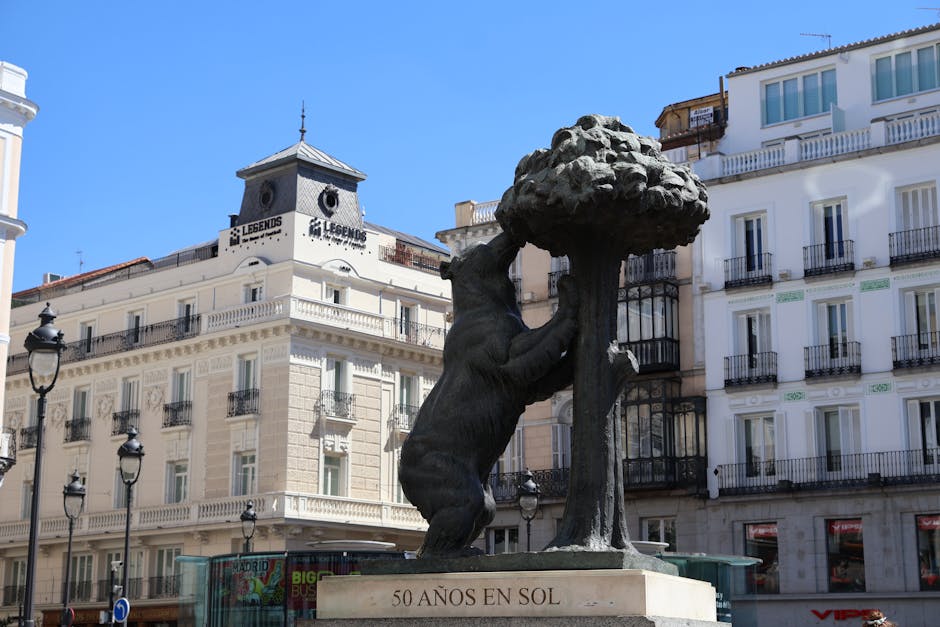
Explore the royal legacy and medieval alleys of Madrid's historic Habsburg district on this immersive self-guided walk through the city's heart.
 Easy
EasyMadrid, Spain
Discover the rebellious spirit of Malasaña on this self-guided walk through Madrid's best street art, historic squares, and counter-culture hubs.