Self-guided audio tour in Barcelona
Start Free on iPhone
Start free on iPhone to unlock this self-guided walking tour in Barcelona. Hear all the stories that make it amazing, walk at your own pace, and begin whenever you want.
Your Private Tour Guide
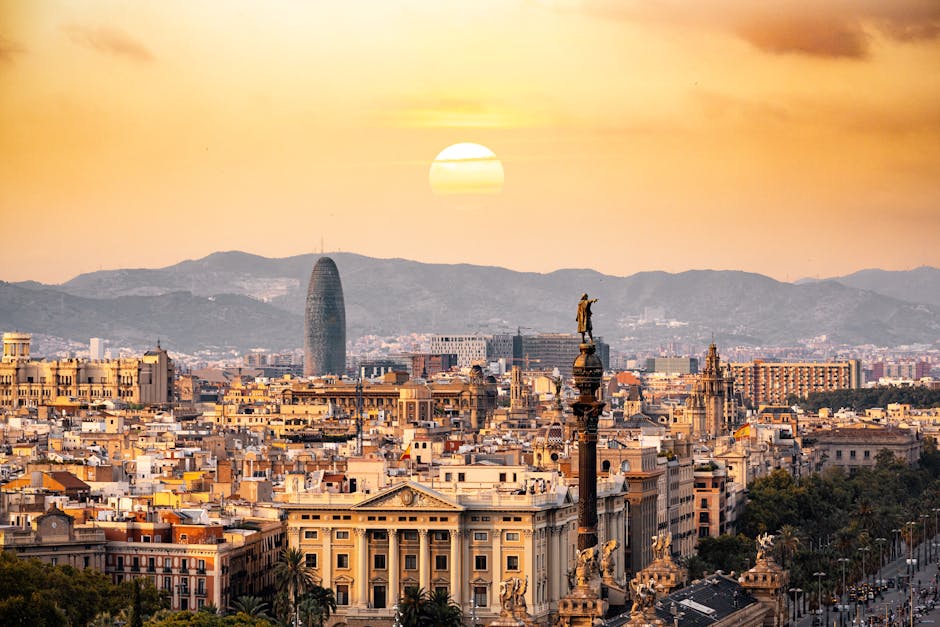
Barcelona is a city of narrow medieval alleys and grand boulevards, but for those seeking a breath of fresh air, Parc de la Ciutadella is the ultimate destination. This self-guided walk invites you to explore the city's "green lung," a space where history, nature, and whimsical architecture collide. Once the site of a massive military citadel built by King Philip V to keep the city in check, it was transformed for the 1888 Universal Exposition into a public sanctuary that remains the heart of local life today. As you begin your neighborhood stroll, you will discover why this park is a favorite for families and nature lovers. The route takes you from the peaceful boating lake toward the iconic Arc de Triomf, which served as the grand entrance to the world's fair, before looping back to the hidden gems tucked away among the Mediterranean flora. Unlike a standard guided tour Barcelona might offer in more crowded quarters, this route allows you to set your own pace. You can pause to watch the rowboats on the water or let the kids take a photo with a life-sized stone mammoth. This walking tour Barcelona experience highlights the evolution of Catalan identity. From the imposing Parliament building—originally a military arsenal—to the Modernista masterpiece of the Castell dels Tres Dragons, every corner tells a story of transformation. You will encounter the Cascada Monumental, a breathtaking fountain where a young Antoni Gaudí first left his mark as an architectural assistant. It is a place where the grandeur of the 19th century meets the relaxed vibe of modern Barcelona. Whether you are a solo traveler looking for a peaceful morning or a family needing space to run, this audio walk provides the perfect balance of education and leisure. Explore independently as you navigate the wide promenades lined with orange trees and discover the artistic legacy that paved the way for the city’s famous Modernisme movement. By the time you reach the final stop, you will have experienced the soul of Barcelona’s most beloved park, far from the frantic energy of the city center.
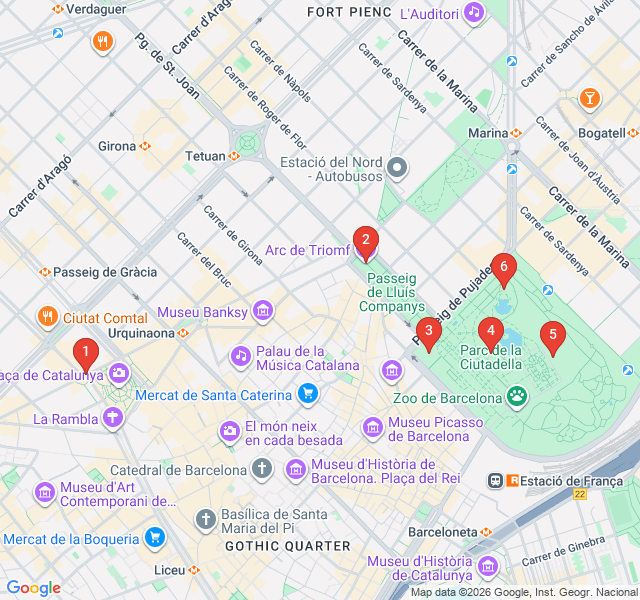
Numbers indicate the order of stops on the tour.
Start exploring with Zigway at the heart of the park's leisure scene. This ornamental lake is a centerpiece of the 1888 Universal Exposition's legacy. As you look across the water, you'll see rowboats gliding past ducks and geese. The lake is surrounded by lush Mediterranean vegetation, including bald cypresses that grow directly out of the water. It was designed by Josep Fontserè, who wanted to create a space that felt like a natural escape for the city's working class. Take a moment to enjoy the shade of the weeping willows and watch the local families feeding the birds before we head toward the park's grand entrance.
Standing tall at the end of the Passeig de Lluís Companys, this magnificent arch served as the symbolic gateway to the 1888 Universal Exposition. Unlike many triumphal arches in Europe that celebrate military victories, this one was built to celebrate civil achievement, industry, and the arts. Notice the reddish brickwork, which is a hallmark of the Neo-Mudéjar style popular in Spain at the time. The friezes depict Barcelona welcoming the nations of the world. It’s a popular spot for street performers and local skaters, bridging the gap between the park and the bustling El Born neighborhood.
This striking brick building is one of the earliest examples of Catalan Modernisme. Designed by Lluís Domènech i Montaner, it was built to serve as a cafe and restaurant during the 1888 World's Fair. Its name, 'Castle of the Three Dragons,' comes from a popular play of the era. Look closely at the top of the walls to see the white ceramic shields that represent different regions and products of Spain. For many years, it housed the city’s Zoology Museum. Today, it stands as a testament to the architectural revolution that transformed Barcelona into a global capital of design.
Hidden among the trees near the lake, you will find one of the park’s most beloved residents: a life-sized stone mammoth. This statue was installed in 1907 as part of a grand plan to fill the park with prehistoric animals that once roamed the Iberian Peninsula. Sadly, the mammoth was the only one ever completed. It has since become a favorite photo spot for children and adults alike. Its presence reminds us of the early 20th-century fascination with natural history and the desire to make the park an educational space for the public. Feel free to reach up and touch its trunk!
This elegant building has a complex history. Long before it was the seat of the Catalan Parliament, it was a military arsenal within the original Bourbon citadel. After the citadel was demolished, the building was remodeled into a royal palace before finally becoming the home of the Catalan government. The surrounding gardens, known as the Plaça de l'Armes, were designed by French landscaper Jean-Claude Nicolas Forestier. In the center of the pond, you can see a replica of the moving sculpture 'Desolation' by Josep Llimona, which adds a touch of melancholic beauty to this site of political power.
The Cascada is the park’s crowning jewel. Inspired by the Trevi Fountain in Rome, this massive water feature was the work of Josep Fontserè, but its most famous contributor was a then-unknown student named Antoni Gaudí. Gaudí assisted with the hydraulic design and some of the rockwork. At the top, you can see the golden statue of the Chariot of Aurora. The lower levels feature the birth of Venus rising from a shell. This is the perfect place to end your self-guided adventure. Climb the stairs to the upper terrace for a panoramic view of the park and enjoy the cooling mist from the waterfalls.
Start Free on iPhone
Explore “Ciutadella Park: A Family Nature Walk” with your very own Private Tour Guide with Zigway. Start free on iPhone, skip the large group and the fixed routes, and hear the city come alive as you go.
Your Private Tour Guide
Don't miss the good stuff
Explore Freely
 Moderate
Barcelona, Spain
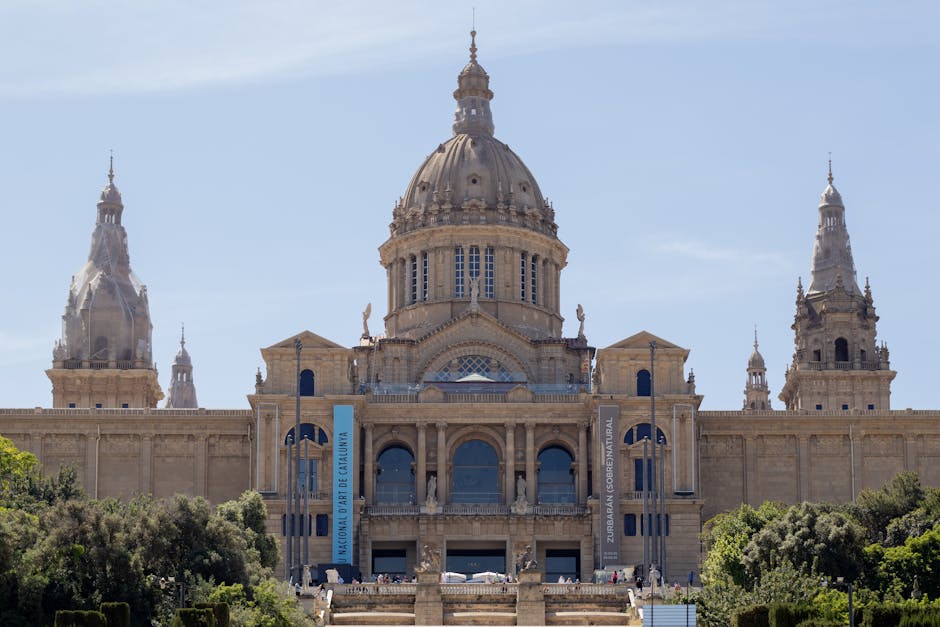
Explore the elegant 'village' of Sarrià, where Gothic monasteries and Gaudí's hidden gems meet charming local markets and narrow streets.
 Moderate
Barcelona, Spain
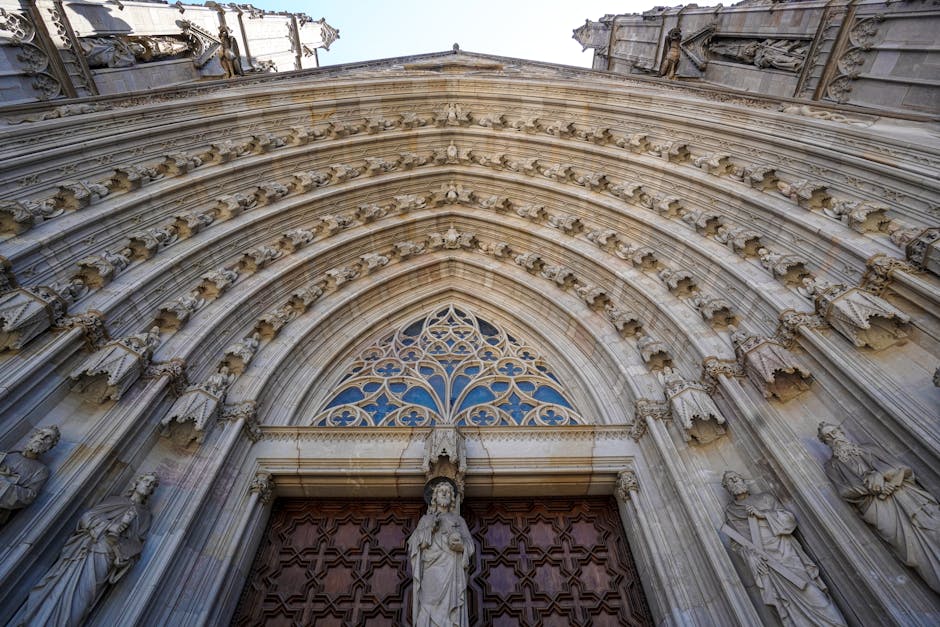
Discover the revolutionary history and haunting scars of the Spanish Civil War on this self-guided walk through Barcelona's historic streets.
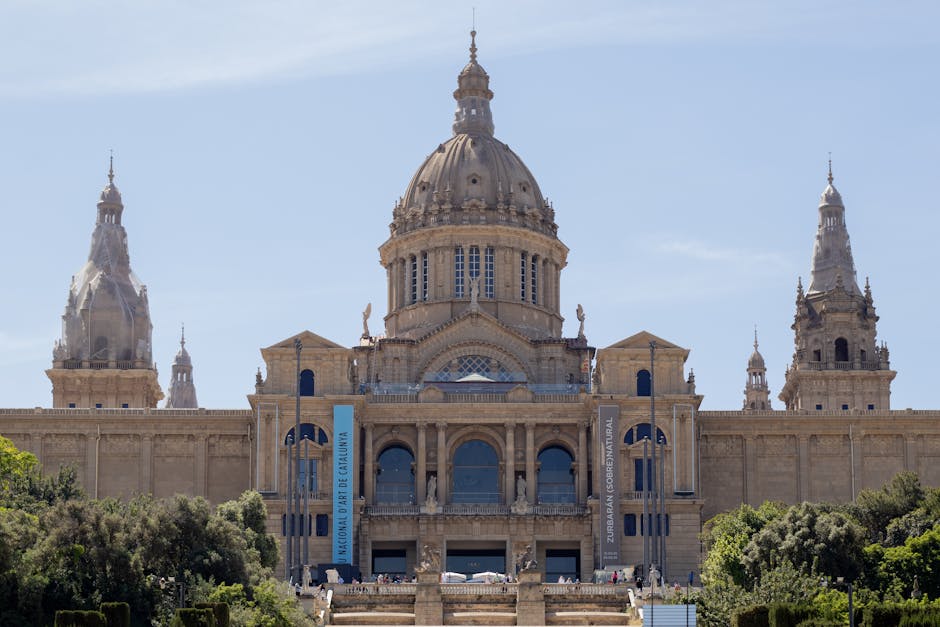 Easy
EasyBarcelona, Spain
Discover the architectural wonders of Barcelona's Golden Square on this self-guided stroll through Eixample's most luxurious Modernista streets.
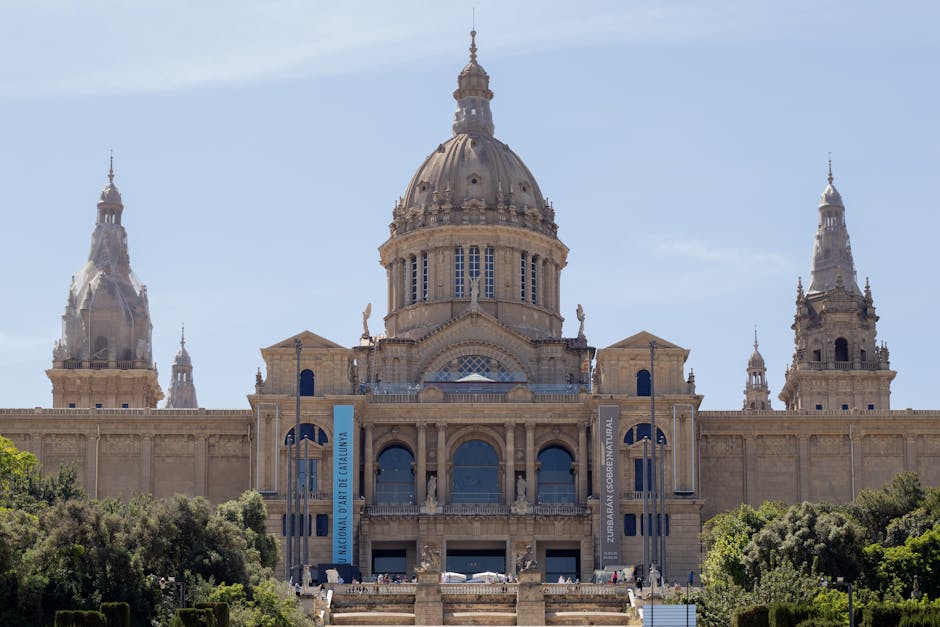 Challenging
Barcelona, Spain
Explore Montjuïc’s lush gardens, historic fortress, and iconic Olympic venues on this scenic self-guided walk with panoramic Mediterranean views.
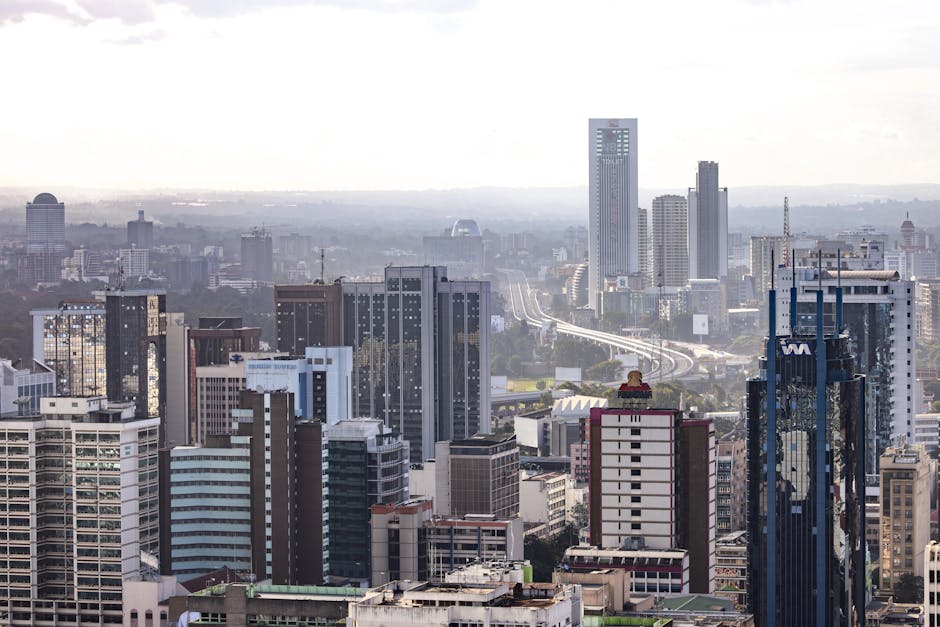 Easy
EasyNairobi, Kenya
Explore Nairobi's architectural evolution from colonial-era landmarks to iconic Brutalist skyscrapers on this historic self-guided walking route.
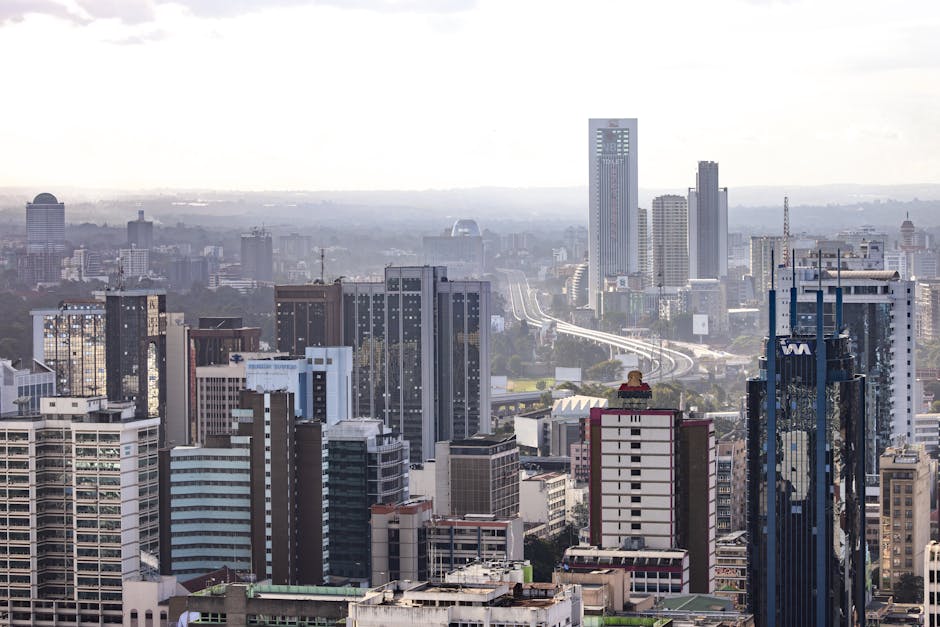 Easy
EasyNairobi, Kenya
Discover Nairobi's iconic skyline on this self-guided architecture walk through the CBD’s most famous modernist and Brutalist landmarks.
 Easy
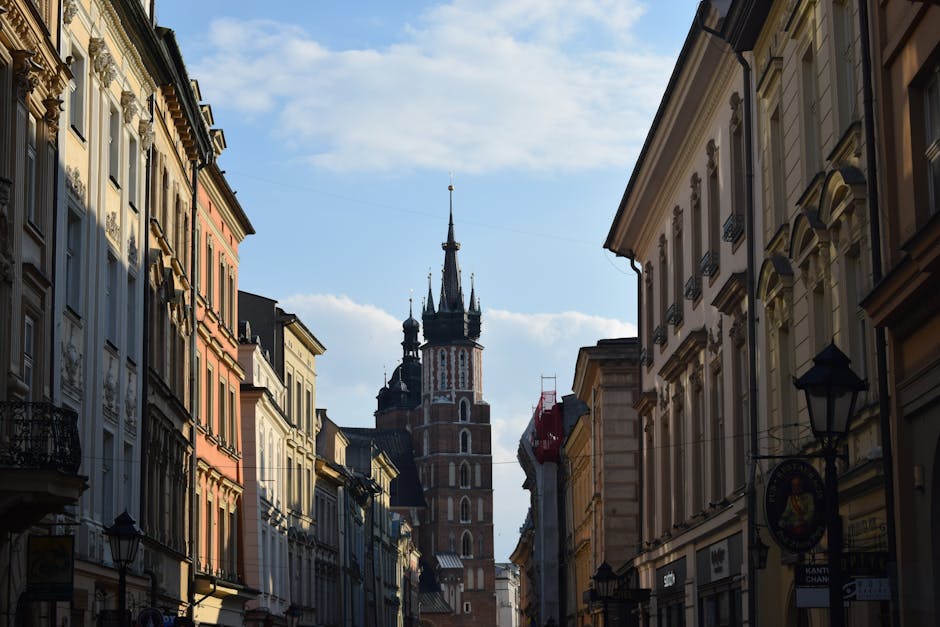
EasyKrakow, Poland
Uncover Krakow's legendary past on this self-guided walk from literary monuments to the fire-breathing Wawel Dragon.
 Easy
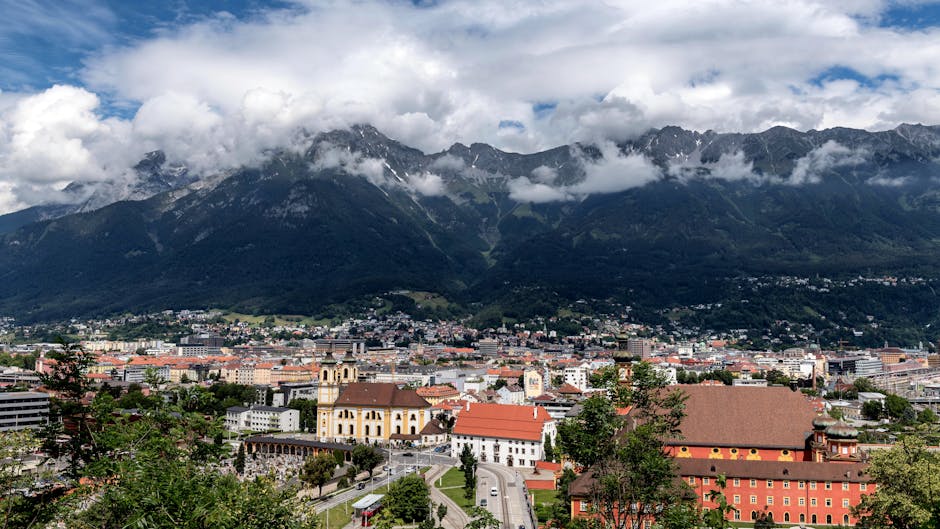
EasyInnsbruck, Austria
Uncover the myths and legends of Innsbruck on this self-guided walk through the historic Altstadt and beyond.
 Easy
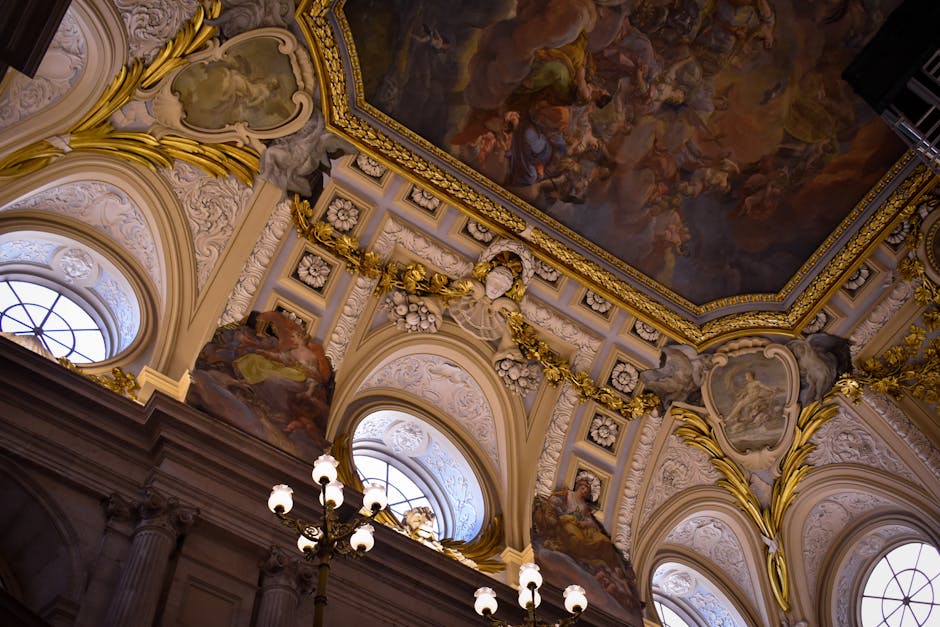
EasyMadrid, Spain
Explore Madrid's 'Landscape of Light' on this self-guided walk through the world-renowned Golden Triangle of Art, from Cibeles to the Reina Sofía.
 Moderate
Madrid, Spain
Explore Madrid's most diverse neighborhood on this self-guided walk through street art, historic markets, and multicultural squares.
 Easy
EasyMadrid, Spain
Explore the royal legacy and medieval alleys of Madrid's historic Habsburg district on this immersive self-guided walk through the city's heart.
 Easy
EasyMadrid, Spain
Discover the rebellious spirit of Malasaña on this self-guided walk through Madrid's best street art, historic squares, and counter-culture hubs.