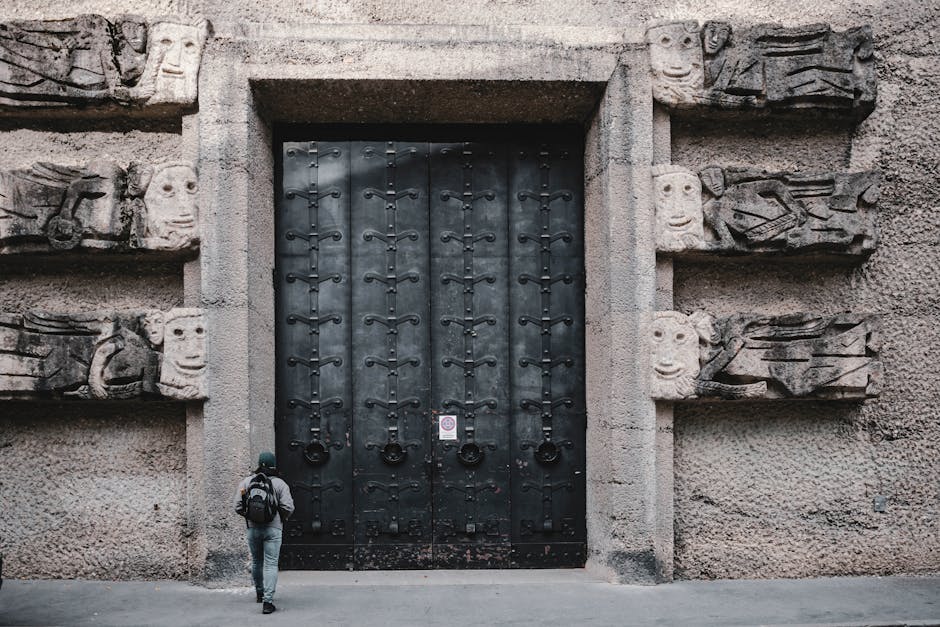
Self-guided audio tour in Salzburg
Start Free on iPhone
Start free on iPhone to unlock this self-guided walking tour in Salzburg. Hear all the stories that make it amazing, walk at your own pace, and begin whenever you want.
Your Private Tour Guide
Salzburg is a city where every cobblestone seems to hum with a melody, and this self-guided walk invites you to explore the life of its most famous son: Wolfgang Amadeus Mozart. Beyond the chocolate shops and postcards, the Altstadt (Old Town) preserves the actual stages where a child prodigy transformed into a musical giant. This walking route takes you through the heart of the UNESCO World Heritage site, weaving between the banks of the Salzach River and the shadows of the Hohensalzburg Fortress to discover the homes, churches, and squares that shaped Mozart’s genius. This isn't just a walk through history; it's a neighborhood stroll through the atmospheric world of 18th-century Salzburg. You will begin at the quiet, historic St. Sebastian’s Cemetery before crossing the river to the bustling Getreidegasse. Along the way, you’ll encounter the grand university dedicated to his name, the residence where the Mozart family hosted musical soirées, and the cathedral where his first compositions echoed through the nave. Whether you are a classical music aficionado or a first-time visitor, this audio walk provides the context and stories needed to truly understand the 'prodigy years.' Unlike a traditional walking tour Salzburg visitors often find crowded, this independent exploration allows you to linger at Mozart’s birthplace or pause for a coffee in the very square where his statue stands. Experience the city’s baroque architecture and musical heritage at your own pace, uncovering the human side of a legend. This walking route Salzburg offers is the perfect introduction to the city's artistic soul, blending stable historical facts with the timeless beauty of the Austrian Alps as your backdrop.
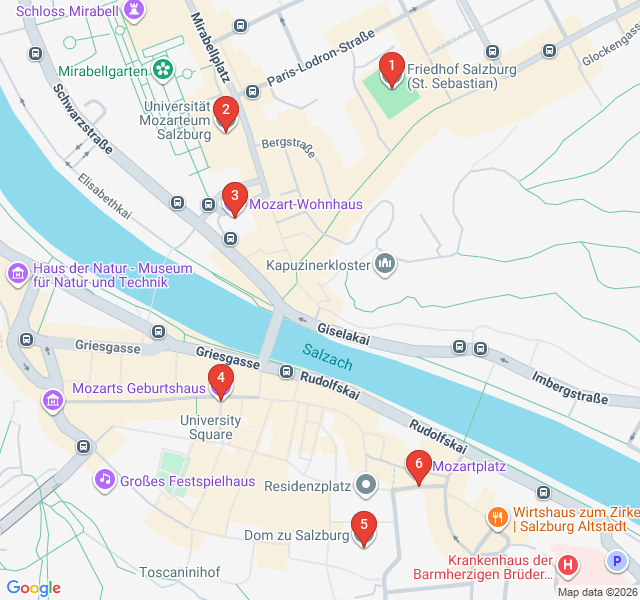
Numbers indicate the order of stops on the tour.
Welcome to the quiet beauty of St. Sebastian’s Cemetery, a hidden gem often overlooked by those rushing to the city center. This peaceful spot is the final resting place of several members of the Mozart family, including Wolfgang’s father, Leopold, and his wife, Constanze. As you walk through the late-Gothic arcades, you are stepping into a site that reflects the religious and social hierarchy of 18th-century Salzburg. While Wolfgang himself is buried in Vienna, this cemetery serves as a poignant reminder of the family that supported and sometimes strained his early career. Leopold Mozart, a talented musician in his own right, was the primary architect of his son’s education and early fame, and his presence here anchors the Mozart story firmly in Salzburg soil.
Just a short walk from the cemetery, you’ll find the Mozarteum University. While the building itself is a blend of various architectural eras, its significance lies in its dedication to the musical arts. Founded in the mid-19th century as a music school in honor of Mozart, it has grown into one of the most prestigious performing arts universities in the world. It stands as a living testament to the fact that Mozart’s influence didn't end with his death; it continues to draw musicians from every corner of the globe to Salzburg. Take a moment to appreciate the modern glass structures that harmonize with the historic surroundings, symbolizing the city's ongoing dialogue between its classical past and its vibrant cultural present.
Known as the 'Tanzmeisterhaus' or Dance Master’s House, this was the Mozart family home from 1773 to 1787. By the time they moved here, Wolfgang was already an established young composer and his father’s career was at its peak. This spacious apartment allowed for the grand social gatherings and rehearsals that were essential to their lifestyle. It was within these walls that Mozart composed many of his Salzburg masterpieces, including symphonies and concertos. The building was heavily damaged during World War II but has been meticulously reconstructed to house a museum. It offers a glimpse into the more affluent years of the family’s life before Wolfgang eventually departed for the brighter lights of Vienna.
Across the Makartsteg bridge and into the narrow, bustling Getreidegasse, you arrive at the bright yellow house at number 9. This is the Hagenauer Haus, the birthplace of Wolfgang Amadeus Mozart on January 27, 1756. The family lived on the third floor for 26 years, and it was here that the 'child prodigy' first touched a keyboard and violin. Today, it is one of the most visited museums in Austria. Even if you don't go inside, the exterior of the building, with its gilded signage and high windows, captures the essence of the medieval and baroque merchant city that Mozart would have known intimately. The crowded street outside reflects the same lively energy that has defined Salzburg’s commercial heart for centuries.
Standing before the magnificent facade of the Salzburg Cathedral, you are at the spiritual center of the city. Mozart was baptized here just a day after his birth in the Romanesque bronze font that you can still see inside. Later in life, he served as the court organist and concertmaster for the Prince-Archbishop, composing numerous sacred works specifically for this space. The cathedral’s acoustics and grand baroque architecture provided the literal and metaphorical stage for Mozart’s religious compositions. As you look up at the twin towers, imagine the young composer navigating the complex politics of the church while his genius began to outgrow the provincial boundaries of his hometown.
Our self-guided journey concludes here at Mozartplatz, dominated by the bronze statue of the composer. Unveiled in 1842, over fifty years after his death, this monument represents the city's eventual embrace of its most famous citizen. Interestingly, Mozart’s sons were present for the unveiling. The square is a perfect place to reflect on the route you've taken—from the family graves to the birthplace and the grand cathedral. Today, the square is a hub of activity, surrounded by museums and traditional cafes. It is the heart of the Altstadt, where the legacy of the prodigy years finally meets the enduring fame of a global icon. From here, you are perfectly positioned to explore the nearby Salzburg Museum or enjoy a well-earned coffee.
Start Free on iPhone
Explore “Mozart's Prodigy Years: A Life in Music” with your very own Private Tour Guide with Zigway. Start free on iPhone, skip the large group and the fixed routes, and hear the city come alive as you go.
Your Private Tour Guide
Don't miss the good stuff
Explore Freely
 Easy
EasySalzburg, Austria
Discover the 'Rome of the North' on this self-guided walk through the Baroque squares and monumental legacy of Salzburg’s Prince-Archbishops.
 Easy
EasySalzburg, Austria
Discover Salzburg's oldest medieval alley, the birthplace of the 'Silent Night' author, and breathtaking views on this quiet self-guided walk.
 Easy
EasySalzburg, Austria
Walk through the iconic filming locations of The Sound of Music and discover the real history of the von Trapp family in Salzburg.
 Challenging
Salzburg, Austria
Scale the heights of Salzburg on this self-guided walk to the Hohensalzburg Fortress, exploring medieval walls and ancient monastic grounds.
 Easy
EasyNairobi, Kenya
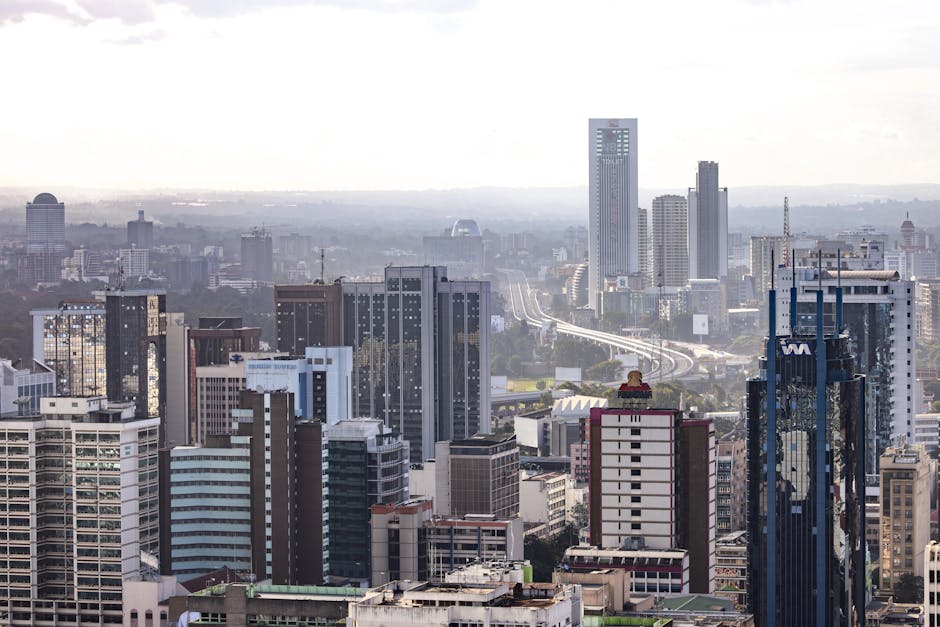
Explore Nairobi's architectural evolution from colonial-era landmarks to iconic Brutalist skyscrapers on this historic self-guided walking route.
 Easy
EasyNairobi, Kenya
Discover Nairobi's iconic skyline on this self-guided architecture walk through the CBD’s most famous modernist and Brutalist landmarks.
 Easy
EasyGothenburg, Sweden
Discover Gothenburg’s 17th-century Dutch foundations, historic canals, and military fortifications on this self-guided architectural walk.
 Easy
EasyKrakow, Poland
Explore the prestigious Jagiellonian University district, featuring Neo-Gothic architecture, Baroque churches, and Krakow's hidden scholarly gems.
 Easy
EasyVienna, Austria
Explore Vienna’s vibrant open-air gallery along the Danube Canal on this self-guided street art and nightlife stroll through Leopoldstadt.
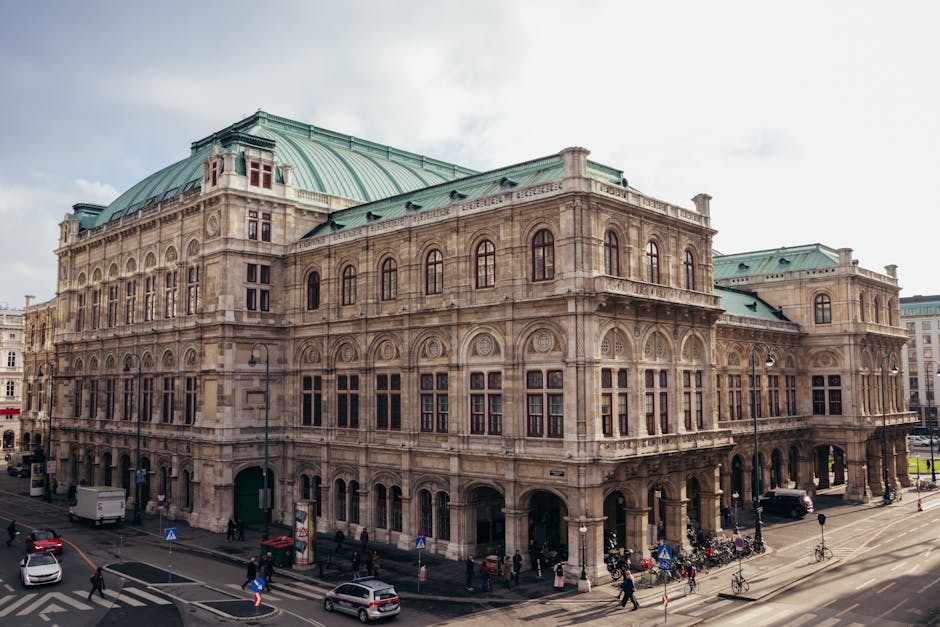 Moderate
Vienna, Austria
Follow the footsteps of Mozart and Strauss through Vienna’s historic center on this self-guided walk through the city's rich musical history.
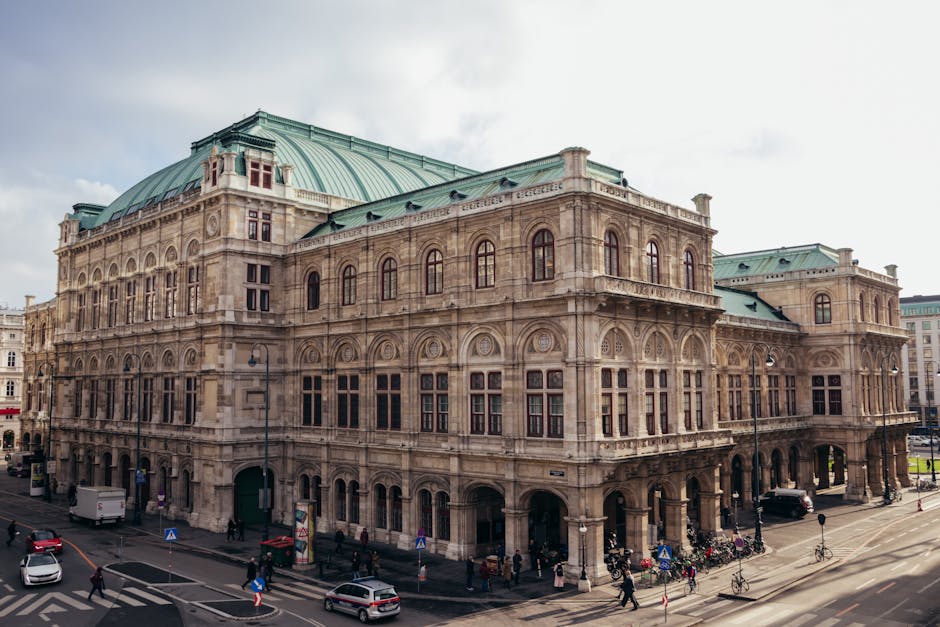 Moderate
Vienna, Austria
Discover the noir world of The Third Man and Cold War Vienna on this atmospheric self-guided audio walk through the historic Innere Stadt.
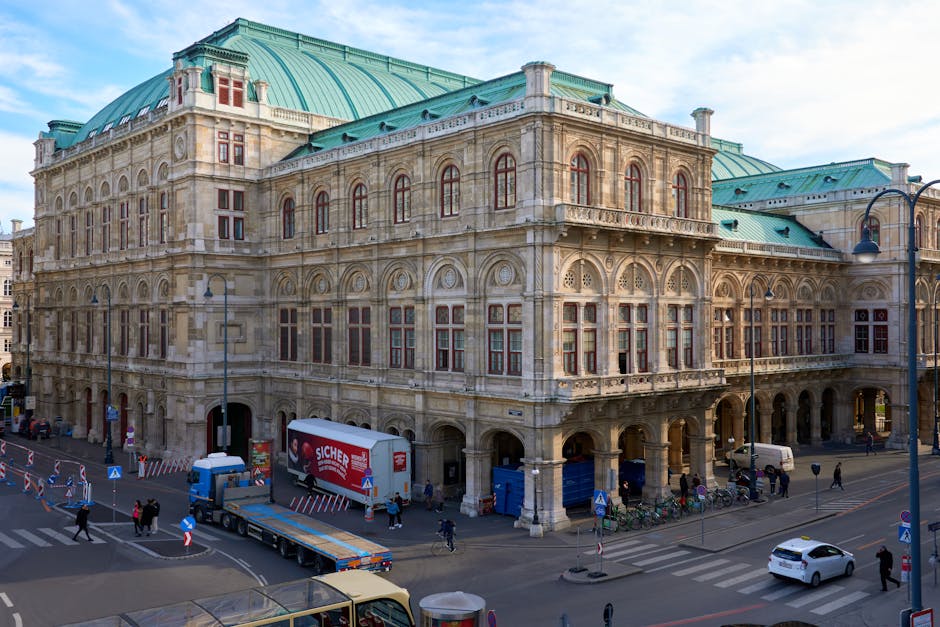 Easy
EasyVienna, Austria
Discover the literary haunts and architectural gems of Vienna's legendary coffee culture on this self-guided stroll through the historic city center.