Self-guided audio tour in Cusco
Start Free on iPhone
Start free on iPhone to unlock this self-guided walking tour in Cusco. Hear all the stories that make it amazing, walk at your own pace, and begin whenever you want.
Your Private Tour Guide
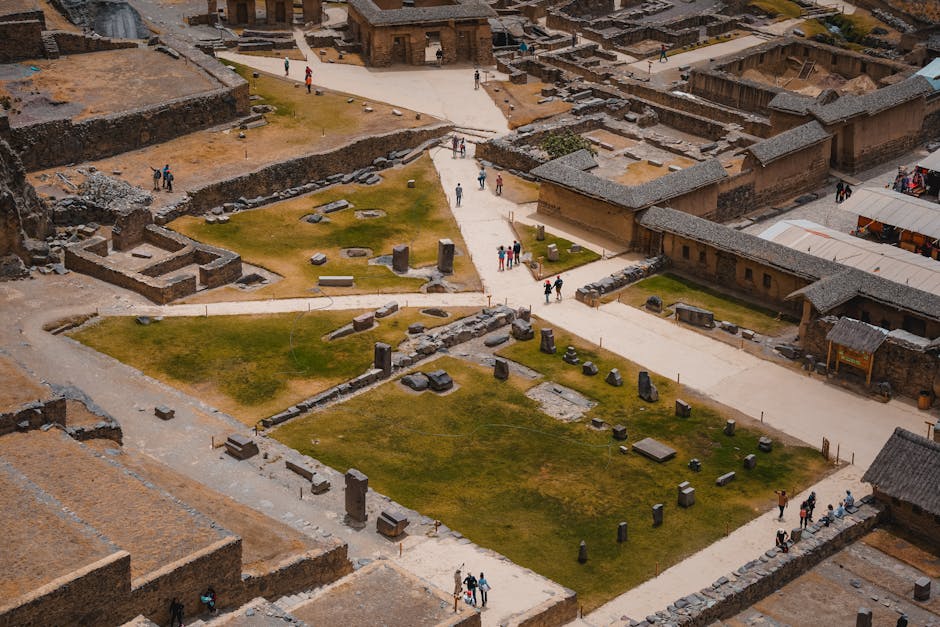
Cusco is not just a city; it is a living museum where the past and present collide in a spectacular display of Andean masonry and colonial architecture. This self-guided walk explores the sacred anatomy of the ancient Inca capital, which, according to legend, was designed in the form of a majestic puma. In this feline blueprint, the fortress of Saqsaywaman represents the head, while the confluence of the Saphy and Tullumayo rivers forms the tail. This walking route takes you through the heart of this ancient layout, starting from the lower levels and ascending into the hills that overlook the valley. Your journey begins at the 'tail' near the historic fountains of La Paccha before moving to the Qorikancha, the once gold-covered Temple of the Sun. As you navigate the narrow alleys, you will notice how Spanish cathedrals and colonial mansions were built directly atop the indestructible foundations of Inca palaces. This neighborhood stroll offers a deep dive into the 'Puma' shape of the city, a concept that highlights the spiritual and urban planning genius of the Inca Empire. As you leave the vibrant Plaza de Armas behind, the climb becomes steeper, leading you through the historic Suecia street toward the monumental heights of Saqsaywaman. Here, the stones are so massive and precisely fitted that they defy modern explanation. The route concludes at the mysterious carved limestone sanctuary of Q'enco. Because this is a self-guided adventure, you have the freedom to pause and admire the panoramic views of the Andes or spend extra time investigating the hidden carvings in the rock. This is a challenging but rewarding travel experience for those who want to understand the history, archaeology, and enduring spirit of Cusco at their own pace. While a walking tour Cusco offers many paths, this specific route focuses on the structural bones of the ancient city, revealing why it remains the archaeological capital of the Americas.
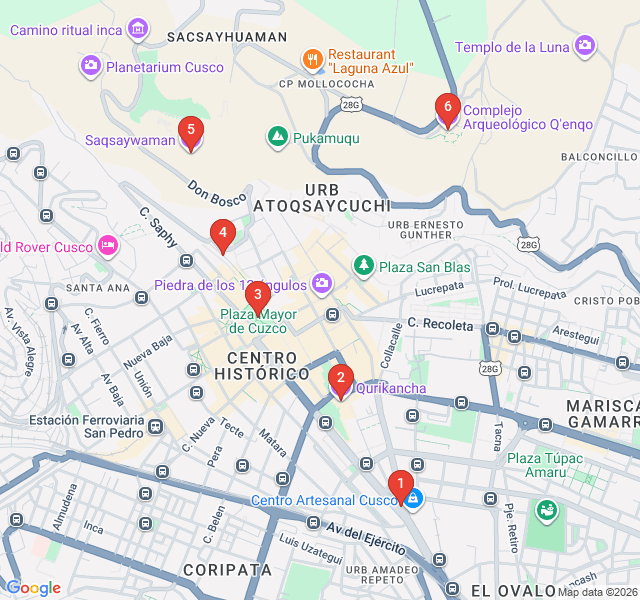
Numbers indicate the order of stops on the tour.
Welcome to the start of your journey through the Puma-shaped city. You are standing at La Paccha, a modern fountain that pays homage to the Inca's reverence for water. In the symbolic layout of Cusco, this area represents the 'Puma's Tail,' where two rivers originally met. Water was sacred to the Inca, seen as a life-giving force and a medium for ritual purification. Take a moment to appreciate the sound of the water before we begin our ascent into the heart of the empire. From here, we will move toward the most important religious site in the entire Inca world.
You are now at the Qorikancha, or 'The Golden Enclosure.' In Inca times, the walls here were literally covered in sheets of solid gold. This was the spiritual center of the empire, dedicated primarily to Inti, the Sun God. When the Spanish arrived, they were awestruck by the precision of the masonry—stones so perfectly joined that a knife blade cannot fit between them. They built the Dominican Convent of Santo Domingo directly on top of these ruins, creating the striking architectural hybrid you see today. Look closely at the curved wall; it is a masterpiece of seismic engineering that has survived countless earthquakes while the colonial structures above it crumbled.
The Plaza de Armas was once known as Huacaypata, the 'Place of Mourning' or 'Great Square.' It was the site of the most important ceremonies in the Inca calendar. Today, it is the vibrant heart of Cusco, surrounded by the Cathedral and the Church of La Compañía de Jesús. If you look at the city map, we are now in the 'belly' of the puma. The surrounding colonial arcades hide the remains of Inca palaces. This square has witnessed some of the most pivotal moments in history, including the execution of the rebel leader Túpac Amaru II. It remains a place of gathering, protests, and celebration.
As we begin our climb, we walk up Calle Suecia. Originally called 'Suesuay' in Quechua, which refers to a type of bird, the name was later Hispanicized. This street is a perfect example of the narrow, steep alleys that define upper Cusco. Notice the high stone walls on either side; many of these are original Inca foundations that once supported the homes of the nobility. The incline here is a reminder of the altitude and the physical demands of living in the Andes. Take your time, breathe deeply, and enjoy the boutique shops and cafes tucked into these historic walls as we head toward the 'head' of the puma.
You have reached Saqsaywaman, the 'Head of the Puma.' The zigzagging walls you see represent the teeth of the feline. This site is a marvel of ancient engineering, featuring stones that weigh over 120 tons, transported from miles away without the use of the wheel. While often called a 'fortress,' it also served as a ceremonial complex and an astronomical observatory. Every June, this site hosts Inti Raymi, the Festival of the Sun. From the top of the ramparts, you can see the entire city of Cusco laid out below, allowing you to visualize the puma shape we have been discussing.
Our final stop is Q'enco, which means 'labyrinth' or 'zigzag.' Unlike the precise masonry of Qorikancha, Q'enco is a natural limestone formation that was intricately carved by the Inca. Inside the cave, you will find a smooth stone altar likely used for sacrifices or mummification rituals. The site is a testament to the Inca's ability to work with the natural landscape, turning a simple rock outcrop into a sacred sanctuary. Notice the small channels carved into the stone; these were used to pour liquid—likely chicha or blood—for divination purposes. This quiet, mystical site is the perfect place to reflect on the ancient foundations of this incredible city.
Start Free on iPhone
Explore “Puma-Shaped City: Ancient Foundations” with your very own Private Tour Guide with Zigway. Start free on iPhone, skip the large group and the fixed routes, and hear the city come alive as you go.
Your Private Tour Guide
Don't miss the good stuff
Explore Freely
 Easy
EasyCusco, Peru
Discover the vibrant world of Andean weaving on this self-guided walk through Cusco’s historic center and artisan quarters.
 Easy
EasyCusco, Peru
Discover the rich flavors of Cusco on this self-guided walk through the city's best artisanal coffee shops and chocolate workshops.
 Moderate
Cusco, Peru
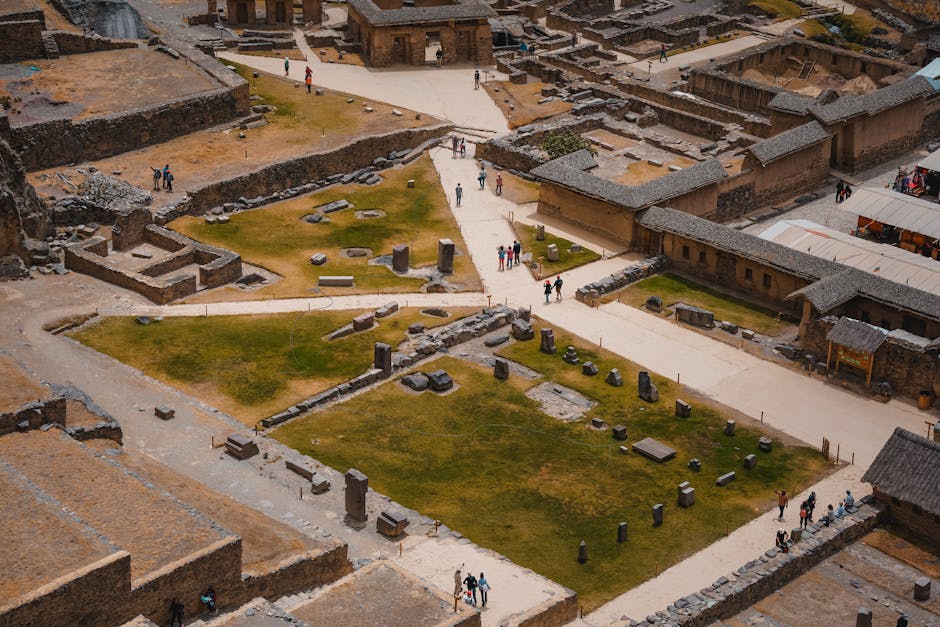
Uncover Cusco's hidden hydraulic history on this self-guided stroll through ancient canals and colonial aqueducts.
 Easy
EasyCusco, Peru
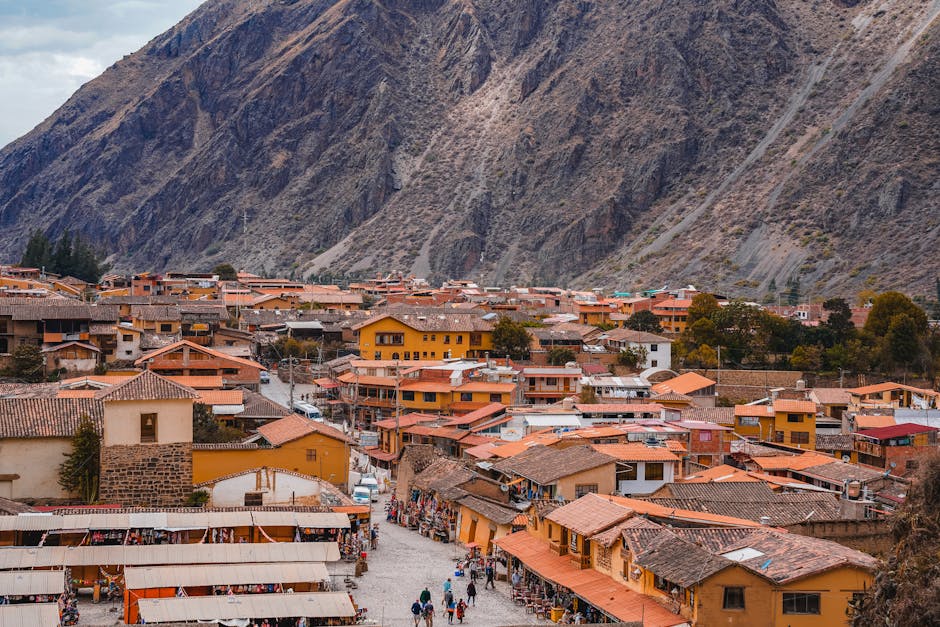
Experience Cusco’s vibrant nightlife on this self-guided walk through legendary pubs, pisco lounges, and hidden gems in the Historic Center.
 Easy
EasyNairobi, Kenya
Discover Nairobi's iconic skyline on this self-guided architecture walk through the CBD’s most famous modernist and Brutalist landmarks.
 Easy
EasySalzburg, Austria
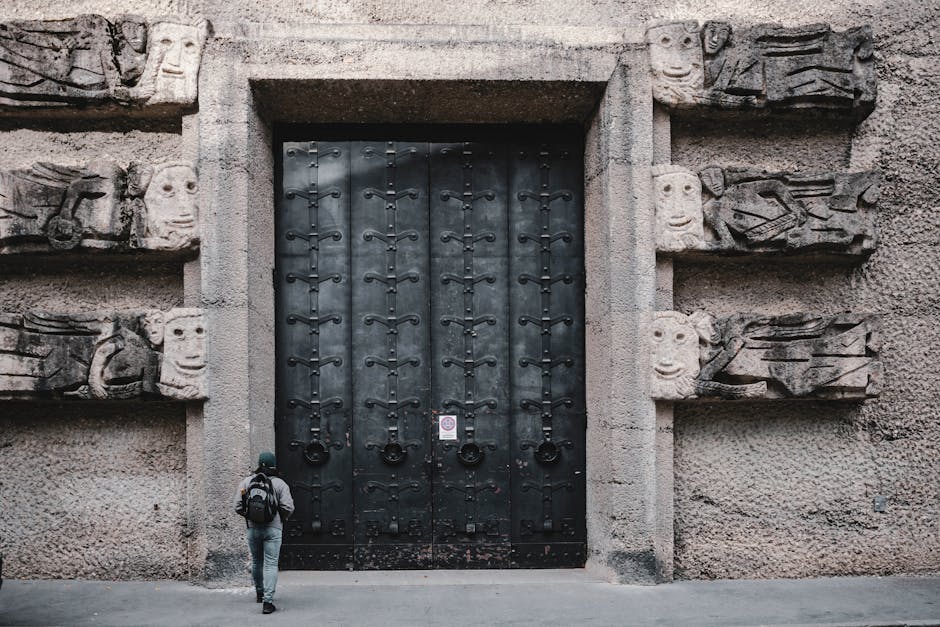
Discover the 'Rome of the North' on this self-guided walk through the Baroque squares and monumental legacy of Salzburg’s Prince-Archbishops.
 Easy
EasyWarsaw, Poland
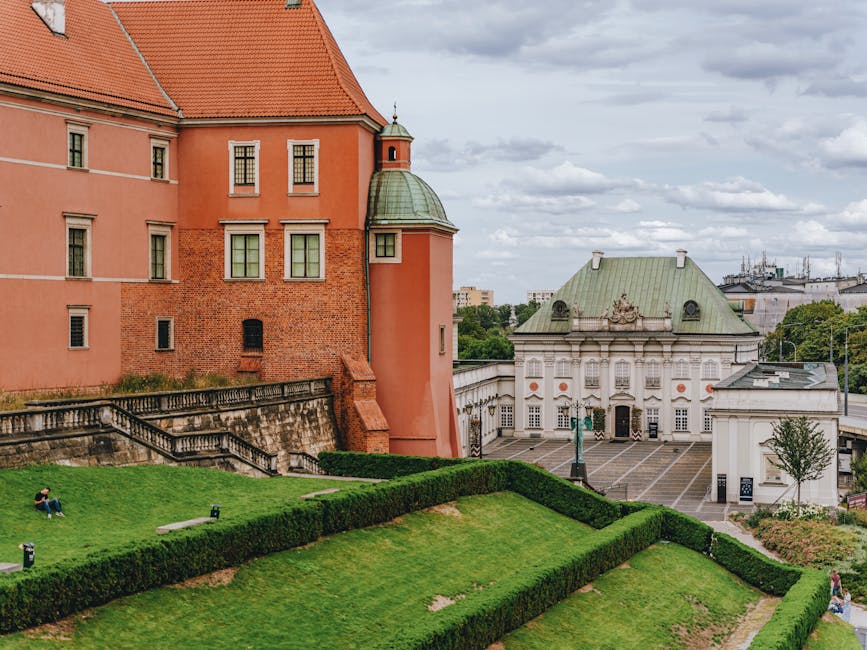
Explore the miracle of Warsaw's reconstructed Old Town on this self-guided walk through royal squares, medieval walls, and heroic monuments.
 Easy
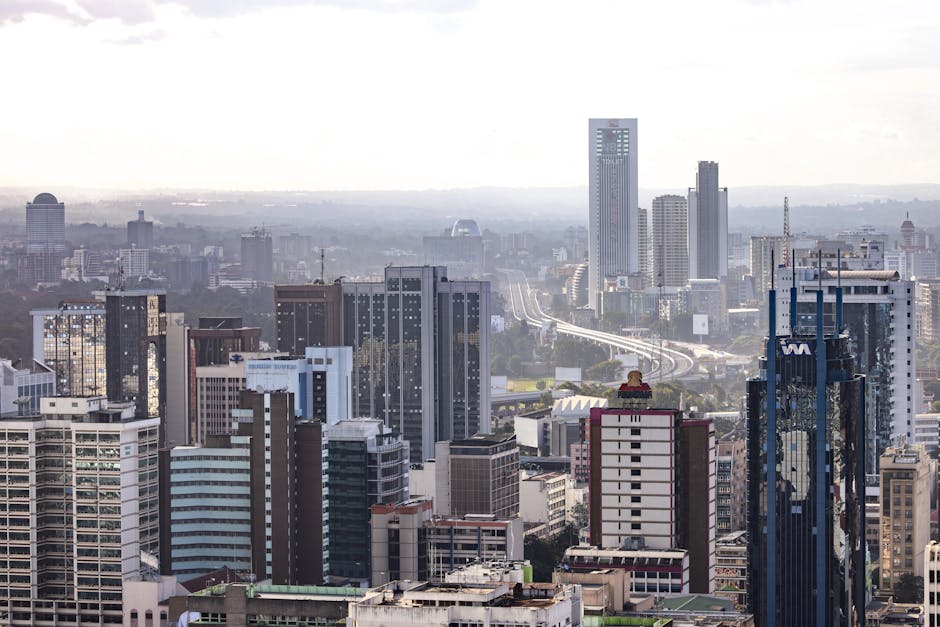
EasyNairobi, Kenya
Explore Nairobi's architectural evolution from colonial-era landmarks to iconic Brutalist skyscrapers on this historic self-guided walking route.
 Moderate
Lima, Peru
Discover a vibrant fusion of 18th-century military history and world-class street art on this self-guided walk through Lima's historic port.
 Easy
EasyLima, Peru
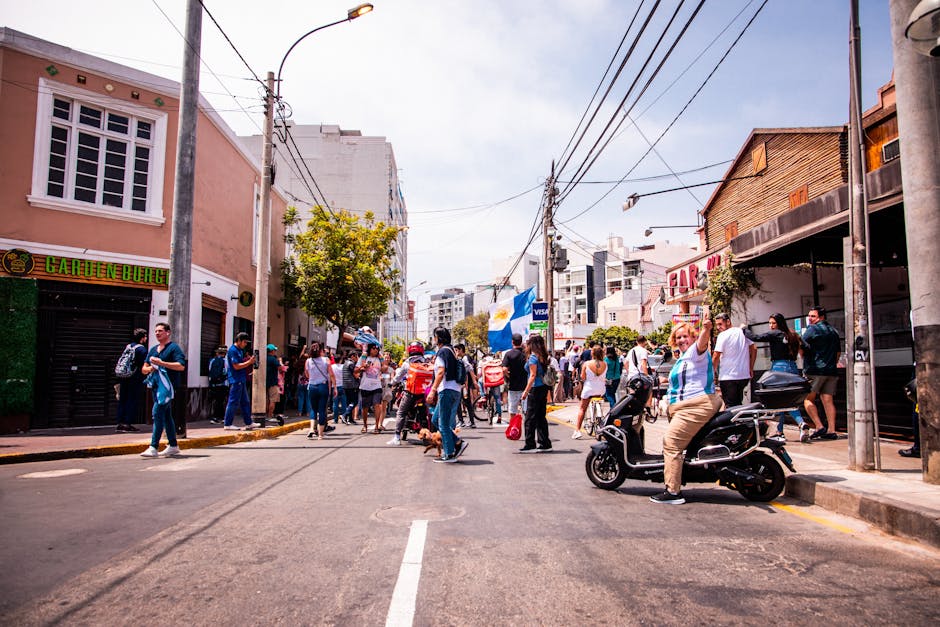
Experience Lima’s nighttime glow on this self-guided stroll through historic plazas, grand museums, and the record-breaking Magic Water Circuit.
 Easy
EasyLima, Peru
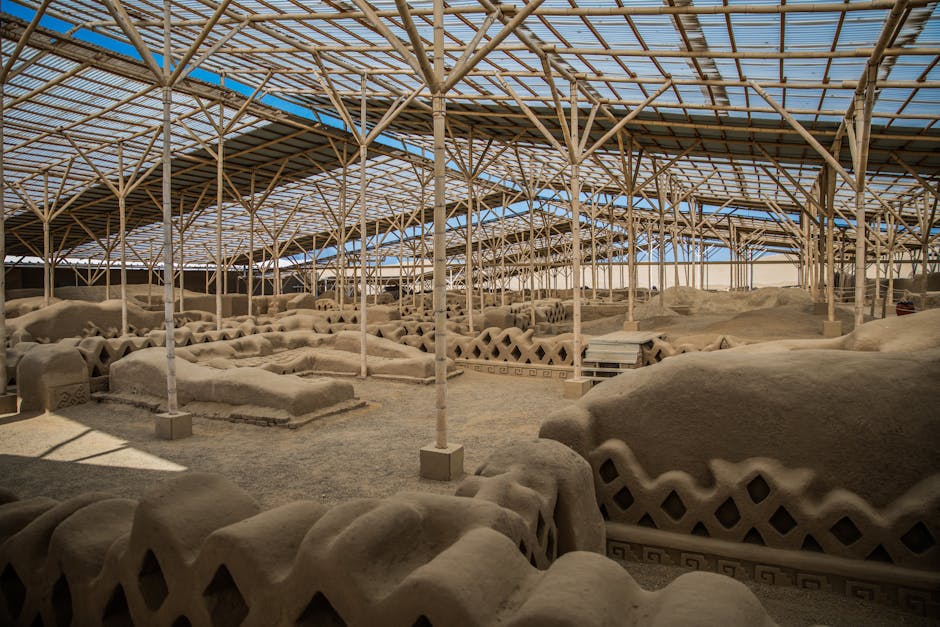
Explore the 1,500-year-old pyramid of Huaca Pucllana and the vibrant feline-filled parks of modern Miraflores.
 Easy
EasyLima, Peru
Discover Lima's authentic food scene and local markets on this flavor-focused self-guided walk through Surquillo and the city's hidden culinary hubs.