Self-guided audio tour in Cusco
Start Free on iPhone
Start free on iPhone to unlock this self-guided walking tour in Cusco. Hear all the stories that make it amazing, walk at your own pace, and begin whenever you want.
Your Private Tour Guide
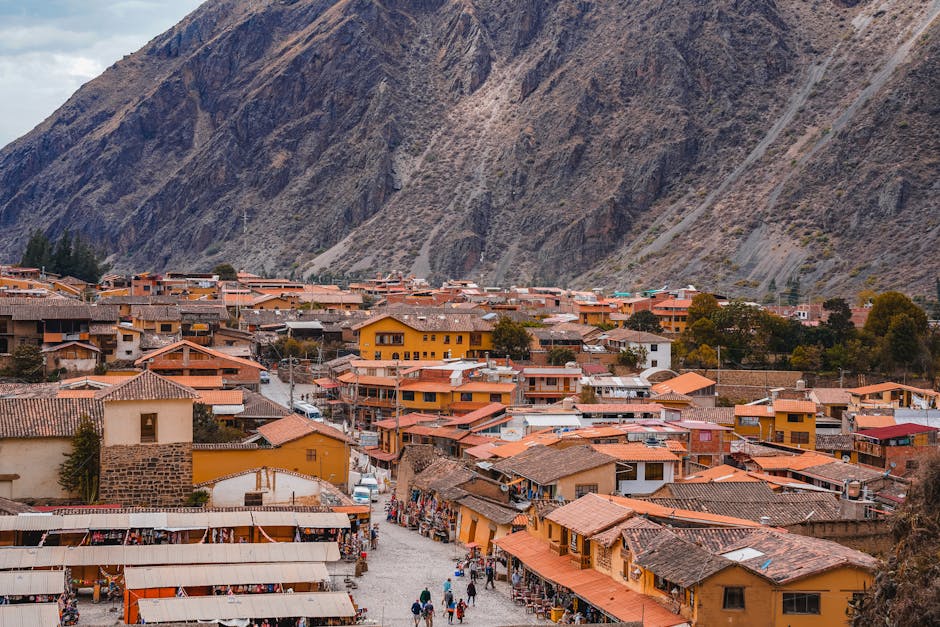
Cusco is a city where every thread tells a story. As you wander through the cobblestone streets of the historic center, you aren't just seeing a city; you are witnessing a living tradition that spans millennia. This self-guided walk invites you to explore the intricate world of Andean textiles, from the ancient techniques of the Incas to the contemporary masterpieces of modern weavers. In Cusco, textiles are more than just fabric—they are a language of identity, social status, and spiritual connection to the Pachamama (Mother Earth). This neighborhood stroll takes you from the bustling Avenida El Sol into the heart of the San Blas artisan district, uncovering the secrets of natural dyes and the complex geometry of the backstrap loom. Along this walking route, you will encounter the Traditional Textile Center of Cusco, where weavers from remote communities demonstrate their craft, and the Museo Maximo Laura, which showcases world-renowned contemporary tapestries. You will also discover the Sagrado Garden, a peaceful spot where the very plants used to create vibrant colors are grown. Exploring independently allows you to linger at the looms or dive deep into the history of the Casa Concha. This walking tour Cusco offers a unique perspective on the city's artistic soul, far beyond the typical tourist path. Whether you are a textile enthusiast or a curious traveler, this journey through Cusco's woven history provides a profound look at how the past is literally woven into the present. End your walk in the vibrant San Blas market, a local favorite for authentic crafts and a perfect place to reflect on the artistry you've witnessed.
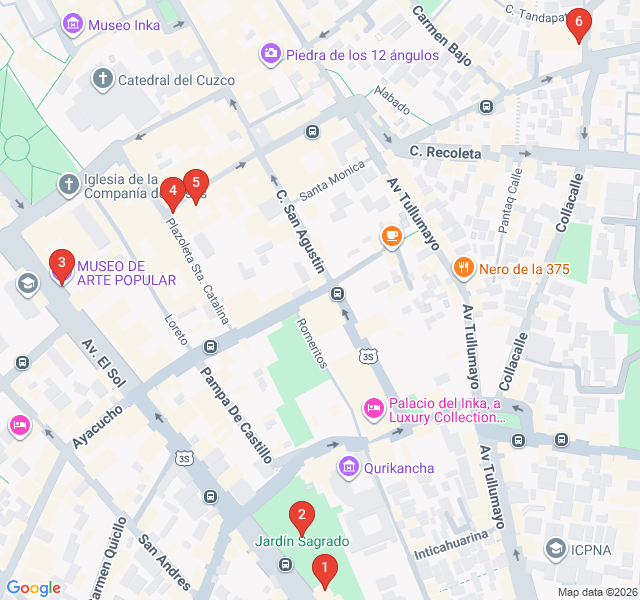
Numbers indicate the order of stops on the tour.
Start your self-guided adventure at the Centro de Textiles Tradicionales del Cusco on Avenida El Sol. This isn't just a shop; it's a non-profit organization dedicated to preserving 2,000 years of weaving traditions. Inside, you will often find weavers from various Highland communities, such as Chinchero or Pitumarca, working on backstrap looms. Notice the distinct patterns—each community has its own specific 'pallay' or designs that represent local flora, fauna, or history. The center was founded to ensure these complex techniques weren't lost to industrialization. Take a moment to observe the spinning process using a 'pushka' or drop spindle, a skill mastered from childhood.
A short walk away lies the Sagrado Garden, a hidden green space that highlights the botanical side of textile production. Before the advent of synthetic pigments, every color in an Andean textile came from nature. Here, you can see plants like the 'Ch'illca' bush, used for greens and yellows, or the indigo plant for blues. Look for the prickly pear cactus, which hosts the cochineal insect. When crushed, these tiny insects produce a brilliant scarlet red that was once so valuable it was exported globally. This garden connects the art of weaving back to the land, showing how deeply the craft is rooted in the local ecosystem.
Located in the basement of the municipal building, the Museo de Arte Popular offers a broader look at Cusco's creative output. While textiles are a primary focus, this museum places them alongside other folk arts like ceramics, 'retablos' (devotional altarpieces), and the famous long-necked 'Niño Manuelito' figurines. The collection showcases how Spanish colonial influences merged with indigenous techniques to create a unique 'Mestizo' style. Look for the prize-winning pieces from local festivals, which demonstrate how traditional motifs continue to evolve in the hands of modern Cusco artisans. It is a testament to the city's enduring status as the artistic capital of Peru.
Step into the world of Maximo Laura, a Living National Treasure of Peru. This museum is a vibrant explosion of color and texture. Laura is a master weaver who has taken the traditional horizontal loom and pushed it into the realm of fine art. His tapestries are known for their incredible depth, created through a unique 'butterfly' technique of blending yarn colors. The imagery often depicts Andean mythology, featuring llamas, condors, and the sun god Inti, but rendered with a contemporary, almost psychedelic flair. It is a perfect example of how ancient heritage can be transformed into a modern global language.
This beautiful colonial manor, built over the palace of the Inca Puka Marka, houses artifacts returned from Yale University. While many come for the bronze and stone tools, the textile fragments are equally fascinating. These remnants offer a glimpse into the high-status garments worn by the Inca nobility at Machu Picchu. The 'tocapu'—geometric squares found on Inca tunics—acted almost like a heraldic code, indicating the wearer's rank and origin. Walking through these halls, you can feel the layers of history, from the sturdy Inca stonework at the base to the ornate wooden balconies above, mirroring the layers of meaning in the textiles themselves.
Conclude your neighborhood stroll at the Mercado San Blas. Unlike the massive San Pedro market, this one is smaller and more intimate, reflecting the bohemian spirit of the San Blas district. Here, you can find local weavers selling their wares directly. It’s an excellent place to see everyday textiles used by locals, from 'licllas' (carrying cloths) to colorful belts. Grab a fresh juice at one of the stalls and soak in the atmosphere. You are now in the heart of the artisan quarter, surrounded by the workshops of famous families who have lived and breathed Cusco’s artistic heritage for generations.
Start Free on iPhone
Explore “Woven History: Cusco’s Textile Heritage” with your very own Private Tour Guide with Zigway. Start free on iPhone, skip the large group and the fixed routes, and hear the city come alive as you go.
Your Private Tour Guide
Don't miss the good stuff
Explore Freely
 Easy
EasyCusco, Peru
Discover the rich flavors of Cusco on this self-guided walk through the city's best artisanal coffee shops and chocolate workshops.
 Moderate
Cusco, Peru
Uncover Cusco's hidden hydraulic history on this self-guided stroll through ancient canals and colonial aqueducts.
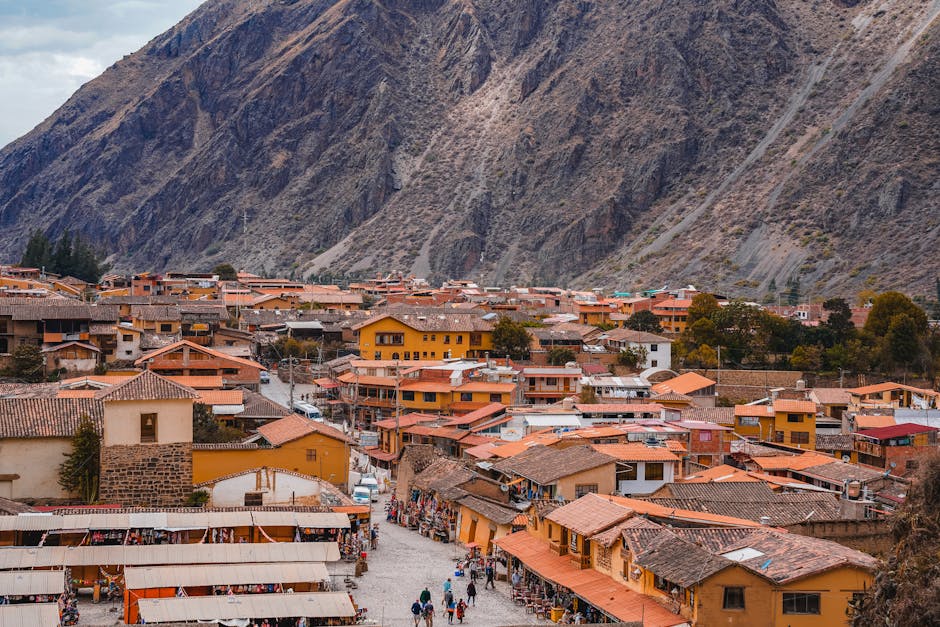 Easy
EasyCusco, Peru
Experience Cusco’s vibrant nightlife on this self-guided walk through legendary pubs, pisco lounges, and hidden gems in the Historic Center.
 Moderate
Cusco, Peru
Explore Cusco's creative pulse on this self-guided walk through the bohemian San Blas and the vibrant mural-filled streets of Lucrepata.
 Easy
EasyNairobi, Kenya
Discover Nairobi’s literary soul on this self-guided walk through historic libraries, iconic bookshops, and cultural centers in the heart of the CBD.
 Easy
EasyWarsaw, Poland
Discover the hidden courtyards and grand pre-war architecture of Warsaw's most atmospheric neighborhood on this self-guided stroll.
 Moderate
Nairobi, Kenya
Discover the pulse of Nairobi's contemporary art scene on this self-guided walk through the galleries and creative spaces of Kilimani.
 Easy
EasyKrakow, Poland
Discover Krakow’s creative soul in Zabłocie, exploring industrial heritage, contemporary art museums, and avant-garde architecture at your own pace.
 Moderate
Lima, Peru
Discover a vibrant fusion of 18th-century military history and world-class street art on this self-guided walk through Lima's historic port.
 Easy
EasyLima, Peru
Experience Lima’s nighttime glow on this self-guided stroll through historic plazas, grand museums, and the record-breaking Magic Water Circuit.
 Easy
EasyLima, Peru
Explore the 1,500-year-old pyramid of Huaca Pucllana and the vibrant feline-filled parks of modern Miraflores.
 Easy
EasyLima, Peru
Discover Lima's authentic food scene and local markets on this flavor-focused self-guided walk through Surquillo and the city's hidden culinary hubs.