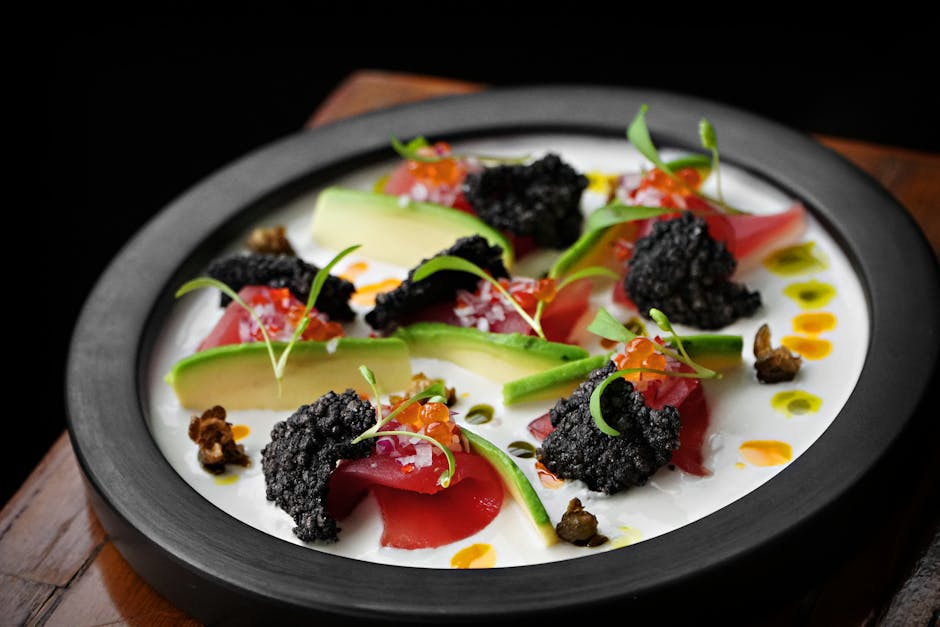
Self-guided audio tour in Lima
Start Free on iPhone
Start free on iPhone to unlock this self-guided walking tour in Lima. Hear all the stories that make it amazing, walk at your own pace, and begin whenever you want.
Your Private Tour Guide
Embark on a sensory journey through the heart of Lima’s culinary soul with this self-guided walking route. While many visitors stick to the polished streets of Miraflores, this adventure takes you into Surquillo and beyond, where the real flavors of Peru come alive. This neighborhood stroll connects the dots between traditional markets, legendary 'huariques' (hidden gem eateries), and the vibrant street life that defines the capital. You will begin in Surquillo, a district known as the larder of Lima, where chefs from the world's top restaurants source their ingredients. The route highlights the incredible biodiversity of the Andes and the Amazon, reflected in the piles of exotic fruits and fresh seafood you will encounter. As you explore independently, you will witness the transition from the bustling stalls of Mercado No. 2 to the historic grandeur of Central Lima. This walking tour Lima experience is designed for those who want to see the city through its stomach. You will pass by iconic institutions like Siete Sopas, where the soup culture of Peru is celebrated 24/7, and venture toward the historic center to see how colonial architecture meets modern gastronomy. Unlike a standard guided tour Lima, this route allows you to linger over a ceviche or take a detour into a local flower market without a fixed schedule. From the coastal influence in Surquillo to the deep-rooted traditions in Pueblo Libre and the northern reaches of the city, this route offers a comprehensive look at Limeño life. You will discover the stories behind the 'Picanterías' and the evolution of Peruvian fusion. Whether you are a first-time visitor or a repeat traveler, this self-guided walk provides an authentic lens into the daily rhythms of the city. Prepare to navigate through colorful displays, aromatic spices, and the rhythmic calls of market vendors on this unforgettable urban odyssey. **Note:** This area is known for its ever-changing character. Street art, pop-up venues, and temporary exhibitions may differ from what's described. That's part of the adventure - you might discover something entirely new!
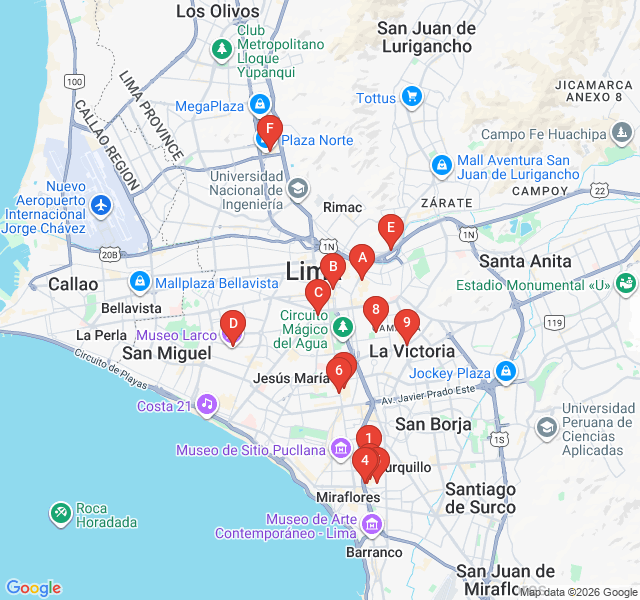
Numbers indicate the order of stops on the tour.
Welcome to Mercado No. 2, the beating heart of Surquillo. Often called the 'pantry of Lima,' this market is where the city's culinary magic begins. As you walk through the aisles, notice the sheer variety of potatoes—Peru has over 3,000 types! Look for the fruit stalls displaying lucuma, which tastes like maple and sweet potato, or the chirimoya, described by Mark Twain as 'deliciousness itself.' This is a working market, so expect a lively atmosphere of locals doing their daily shopping. It’s the perfect place to start your self-guided walk by grabbing a fresh 'jugo surtido' (mixed juice) and observing the incredible seafood arriving fresh from the Pacific.
Just a short walk from the market, you’ll find La Picantería. This isn't just a restaurant; it’s a revival of the traditional communal dining rooms of northern Peru. Founded by renowned chef Hector Solís, this spot focuses on 'picante' (spicy) dishes and the catch of the day. The menu depends entirely on what the fishermen brought in this morning. The atmosphere here is intentionally rustic, with long shared tables meant to encourage conversation. While the high-end restaurants of Lima get the global awards, places like this are where the soul of Peruvian cooking resides, celebrating regional recipes that have been passed down for generations.
Bam Bam is a local legend in Surquillo. This 'cevicheria' gained fame for its 'Conchas Negras' or black clams, which are harvested from the mangroves of Tumbes in the far north of Peru. The owner, often seen around the shop, won the 'Best Ceviche' award at the Mistura food festival, which is no small feat in a city obsessed with raw fish. The dark, briny juice of the black clams is said to be a powerful aphrodisiac, often called 'levanta muertos' (raise the dead). The vibe here is casual and loud, capturing the quintessential Limeño lunch experience.
Continuing through the district, you reach Mercado 1. While Mercado 2 is more famous among foodies, Mercado 1 is a more traditional, neighborhood-oriented space. It’s located near the border of Miraflores and Surquillo, making it a symbolic bridge between the modern tourist areas and the gritty, authentic residential zones. Here, you can find everything from household goods to specific herbs used in Andean folk medicine. Take a moment to look at the 'comedores populares'—small stalls serving fixed-price lunches (menús) to workers. It’s a great spot to see the socioeconomic diversity of Lima in a single block.
This street serves as a transition point. As you walk along Narciso de la Colina, you’ll notice the urban landscape changing. Surquillo was once part of Miraflores until it became its own district in the mid-20th century. This area is now seeing a wave of revitalization, with small coffee shops and craft beer bars popping up alongside traditional mechanics' shops and hardware stores. It represents the 'new Lima'—a city that is rapidly modernizing but still holds onto its industrial and residential roots. Observe the street art that often decorates the walls here, reflecting local pride and contemporary Peruvian culture.
Located in the Lince district, Siete Sopas is a phenomenon. In Lima, soup is not just a starter; it’s a lifestyle. This restaurant is famous for having a different 'soup of the day' for every day of the week, though their 'Caldo de Gallina' (hen soup) is a constant favorite. Even at 3:00 AM, you might find a line of people waiting for a steaming bowl of broth and fresh bread baked in their wood-fired ovens. It’s a testament to the Peruvian love for hearty, comforting food. The bright, bustling interior and the view of the open kitchen make it a must-see landmark on any culinary route.
Mercado Lobaton is the heart of the Lince neighborhood. Smaller and more intimate than the Surquillo markets, it offers a glimpse into a district that is often overlooked by travelers. Lince is one of the most densely populated areas of Lima and has a rich history as a middle-class hub. Inside the market, you’ll find incredible 'cremas' (sauces) and local cheeses brought in from the highlands. The vendors here are known for their friendliness, often offering a 'yapa'—a little bit extra for free—to their regular customers. It’s a peaceful place to experience the slower side of Lima’s market culture.
Now we move to La Victoria, a district with a tough reputation but an even stronger culinary heart. Mi Barrunto is located right next to the Alejandro Villanueva Stadium, home to the Alianza Lima football club. This restaurant is a temple to both seafood and soccer. It started as a small family business and grew into a massive multi-story establishment frequented by famous athletes and musicians. The walls are covered in sports memorabilia. Trying their ceviche or 'arroz con mariscos' here is a rite of passage for many Limeños, especially on game days when the energy of the neighborhood is electric.
The intersection of Avenida México and Avenida Aviación is a chaotic, vibrant hub of transport and commerce. This area is a major transit artery for the city. While it may seem overwhelming, it is a fascinating place to observe the 'chicha' culture of Lima—a term used to describe the fusion of Andean traditions with the urban coastal environment. You’ll see colorful posters for cumbia concerts and street vendors selling everything from 'emoliente' (a medicinal herbal drink) to 'anticuchos' (grilled beef hearts). It’s a raw, unfiltered look at the logistical engine that keeps Lima moving.
Entering the Historic Center, we reach Mercado Central. This is the largest market in Lima, covering several city blocks. It’s a dizzying maze of textiles, toys, food, and household goods. Adjacent to Chinatown (Calle Capón), the market area is where the scents of ginger and soy sauce mix with traditional Peruvian spices. The 'Chifa' (Peruvian-Chinese) influence is palpable here. Historically, this area was the commercial center of the Spanish colonial city. Today, it remains a place where you can find almost anything imaginable. Keep a close eye on your belongings here, as the crowds can be intense, but the energy is unmatched.
In the midst of the bustling downtown, Casa Tambo offers a moment of colonial elegance. This beautifully restored 18th-century 'casona' (mansion) showcases the architectural grandeur of old Lima. With its high ceilings, intricate woodwork, and interior courtyards, it serves as a bridge between the city’s vice-regal past and its gastronomic present. The restaurant serves refined versions of classic Limeño dishes, allowing you to appreciate the history of the building while enjoying the flavors that have evolved over centuries. It’s a stark, beautiful contrast to the raw energy of the street markets you’ve just visited.
While Lima is on the coast, it is home to millions of people from the Andes. Brisas del Titicaca is a cultural institution dedicated to the music and dance of the Puno region and the Lake Titicaca area. This association plays a vital role in preserving and sharing the folkloric traditions of the highlands. Depending on when you pass by, you might hear the sounds of panpipes or see dancers practicing the 'Diablada' in vibrant costumes. It’s a reminder that Lima is a 'melting pot' of all Peruvian cultures, not just its own coastal heritage.
Located in the Pueblo Libre district, the Larco Museum is housed in an 18th-century vice-regal mansion built over a 7th-century pre-Columbian pyramid. The cafe here is famous for its stunning garden setting, surrounded by bougainvillea and overlooks the museum’s courtyard. It’s a peaceful oasis away from the city’s noise. While the museum itself holds an incredible collection of pre-Columbian art, the cafe is a destination in its own right for its 'picarones' (pumpkin and sweet potato doughnuts) and pisco cocktails. It’s the perfect spot to reflect on the deep layers of history that make up modern Peru.
Before we head north, we stop at the flower market. JP Distribuidor Floral is part of a massive complex where flowers from all over Peru arrive every morning. From the roses of the highlands to the exotic blooms of the jungle, the colors and scents here are overwhelming. This is where the city’s florists and event planners come to buy in bulk. It’s a side of Lima’s commerce that most visitors never see—a thriving, beautiful, and highly organized industry that operates in the early hours of the morning but stays vibrant throughout the day.
Our journey concludes at Plaza Norte in the Independencia district. This is one of the largest shopping and transport hubs in South America. It represents the 'Conos'—the suburban areas of Lima that have seen explosive growth and economic development in recent decades. Plaza Norte is more than a mall; it’s a social center with theaters, a cultural center, and a major bus terminal connecting Lima to the rest of the country. Standing here, you are at the heart of the modern, aspirational Lima that is driving the country forward. It’s a far cry from the colonial center, but just as essential to understanding the city today.
Start Free on iPhone
Explore “Surquillo Market Flavors and Local Life” with your very own Private Tour Guide with Zigway. Start free on iPhone, skip the large group and the fixed routes, and hear the city come alive as you go.
Your Private Tour Guide
Don't miss the good stuff
Explore Freely
 Moderate
Lima, Peru
Discover a vibrant fusion of 18th-century military history and world-class street art on this self-guided walk through Lima's historic port.
 Easy
EasyLima, Peru
Experience Lima’s nighttime glow on this self-guided stroll through historic plazas, grand museums, and the record-breaking Magic Water Circuit.
 Easy
EasyLima, Peru
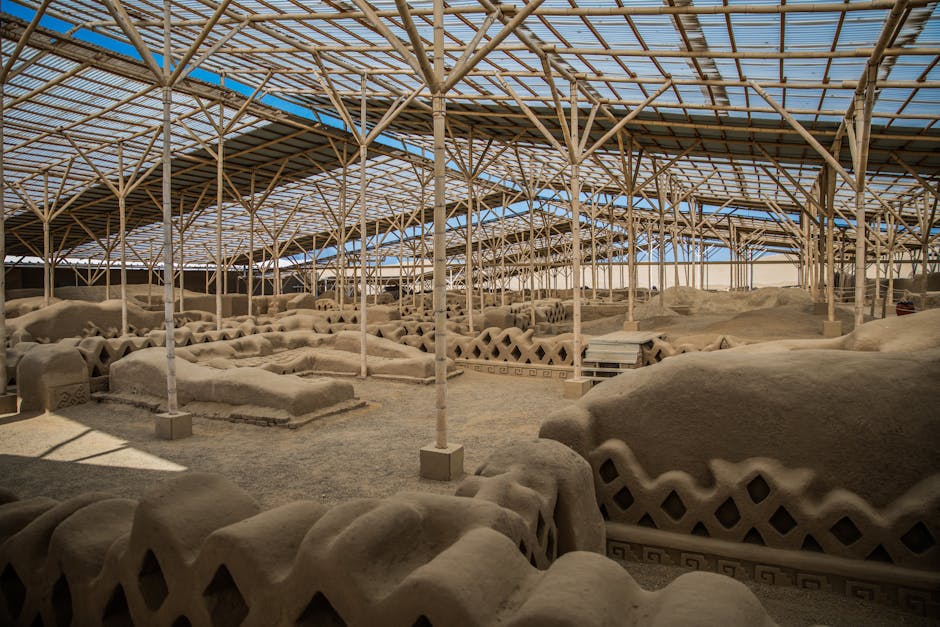
Explore the 1,500-year-old pyramid of Huaca Pucllana and the vibrant feline-filled parks of modern Miraflores.
 Easy
EasyLima, Peru
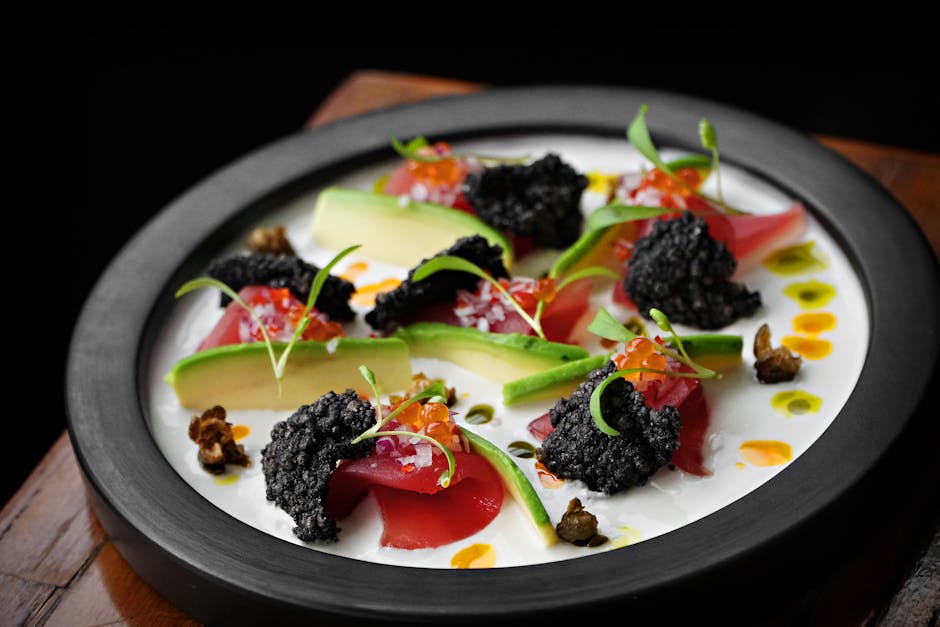
Explore the murals, galleries, and romantic legends of Lima's most artistic district on this self-guided audio walk through bohemian Barranco.
 Moderate
Nairobi, Kenya
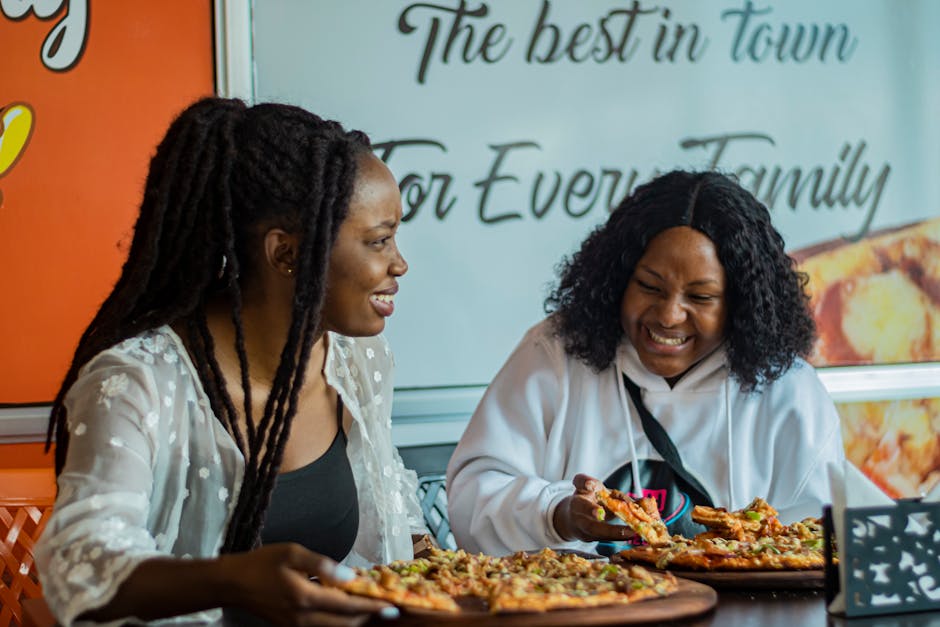
Taste your way through Nairobi's Westlands on this self-guided walk featuring street snacks, cultural landmarks, and hidden foodie gems.
 Moderate
Nairobi, Kenya
Discover the pulse of Nairobi's contemporary art scene on this self-guided walk through the galleries and creative spaces of Kilimani.
 Moderate
Helsinki, Finland
Explore Helsinki's bohemian heart. Discover historic saunas, granite churches, and the vibrant local life of the Kallio neighborhood at your own pace.
 Moderate
Nairobi, Kenya
Discover the creative soul of Nairobi on this self-guided walk through the city's premier art galleries, markets, and artisan workshops.
 Easy
EasyCusco, Peru
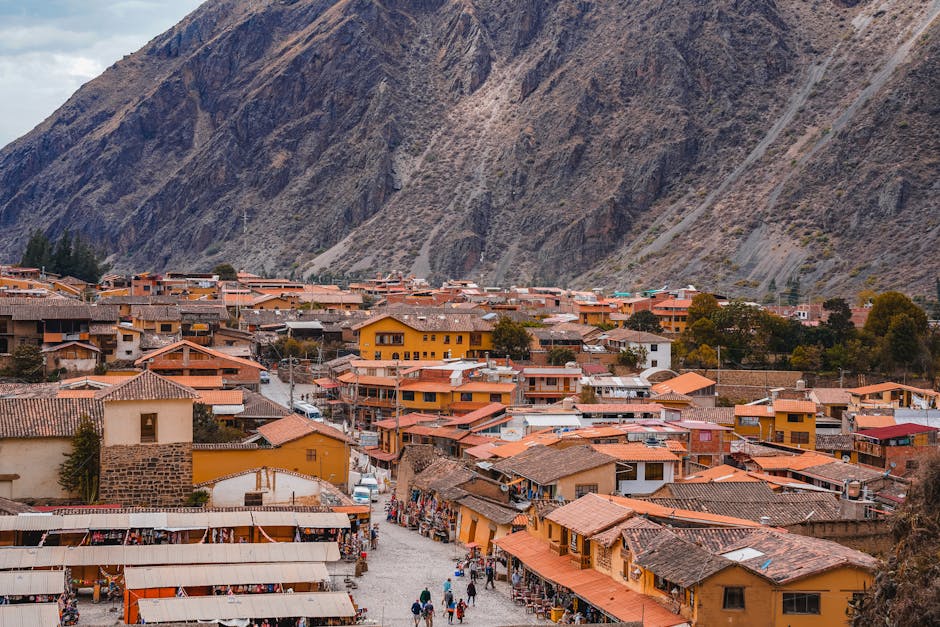
Discover the vibrant world of Andean weaving on this self-guided walk through Cusco’s historic center and artisan quarters.
 Easy
EasyCusco, Peru
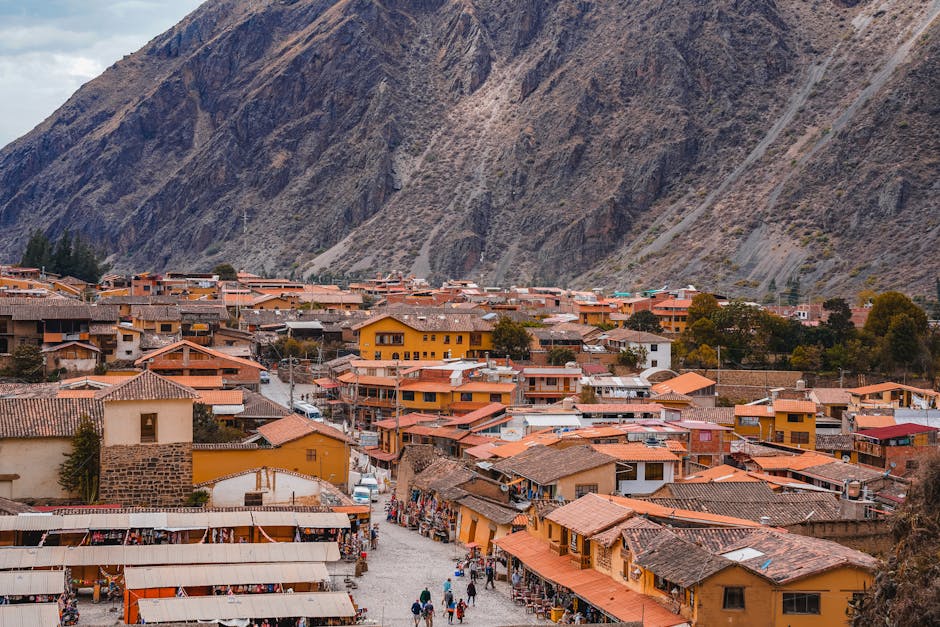
Discover the rich flavors of Cusco on this self-guided walk through the city's best artisanal coffee shops and chocolate workshops.
 Moderate
Cusco, Peru
Uncover Cusco's hidden hydraulic history on this self-guided stroll through ancient canals and colonial aqueducts.
 Easy
EasyCusco, Peru
Experience Cusco’s vibrant nightlife on this self-guided walk through legendary pubs, pisco lounges, and hidden gems in the Historic Center.