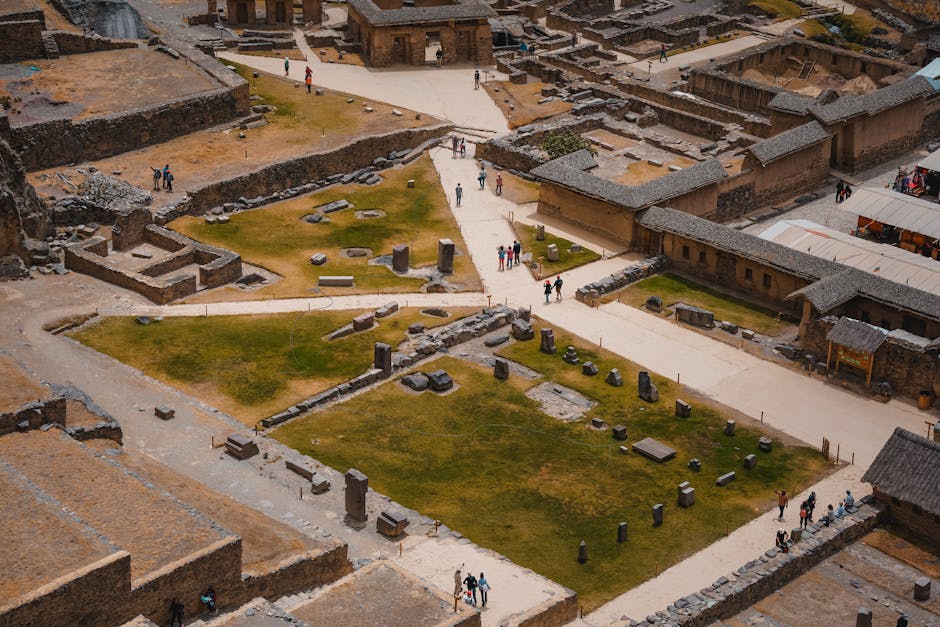
Self-guided audio tour in Cusco
Start Free on iPhone
Start free on iPhone to unlock this self-guided walking tour in Cusco. Hear all the stories that make it amazing, walk at your own pace, and begin whenever you want.
Your Private Tour Guide
Cusco was once a city defined by the sacred flow of water. To the Incas, water, or 'Yaku', was a living deity, a source of life that required sophisticated engineering and deep spiritual reverence. This self-guided walk invites you to look beneath the modern pavement and colonial stones to discover the hidden hydraulic heart of the Imperial City. Long before the Spanish arrival, Cusco was designed in the shape of a puma, positioned strategically between two rivers: the Saphy and the Tullumayo. Today, these rivers flow mostly underground, but their influence remains etched into the city's layout and architecture. On this neighborhood stroll, you will begin at the monumental fountain of La Paccha, where modern art pays homage to ancient traditions. From there, your walking route traces the path of the Tullumayo River, leading you to the remarkable archaeological site of Kusicancha. Here, you can observe the precise Inca masonry designed to channel water through urban living spaces. As you continue toward the Plaza de Armas, you’ll learn how the city's main square was built over a river confluence, requiring incredible drainage systems that still function today. The final leg of this adventure takes you into the charming San Blas neighborhood and the street of Choqechaka, where the sound of rushing water is never far away. The journey concludes at the stunning Sapantiana Aqueduct, a colonial-era marvel built atop Inca foundations. This hidden gem, often missed by travelers on a standard walking tour Cusco, offers a peaceful retreat and a visual testament to the layers of history that define this Andean capital. Explore independently and at your own pace, uncovering the engineering secrets that allowed the Incas to turn a high-altitude valley into a flourishing empire.
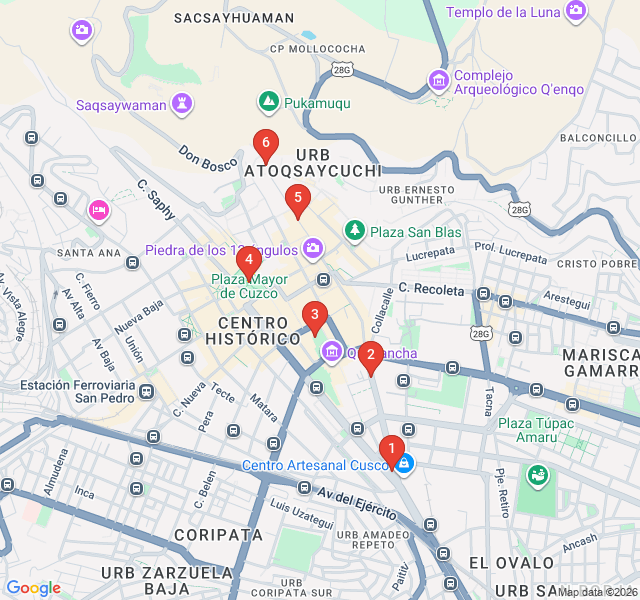
Numbers indicate the order of stops on the tour.
Start your self-guided adventure at La Paccha, the impressive fountain located at the intersection of Avenida El Sol and Avenida Tullumayo. While the structure itself is modern, it serves as a powerful symbol of the 'Pumaqchupan'—the 'Tail of the Puma.' In Inca times, this was the precise point where the Saphy and Tullumayo rivers met, forming the tail of the city's puma-shaped layout. The cascading water honors the Inca goddess Mama Cocha and reminds us that water was the lifeblood of the empire. Take a moment to observe the bronze reliefs depicting Inca cosmology before we follow the path of the ancient riverbed uphill.
As you walk along this street, you are literally walking on top of history. Beneath the asphalt flows the Tullumayo River. Before the Spanish conquest, this river ran openly and was meticulously canalized with high-quality stonework to prevent flooding. The Incas used these channels not just for drainage, but for ritual purification. If you look at the foundations of the buildings on your left, you can still see original Inca walls that once lined the riverbank. This street represents the eastern boundary of the sacred center of Cusco, a boundary defined by the flow of water.
Step into Kusicancha, which translates to 'The House of Joy.' This archaeological complex was an Inca palace and later a center for administrative and religious activity. What makes this stop vital to our water theme is the visible drainage system. Notice the small stone channels carved into the ground that run between the rectangular enclosures. These canals were designed to carry water from the mountains throughout the palace complex with surgical precision. It is a prime example of how the Incas integrated hydraulic engineering into their daily architecture, ensuring that even in the heart of the city, the sound of water was ever-present.
The Plaza de Armas, or Huacaypata, is the heart of Cusco. While it is famous for its colonial cathedrals, its secret lies beneath your feet. To build this massive square, the Incas had to bridge the Saphy River, which flows directly under the western side of the plaza. They used massive stone slabs and logs to create a subterranean channel, effectively 'taming' the river to create a dry, ceremonial space. During the rainy season, you can sometimes hear the muffled roar of the water beneath the stones near the fountain. The plaza wasn't just a meeting place; it was an engineering triumph over the natural landscape.
Climb slightly toward the San Blas district to reach Choqechaka. The name translates to 'Bridge of Gold.' Historically, this was one of the primary bridges crossing the Tullumayo River. Legend says the bridge was once so important it was decorated with gold, though it's more likely it was named for the value of the water it crossed. Today, the street follows the curve of the old riverbed. Look for the 'hidden' canal that still runs alongside some of the houses here. This area retains a bohemian, old-world feel where the ancient Inca masonry still supports the colonial and modern homes of the local artisans.
The final stop on our walking route is the magnificent Sapantiana Aqueduct. This multi-tiered stone structure was built in the colonial era, but look closely at the base: it utilizes the same sophisticated Inca foundations and water-channeling techniques we've seen throughout the city. The aqueduct was designed to bring water from the hills of Sacsayhuaman down into the San Blas neighborhood. It is one of Cusco's most photogenic and peaceful spots, featuring a small waterfall that flows through the stone arches. It serves as a perfect final monument to the enduring legacy of Cusco’s secret waterways.
Start Free on iPhone
Explore “The Secret Waterways of the Incas” with your very own Private Tour Guide with Zigway. Start free on iPhone, skip the large group and the fixed routes, and hear the city come alive as you go.
Your Private Tour Guide
Don't miss the good stuff
Explore Freely
 Easy
EasyCusco, Peru
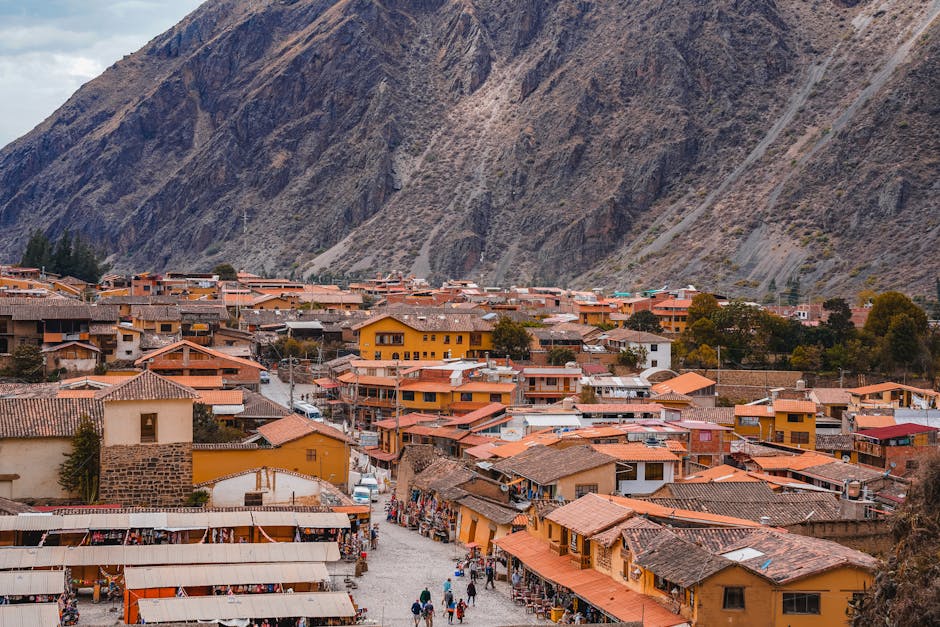
Discover the vibrant world of Andean weaving on this self-guided walk through Cusco’s historic center and artisan quarters.
 Easy
EasyCusco, Peru
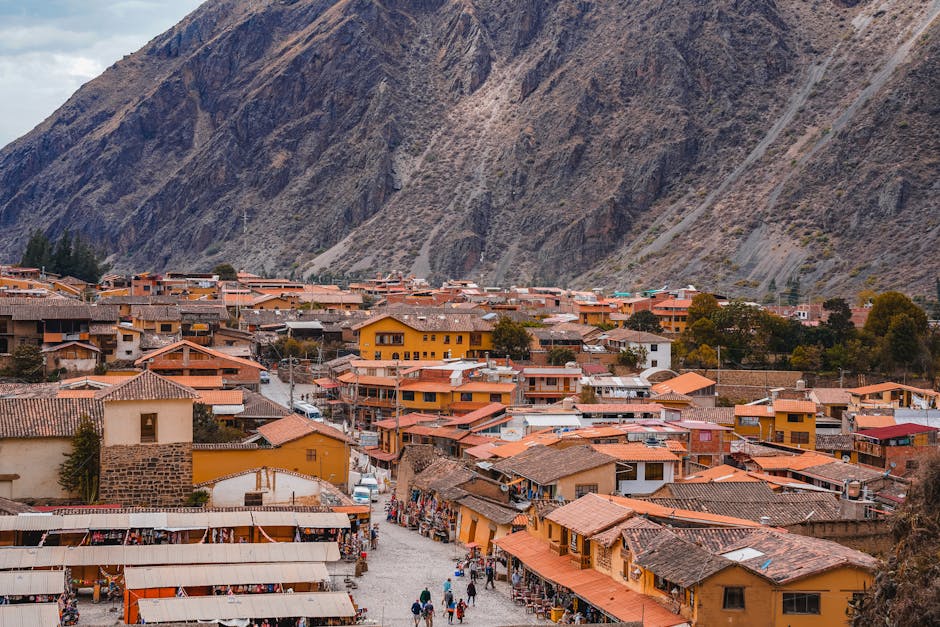
Discover the rich flavors of Cusco on this self-guided walk through the city's best artisanal coffee shops and chocolate workshops.
 Easy
EasyCusco, Peru
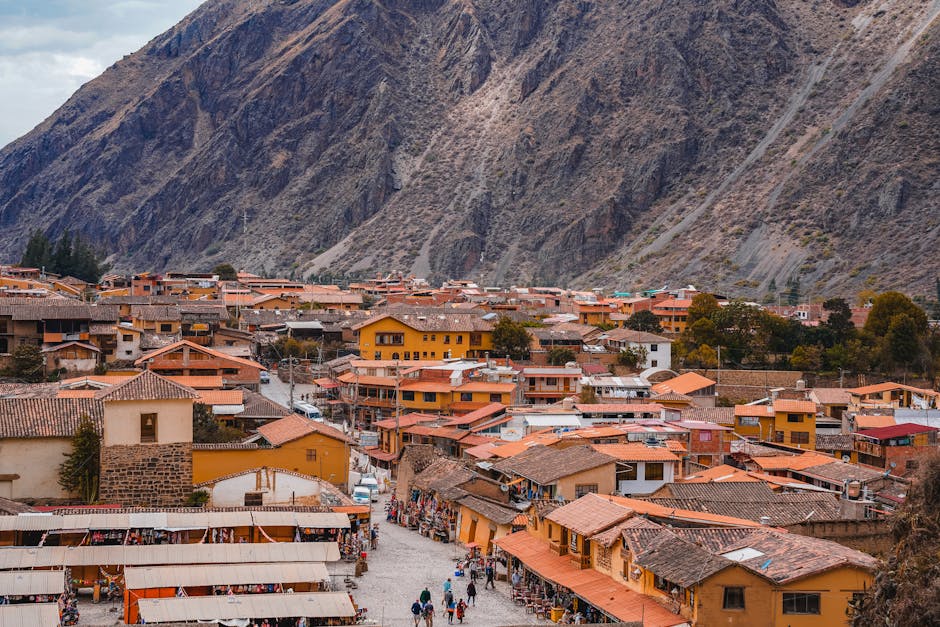
Experience Cusco’s vibrant nightlife on this self-guided walk through legendary pubs, pisco lounges, and hidden gems in the Historic Center.
 Moderate
Cusco, Peru
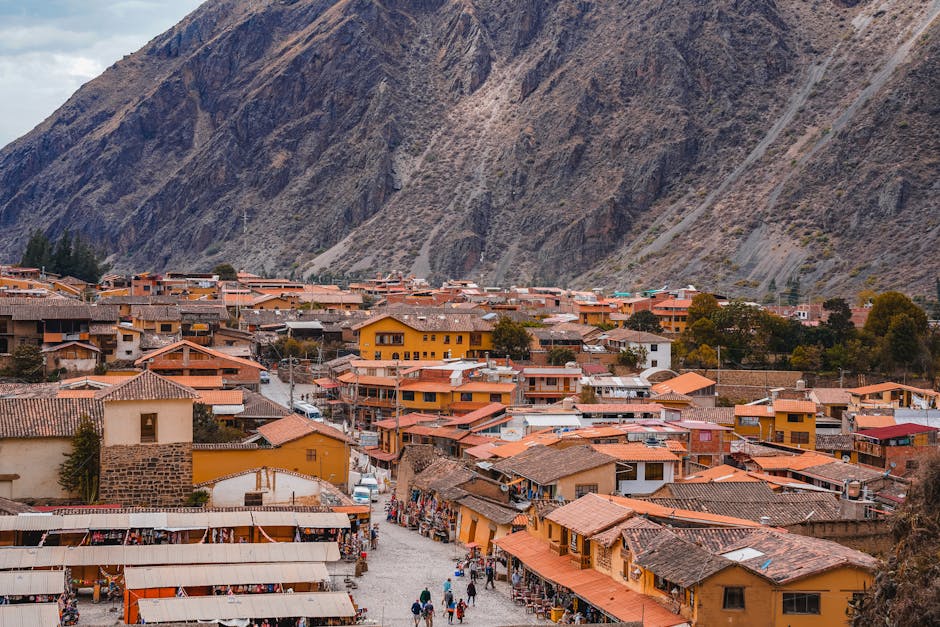
Explore Cusco's creative pulse on this self-guided walk through the bohemian San Blas and the vibrant mural-filled streets of Lucrepata.
 Moderate
Vienna, Austria
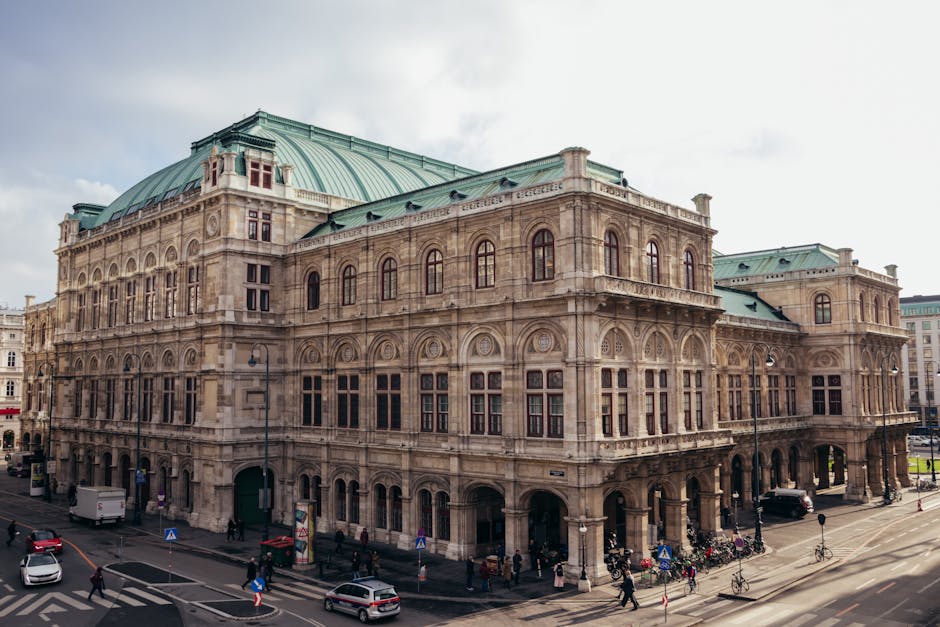
Discover the noir world of The Third Man and Cold War Vienna on this atmospheric self-guided audio walk through the historic Innere Stadt.
 Easy
EasyWarsaw, Poland
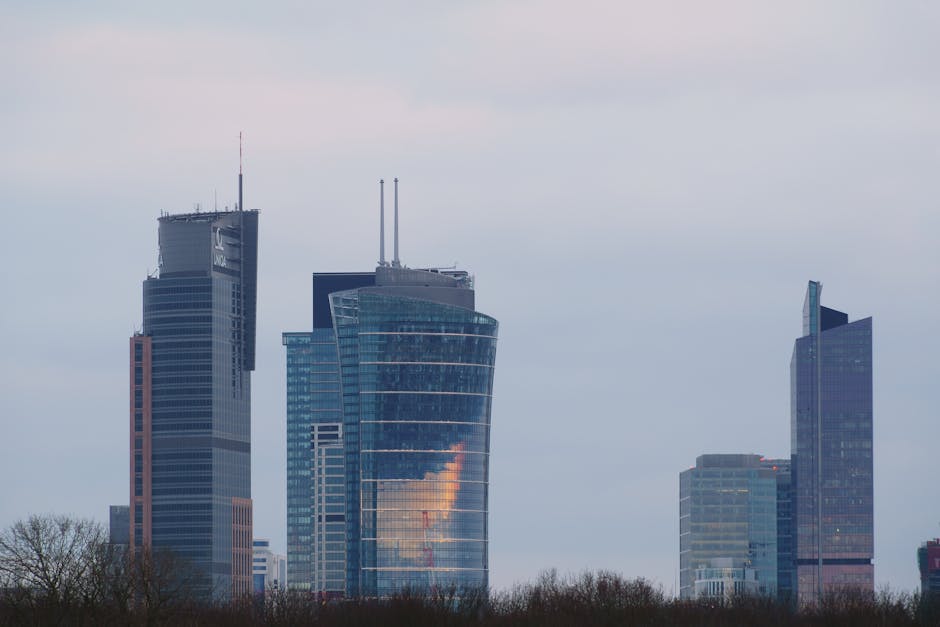
Discover the hidden courtyards and grand pre-war architecture of Warsaw's most atmospheric neighborhood on this self-guided stroll.
 Easy
EasySalzburg, Austria
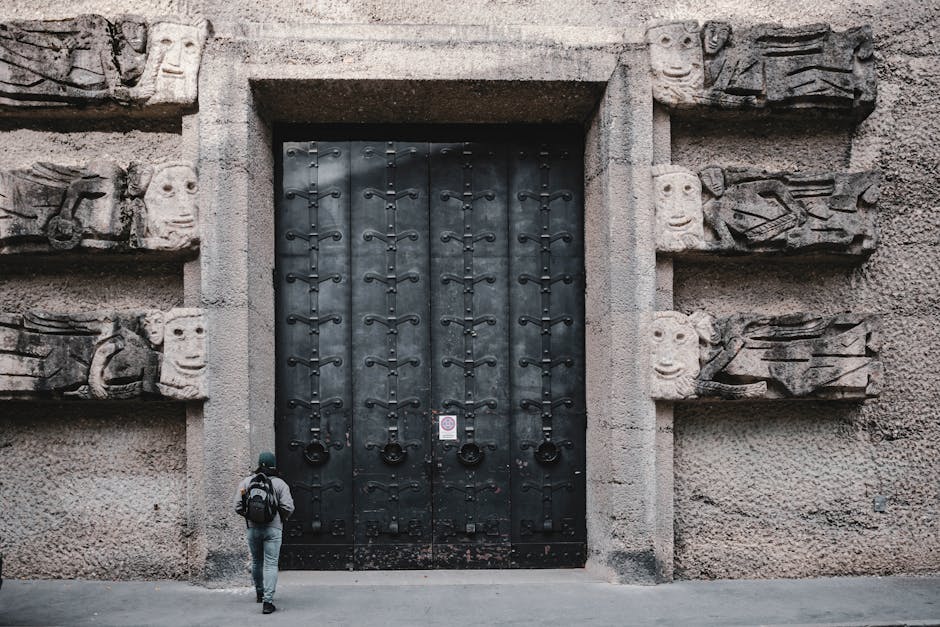
Discover Salzburg's oldest medieval alley, the birthplace of the 'Silent Night' author, and breathtaking views on this quiet self-guided walk.
 Easy
EasyHelsinki, Finland
Discover Helsinki's oldest neighborhood on this self-guided audio walk through Kruununhaka’s historic streets, hidden courtyards, and scenic shores.
 Moderate
Lima, Peru
Discover a vibrant fusion of 18th-century military history and world-class street art on this self-guided walk through Lima's historic port.
 Easy
EasyLima, Peru
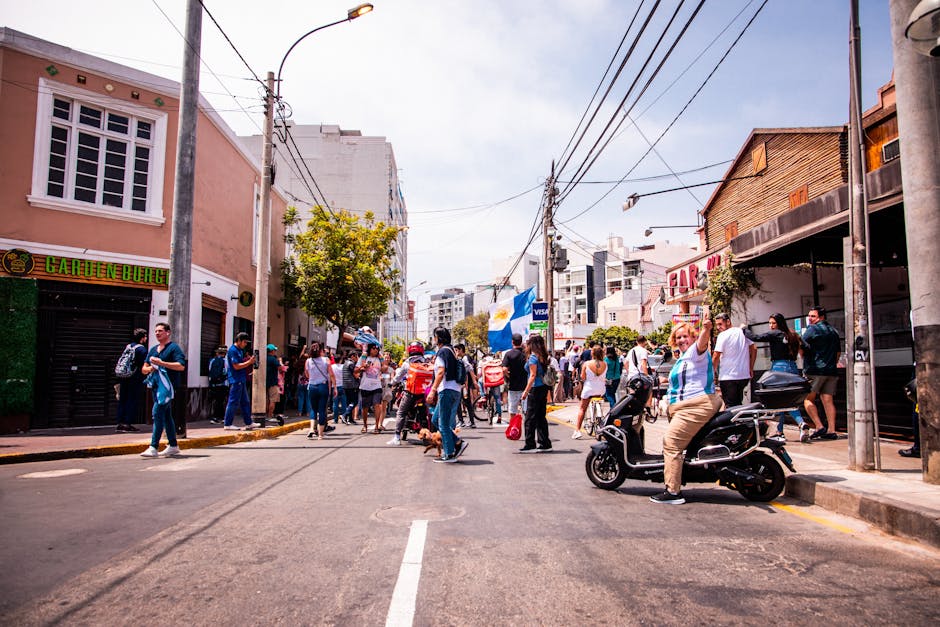
Experience Lima’s nighttime glow on this self-guided stroll through historic plazas, grand museums, and the record-breaking Magic Water Circuit.
 Easy
EasyLima, Peru
Explore the 1,500-year-old pyramid of Huaca Pucllana and the vibrant feline-filled parks of modern Miraflores.
 Easy
EasyLima, Peru
Discover Lima's authentic food scene and local markets on this flavor-focused self-guided walk through Surquillo and the city's hidden culinary hubs.