Self-guided audio tour in Lima
Start Free on iPhone
Start free on iPhone to unlock this self-guided walking tour in Lima. Hear all the stories that make it amazing, walk at your own pace, and begin whenever you want.
Your Private Tour Guide
Step into the "City of Kings," where the echoes of the Spanish Empire still resonate through grand plazas and ornate wooden balconies. This self-guided walk through the Cercado de Lima reveals why the city was once the most important capital in South America. Starting at the expansive Plaza San Martín, you will journey through centuries of architectural evolution, from the austerity of early colonial churches to the opulence of Baroque palaces. The historic center, a UNESCO World Heritage site, is a living museum. As you follow this walking route, you will encounter the Lima Cathedral, where the city’s founder Francisco Pizarro rests, and the Plaza Mayor, the very spot where Peru’s independence was proclaimed. Beyond the major landmarks, this neighborhood stroll invites you to appreciate the intricate details of the mudéjar-style balconies at Torre Tagle and the hidden history within the walls of Casa de Aliaga, the oldest family-owned home in the Americas. Whether you are marvelling at the gold-leaf altars of San Pedro or descending into the chilling catacombs of San Francisco, this experience offers a deep dive into the soul of Lima. It is an essential walking tour Lima offers for those who want to understand the fusion of indigenous and Spanish cultures. Exploring at your own pace allows you to linger in the squares or find a quiet corner for a Pisco Sour. While a guided tour Lima might rush you through these sites, this audio walk provides the freedom to explore independently. This self-guided adventure is the perfect way to witness the colonial architecture that earned Lima its regal title and remains a highlight of any visit to the Peruvian capital.
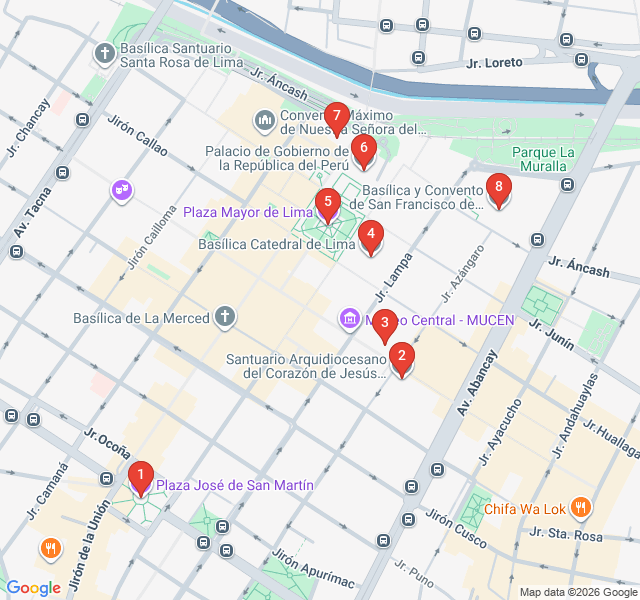
Numbers indicate the order of stops on the tour.
Welcome to Plaza San Martín, an anchor of Lima's historic identity. Inaugurated in 1921 to celebrate the centenary of Peru's independence, this square is a masterpiece of Neoclassical design. At its center stands the monument to General José de San Martín, the liberator of Peru. Look closely at the base of the statue of Madre Patria; a curious legend says the craftsman took the instruction to place a 'flame' (llama) on her head too literally, resulting in a small animal instead of a fire. The surrounding buildings, like the iconic Gran Hotel Bolívar, reflect the Art Nouveau and Beaux-Arts styles that defined Lima’s early 20th-century elegance.
Often overlooked by those sticking only to the main square, the Church of San Pedro is a hidden gem of Jesuit architecture. Completed in 1638, its facade is a sober example of the Baroque style, but the interior is a breathtaking display of gold leaf and intricate carvings. It was once the most important church for Lima’s aristocracy. As you walk through, notice the beautiful tiles and the various side altars that showcase the wealth and religious devotion of the colonial era. The acoustics here are remarkable, often used for sacred music performances that echo through the centuries-old nave.
The Torre Tagle Palace is arguably the finest example of colonial civil architecture in Lima. Built in the early 18th century for the Marquis of Torre Tagle, it is famous for its two magnificent carved dark-wood balconies. These balconies are a hallmark of the 'Limeño' style, featuring 'mashrabiya' or Moorish-influenced latticework that allowed residents to look out onto the street without being seen. While the building now houses the Ministry of Foreign Affairs, the exterior remains a favorite for photographers. Notice the grand stone portal, which blends Spanish Baroque with indigenous influences, creating a unique mestizo aesthetic.
The Cathedral of Lima stands as a symbol of the city's religious heart. Since the first stone was laid by Francisco Pizarro in 1535, the building has been reconstructed several times due to earthquakes, resulting in a fascinating mix of Gothic, Renaissance, and Baroque elements. Inside, the atmosphere is one of solemn grandeur. You can find the tomb of Pizarro himself in a small chapel decorated with mosaics depicting his conquest of the Inca Empire. Don't miss the choir stalls, which are masterpieces of wood carving, and the museum of religious art located within the cathedral's side rooms.
You are now standing in the Plaza Mayor, the birthplace of Lima. This is where the Spanish conquistadors founded the city in 1535. The square is surrounded by the most important symbols of power: the Government Palace, the Cathedral, and the Municipal Palace. In the center sits the bronze fountain, dating back to 1651, which has witnessed centuries of proclamations, executions, and celebrations. This square was the site where General San Martín officially declared Peru's independence in 1821. Take a moment to admire the uniform yellow facades and the consistent colonial style that makes this one of the most beautiful squares in South America.
The Government Palace, also known as the House of Pizarro, serves as the official residence and office of the President of Peru. It occupies the same site where the leader of the conquest built his home over an indigenous palace belonging to Taulichusco. The current building was completed in the 1930s in a French Neo-Baroque style. If you arrive around noon, you might see the Changing of the Guard, a ceremonial display of precision by the presidential guard. The palace gates offer a view of the grand courtyard, where heads of state are received beneath the waving Peruvian flag.
Casa de Aliaga is a unique historical anomaly. It is the oldest house in the Americas that has been continuously inhabited by the same family since 1535. Francisco Pizarro granted this land to Jerónimo de Aliaga, one of his captains, and 17 generations later, the Aliaga family still calls it home. The interior is a journey through time, featuring a stunning colonial courtyard with an ancient ficus tree, a private chapel, and rooms filled with family heirlooms and 16th-century art. It provides an intimate look at the domestic life of Lima's colonial elite that grand public buildings simply cannot match.
Our final stop is the San Francisco Monastery, a world-renowned complex famous for its library and catacombs. The church facade is a brilliant example of Lima Baroque, painted in a striking yellow. Inside, the library holds over 25,000 ancient texts, some dating back to the conquest. However, most visitors come to explore the catacombs beneath the church. These subterranean vaults served as the city's first cemetery until 1808. Thousands of skulls and bones are arranged in geometric patterns in the stone pits. It is a haunting but fascinating conclusion to your exploration of Lima's deep historical layers.
Start Free on iPhone
Explore “Colonial Grandeur: Heart of the City of Kings” with your very own Private Tour Guide with Zigway. Start free on iPhone, skip the large group and the fixed routes, and hear the city come alive as you go.
Your Private Tour Guide
Don't miss the good stuff
Explore Freely
 Moderate
Lima, Peru
Discover a vibrant fusion of 18th-century military history and world-class street art on this self-guided walk through Lima's historic port.
 Easy
EasyLima, Peru
Experience Lima’s nighttime glow on this self-guided stroll through historic plazas, grand museums, and the record-breaking Magic Water Circuit.
 Easy
EasyLima, Peru
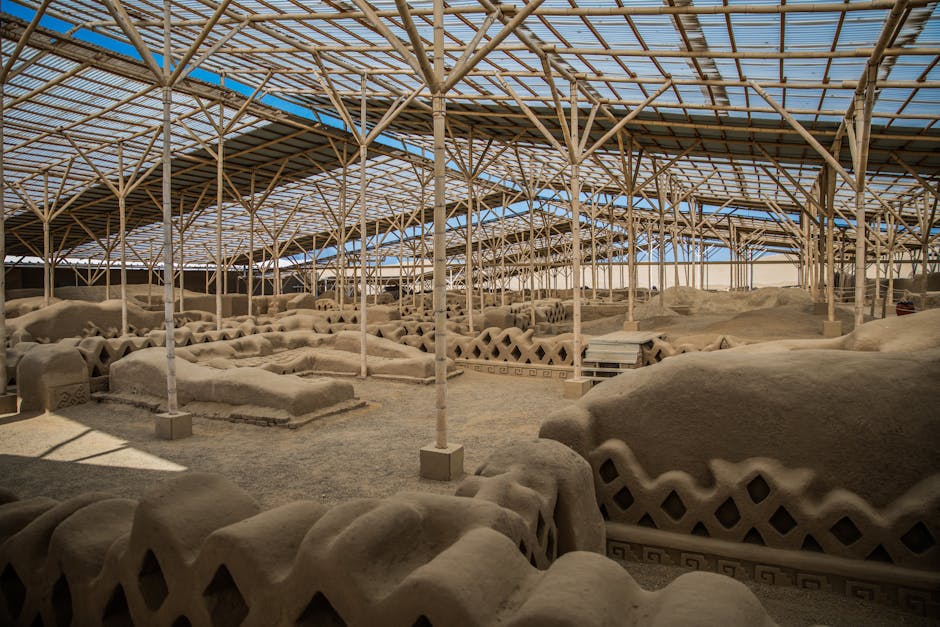
Explore the 1,500-year-old pyramid of Huaca Pucllana and the vibrant feline-filled parks of modern Miraflores.
 Easy
EasyLima, Peru
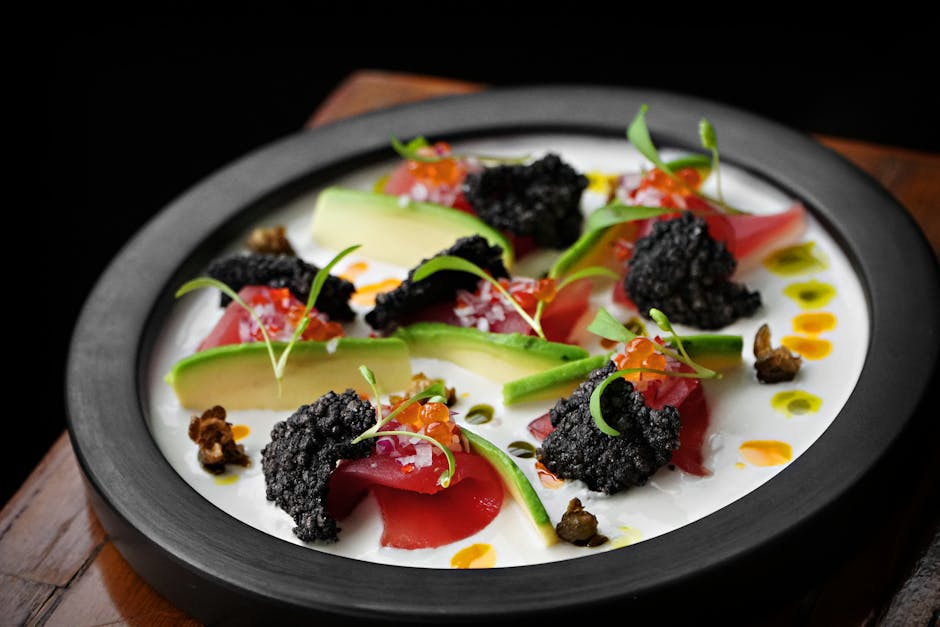
Discover Lima's authentic food scene and local markets on this flavor-focused self-guided walk through Surquillo and the city's hidden culinary hubs.
 Easy
EasyNairobi, Kenya
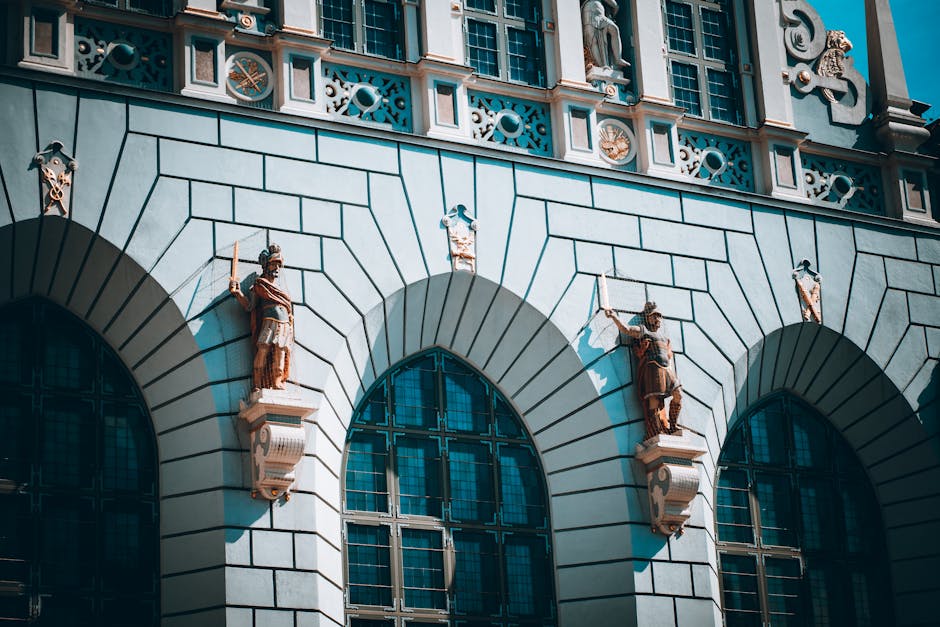
Discover Nairobi's iconic skyline on this self-guided architecture walk through the CBD’s most famous modernist and Brutalist landmarks.
 Easy
EasyGdansk, Poland
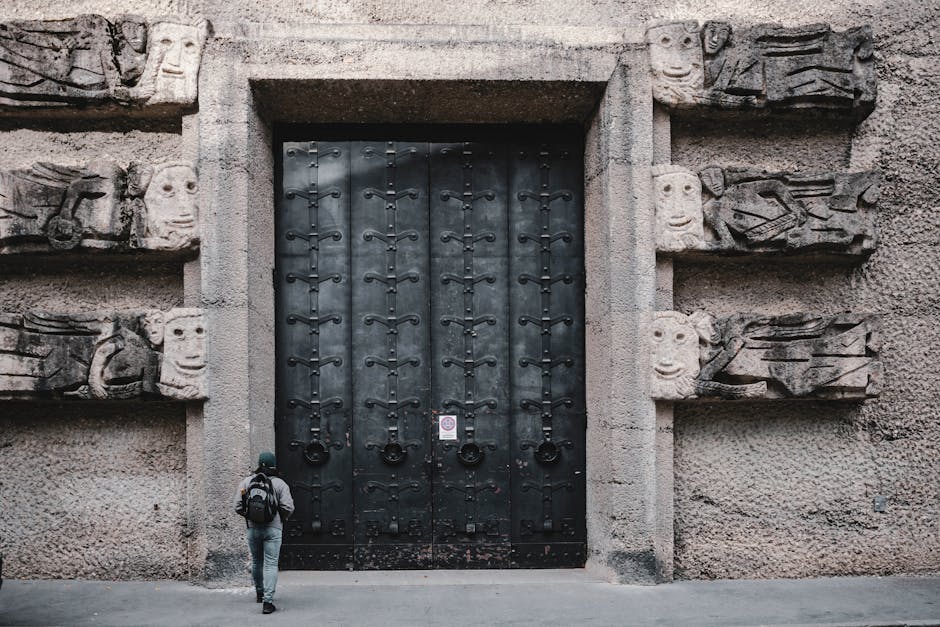
Discover the opulent Royal Way of Gdansk at your own pace. Explore Hanseatic history, gilded architecture, and the iconic Neptune's Fountain.
 Easy
EasySalzburg, Austria
Discover the 'Rome of the North' on this self-guided walk through the Baroque squares and monumental legacy of Salzburg’s Prince-Archbishops.
 Easy
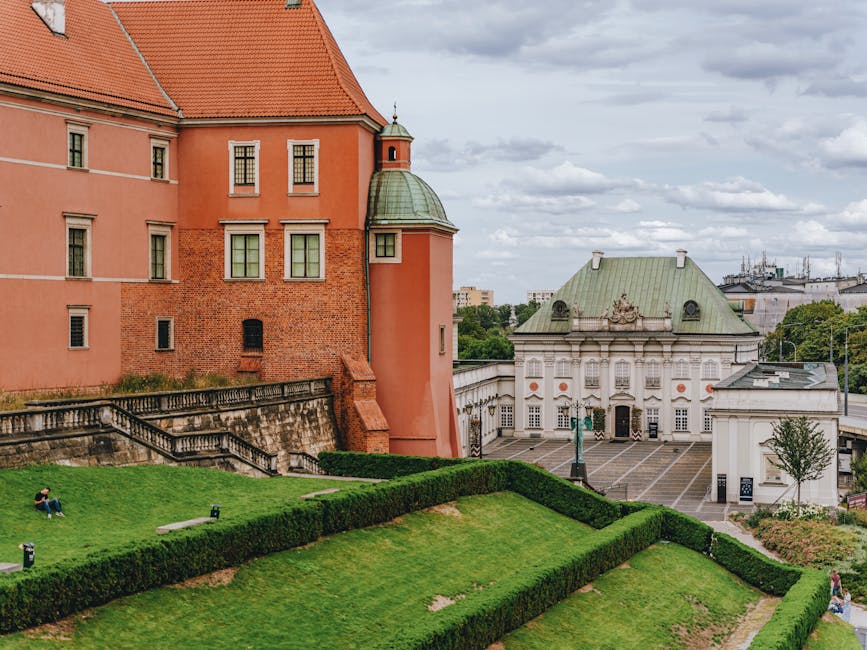
EasyWarsaw, Poland
Explore the miracle of Warsaw's reconstructed Old Town on this self-guided walk through royal squares, medieval walls, and heroic monuments.
 Easy
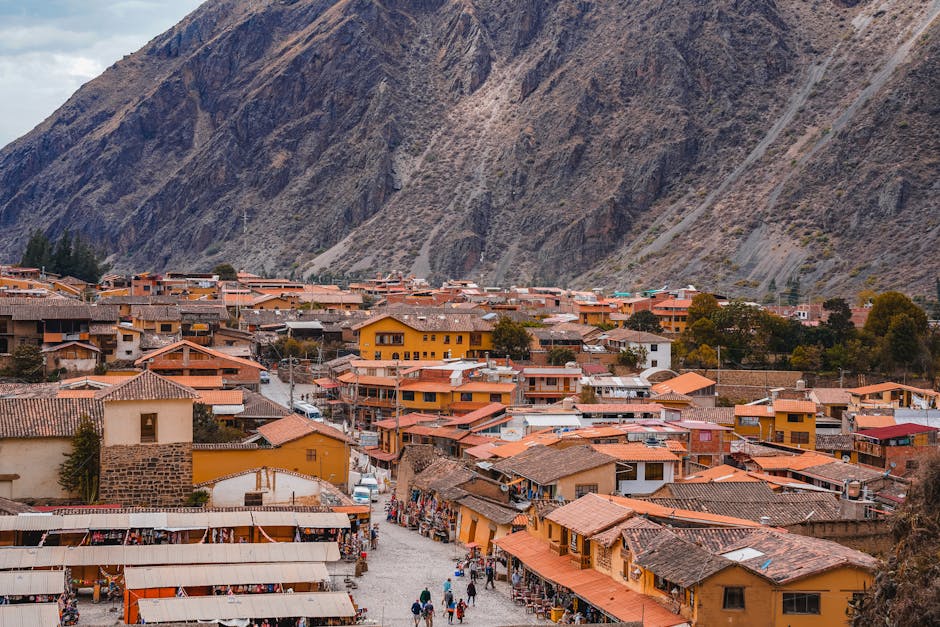
EasyCusco, Peru
Discover the vibrant world of Andean weaving on this self-guided walk through Cusco’s historic center and artisan quarters.
 Easy
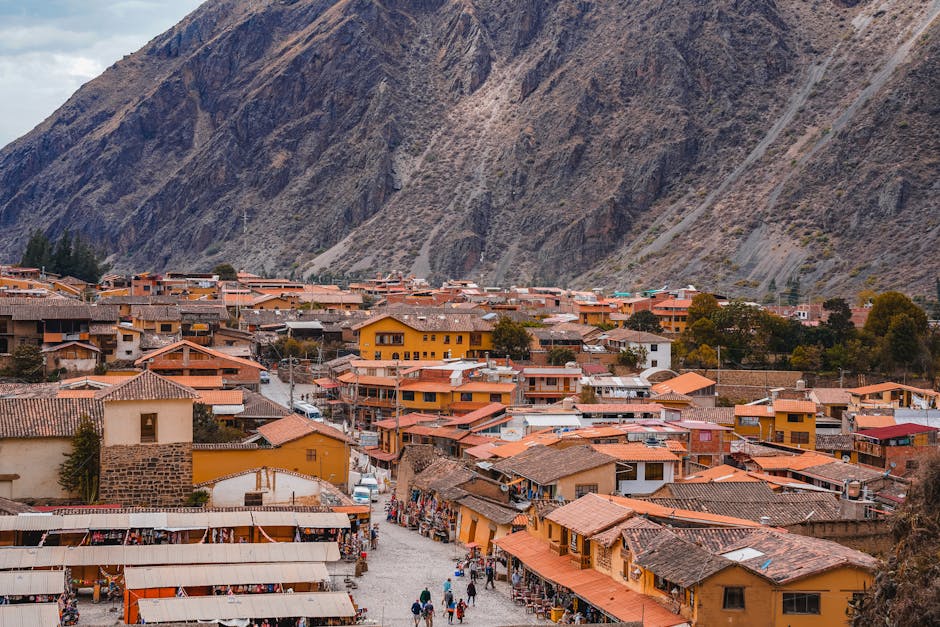
EasyCusco, Peru
Discover the rich flavors of Cusco on this self-guided walk through the city's best artisanal coffee shops and chocolate workshops.
 Moderate
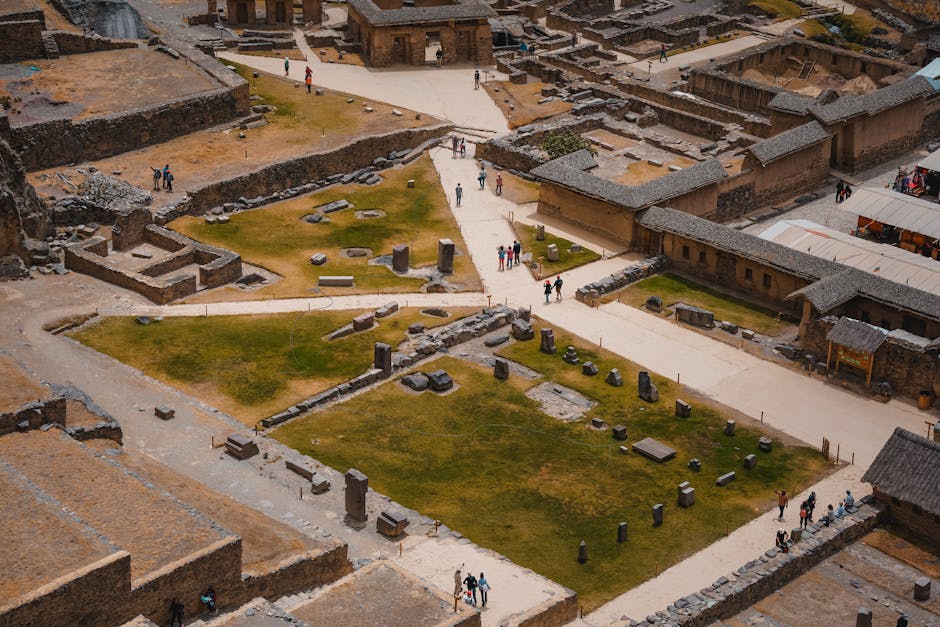
Cusco, Peru
Uncover Cusco's hidden hydraulic history on this self-guided stroll through ancient canals and colonial aqueducts.
 Easy
EasyCusco, Peru
Experience Cusco’s vibrant nightlife on this self-guided walk through legendary pubs, pisco lounges, and hidden gems in the Historic Center.