Self-guided audio tour in Cartagena
Start Free on iPhone
Start free on iPhone to unlock this self-guided walking tour in Cartagena. Hear all the stories that make it amazing, walk at your own pace, and begin whenever you want.
Your Private Tour Guide
Step into the spiritual and architectural heart of Colombia's Caribbean jewel with this self-guided walk through Cartagena’s Old City. As you navigate the sun-drenched, cobblestone streets of the 'Centro' neighborhood, you will encounter the 'Sacred Spires' that have defined the skyline for nearly half a millennium. This walking route offers an independent way to explore the profound religious and colonial history of a city that served as the Spanish Empire's primary gateway to South America. From the massive fortifications of the maritime museum to the intricate Mudejar ceilings of hidden chapels, this neighborhood stroll reveals the layers of faith, conflict, and artistic triumph that shaped the region. This experience is more than just a visit to historical sites; it is a journey through the evolution of Spanish colonial architecture. You will see how the austere styles of the early Jesuit and Dominican orders eventually gave way to the more ornate details of the Caribbean Baroque. Highlights include the Santuario de San Pedro Claver, dedicated to the 'Slave of the Slaves,' and the iconic Santa Catalina de Alejandría Cathedral, which famously survived a siege by the pirate Francis Drake. This walking tour Cartagena enthusiasts often recommend allows you to pause whenever you wish—whether to admire a vibrant bougainvillea-draped balcony or to grab a refreshing limonada de coco in a bustling plaza. By following this trail, you bypass the rigid schedules of a traditional guided tour Cartagena visitors sometimes find restrictive. Instead, you can delve deep into the stories of the saints and the sinners, the architects and the armadas, at your own pace. Whether you are a fan of religious history or simply an admirer of colorful, historic streetscapes, this audio walk provides the context needed to truly understand the 'Heroic City.' The route concludes in the quieter, local-favorite corners of San Diego, offering a complete picture of the city’s walled heritage.
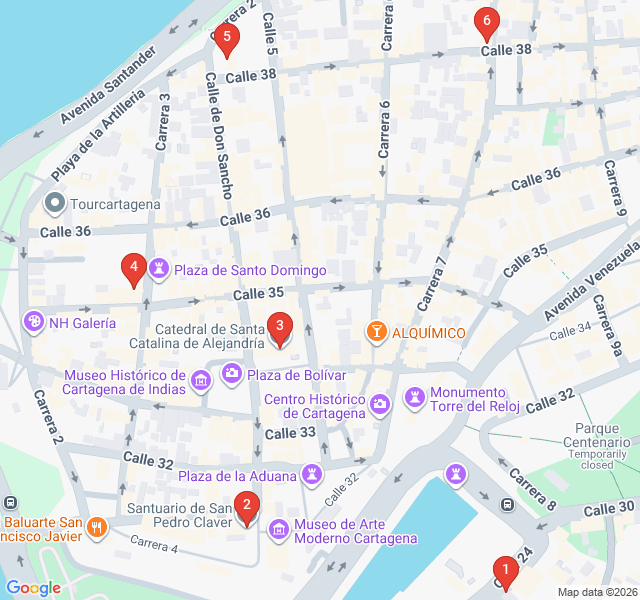
Numbers indicate the order of stops on the tour.
Begin your exploration at the edge of the city's formidable walls. This site, now housing the Naval Museum of the Caribbean, sits within a building that served as a Jesuit college in the 17th century. It represents the intersection of Cartagena's two great identities: its religious devotion and its strategic military importance. The thick stone walls here have witnessed centuries of naval battles and pirate sieges. Take a moment to look up at the massive structure and imagine the Spanish fleet anchored just beyond the ramparts, protecting the riches of the New World while the clergy within these walls worked to establish a spiritual stronghold.
A short walk brings you to one of the city's most revered sites. The Santuario de San Pedro Claver is dedicated to the Spanish priest who became the patron saint of slaves. In the 1600s, Claver would meet the slave ships at the docks, providing food, medicine, and comfort to those arriving in horrific conditions. The church itself is a masterpiece of Jesuit architecture, with a facade made of coral stone. Inside the altar, you can see the remains of the saint. The adjacent cloister, with its lush courtyard and heavy wooden doors, offers a peaceful retreat from the bustling plaza outside, where local artisans often display their crafts.
The colorful, soaring tower of the Cathedral is the most recognizable landmark in Cartagena. Construction began in 1577, but it suffered a major setback in 1586 when the English privateer Francis Drake partially destroyed it with a cannonball. It took nearly 40 more years to complete. Notice the terracotta-colored exterior and the Italian-style dome. Inside, the atmosphere is surprisingly cool and serene, featuring a gilded 18th-century high altar and marble floors. This cathedral isn't just a place of worship; it's a survivor of the city’s turbulent colonial past, standing tall despite centuries of tropical heat and foreign invasions.
Welcome to the oldest church in Cartagena, founded by the Dominican Order in the 1550s. If you look closely at the bell tower, you might notice it looks slightly crooked; local legend says the devil himself tried to knock it down because he was jealous of its beauty. The plaza in front of the church is home to Fernando Botero's famous bronze sculpture, 'Gorda Gertrude.' It is a tradition for visitors to rub the statue for good luck. The church's interior is more austere than the Cathedral, reflecting the Dominican focus on simplicity and study, yet its massive stone arches remain a feat of 16th-century engineering.
This building offers a fascinating look at how Cartagena’s historic spaces have evolved. Originally the Convent of San Lorenzo and later La Merced, it now serves as a campus for the University of Cartagena. While the interior is often used for academic purposes, the exterior and the accessible cloister areas showcase the classic Spanish colonial layout: a central courtyard designed to catch the breeze, surrounded by thick-walled galleries. It is also significant for housing the ashes of the Nobel Prize-winning author Gabriel García Márquez, who began his law studies here and maintained a lifelong connection to the city's poetic streets.
Your final stop is a hidden gem located in the more residential San Diego neighborhood. Santo Toribio is smaller than the other churches on this route but contains one of the city's most curious artifacts. During a 1741 attack by the British Admiral Vernon, a cannonball crashed through the roof while mass was being celebrated; remarkably, it did not explode and harmed no one. You can still see that cannonball displayed in a niche in the wall. Don't forget to look up at the exquisite Mudejar-style ceiling, a beautiful example of the Islamic-influenced design brought over by Spanish craftsmen during the colonial era.
Start Free on iPhone
Explore “Sacred Spires: The Cathedral and Convent Trail” with your very own Private Tour Guide with Zigway. Start free on iPhone, skip the large group and the fixed routes, and hear the city come alive as you go.
Your Private Tour Guide
Don't miss the good stuff
Explore Freely
 Moderate
Cartagena, Colombia
Follow the footsteps of Gabriel García Márquez on a self-guided walk through the magical realism of Cartagena’s historic walled city.
 Easy
EasyCartagena, Colombia
Taste the heart of Cartagena on this self-guided street food walk through the vibrant alleys of Getsemaní and the historic Walled City.
 Easy
EasyCartagena, Colombia
Explore Cartagena's legendary defensive walls and historic bastions on this self-guided walk through colonial history and Caribbean views.
 Easy
EasyCartagena, Colombia
Discover the tranquil charm, colorful streets, and hidden architectural gems of Cartagena’s most bohemian neighborhood on this self-guided walk.
 Moderate
Warsaw, Poland
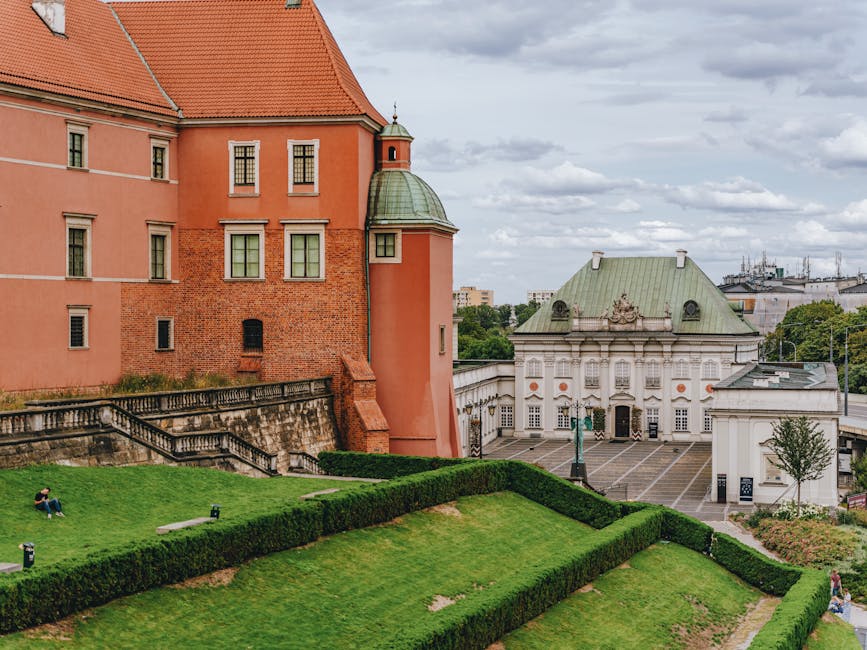
Explore the resilient spirit of Warsaw's Muranów district on this self-guided walk through the history and landmarks of the former Jewish Ghetto.
 Moderate
Gothenburg, Sweden
Discover Gothenburg’s maritime soul on this self-guided walk from the historic Central Station to the scenic riverfront at Stenpiren.
 Moderate
Vienna, Austria
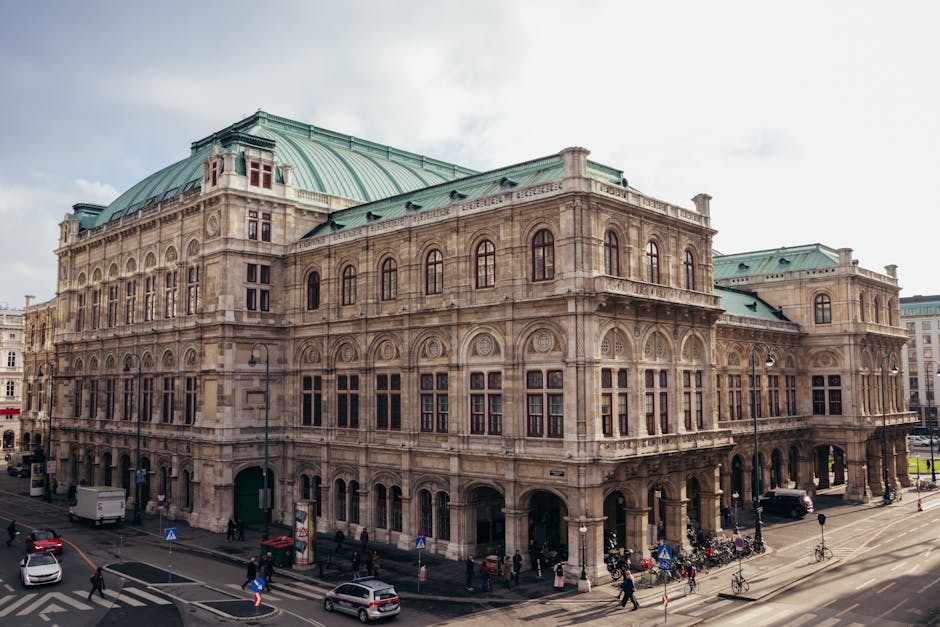
Follow the footsteps of Mozart and Strauss through Vienna’s historic center on this self-guided walk through the city's rich musical history.
 Easy
EasySalzburg, Austria
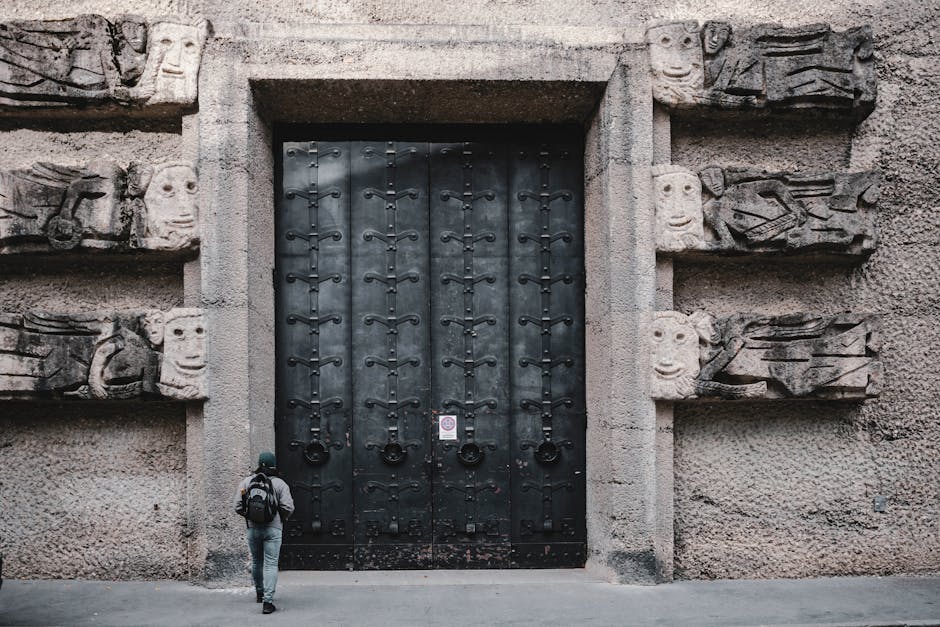
Discover the 'Rome of the North' on this self-guided walk through the Baroque squares and monumental legacy of Salzburg’s Prince-Archbishops.
 Moderate
Bogota, Colombia
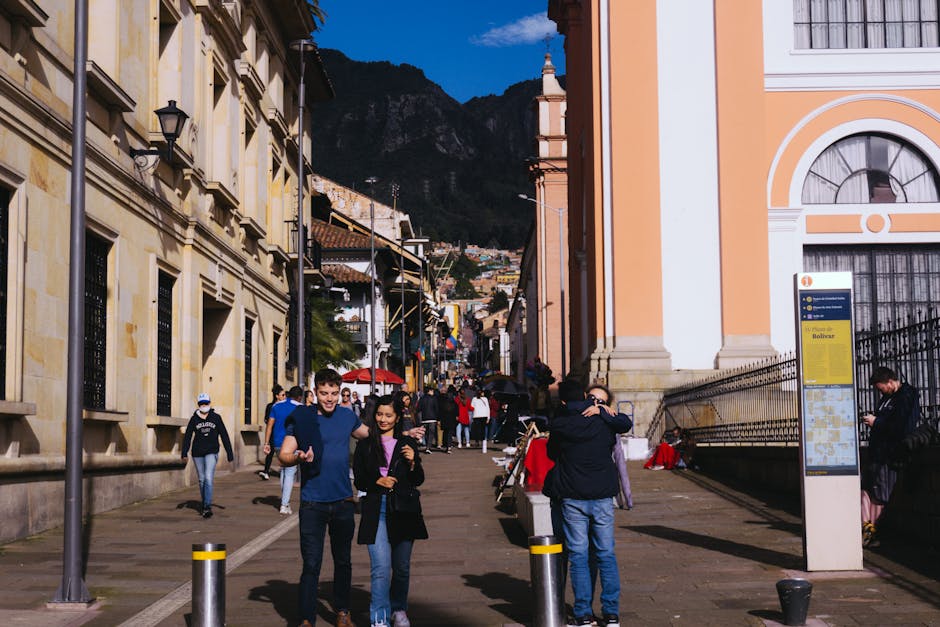
Explore the historic base of Monserrate, from Bolivar's colonial villa to the legendary founding spot of Bogota on this self-guided walking route.
 Easy
EasyBogota, Colombia
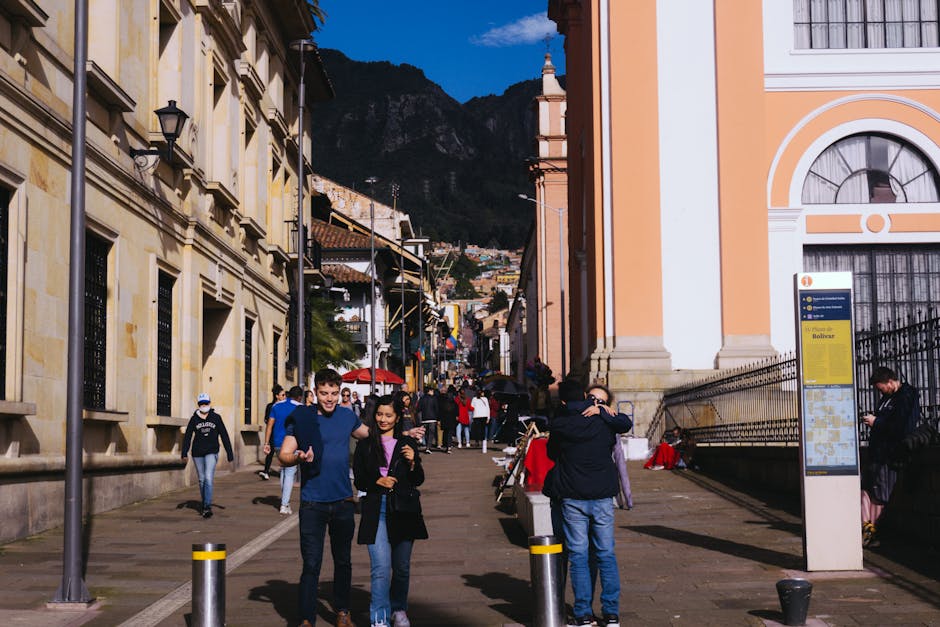
Discover the colonial charm and artistic soul of Bogota's oldest neighborhood on this self-guided audio walking route through La Candelaria.
 Easy
EasyBogota, Colombia
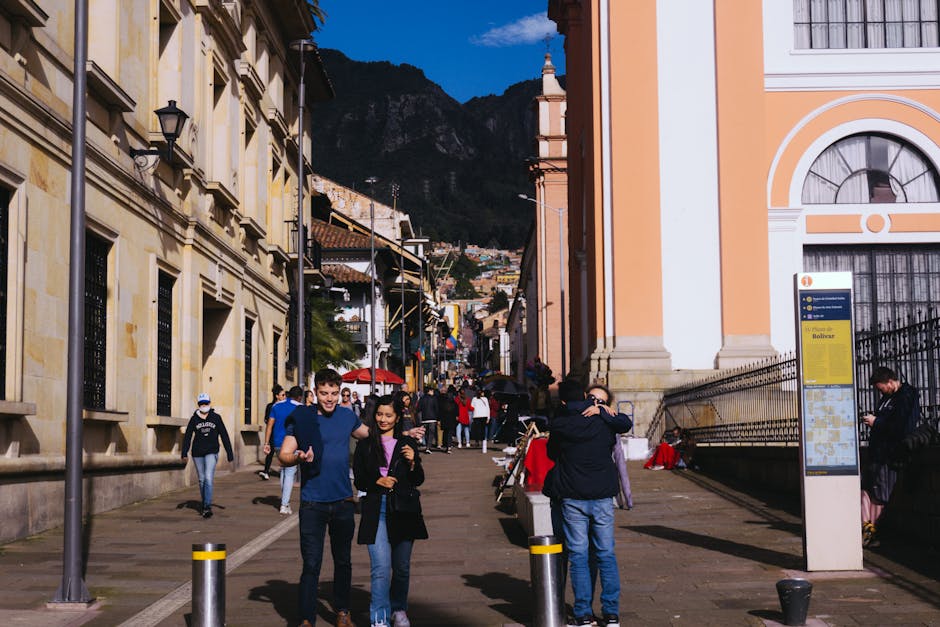
Discover the 'Green Fire' of Colombia on this self-guided walk through Bogota's legendary emerald district and informal street markets.
 Easy
EasyBogota, Colombia
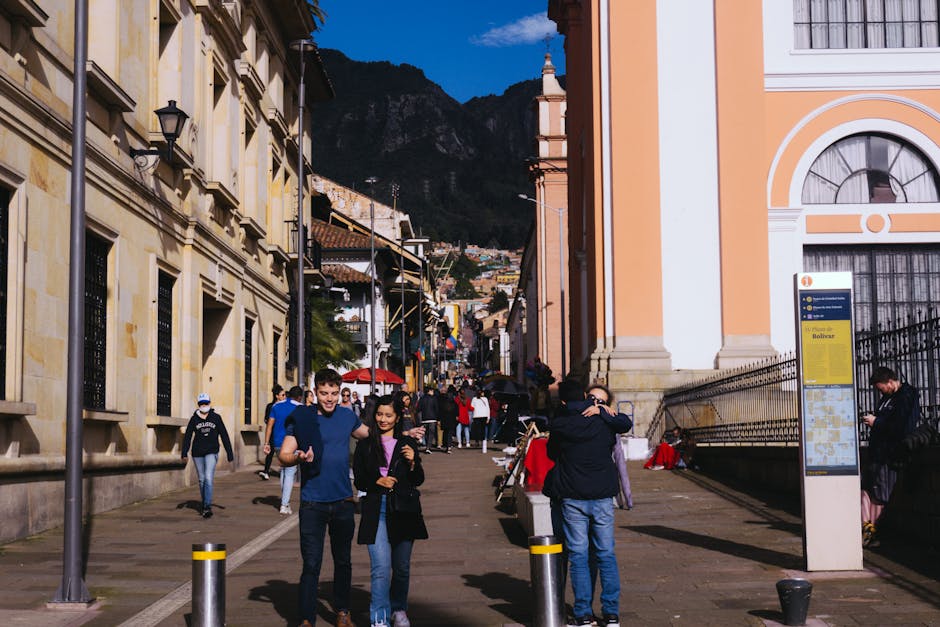
Trace the footsteps of Jorge Eliécer Gaitán and explore the sites of the 1948 riots that reshaped modern Colombia on this self-guided audio walk.