Self-guided audio tour in Hiroshima
Start Free on iPhone
Start free on iPhone to unlock this self-guided walking tour in Hiroshima. Hear all the stories that make it amazing, walk at your own pace, and begin whenever you want.
Your Private Tour Guide
Step off the ferry and into a landscape where the divine and the natural world exist in perfect harmony. Miyajima, known formally as Itsukushima, has been worshipped as a sacred island for centuries, and this self-guided walk invites you to explore its most hallowed grounds at your own pace. The journey begins along the scenic shoreline, where the salty breeze of the Seto Inland Sea meets the ancient forests of Mount Misen. As you follow this walking route, you will encounter the architectural mastery of the Senjokaku Pavilion and the striking verticality of the Five-story Pagoda, both of which offer a glimpse into Japan's feudal past. The heart of the experience is the iconic Itsukushima Jinja, a Shinto shrine that appears to float upon the waves during high tide, a testament to the spiritual ingenuity of the 12th-century Taira clan. Beyond the shoreline, the path leads into the tranquil Momijidani Park, a valley famous for its vibrant maple trees that transform with the seasons. The walk concludes at Daishoin, one of the most significant temples in Shingon Buddhism, nestled at the foot of the mountain. This neighborhood stroll is more than just a sightseeing trip; it is an opportunity to experience the quietude and reverence that define this UNESCO World Heritage site. Whether you are capturing the perfect photograph of the red torii gate or spinning the prayer wheels at Daishoin, this self-guided adventure provides the flexibility to linger where you feel inspired. For those looking for a comprehensive walking tour Hiroshima experiences often miss the subtle details of the island's interior, but this route ensures you see both the famous landmarks and the hidden spiritual corners that make Miyajima unique. Discover the history of samurai patrons, the lore of the sacred deer, and the enduring beauty of Japanese religious architecture in one unforgettable morning.
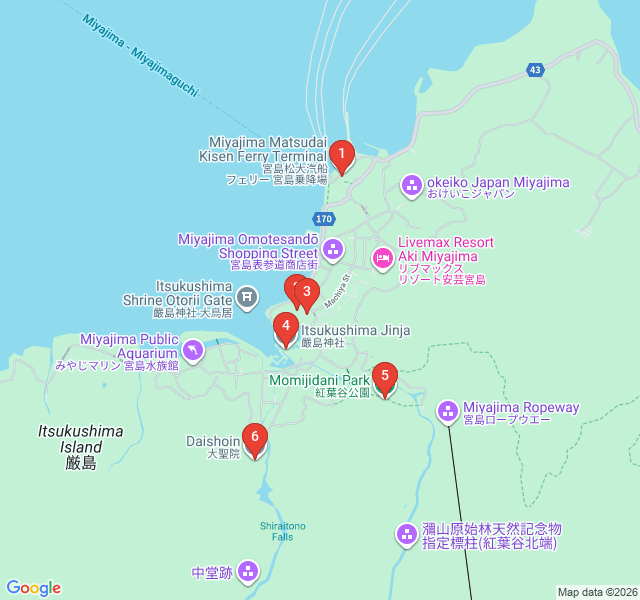
Numbers indicate the order of stops on the tour.
Welcome to Miyajima. As you step off the ferry, you are entering a space that has been considered sacred for over 1,500 years. In ancient times, commoners were not even allowed to set foot on the island to preserve its purity. Today, the first thing you will likely notice are the resident sika deer. In Shinto tradition, these animals are considered messengers of the gods. While they are generally friendly, they are wild animals with a particular appetite for paper maps and snacks, so keep your belongings secure. From here, the shoreline path offers your first distant view of the famous torii gate, the gateway between the human and spirit worlds.
Perched on a small hill overlooking the sea, Senjokaku translates to the 'Hall of a Thousand Mats.' This massive wooden structure was commissioned in 1587 by Toyotomi Hideyoshi, one of Japan's great unifiers, as a place to chant sutras for fallen soldiers. However, after Hideyoshi's death in 1598, the building was left unfinished; look up at the ceiling and you will notice the lack of decorative casing. The open-air design allows the breeze to flow through the massive pillars, creating a cool, meditative atmosphere. The large rice paddles displayed here are symbols of Miyajima, traditionally used as charms to 'scoop up' good fortune.
Standing adjacent to Senjokaku is the Gojūnotō, or Five-story Pagoda. Built in 1407, this striking red structure reaches nearly 28 meters into the sky. It is a masterpiece of architectural fusion, blending traditional Japanese Zen styles with Chinese Tang Dynasty influences. If you look closely at the eaves, you will see intricate carvings and gold leaf details that have survived for centuries. While the interior is not open to the public, it is known to house beautiful Buddhist murals. The pagoda serves as a vertical counterpoint to the horizontal lines of the floating shrine below, symbolizing the connection between the earth and the heavens.
This is the crown jewel of the island. Itsukushima Jinja is a Shinto shrine uniquely built over the intertidal zone. This design allowed pilgrims to approach the sacred island by boat, passing through the torii gate without technically 'stepping' on the holy soil. The current layout dates back to 1168, funded by the powerful warlord Taira no Kiyomori. The bright vermilion color of the wood is intended to ward off evil spirits. Depending on the time of your visit, the shrine may appear to be floating on the water or sitting on the mudflats. Both views are spiritually significant, representing the fluid boundary between land and sea.
Leaving the shoreline behind, follow the path into Momijidani Park, or 'Maple Valley.' This lush park follows the Momijidani River at the foot of Mount Misen. It features approximately 700 maple trees, making it one of the most famous spots in Japan for autumn color. Even outside of the fall season, the park offers a cool, shaded retreat filled with the sound of flowing water and birdsong. The red wooden bridges crossing the stream provide a classic Japanese aesthetic. This area marks the transition from the structured religious architecture of the coast to the wild, primeval forest that covers the rest of the island.
The final stop is Daishoin, the headquarters of the Omuro branch of Shingon Buddhism. Founded by the monk Kobo Daishi in 806, this temple complex is filled with hidden details. As you walk up the stairs, spin the metal prayer wheels inscribed with sutras; it is said that doing so grants the same spiritual merit as reading them. Explore the grounds to find the 500 Rakan statues, each with a unique facial expression, and the Henjokutsu Cave, which contains icons from all 88 temples of the Shikoku Pilgrimage. It is a place of deep spiritual practice and offers a stunning panoramic view of the Itsukushima shrine and the bay below.
Start Free on iPhone
Explore “Island Sanctuary: The Itsukushima Shoreline Walk” with your very own Private Tour Guide with Zigway. Start free on iPhone, skip the large group and the fixed routes, and hear the city come alive as you go.
Your Private Tour Guide
Don't miss the good stuff
Explore Freely
 Moderate
Hiroshima, Japan
Discover Hiroshima's samurai history on this self-guided walk through Shukkeien Garden, the historic Hiroshima Castle, and serene Moto-machi parks.
 Easy
EasyHiroshima, Japan
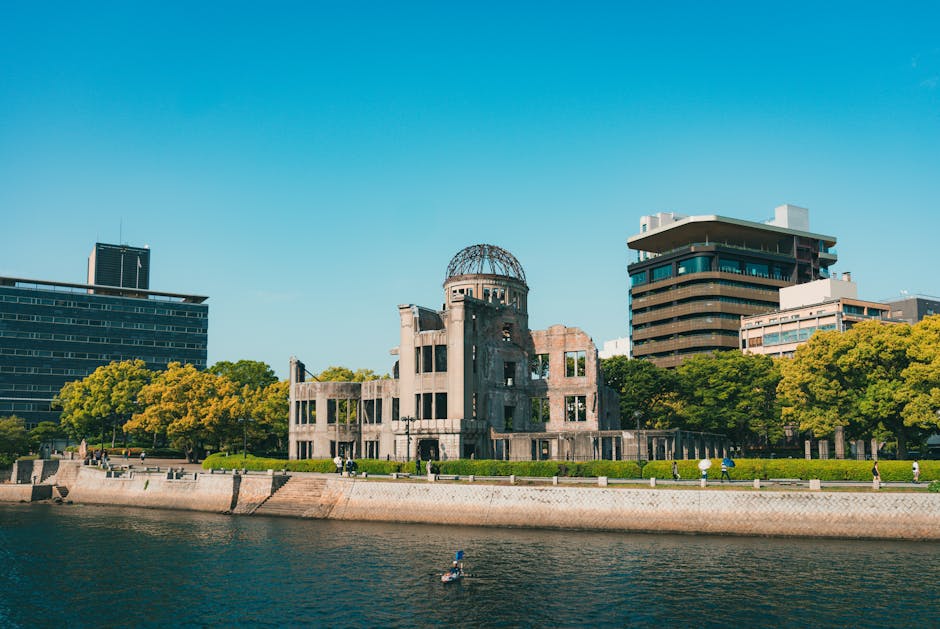
Explore Hiroshima's maritime heritage on this scenic self-guided walk from historic red-brick museums to the peaceful Ujina Lighthouse.
 Easy
EasyHiroshima, Japan
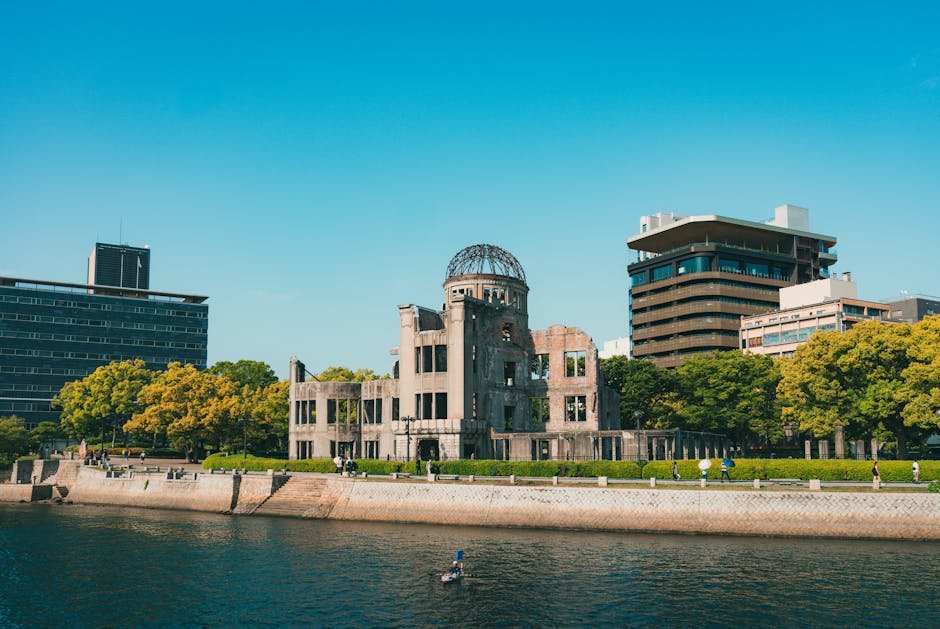
Discover Hiroshima’s architectural evolution from pre-war survivors to visionary modernist masterpieces on this self-guided walking route.
 Easy
EasyHiroshima, Japan
Explore Hiroshima's electric Nagarekawa district. A self-guided walk through neon alleys, savory street food, and hidden local culture.
 Easy
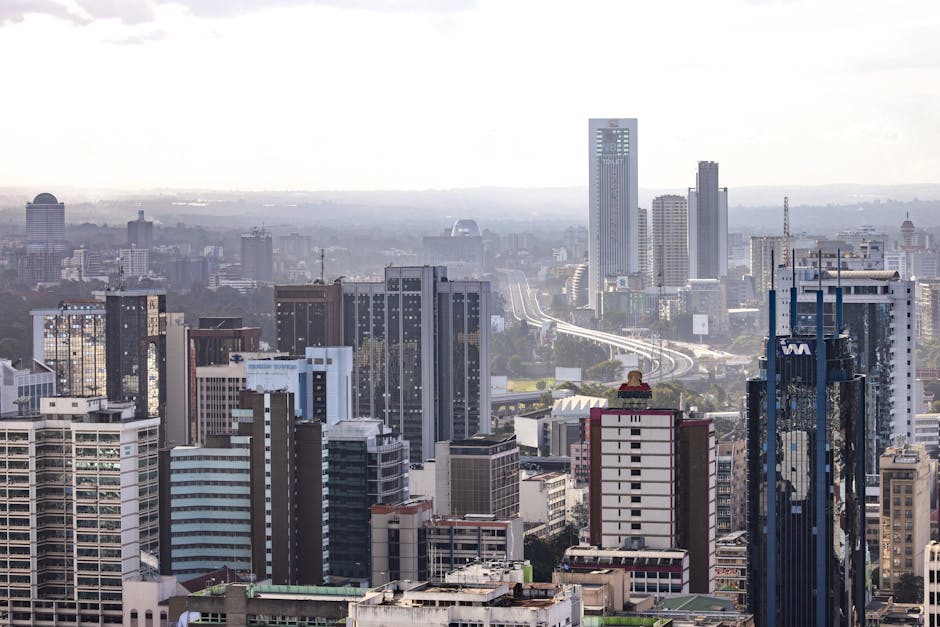
EasyNairobi, Kenya
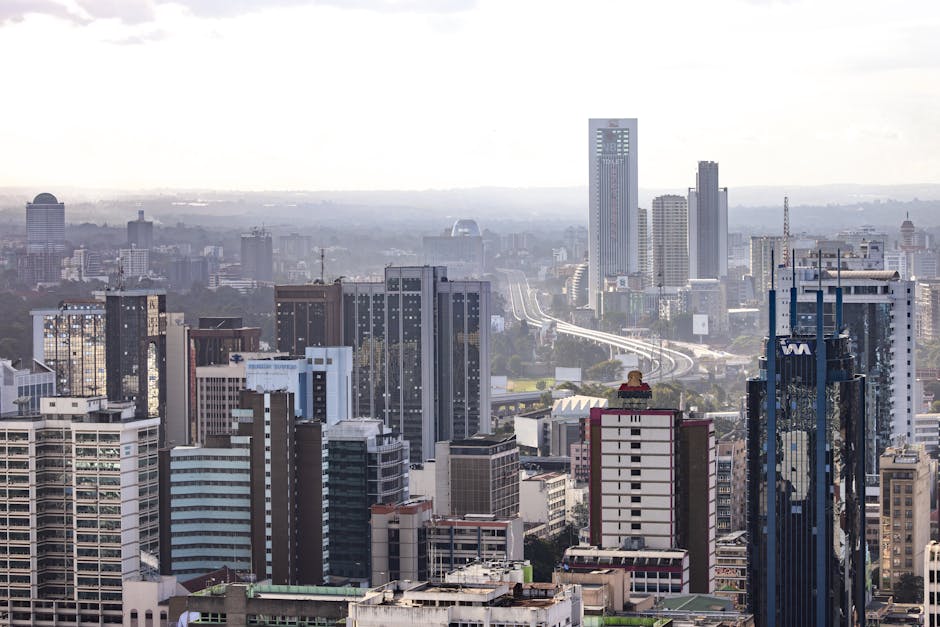
Discover Nairobi's iconic skyline on this self-guided architecture walk through the CBD’s most famous modernist and Brutalist landmarks.
 Moderate
Nairobi, Kenya
Discover Nairobi's lush side on this self-guided walk through botanical gardens, historic memorials, and vibrant local markets.
 Easy
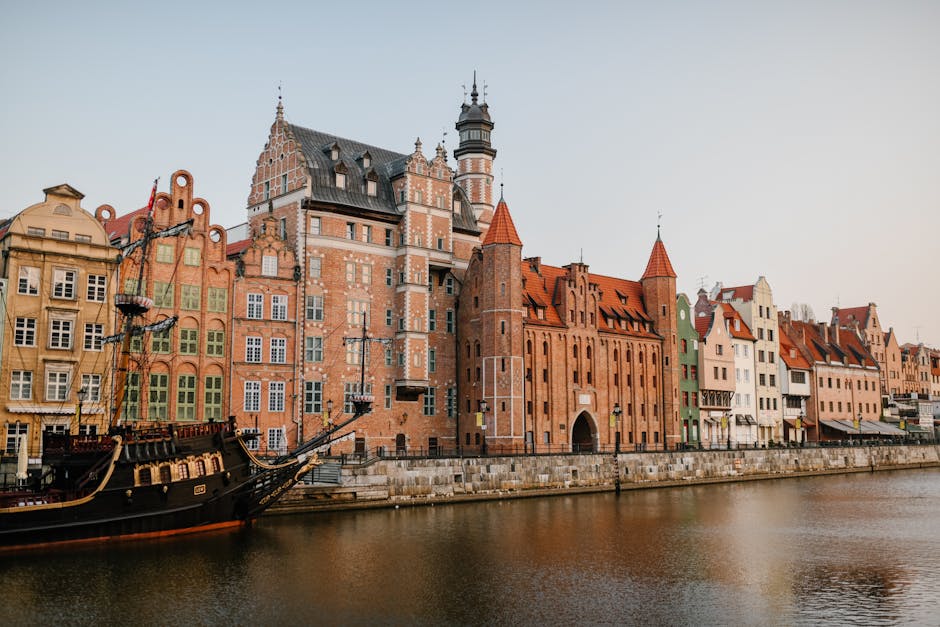
EasyGdansk, Poland
Discover the monastic heritage, world-famous organs, and lush botanical gardens of Oliwa on this peaceful self-guided neighborhood stroll.
 Easy
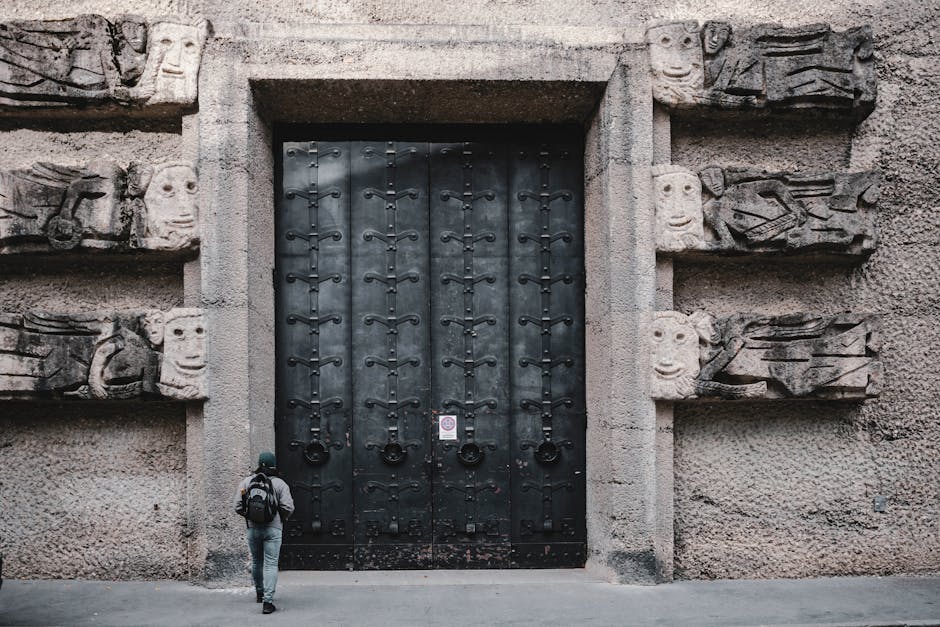
EasySalzburg, Austria
Discover the 'Rome of the North' on this self-guided walk through the Baroque squares and monumental legacy of Salzburg’s Prince-Archbishops.
 Moderate
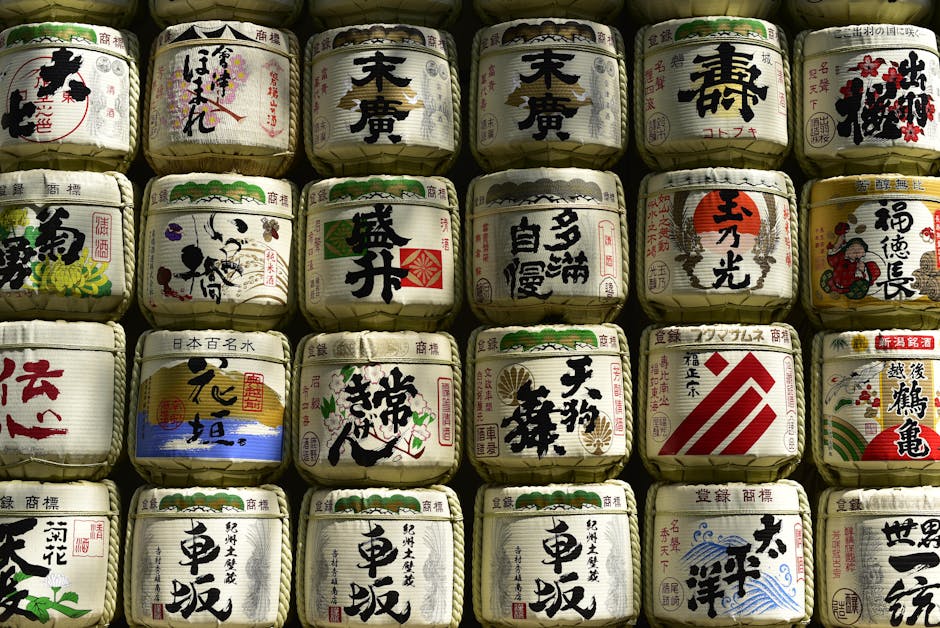
Tokyo, Japan
Discover Tokyo's premier creative district on this self-guided walk through Roppongi’s world-class museums and striking modern architecture.
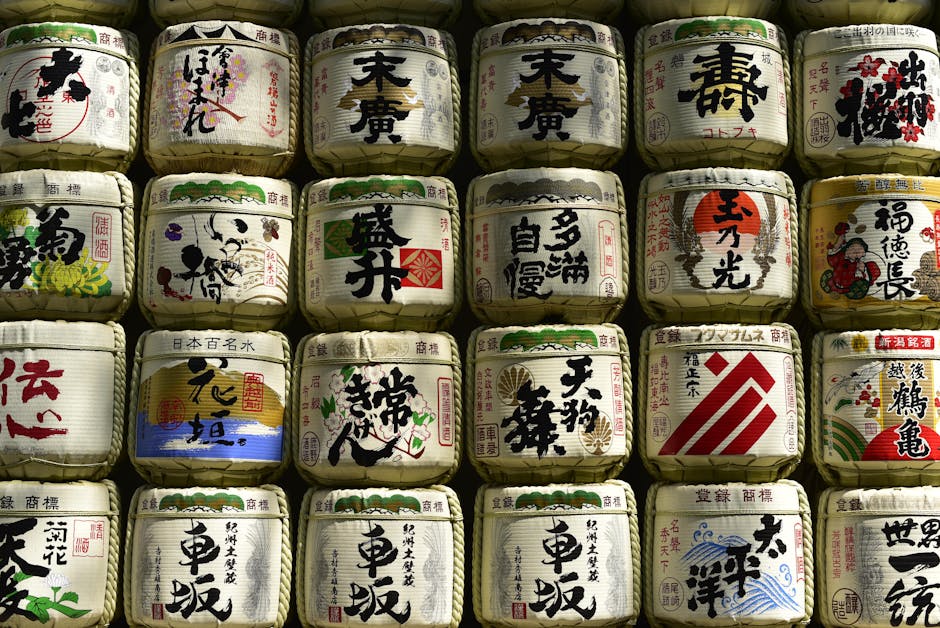 Easy
EasyTokyo, Japan
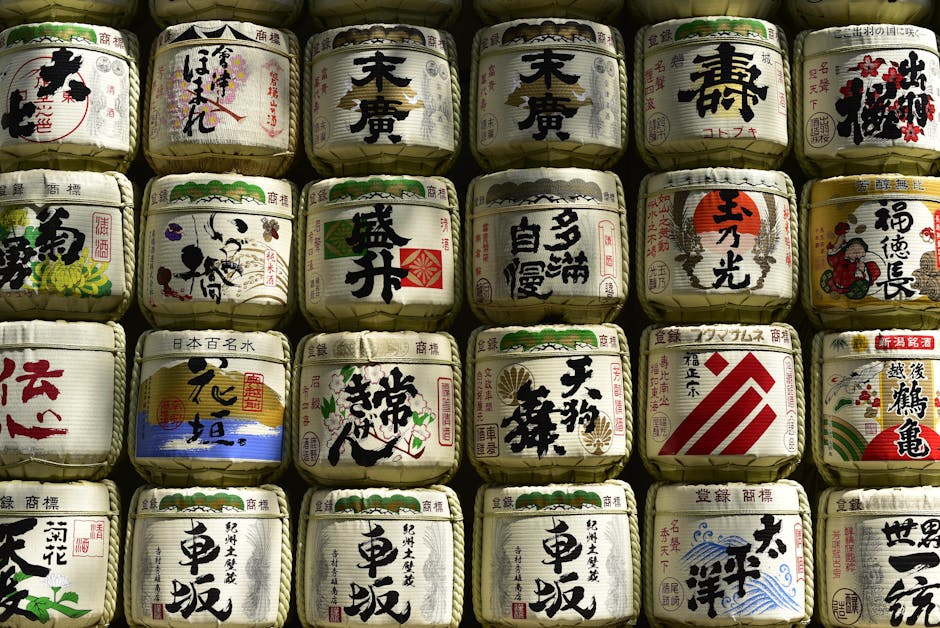
Discover the 'Old Tokyo' charm of Yanaka on this self-guided walk through historic temples, artisan alleys, and a stunning torii gate shrine.
 Easy
EasyTokyo, Japan
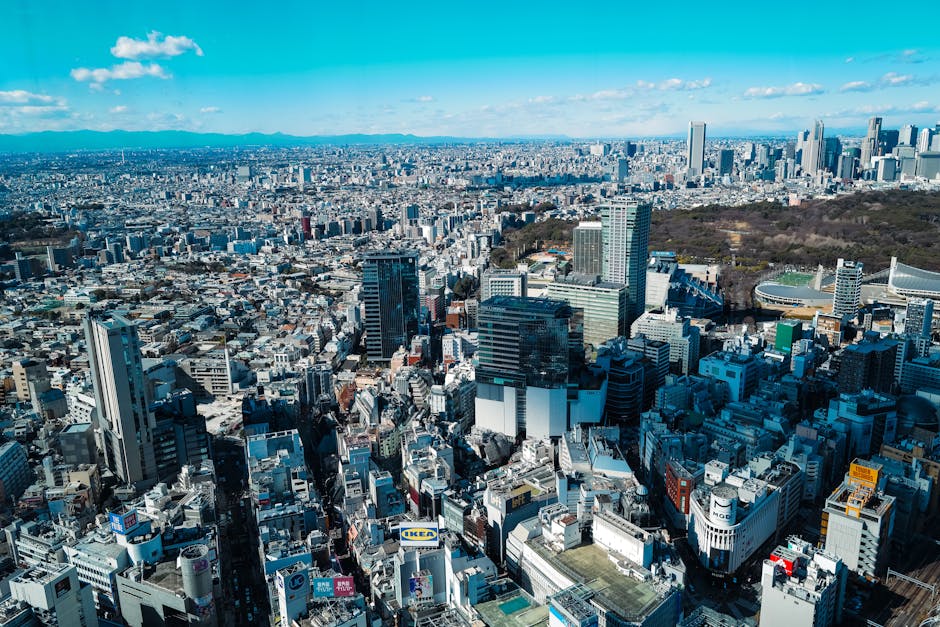
Experience Shibuya's electric energy on this self-guided walk from the iconic Scramble Crossing to the panoramic views of Shibuya Sky.
 Easy
EasyTokyo, Japan
Explore Tokyo's indie heart. From vintage fashion in Shimokitazawa to world-class art in Shinjuku, discover the city's creative soul independently.