Self-guided audio tour in Hiroshima
Start Free on iPhone
Start free on iPhone to unlock this self-guided walking tour in Hiroshima. Hear all the stories that make it amazing, walk at your own pace, and begin whenever you want.
Your Private Tour Guide
While Hiroshima is often remembered for its 20th-century history, its roots reach deep into the age of the samurai. This self-guided walk through the Moto-machi district reveals the resilient spirit of the city, tracing its evolution from a feudal seat of power to a modern cultural hub. By following this walking route Hiroshima travelers can discover how the legacy of the Mori and Asano clans continues to shape the city's identity. The journey begins at the intersection of modern creativity and classical aesthetics, leading you through some of the most meticulously restored historical sites in Japan. You will explore the 'shrunken-scenery' of a 17th-century garden, stand beneath the soaring black walls of the 'Carp Castle,' and wander through green spaces that once served as the military heart of the Hiroshima Domain. This independent exploration is more than a history lesson; it is an immersion into the architectural philosophy of the Edo period. As you navigate the neighborhood at your own pace, you will see how traditional Japanese design principles—balance, harmony, and resilience—were used to rebuild the city's landmarks. From the spiritual quiet of the Gokoku Shrine to the expansive lawns of Central Park, this neighborhood stroll offers a comprehensive look at the city's feudal foundation. Whether you are a history enthusiast or a photography lover, this route provides a unique perspective on Hiroshima's ability to honor its past while looking toward the future. This walking tour Hiroshima experience is designed to be flexible, allowing you to linger in the gardens or spend extra time at the museum exhibits as you see fit. Discover the stories of the lords and warriors who built this city on the delta and see how their influence remains visible in the landscape today.
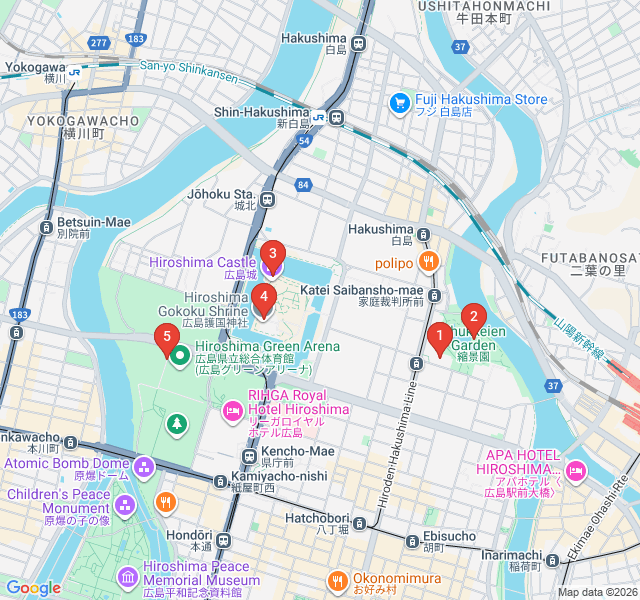
Numbers indicate the order of stops on the tour.
Begin your self-guided adventure at the Hiroshima Prefectural Art Museum. This institution serves as a gateway between the modern city and its historic roots. While the building itself is a contemporary achievement, its collection often highlights the artistic traditions of the region, including works that reflect the aesthetic tastes of the samurai elite. The museum is uniquely positioned adjacent to the Shukkeien Garden, allowing for a seamless transition from indoor galleries to the 'living art' of the landscape outside. Take a moment to appreciate the large windows that offer a preview of the greenery you are about to explore.
Step into Shukkeien, a masterpiece of landscape design dating back to 1620. Created by Ueda Soko, a high-ranking samurai and tea master, the name 'Shukkeien' translates to 'shrunken-scenery garden.' It was designed to mimic famous natural vistas in miniature, such as West Lake in China. As you walk the circular path around the central pond, notice the Koko-kyo bridge, a stone structure that survived the 1945 atomic blast. This garden was once the private villa of the Asano clan, and its meticulously pruned trees and calculated views reflect the precision and discipline of the samurai class.
Visible through the trees is the striking five-story keep of Hiroshima Castle, also known as Rijo or 'Carp Castle.' Originally built in the 1590s by Mori Terumoto, it served as the economic and political center of the region. Though the original structure was destroyed in the 20th century, it was faithfully reconstructed in 1958 using traditional styles. Unlike many Japanese castles that were built on hills, this is a 'hirajiro' or flatland castle. Explore the defensive moats and the massive stone walls, which remain original, showcasing the incredible masonry skills of the feudal era.
Located within the former outer defense works of the castle, the Hiroshima Gokoku Shrine is a place of deep local significance. Originally established in 1868 to honor those who died in the Boshin War, the shrine was relocated to its current site on the castle grounds after the reconstruction. It is a prime example of Shinto architecture, featuring large torii gates and serene courtyards. During festivals and New Year celebrations, this area becomes the spiritual heart of the city. Observe the 'Carp' statues near the main hall, a nod to the castle's nickname and a symbol of strength and success.
Conclude your walking route at Hiroshimashi Central Park. In the feudal era, this vast area was occupied by the residences of high-ranking samurai and later served as military barracks. Today, it is a peaceful green lung for the city. As you wander through the open lawns, you are standing on the very ground where the city's defenders once lived. The park now bridges the gap between the historic castle district and the modern Peace Memorial Park nearby, symbolizing Hiroshima's transition from a fortress town to a global city of peace. It is the perfect spot to reflect on the layers of history beneath your feet.
Start Free on iPhone
Explore “Feudal Roots: The Samurai Legacy of Hiroshima” with your very own Private Tour Guide with Zigway. Start free on iPhone, skip the large group and the fixed routes, and hear the city come alive as you go.
Your Private Tour Guide
Don't miss the good stuff
Explore Freely
 Easy
EasyHiroshima, Japan
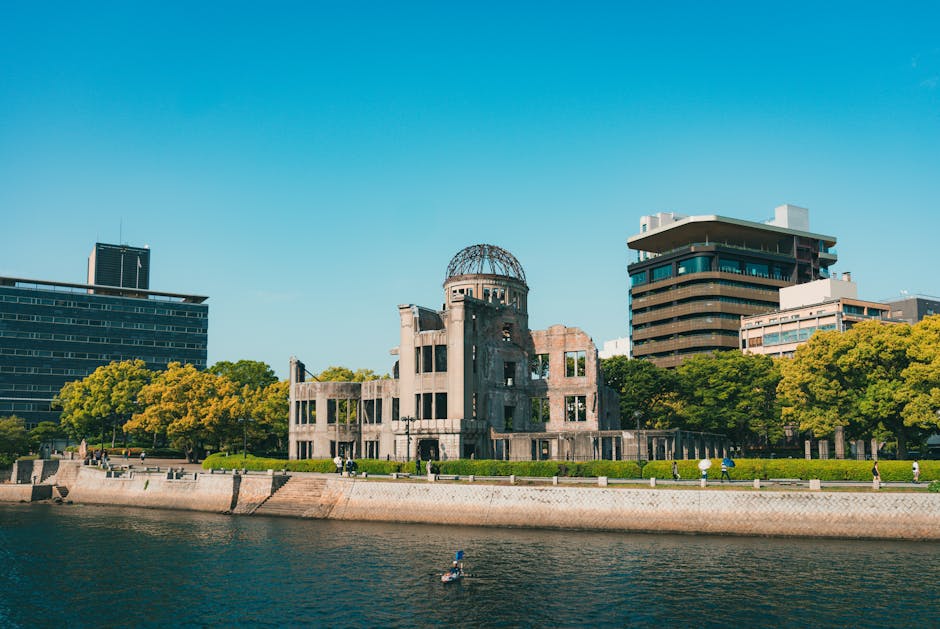
Explore Hiroshima's maritime heritage on this scenic self-guided walk from historic red-brick museums to the peaceful Ujina Lighthouse.
 Easy
EasyHiroshima, Japan
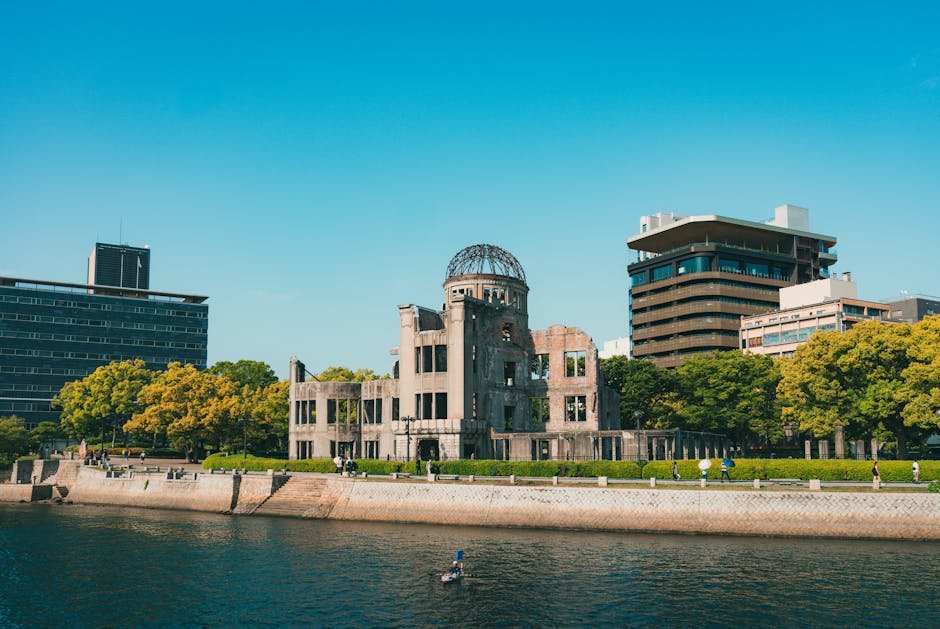
Discover Hiroshima’s architectural evolution from pre-war survivors to visionary modernist masterpieces on this self-guided walking route.
 Easy
EasyHiroshima, Japan
Explore Hiroshima's electric Nagarekawa district. A self-guided walk through neon alleys, savory street food, and hidden local culture.
 Easy
EasyHiroshima, Japan
Explore Hiroshima's creative spirit on this self-guided walk through iconic peace monuments, artisan shops, and modern design hubs.
 Moderate
Gdansk, Poland
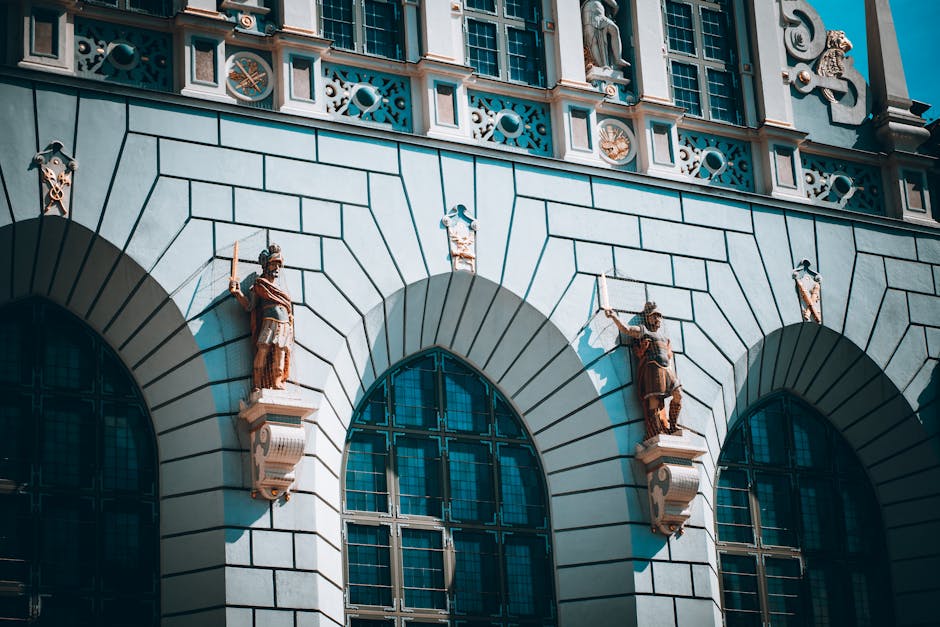
Discover the origins of WWII in Gdansk on this self-guided walk through heroic last stands, massive museums, and strategic hilltop fortifications.
 Moderate
Warsaw, Poland
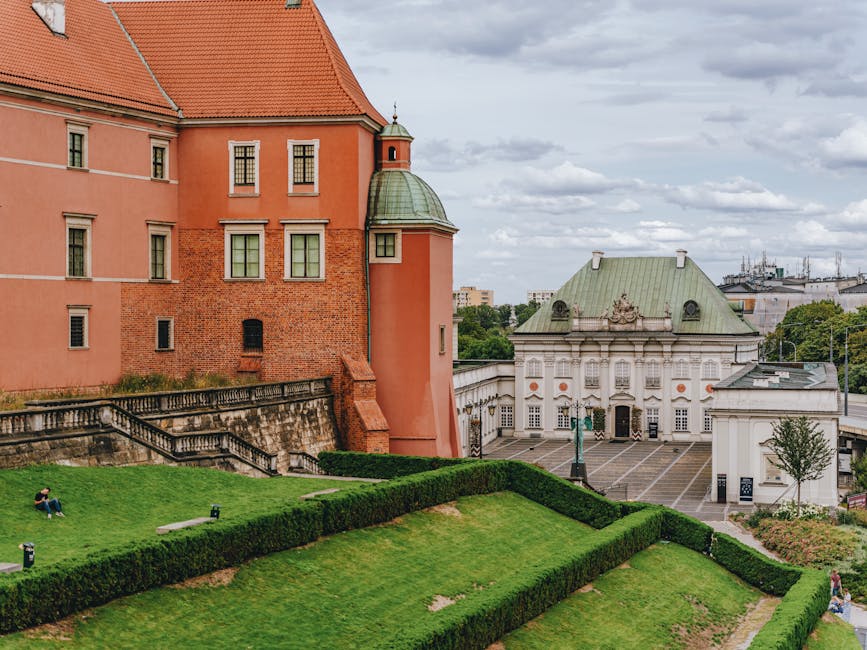
Explore the resilient spirit of Warsaw's Muranów district on this self-guided walk through the history and landmarks of the former Jewish Ghetto.
 Moderate
Warsaw, Poland
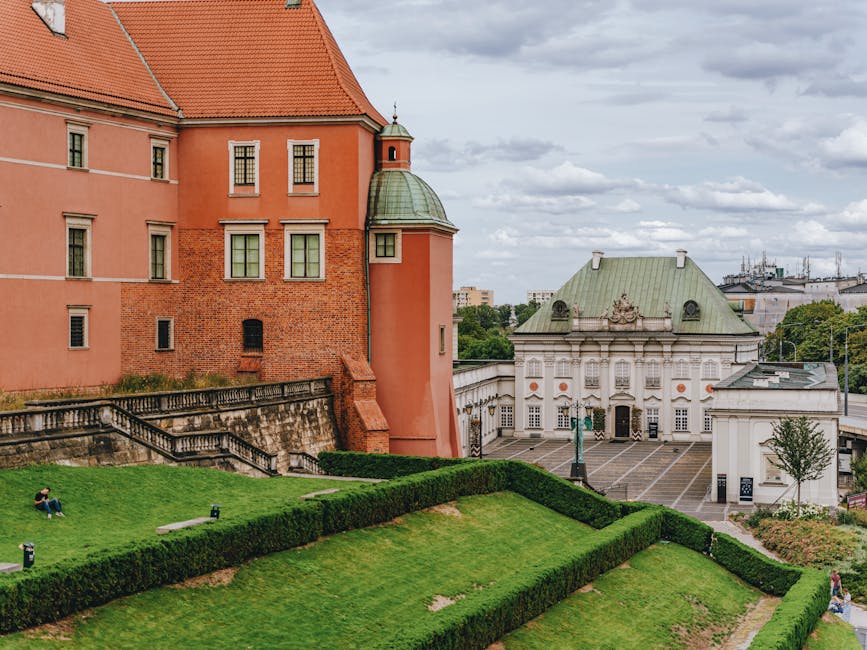
A powerful self-guided walk through Warsaw's WWII history, tracking the 1944 Uprising from ruined skyscrapers to solemn memorials.
 Moderate
Vienna, Austria
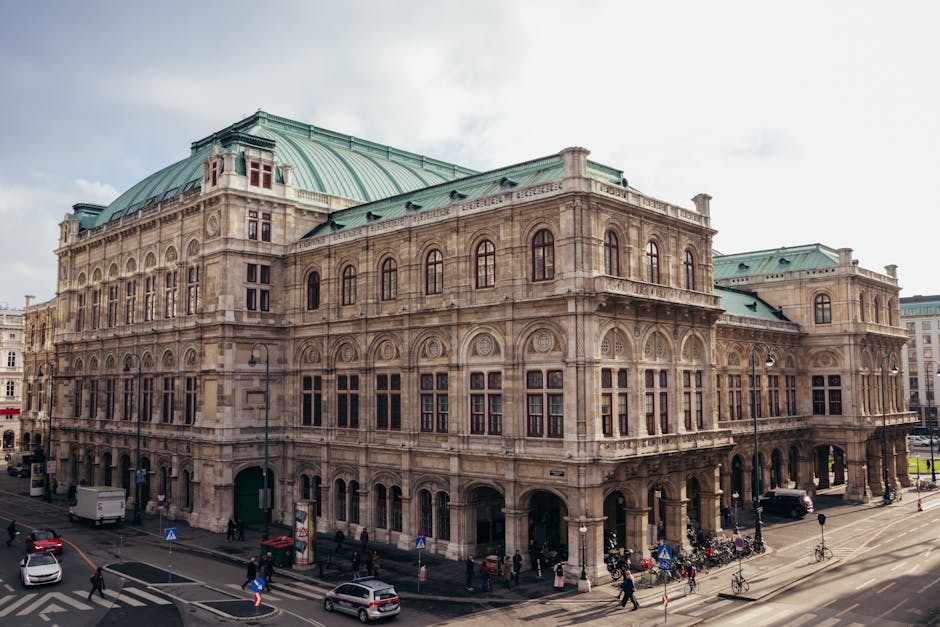
Follow the footsteps of Mozart and Strauss through Vienna’s historic center on this self-guided walk through the city's rich musical history.
 Moderate
Tokyo, Japan
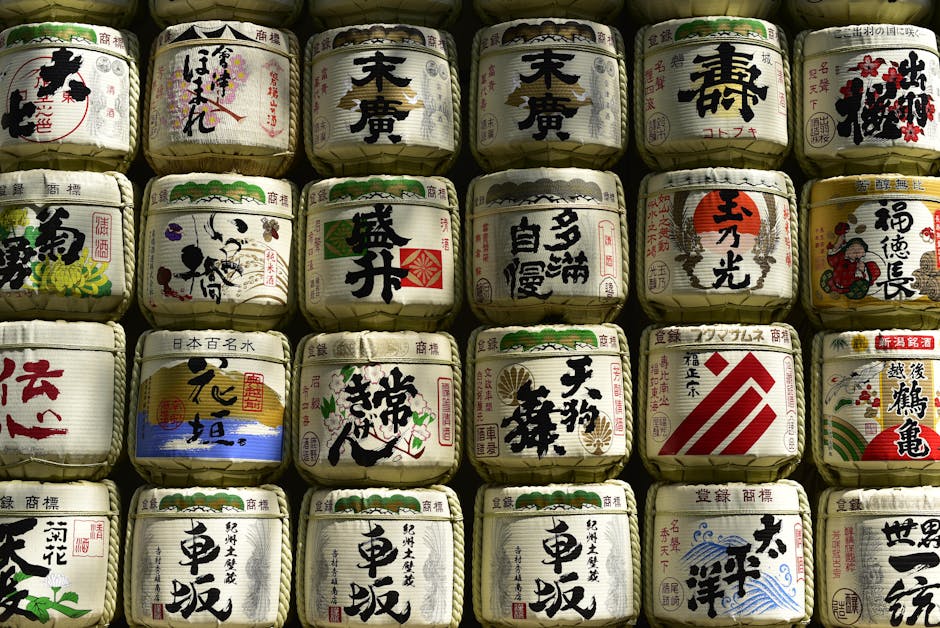
Discover Tokyo's premier creative district on this self-guided walk through Roppongi’s world-class museums and striking modern architecture.
 Easy
EasyTokyo, Japan
Discover the 'Old Tokyo' charm of Yanaka on this self-guided walk through historic temples, artisan alleys, and a stunning torii gate shrine.
 Easy
EasyTokyo, Japan
Experience Shibuya's electric energy on this self-guided walk from the iconic Scramble Crossing to the panoramic views of Shibuya Sky.
 Easy
EasyTokyo, Japan
Explore Tokyo's indie heart. From vintage fashion in Shimokitazawa to world-class art in Shinjuku, discover the city's creative soul independently.