Self-guided audio tour in Hiroshima
Start Free on iPhone
Start free on iPhone to unlock this self-guided walking tour in Hiroshima. Hear all the stories that make it amazing, walk at your own pace, and begin whenever you want.
Your Private Tour Guide
Discover a different side of the city with this self-guided maritime walking route through Ujina, Hiroshima's historic gateway to the Seto Inland Sea. While many visitors focus on the city center, this neighborhood stroll offers a peaceful escape into industrial heritage and coastal beauty. This area was once a bustling military port that played a pivotal role in Japan's modern history, and today it has transformed into a scenic waterfront destination where history meets the horizon. Your journey begins at a striking red-brick building that survived the atomic bombing, now serving as a museum of local crafts and history. From there, the route takes you along the refreshing coastline, passing through Ujina Pier Park where you can watch ferries glide across the water toward distant islands. You will explore the modern Hiroshima Port Cruise Terminal, a hub of contemporary maritime travel, before heading toward the lush greenery of Motoujina Park. The walk concludes at a historic lighthouse tucked away in a coastal forest, offering a moment of tranquility and a glimpse into the region's seafaring soul. This walking tour Hiroshima experience is perfect for those who enjoy off-the-beaten-path exploration, maritime history, and the calming influence of the sea. Whether you are interested in the industrial architecture of the Meiji era or simply want to enjoy a sunset over the Seto Inland Sea, this self-guided adventure provides a comprehensive look at the maritime memories that shaped this resilient city. Explore at your own pace and immerse yourself in the stories of the people who lived and worked on these docks for over a century.
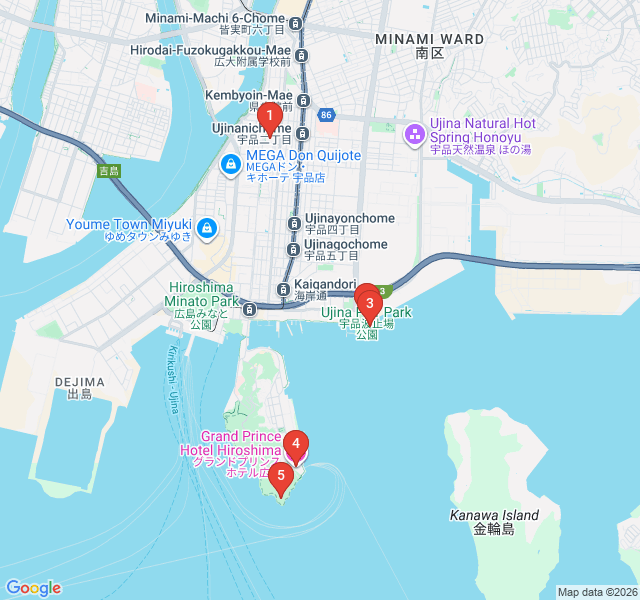
Numbers indicate the order of stops on the tour.
Begin your exploration at this iconic red-brick building, which was originally constructed in 1911 as a military provisions depot for canning meat. It is one of the few surviving western-style industrial buildings in the city, having withstood the atomic blast due to its sturdy construction and distance from the hypocenter. Today, it serves as a museum dedicated to the industrial heritage of Hiroshima, focusing on traditional crafts like oyster farming and seaweed production. Take a moment to admire the rhythmic arches and detailed masonry that reflect the Meiji-era industrial ambition before you head south toward the water.
As you reach the waterfront, you enter Ujina Pier Park. This area was once a massive embarkation point for soldiers during various conflicts in the early 20th century. Today, the atmosphere is entirely different—it's a place for leisure and relaxation. You’ll see locals fishing, families strolling, and enthusiasts photographing the ships. The park offers wide-open spaces and a direct view of the many islands dotting the Seto Inland Sea. It’s a perfect spot to observe the 'Sato-umi' culture, where the sea and human life are deeply interconnected.
Next, you arrive at the Hiroshima Port Cruise Terminal. This modern facility is the heartbeat of the modern harbor, connecting Hiroshima to Shikoku and the surrounding islands. The sleek, glass-heavy architecture contrasts beautifully with the industrial history you've seen so far. If you look at the schedules, you'll see ferries departing for Matsuyama and Miyajima. This stop highlights Hiroshima's ongoing status as a vital maritime hub. Even if you aren't boarding a ship, the terminal area offers great vantage points for watching the large car ferries and high-speed hydrofoils maneuver through the harbor.
Continue your walk toward the southern tip of the Ujina peninsula to see the Grand Prince Hotel Hiroshima. This striking triangular building was designed by the renowned architect Yoshiro Ikehara and is famous for its unique shape, ensuring almost every room has a sea view. More recently, it gained international fame as the primary venue for the 2023 G7 Summit. The hotel marks the transition from the industrial port area to the natural forest of Motoujina. The grounds are beautifully landscaped and offer a sense of luxury and seclusion at the edge of the city.
Your final stop is the Ujina Lighthouse, located within the forested Motoujina Park. To reach it, you'll walk along a coastal path shaded by ancient trees that have grown undisturbed for decades. The lighthouse itself was first established in 1894 to guide ships through the narrow channels of the Inland Sea. While the current structure is a modern replacement, the site remains a vital navigational aid. Standing here, surrounded by the sound of waves and rustling leaves, you can appreciate the rugged beauty of the coastline. It’s a peaceful conclusion to your journey through Hiroshima's maritime past and present.
Start Free on iPhone
Explore “Maritime Memories: The Ujina Waterfront Walk” with your very own Private Tour Guide with Zigway. Start free on iPhone, skip the large group and the fixed routes, and hear the city come alive as you go.
Your Private Tour Guide
Don't miss the good stuff
Explore Freely
 Moderate
Hiroshima, Japan
Discover Hiroshima's samurai history on this self-guided walk through Shukkeien Garden, the historic Hiroshima Castle, and serene Moto-machi parks.
 Easy
EasyHiroshima, Japan
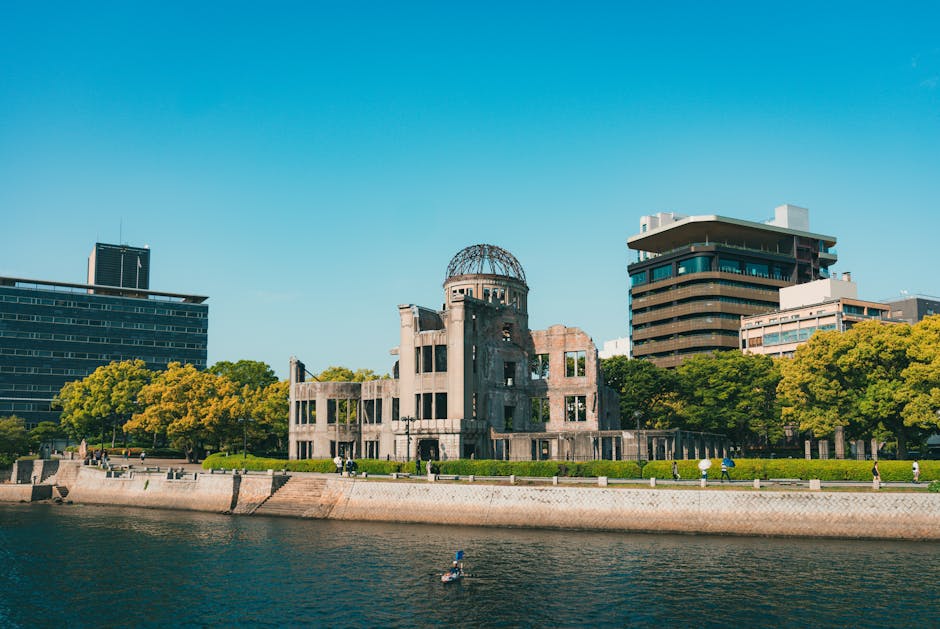
Discover Hiroshima’s architectural evolution from pre-war survivors to visionary modernist masterpieces on this self-guided walking route.
 Easy
EasyHiroshima, Japan
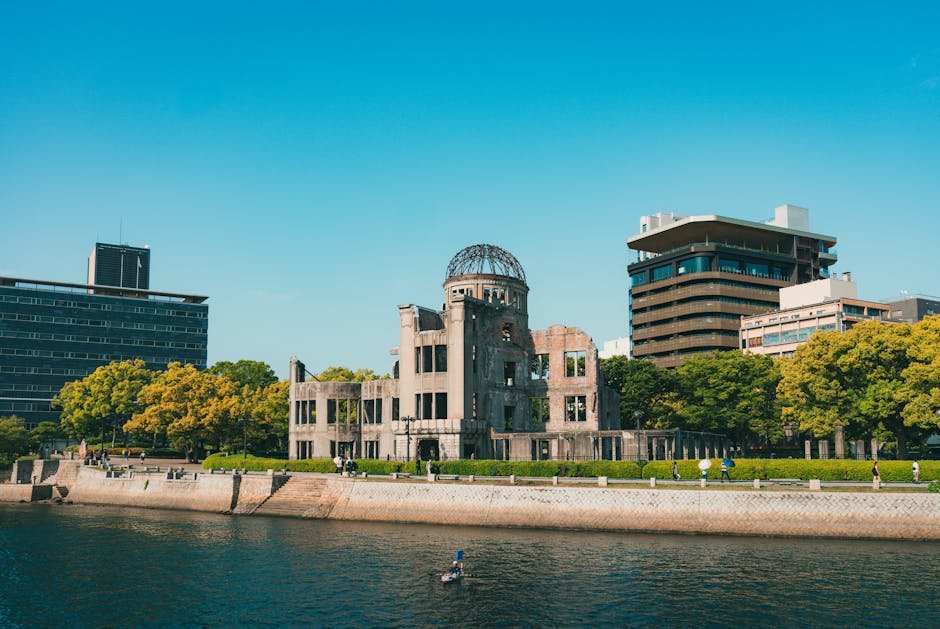
Explore Hiroshima's electric Nagarekawa district. A self-guided walk through neon alleys, savory street food, and hidden local culture.
 Easy
EasyHiroshima, Japan
Explore Hiroshima's creative spirit on this self-guided walk through iconic peace monuments, artisan shops, and modern design hubs.
 Easy
EasyHelsinki, Finland
Discover Helsinki's oldest neighborhood on this self-guided audio walk through Kruununhaka’s historic streets, hidden courtyards, and scenic shores.
 Easy
EasyGothenburg, Sweden
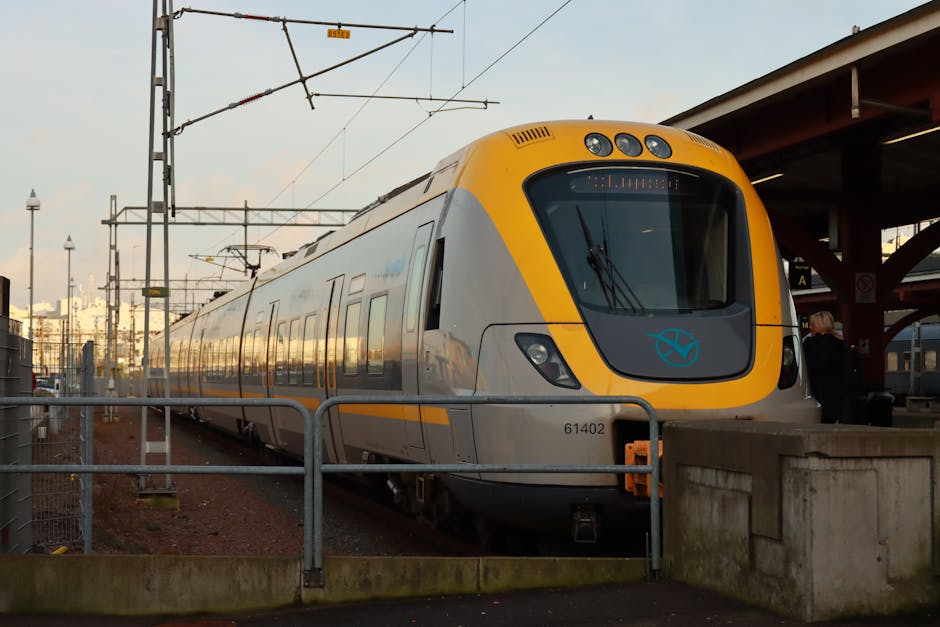
Discover Gothenburg’s 17th-century Dutch foundations, historic canals, and military fortifications on this self-guided architectural walk.
 Easy
EasyKrakow, Poland
Explore the prestigious Jagiellonian University district, featuring Neo-Gothic architecture, Baroque churches, and Krakow's hidden scholarly gems.
 Easy
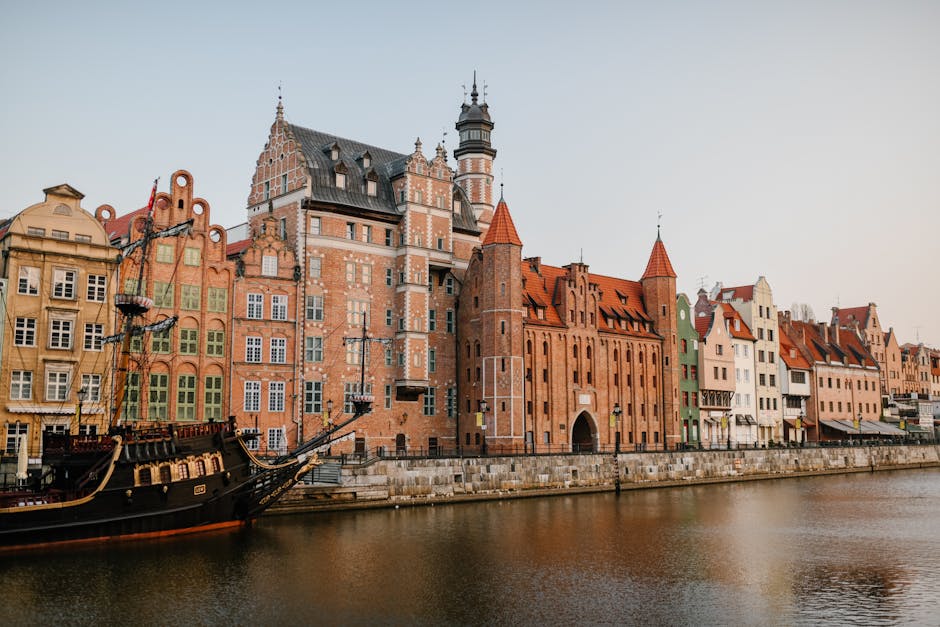
EasyGdansk, Poland
Discover the monastic heritage, world-famous organs, and lush botanical gardens of Oliwa on this peaceful self-guided neighborhood stroll.
 Moderate
Tokyo, Japan
Discover Tokyo's premier creative district on this self-guided walk through Roppongi’s world-class museums and striking modern architecture.
 Easy
EasyTokyo, Japan
Discover the 'Old Tokyo' charm of Yanaka on this self-guided walk through historic temples, artisan alleys, and a stunning torii gate shrine.
 Easy
EasyTokyo, Japan
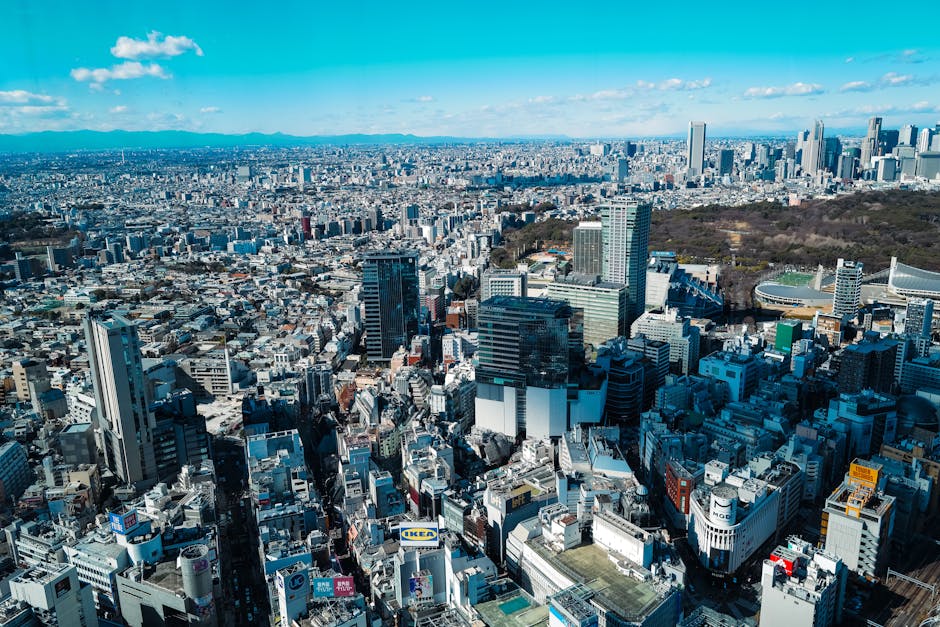
Experience Shibuya's electric energy on this self-guided walk from the iconic Scramble Crossing to the panoramic views of Shibuya Sky.
 Easy
EasyTokyo, Japan
Explore Tokyo's indie heart. From vintage fashion in Shimokitazawa to world-class art in Shinjuku, discover the city's creative soul independently.