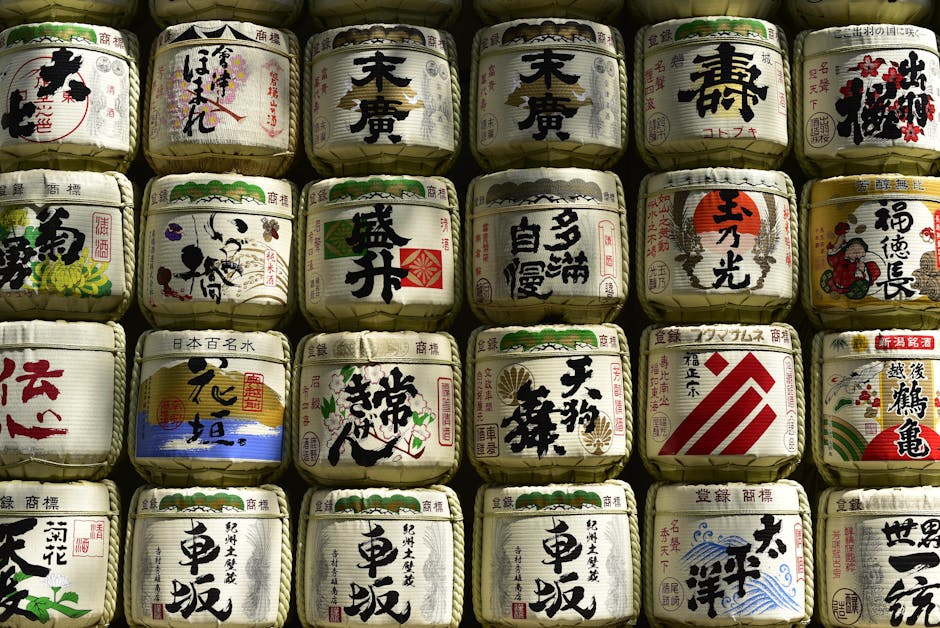
Self-guided audio tour in Tokyo
Start Free on iPhone
Start free on iPhone to unlock this self-guided walking tour in Tokyo. Hear all the stories that make it amazing, walk at your own pace, and begin whenever you want.
Your Private Tour Guide
Escape the glass-and-steel glare of central Tokyo and step into the bohemian soul of the city with this self-guided walk. This route invites you to explore the creative pulse of Western Tokyo, beginning in the scholarly and artistic enclave of Komaba before diving into the heart of Shimokitazawa—a neighborhood famous for its labyrinthine alleys, vintage treasures, and independent spirit. Unlike the high-octane energy of Ginza, this neighborhood stroll focuses on the 'unplugged' side of Japanese lifestyle, where the Mingei folk craft movement meets modern-day subcultures. As you begin your self-guided adventure, you will discover the Japan Folk Crafts Museum, a sanctuary for everyday beauty that set the stage for Japan's modern aesthetic. From there, the route transitions into the trendsetting streets of Shimokitazawa. You will encounter 'reload,' a contemporary complex that reimagines local commerce, and New York Joe, a vintage clothing icon housed in a former bathhouse. The journey continues through the vibrant Shimokitazawa Ichibangai Shotengai, where the aroma of curry and coffee fills the air, and past the Honda Theatre, the epicenter of Tokyo's indie stage scene. This walking route doesn't stop at the neighborhood's edge. It stretches toward the artistic landmarks of Shibuya and Shinjuku, including the serene Shōtō Museum of Art and the world-famous Hachiko Statue. You will explore the delicate world of Ukiyo-e at the Ōta Memorial Museum of Art and witness the architectural grandeur of Tokyo Opera City. The walk concludes with a nod to the literary and scientific side of Tokyo at IMAGINUS and the Setagaya Literary Museum. This exploration is perfect for those who want to see how Tokyo balances its rich heritage with a restless, creative future. Whether you are a record collector, a fashion enthusiast, or an art lover, this self-guided walk offers a deep dive into the hidden gems of the city's most expressive districts. Discover at your own pace and see why this area remains a local favorite for Tokyo's creative community. **Note:** This area is known for its ever-changing character. Street art, pop-up venues, and temporary exhibitions may differ from what's described. That's part of the adventure - you might discover something entirely new!
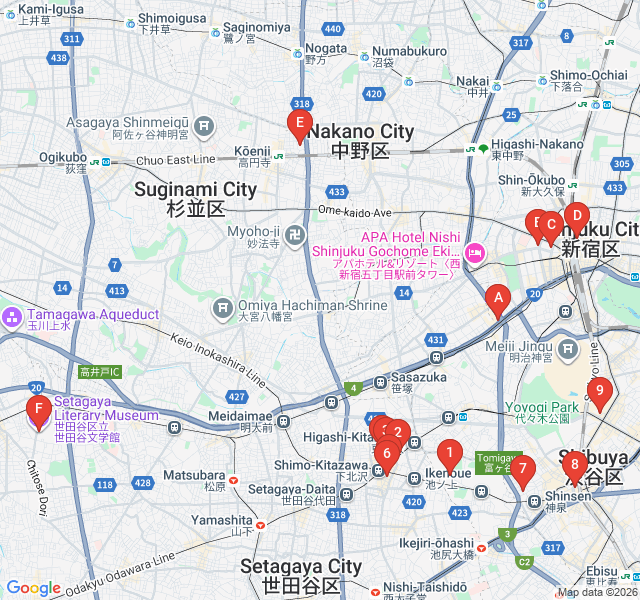
Numbers indicate the order of stops on the tour.
Start exploring with Zigway at the Japan Folk Crafts Museum, or Mingeikan. Established in 1936 by Soetsu Yanagi, this museum is the spiritual home of the Mingei movement. Yanagi believed that objects used in daily life—pottery, textiles, and woodwork—possessed a profound, unselfconscious beauty. The building itself is a masterpiece, blending traditional Japanese architecture with a serene, modern layout. As you explore the galleries, notice how the textures and simple forms of the 'handcrafted' items contrast with the mass-produced world outside. This museum set the foundation for the minimalist aesthetic that many people associate with Japan today.
Transition from the traditional to the cutting-edge at 'reload.' This minimalist, white-walled complex opened as part of the Shimokita Senragaya project, revitalizing the space above the old Odakyu Line tracks. It is not your typical shopping mall; it is a curated collection of independent boutiques, specialty coffee roasters, and bookstores. The architecture features open-air walkways and standing bars, encouraging a slow, communal pace. It represents the 'New Shimokita'—a sophisticated evolution of the neighborhood that maintains its indie roots while embracing modern design. Take a moment to enjoy the breeze on the upper terraces.
New York Joe is more than just a thrift store; it is a piece of local history. Look closely at the floor and the layout—you might notice something unusual. This building was once a traditional Japanese sento, or public bathhouse. The name 'New York Joe' is actually a clever Japanese pun: 'nyuyoku' means 'to bathe,' and 'jo' means 'place.' Today, instead of bathers, you will find racks of carefully curated vintage clothing. It is a cornerstone of the Shimokitazawa fashion scene, where high-quality second-hand pieces are traded daily. The energy here is a perfect example of how Tokyo repurposes its past for the next generation.
Stroll through the Ichibangai Shotengai, the main artery of old Shimokitazawa. This shopping street is a sensory delight, packed with long-standing grocery stores, tiny curry shops, and hole-in-the-wall bars. While many parts of Tokyo have been modernized, Ichibangai retains a nostalgic 'Showa-era' charm. It is the best place to witness the daily life of the neighborhood. Keep an eye out for the colorful signs and the occasional street performer. The atmosphere changes as the day progresses, turning from a quiet morning market into a vibrant, neon-lit social hub by evening.
The Honda Theatre is the heart of Tokyo's 'off-Broadway.' Founded in 1982 by Kazuo Honda, a former actor, it transformed Shimokitazawa from a quiet residential area into a cultural powerhouse for the performing arts. For decades, it has hosted avant-garde plays and served as a launchpad for some of Japan's most famous actors and playwrights. Even if you don't step inside for a show, the theater’s presence defines the neighborhood's artistic identity. The surrounding streets are filled with smaller 'pocket theaters,' creating a dense ecosystem of creativity that is unique in the city.
To find Flash Disc Ranch, you have to look up. Located on the second floor and marked by a distinctive mural, this is a pilgrimage site for vinyl lovers. Shimokitazawa is famous for its record shops, but Flash Disc Ranch is legendary for its massive selection and 'no-nonsense' vibe. In an era of digital streaming, this shop keeps the physical music culture alive. The crates are packed with everything from jazz and soul to rare Japanese city pop. The smell of old paper and the sound of a needle on a groove provide a quintessential 'unplugged' Tokyo experience.
Moving toward Shibuya, you will find the Shōtō Museum of Art, tucked away in an upscale residential district. The building itself, designed by architect Seiichi Shirai, is a work of art. Its granite facade and dramatic interior fountain create a contemplative atmosphere. The museum lacks a permanent collection, instead hosting rotating exhibitions that range from classical Japanese painting to contemporary international works. It is a 'hidden gem' that offers a peaceful escape from the nearby chaos of the Shibuya Scramble, proving that world-class art can be found in the most unexpected corners of the city.
No walking route through Western Tokyo is complete without a stop at Hachiko. This small bronze statue commemorates the Akita dog who waited for his deceased owner at Shibuya Station every day for nearly ten years. While it is the city's most famous meeting point, it also serves as a symbol of loyalty and the deep connection between the Japanese people and their history. Standing here, you are at the intersection of Tokyo’s past and its future. Look around at the towering screens and the sea of people crossing the street—this is the kinetic energy that feeds the city's creative output.
In the heart of Harajuku lies the Ōta Memorial Museum of Art, a specialized gallery dedicated to Ukiyo-e, or Japanese woodblock prints. The collection features over 14,000 works, including masterpieces by Hokusai and Hiroshige. Because these prints are sensitive to light, the exhibitions change every month, offering a fresh perspective on the 'floating world' of the Edo period. The museum requires you to remove your shoes and step onto tatami-style flooring in some areas, grounding you in the traditional customs that inspired the artists centuries ago.
As you move toward Shinjuku, the scale of the art changes. The Tokyo Opera City Art Gallery is a massive, high-ceilinged space that focuses on contemporary art. It is famous for its 'Project N' series, which showcases emerging Japanese artists, and its large-scale solo exhibitions of international creators. The architecture of the gallery, with its soaring wooden ceilings and natural light, is designed to make the art feel accessible and grand. It is a hub for the modern intellectual, connecting the performing arts of the opera house with the visual arts of the gallery.
In the shadow of the Shinjuku skyscrapers stands Robert Indiana's iconic 'LOVE' sculpture. This pop art landmark is a favorite for photographers and a rare piece of Western public art in the heart of Tokyo's business district. While there are versions of this sculpture all over the world, the one in Shinjuku has become a symbol of the neighborhood's international outlook. It serves as a colorful, humanizing touch among the corporate headquarters and serves as a bridge between the commercial world and the artistic spirit of the city.
The SOMPO Museum of Art is home to one of the most famous paintings in the world: Vincent van Gogh's 'Sunflowers.' Originally located inside the Sompo Japan building, the museum moved to a stunning new standalone building in 2020 with a curved, elegant design. While 'Sunflowers' is the star attraction, the museum also houses a significant collection of works by Seiji Togo and other modern masters. The gallery spaces are intimate and quiet, offering a rare opportunity to stand face-to-face with masterpieces of European and Japanese modernism in the middle of Shinjuku.
Enter the world of neon at the Kabukicho Main Gate. This red archway marks the entrance to Asia's largest entertainment district. While it is famous for its nightlife, Kabukicho is also a place of immense visual creativity, from the giant Godzilla head peering over the Toho Cinemas to the elaborate facades of themed bars. It represents the 'vibrant' tag of our walk—a place where the boundaries of art, commerce, and subculture blur. Walking through here provides a stark contrast to the quiet folk craft museum where you began, showing the full spectrum of Tokyo's identity.
Located in a repurposed school building in Suginami, IMAGINUS is a unique 'science and art' hub. It focuses on the 'curiosity' that drives both scientific discovery and artistic creation. The space hosts workshops, interactive exhibits, and community events that encourage visitors to experiment and play. It is a fantastic example of how Tokyo utilizes its vacant urban spaces to foster community and education. The atmosphere here is playful and experimental, reflecting the DIY spirit that underpins much of Tokyo’s indie culture. Please note that exhibits change frequently, so there is always something new to discover.
Conclude your self-guided adventure at the Setagaya Literary Museum. Setagaya has long been a residential haven for writers, and this museum celebrates the rich literary history of the area. The museum features permanent exhibits on local authors as well as rotating displays on everything from manga to world literature. The building is surrounded by a peaceful water garden, providing a perfect spot for reflection after your journey across the city. It is a reminder that beneath Tokyo's visual noise lies a deep, quiet love for the written word and the stories that shape our lives.
Start Free on iPhone
Explore “Shimokitazawa Unplugged: Vintage Fashion and Indie Vibes” with your very own Private Tour Guide with Zigway. Start free on iPhone, skip the large group and the fixed routes, and hear the city come alive as you go.
Your Private Tour Guide
Don't miss the good stuff
Explore Freely
 Moderate
Tokyo, Japan
Discover Tokyo's premier creative district on this self-guided walk through Roppongi’s world-class museums and striking modern architecture.
 Easy
EasyTokyo, Japan
Discover the 'Old Tokyo' charm of Yanaka on this self-guided walk through historic temples, artisan alleys, and a stunning torii gate shrine.
 Easy
EasyTokyo, Japan
Experience Shibuya's electric energy on this self-guided walk from the iconic Scramble Crossing to the panoramic views of Shibuya Sky.
 Easy
EasyTokyo, Japan
Explore Tokyo's Electric Town on this self-guided walk. Discover retro gaming, anime culture, and hidden artisan workshops under the train tracks.
 Moderate
Gdansk, Poland
Discover Zaspa, a massive open-air gallery where grey housing blocks are transformed by over 60 monumental murals. Explore at your own pace.
 Moderate
Nairobi, Kenya
Discover the creative soul of Nairobi on this self-guided walk through the city's premier art galleries, markets, and artisan workshops.
 Moderate
Nairobi, Kenya
Discover the pulse of Nairobi's contemporary art scene on this self-guided walk through the galleries and creative spaces of Kilimani.
 Easy
EasyKrakow, Poland
Discover Krakow’s creative soul in Zabłocie, exploring industrial heritage, contemporary art museums, and avant-garde architecture at your own pace.
 Moderate
Kyoto, Japan
Discover the soul of old Kyoto on this self-guided walk through preserved stone lanes, iconic pagodas, and the grand wooden stage of Kiyomizu-dera.
 Challenging
Kyoto, Japan
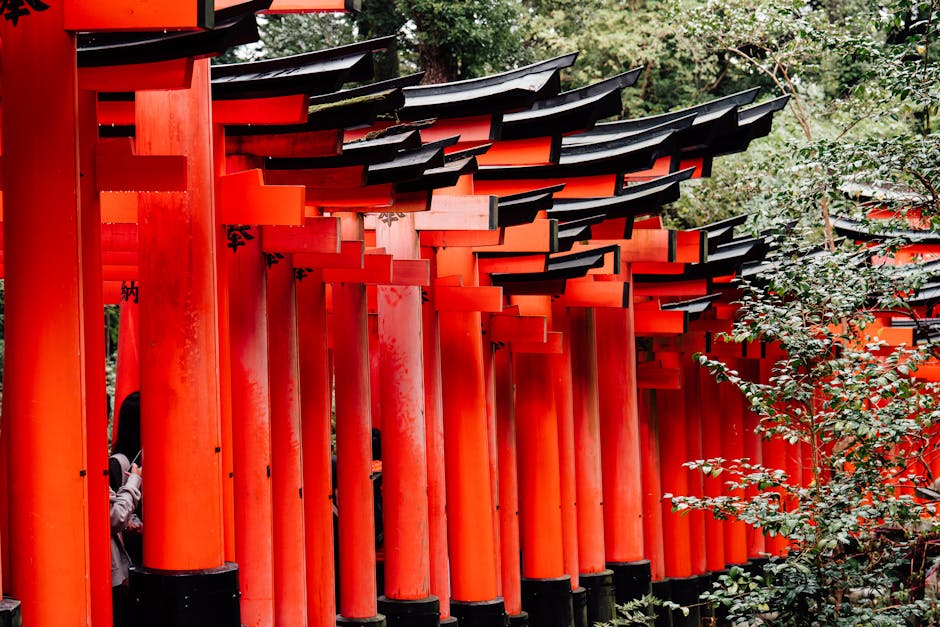
Ascend the sacred Mount Inari through thousands of vermillion torii gates on this challenging and spiritual self-guided walk in Kyoto.
 Easy
EasyKyoto, Japan
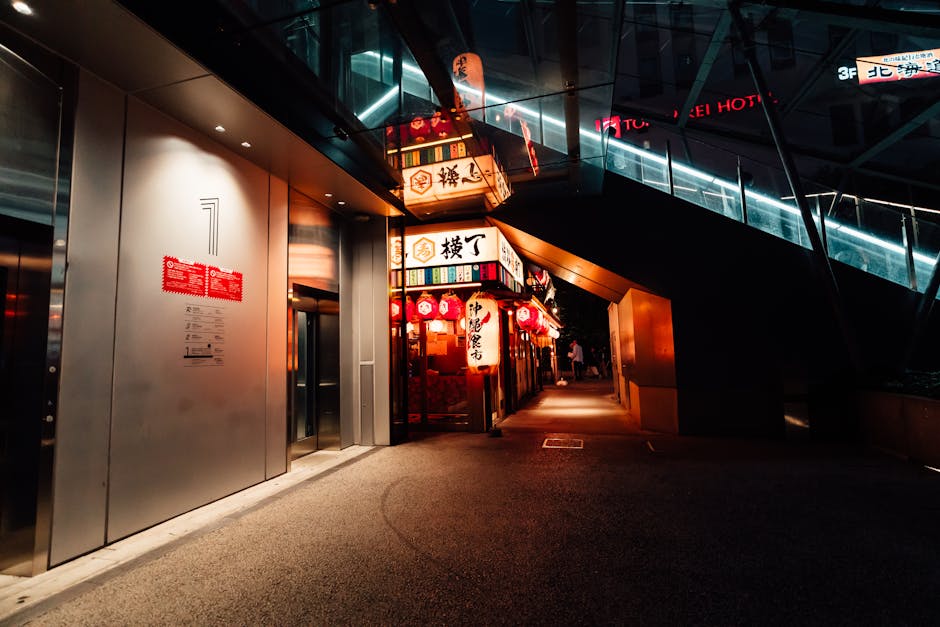
Explore Kyoto's most atmospheric alleyway. Discover geiko history, riverside dining, and hidden nightlife on this self-guided evening stroll.
 Moderate
Kyoto, Japan
Experience a serene self-guided walk along Kyoto's iconic Philosopher's Path, visiting Zen temples, hidden shrines, and the stunning Silver Pavilion.