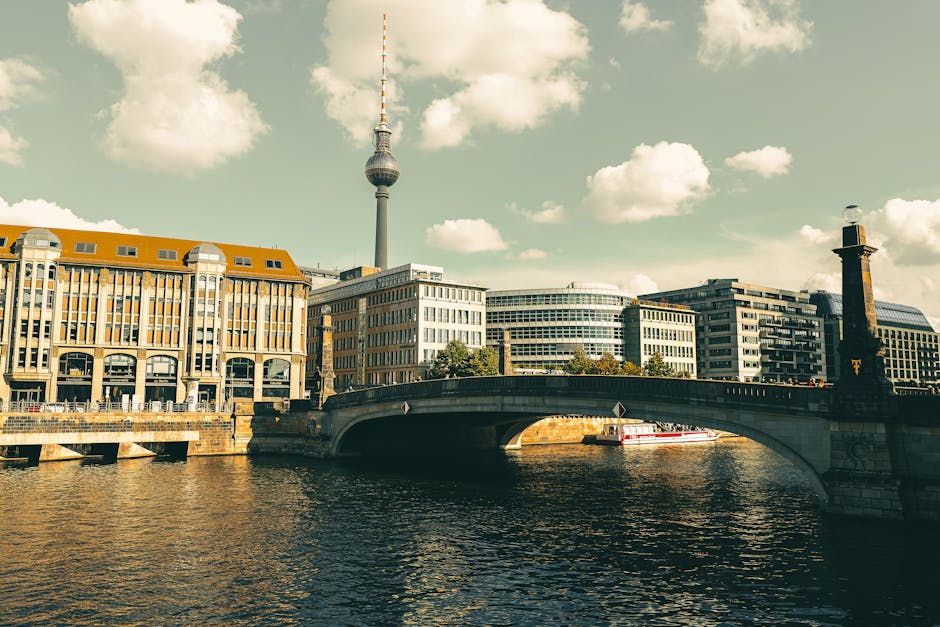
Self-guided audio tour in Berlin
Start Free on iPhone
Start free on iPhone to unlock this self-guided walking tour in Berlin. Hear all the stories that make it amazing, walk at your own pace, and begin whenever you want.
Your Private Tour Guide
Step into a living museum of mid-century modernism in Berlin's Hansaviertel. This neighborhood stroll takes you through one of the most ambitious urban planning projects of the Cold War era. Following the devastation of World War II, West Berlin sought to create a 'city of tomorrow' that would stand in stark contrast to the monumental socialist classicism being built in East Berlin. The result was the 1957 Interbau (International Building Exhibition), which invited 53 world-renowned architects from 13 countries to realize their vision of modern, democratic living within a park-like setting. On this self-guided walk, you will encounter a high concentration of masterpieces by the titans of the International Style. The route begins at the Academy of Arts, a low-slung complex that perfectly illustrates the era's desire to blend indoor and outdoor spaces. From there, you will wander past the striking pilotis and colorful facades of Oscar Niemeyer's only residential building in Germany and explore the Eternithaus, which showcases the experimental use of industrial materials. This walking route Berlin highlights isn't just about individual buildings; it's about the voids between them—the lush greenery of the Tiergarten that flows seamlessly around these concrete and glass structures. At the heart of the district lies Hansaplatz, a functionalist center where you can see how the architects integrated daily needs like libraries and transit into their utopian vision. You will also see the Walter-Gropius-Haus, designed by the founder of the Bauhaus school, featuring his signature curved balconies and rationalist aesthetics. To conclude this architecture journey, the route heads west to St. Canisius, a contemporary masterpiece that continues the tradition of bold, minimalist design. Whether you are an architecture enthusiast or a curious traveler, this self-guided adventure offers a peaceful escape from the city's hustle and a deep dive into the ideals that shaped modern Berlin.
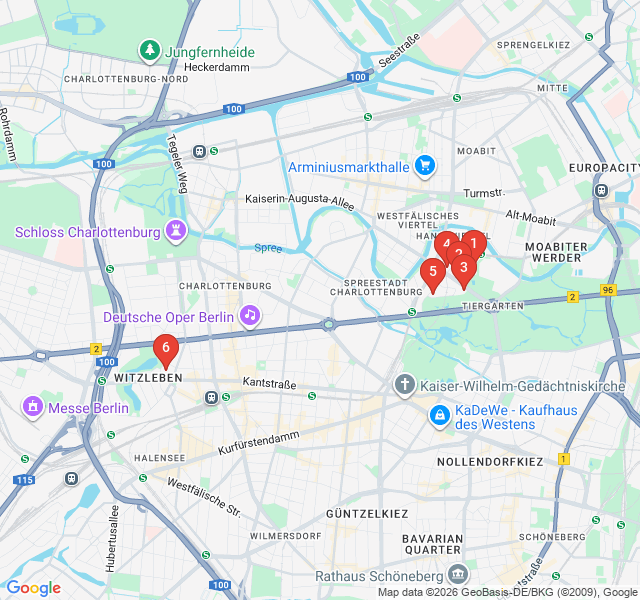
Numbers indicate the order of stops on the tour.
Welcome to the Hanseatenweg branch of the Academy of Arts. Designed by Werner Düttmann and opened in 1960, this complex is a prime example of post-war modernism. Notice how the building is divided into three distinct sections: the exhibition halls, the theater, and the studio space, all connected by glass-walled corridors. The design philosophy here was 'transparency.' By using large glass panes and internal courtyards, Düttmann brought the surrounding Tiergarten greenery inside, reflecting the democratic ideal of an open society. It remains one of Berlin’s most important venues for contemporary art and performance, maintaining the spirit of artistic freedom that the Interbau project aimed to promote.
Standing before you is the only residential building in Germany designed by the legendary Brazilian architect Oscar Niemeyer. Famous for his work on Brasília, Niemeyer brought his signature sculptural style to the Hansaviertel. Look at the ground floor: the building is raised on V-shaped concrete pillars, known as pilotis, which allow the landscape to flow underneath. Another striking feature is the elevator tower, which is detached from the main structure and connected by bridges. This wasn't just an aesthetic choice; it was a way to minimize noise and vibration for the residents. The bright colors on the balconies are a classic Niemeyer touch, adding a sense of tropical rhythm to the Berlin skyline.
This elegant, light-weight structure is the Eternithaus, designed by Paul Baumgarten. It gets its name from the Eternit company, which sponsored the building to showcase the versatility of asbestos-cement panels—a material considered cutting-edge in 1957. The building appears to float above the ground, supported by slender steel columns. The upper floors were designed as 'maisonettes' (two-story apartments), a popular concept in modernist housing to provide a house-like feel within a collective building. Today, it serves as a reminder of the era's fascination with industrial materials and the desire to create affordable yet high-quality housing for the masses.
Hansaplatz is the social heart of the Hansaviertel. Unlike traditional European squares enclosed by buildings, this is an 'open' square where architecture and nature coexist. Around you, you'll see the Hansabücherei (public library) and the Grips-Theater. The U-Bahn station here is also a protected monument, featuring the iconic yellow tiling typical of Berlin's mid-century transit design. This square was intended to be a 'community center in the green,' providing all the necessary amenities of urban life—culture, education, and transportation—within a short walk from the surrounding residential blocks. It perfectly encapsulates the 'City of Tomorrow' concept.
This impressive curved block was designed by Walter Gropius, the founder of the Bauhaus school. By the time of the Interbau in 1957, Gropius was living in the United States, but he returned to Berlin to contribute to this project. The building is notable for its slightly concave shape and the way the balconies are angled to catch the sun and provide views of the park. Gropius was a master of functionalism, and here you can see how he used standardized elements to create a sense of rhythm and elegance. Notice the vibrant red and white panels; they were intended to break up the mass of the building and give it a more human scale.
To reach our final stop, we’ve moved slightly west of the main Hansaviertel cluster to see a more recent interpretation of modernism. St. Canisius, completed in 2002 by architects Büttner, Braun, and Sprow, replaced an earlier church that was destroyed by fire. This building is a masterclass in minimalist concrete architecture. It consists of two interlocking cubes of different heights, creating a soaring, light-filled interior that feels both monumental and intimate. The use of raw, fair-faced concrete and clear geometric lines continues the spirit of the architects you saw earlier, proving that the ideals of modernism are still a vital part of Berlin’s architectural identity.
Start Free on iPhone
Explore “Hansaviertel: A Modernist Architecture Utopia” with your very own Private Tour Guide with Zigway. Start free on iPhone, skip the large group and the fixed routes, and hear the city come alive as you go.
Your Private Tour Guide
Don't miss the good stuff
Explore Freely
 Easy
EasyBerlin, Germany
Explore the sites of Nazi power and the memorials that honor its victims on this self-guided walk through Berlin's historic Wilhelmstraße district.
 Moderate
Berlin, Germany
Explore Berlin’s 'Green Heart' on a self-guided walk through royal history, Cold War memorials, and serene lakeside gardens.
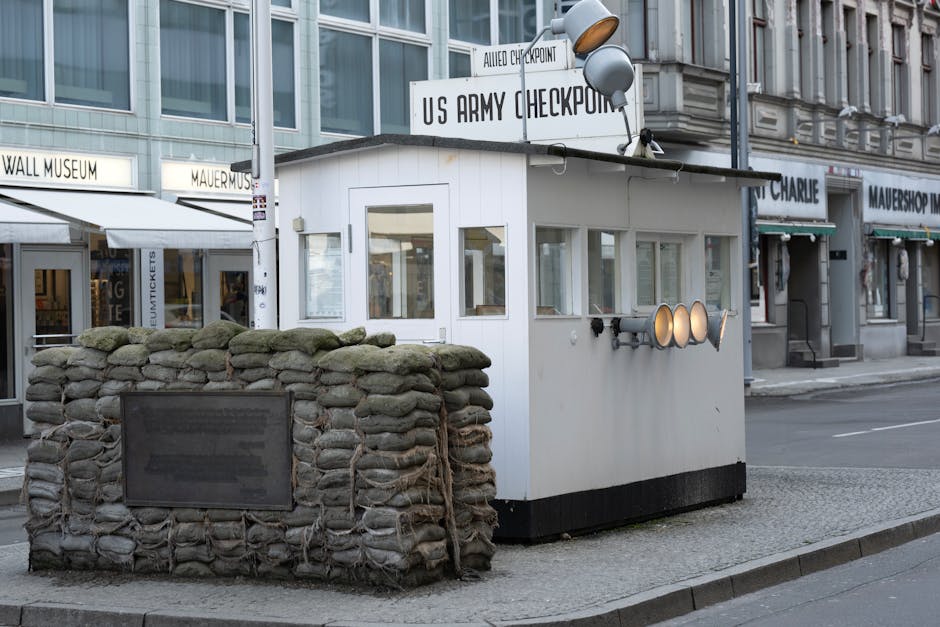 Moderate
Berlin, Germany
Discover the legacy of the Berlin Wall on this self-guided walk from historic ghost stations to the vibrant street art and cafes of Mauerpark.
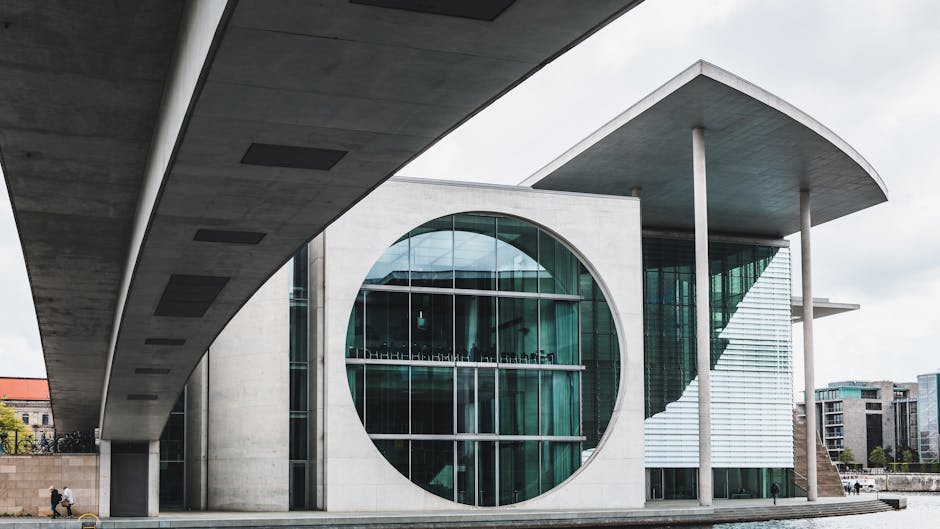 Easy
EasyBerlin, Germany
Discover the soul of 1920s Berlin on a self-guided walk through Charlottenburg’s iconic literary cafes, historic theaters, and artistic landmarks.
 Easy
EasyHelsinki, Finland
Discover Helsinki's oldest neighborhood on this self-guided audio walk through Kruununhaka’s historic streets, hidden courtyards, and scenic shores.
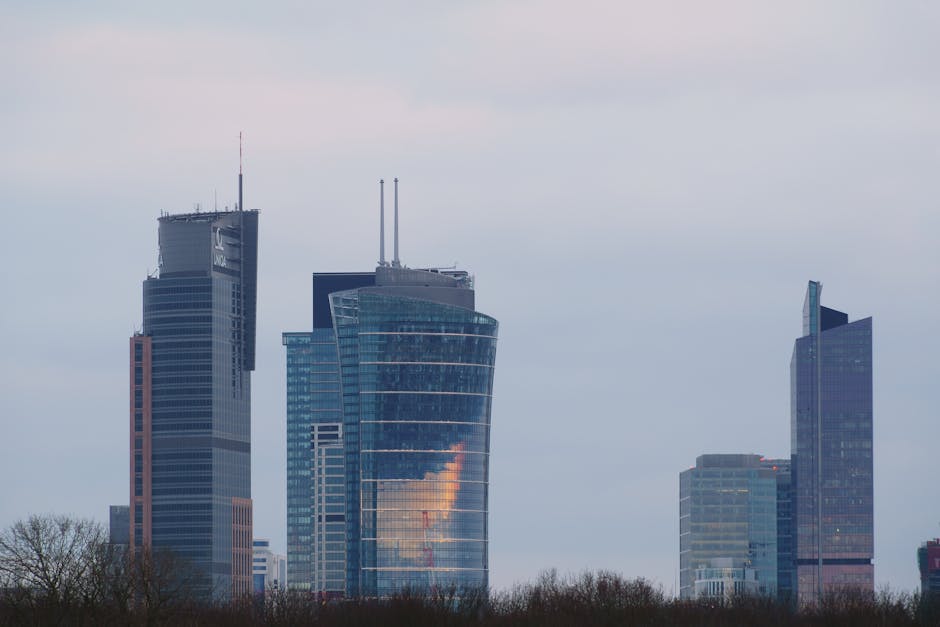 Easy
EasyWarsaw, Poland
Discover the hidden courtyards and grand pre-war architecture of Warsaw's most atmospheric neighborhood on this self-guided stroll.
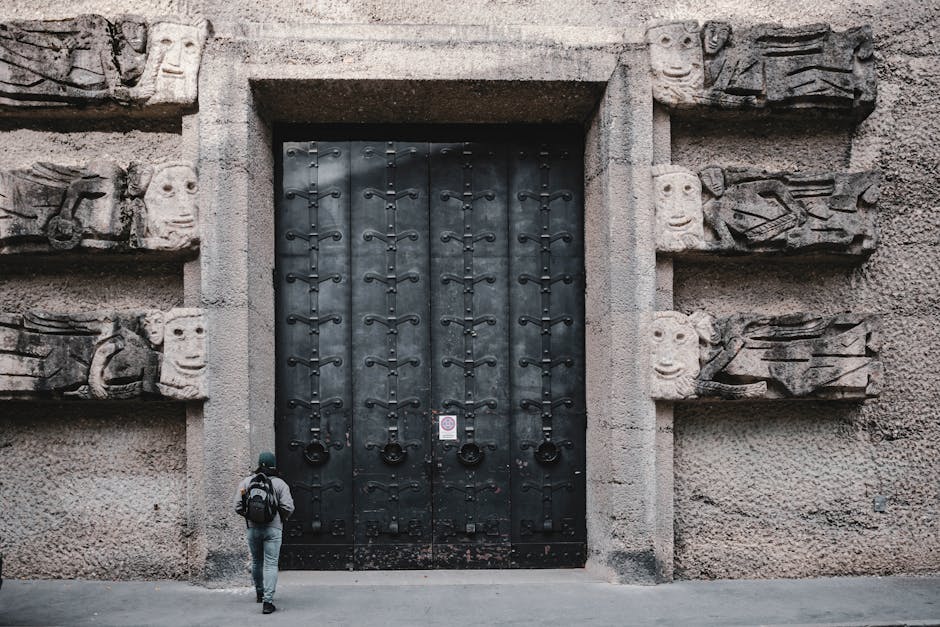 Easy
EasySalzburg, Austria
Discover Salzburg's oldest medieval alley, the birthplace of the 'Silent Night' author, and breathtaking views on this quiet self-guided walk.
 Easy
EasyNairobi, Kenya
Discover Nairobi's iconic skyline on this self-guided architecture walk through the CBD’s most famous modernist and Brutalist landmarks.
 Easy
EasyMunich, Germany
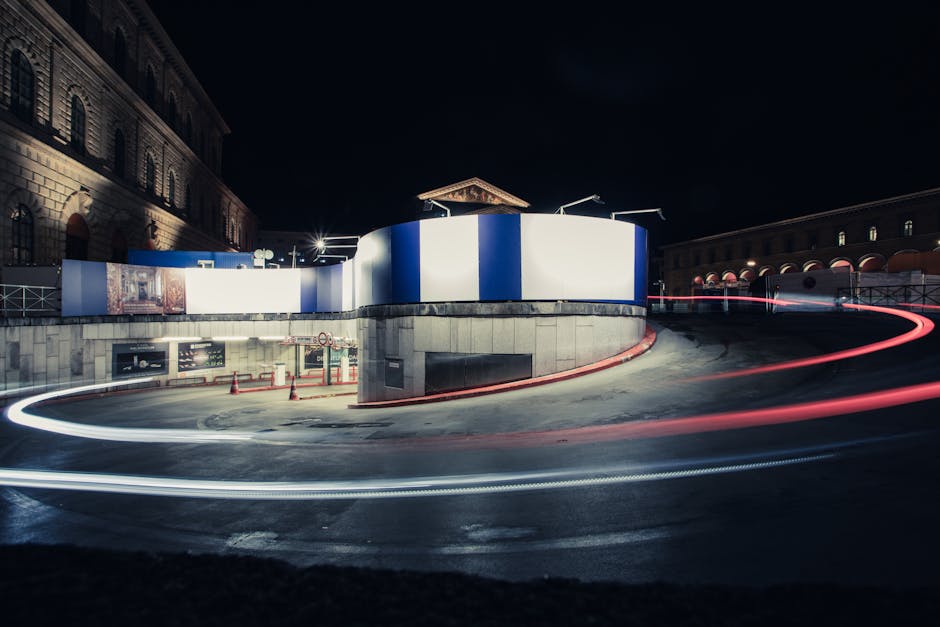
Explore Munich's creative heartbeat in Werksviertel-Mitte. Discover vibrant street art, upcycled containers, and rooftop sheep on this urban stroll.
 Moderate
Munich, Germany
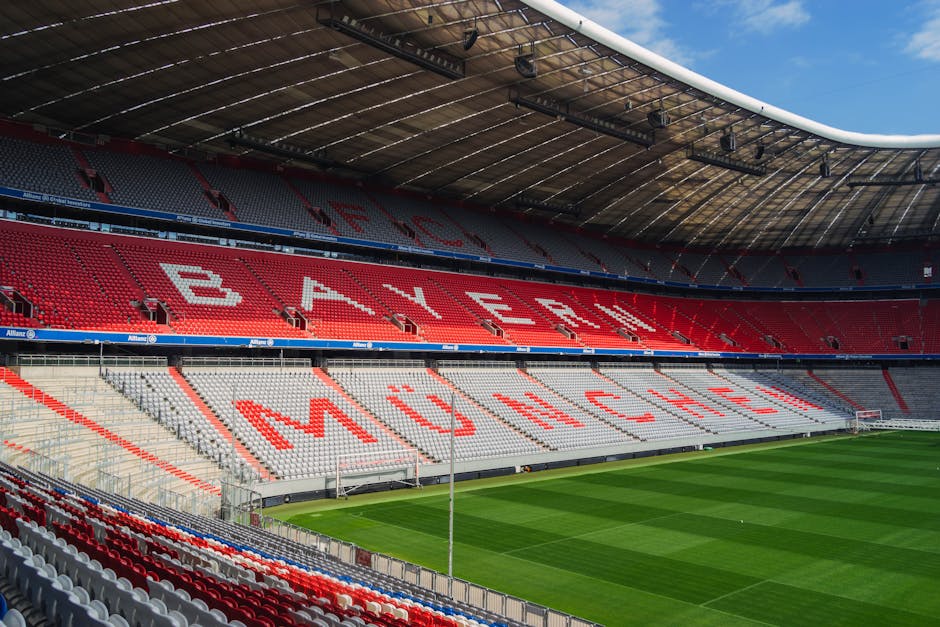
Discover river surfing, iconic Greek temples, and Bavarian beer culture on this scenic self-guided walk through Munich's English Garden.
 Easy
EasyMunich, Germany
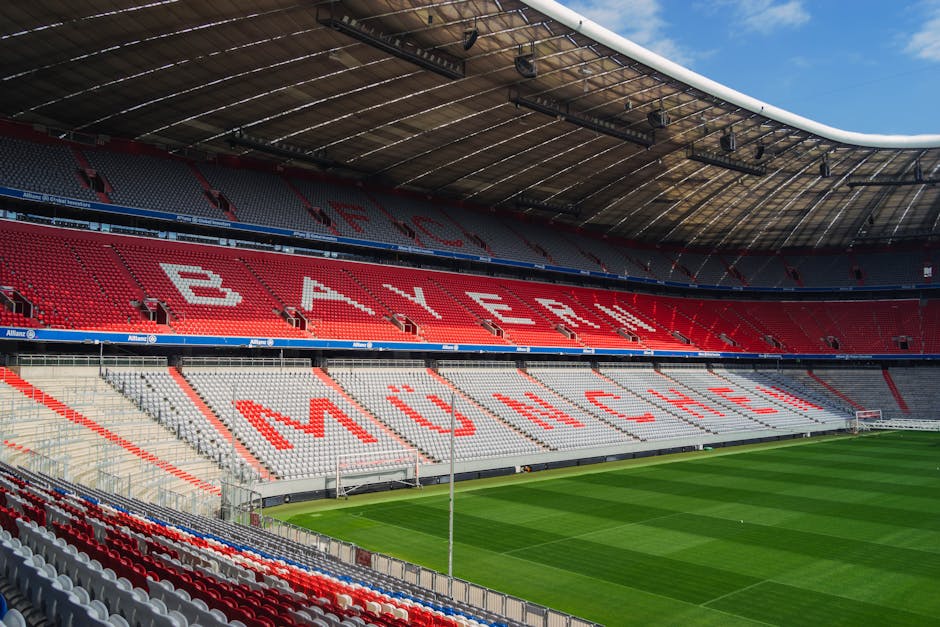
Discover Munich's culinary heart on this self-guided walk through the vibrant Viktualienmarkt and its legendary food stalls.
 Easy
EasyMunich, Germany
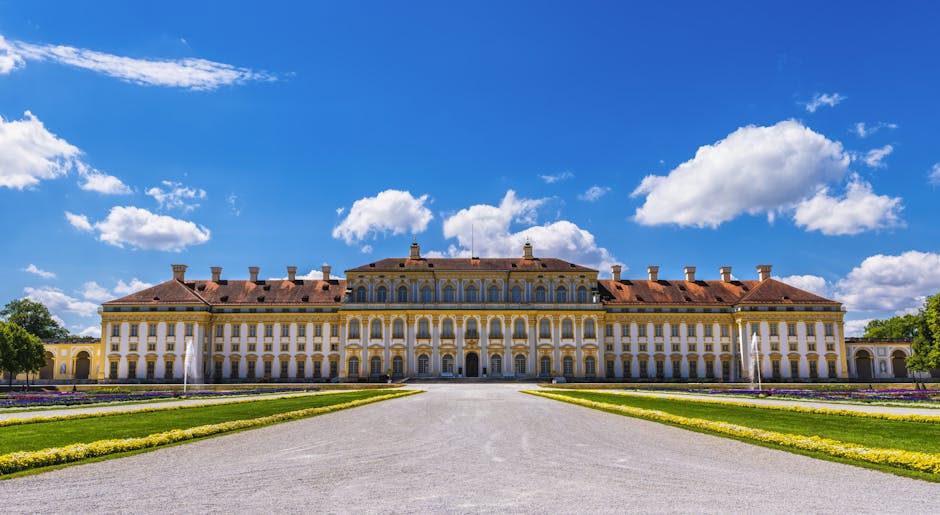
Explore the majestic gardens and hidden pavilions of the Wittelsbach summer residence on this peaceful, self-guided walking route in Munich.