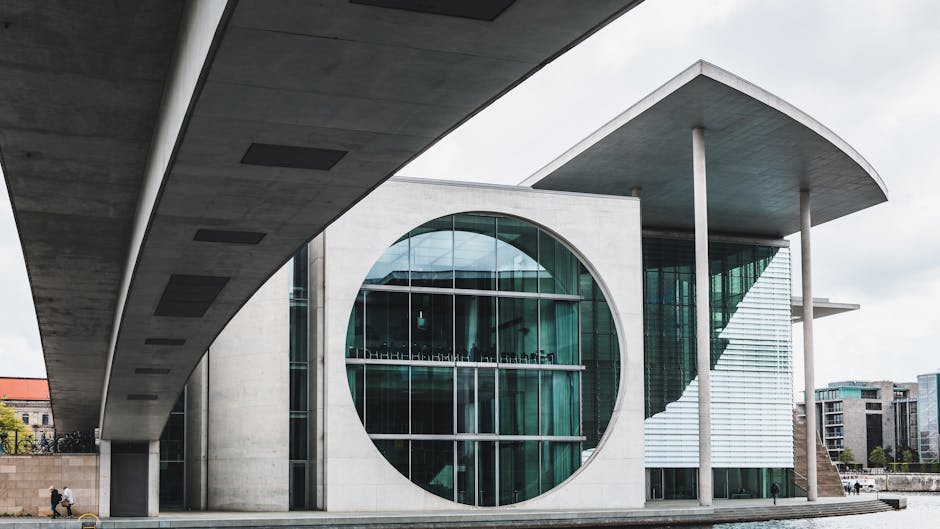
Self-guided audio tour in Berlin
Start Free on iPhone
Start free on iPhone to unlock this self-guided walking tour in Berlin. Hear all the stories that make it amazing, walk at your own pace, and begin whenever you want.
Your Private Tour Guide
Step back into the vibrant, intellectual heart of Berlin’s 'New West' on this self-guided walk through Charlottenburg. During the Golden Twenties, this neighborhood became the epicenter of Berlin’s cultural life, drawing writers, artists, and thinkers away from the old city center toward the grand boulevards and leafy squares of the west. This walking route invites you to explore the legacy of the Weimar Republic, a time of unprecedented creative freedom and social change. You will discover the places where the city’s intellectual elite gathered to debate philosophy over coffee and where the avant-garde redefined art and performance. Your journey begins near the regal grounds of Charlottenburg Palace at the Käthe Kollwitz Museum, dedicated to one of the most influential artists of the early 20th century. As you move through the neighborhood, the scenery shifts from royal grandeur to the refined elegance of the Literaturhaus, a stunning villa that serves as a sanctuary for book lovers. You will encounter the Stage Theater des Westens, a temple of operetta and dance that once hosted legends like Josephine Baker, and stroll down the Kurfürstendamm, Berlin’s answer to the Champs-Élysées, which reached its peak of glamour during the 1920s. This neighborhood stroll is more than just a history lesson; it is an immersion into the 'Charlottengrad' of the era—a nickname earned due to the influx of Russian émigrés who enriched the area's cultural fabric. The route concludes at Savignyplatz, a charming square that remains a bastion of Berlin’s literary and artistic spirit. Here, you can browse the unique shelves of the Bücherbogen bookstore, tucked beneath the S-Bahn arches, or relax in a traditional cafe just as the bohemians did a century ago. Whether you are an architecture enthusiast, a history buff, or a lover of literature, this independent travel experience offers a deep dive into the spirit of a bygone era that continues to shape Berlin’s identity today. Explore at your own pace and let the echoes of the 1920s guide you through these historic streets.
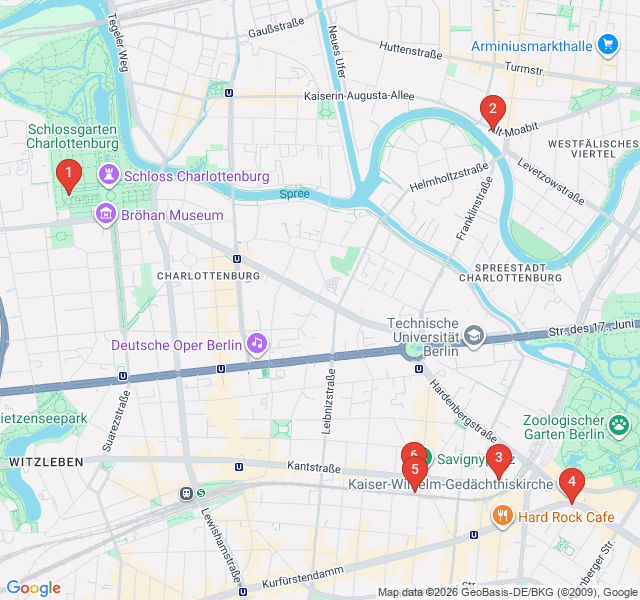
Numbers indicate the order of stops on the tour.
Begin your exploration at the Käthe Kollwitz Museum, now housed in the Theaterbau of Charlottenburg Palace. Käthe Kollwitz was a formidable figure in the German art world, known for her deeply emotional and socially conscious works. Living through the tumultuous years of the early 20th century, her art—ranging from etchings to sculptures—captured the struggles of the working class and the horrors of war. This museum offers an intimate look at her legacy within a building that reflects the classic architectural style of Berlin’s royal past. As you view her work, consider how her focus on the human condition provided a poignant counterpoint to the flashy hedonism often associated with the 1920s.
Located in a stunning late 19th-century villa on Fasanenstraße, the Literaturhaus is a cornerstone of West Berlin’s intellectual life. During the 1920s, this area was teeming with 'Literary Cafes' where writers like Christopher Isherwood and Erich Kästner might be found. The villa itself escaped the heavy destruction of World War II, preserving its grand staircase and ornate ceilings. Today, it serves as a venue for readings and exhibitions, but many visitors come specifically for the Wintergarten cafe. It is the perfect place to imagine the heated debates of Weimar-era intellectuals while surrounded by lush greenery and towering bookshelves.
As you approach the Stage Theater des Westens, notice the extravagant Wilhelmine architecture. Opened in 1896, this theater became the premier stage for operettas and musical comedies during the Golden Twenties. It was here that the 'Charlottenburg chic' was on full display. The theater hosted international stars, including Josephine Baker, who shocked and delighted Berlin audiences with her performances. The building’s blend of Renaissance and Baroque revival styles serves as a reminder of the district's affluent roots and its role as a playground for the city’s elite during the Weimar Republic's brief but brilliant cultural flowering.
The Kurfürstendamm, or Ku'damm, is Berlin’s most famous boulevard. In the 1920s, it was the heart of the 'New West,' a rival to the old city center’s Unter den Linden. This was the place to see and be seen, lined with high-end fashion boutiques, cinemas, and legendary establishments like the Romanisches Café, where the city’s artistic 'brain trust' gathered. While much of the street was modernized after the war, the spirit of the 1920s remains in the grand proportions of the sidewalks and the lingering sense of luxury. Take a moment to imagine the street filled with vintage cars and elegantly dressed Berliners heading to a jazz club.
Tucked directly beneath the brick arches of the S-Bahn railway, Bücherbogen is one of Berlin’s most iconic bookstores. Specializing in art, architecture, and photography, its curved ceilings and industrial atmosphere provide a unique backdrop for browsing. This shop is a modern continuation of the neighborhood's long-standing bibliophilic tradition. The sound of trains rumbling overhead adds a rhythmic, urban soundtrack to your visit, grounding the artistic focus of the store in the functional, industrial reality of Berlin’s transport history. It is a favorite haunt for local creatives and those looking for rare design volumes.
Your walking route concludes at Savignyplatz, a square that has retained its bohemian charm for over a century. Designed in the late 19th century, it became a hub for the 'Russian Berlin' of the 1920s, when thousands of émigrés settled in Charlottenburg. The square is surrounded by historic restaurants and cafes that have served generations of artists and students. Look for the memorial plaques nearby that honor the many famous residents who once called these streets home. Today, Savignyplatz remains the perfect spot to sit on a park bench, enjoy the atmosphere, and reflect on the enduring cultural legacy of Berlin’s Golden Twenties.
Start Free on iPhone
Explore “Charlottenburg’s Golden Twenties: Literary Cafes and Art” with your very own Private Tour Guide with Zigway. Start free on iPhone, skip the large group and the fixed routes, and hear the city come alive as you go.
Your Private Tour Guide
Don't miss the good stuff
Explore Freely
 Easy
EasyBerlin, Germany
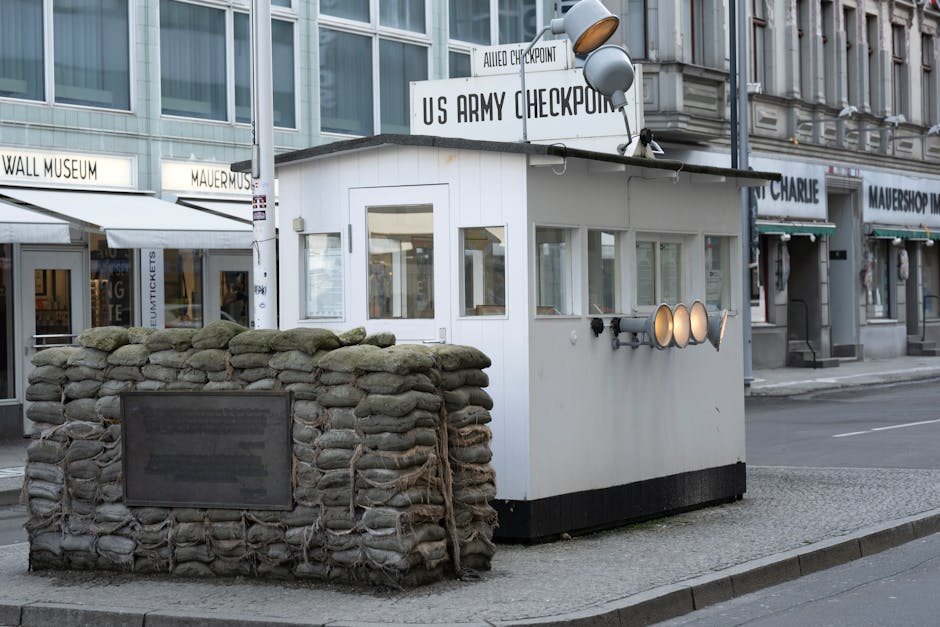
Explore the sites of Nazi power and the memorials that honor its victims on this self-guided walk through Berlin's historic Wilhelmstraße district.
 Moderate
Berlin, Germany
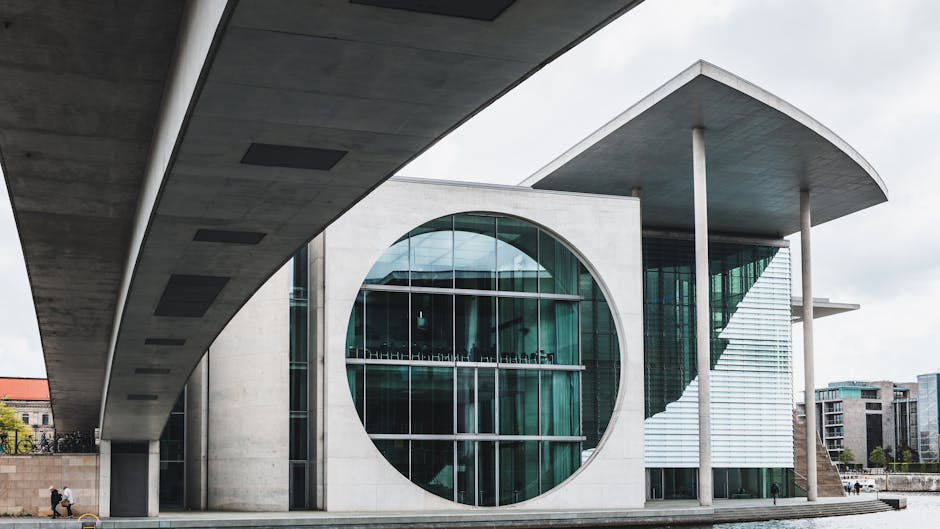
Explore Berlin’s 'Green Heart' on a self-guided walk through royal history, Cold War memorials, and serene lakeside gardens.
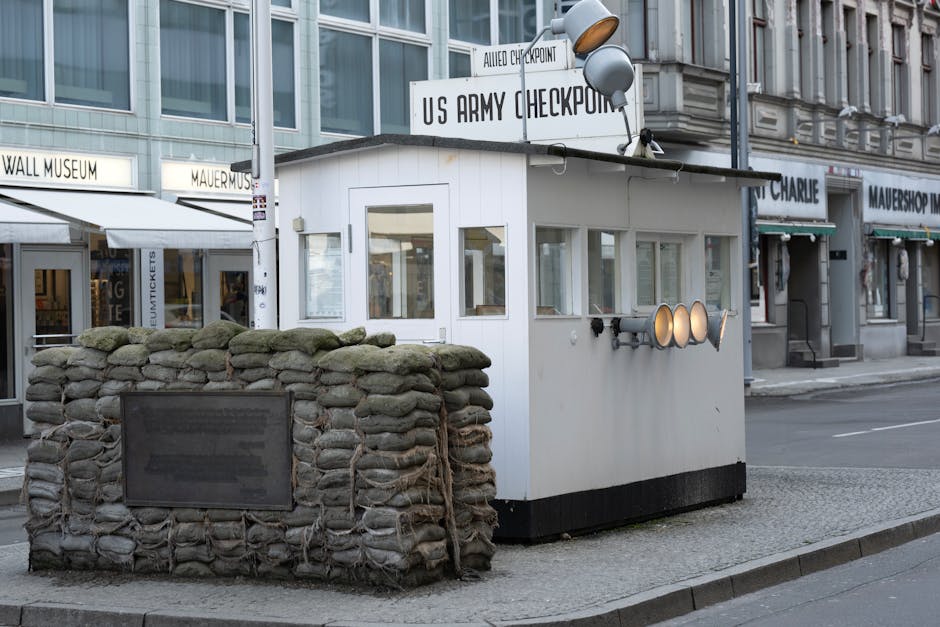 Moderate
Berlin, Germany
Discover the legacy of the Berlin Wall on this self-guided walk from historic ghost stations to the vibrant street art and cafes of Mauerpark.
 Easy
EasyBerlin, Germany
Explore the world's first queer neighborhood at your own pace. Discover the history of 1920s Berlin, Isherwood’s legacy, and iconic memorials.
 Easy
EasyNairobi, Kenya
Discover Nairobi’s literary soul on this self-guided walk through historic libraries, iconic bookshops, and cultural centers in the heart of the CBD.
 Easy
EasyKrakow, Poland
Explore the prestigious Jagiellonian University district, featuring Neo-Gothic architecture, Baroque churches, and Krakow's hidden scholarly gems.
 Easy
EasyWarsaw, Poland
Discover the hidden courtyards and grand pre-war architecture of Warsaw's most atmospheric neighborhood on this self-guided stroll.
 Easy
EasyKrakow, Poland
Explore the historic heart of Kazimierz on this self-guided walk through synagogues, ancient cemeteries, and vibrant squares.
 Easy
EasyMunich, Germany
Explore Munich's creative heartbeat in Werksviertel-Mitte. Discover vibrant street art, upcycled containers, and rooftop sheep on this urban stroll.
 Moderate
Munich, Germany
Discover river surfing, iconic Greek temples, and Bavarian beer culture on this scenic self-guided walk through Munich's English Garden.
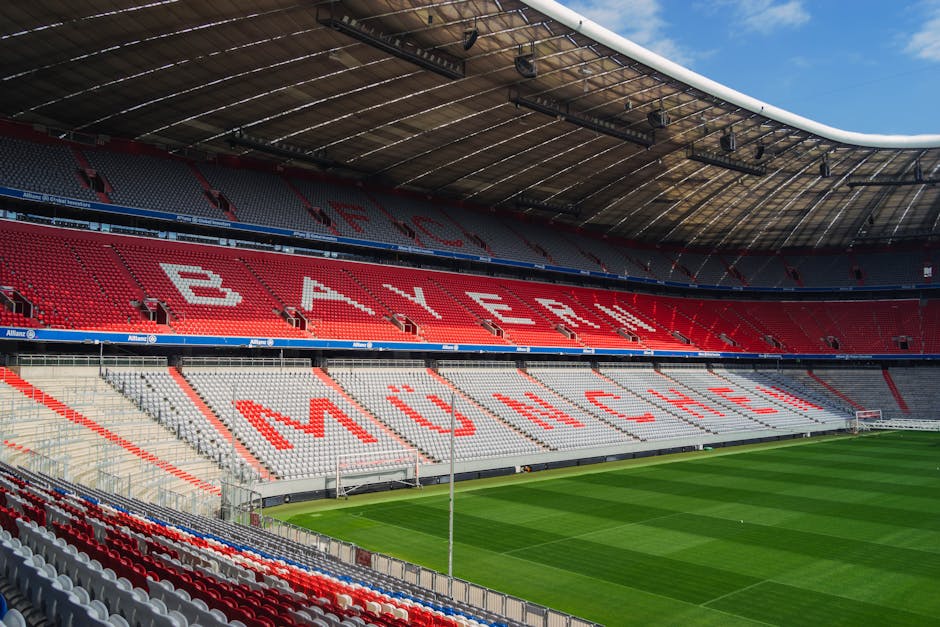 Easy
EasyMunich, Germany
Discover Munich's culinary heart on this self-guided walk through the vibrant Viktualienmarkt and its legendary food stalls.
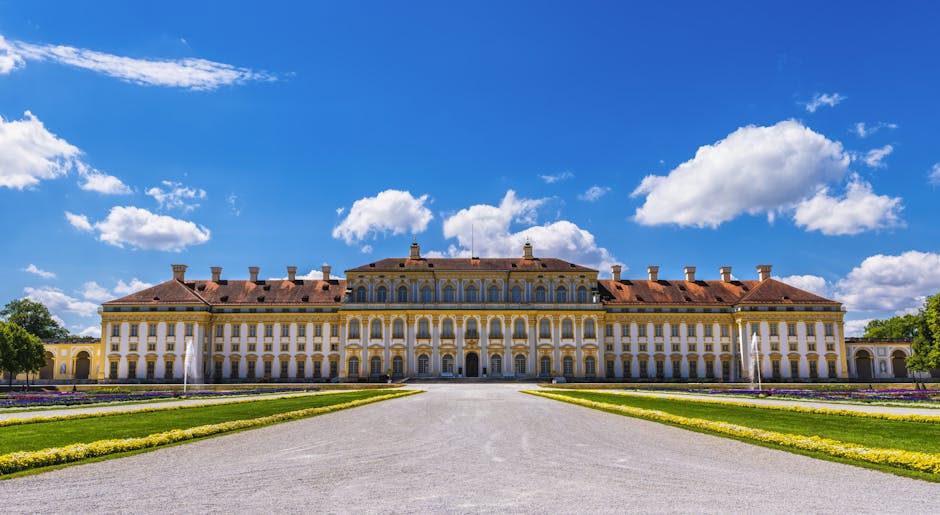 Easy
EasyMunich, Germany
Explore the majestic gardens and hidden pavilions of the Wittelsbach summer residence on this peaceful, self-guided walking route in Munich.