Self-guided audio tour in Berlin
Start Free on iPhone
Start free on iPhone to unlock this self-guided walking tour in Berlin. Hear all the stories that make it amazing, walk at your own pace, and begin whenever you want.
Your Private Tour Guide
Step into the heavy, complex heart of Berlin with this self-guided walk through the former government district. Once the nerve center of the Third Reich, Wilhelmstraße and its surroundings now serve as a powerful outdoor museum where architectural remnants and poignant memorials tell the story of Germany’s darkest chapter. This walking route offers an independent way to explore the layers of history that transformed Berlin from a seat of imperial power to the epicenter of a global conflict. On this neighborhood stroll, you will encounter the site of the infamous Führerbunker, where the regime reached its final, desperate end, and see the colossal Detlev-Rohwedder-Haus, one of the few surviving examples of Nazi architecture. The journey provides a deep dive into the mechanisms of the state and the human cost of its ideology. As you navigate the Mitte district, the route transitions from the bureaucratic headquarters of the past to the reflective spaces of the present. You will stand amidst the swaying concrete pillars of the Memorial to the Murdered Jews of Europe and walk along the former site of the Gestapo and SS headquarters at the Topography of Terror. This self-guided adventure is designed for those who wish to understand the physical and moral landscape of the 1930s and 40s without the constraints of a group. By following this walking tour Berlin, you can take as much time as needed at each site to read information panels and reflect on the historical weight of these locations. The route concludes at the haunting ruins of Anhalter Bahnhof, a once-grand railway station that witnessed both the height of Berlin’s urban pride and the tragic deportation of its citizens. Whether you are a first-time visitor or a history enthusiast, this audio walk provides a comprehensive look at the shadows cast by the Third Reich and the city's ongoing efforts to remember and educate.
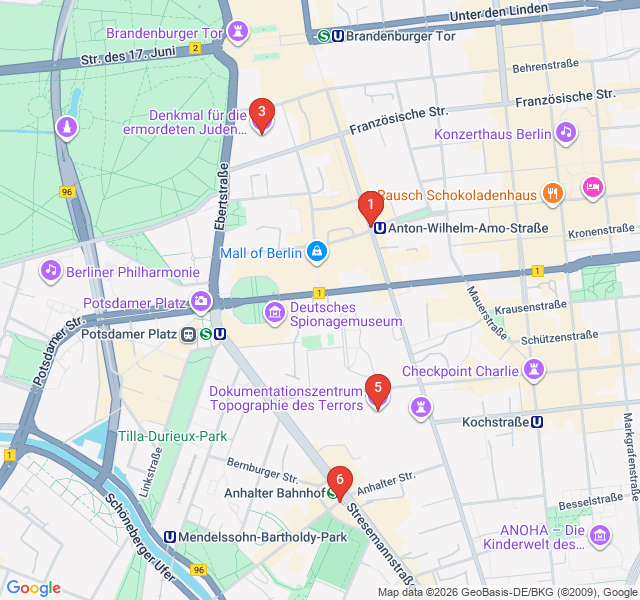
Numbers indicate the order of stops on the tour.
Welcome to Wilhelmstraße, a street that for over a century served as the political heart of Germany. During the 19th century, it was home to the Prussian elite, but by the 1930s, it had been transformed into the administrative center of the Third Reich. As you walk this stretch, imagine the massive, austere government buildings that once lined these sidewalks, housing the Reich Chancellery and various ministries. Today, much of that grandiosity is gone, replaced by modern apartments and offices, yet the weight of history remains. Look for the glass information panels along the street; these were installed to provide context to the invisible history beneath your feet, marking where the centers of power once stood before they were reduced to rubble during the Allied bombings of 1945.
You are standing above what was once the most infamous address in the world. Beneath this ordinary-looking parking lot and residential complex lies the site of the Führerbunker, the subterranean air-raid shelter where Adolf Hitler spent his final weeks and eventually took his own life in April 1945. For decades after the war, the East German government left the site unmarked to prevent it from becoming a neo-Nazi shrine. It wasn't until 2006 that this simple information board was installed. The bunker itself was largely destroyed and filled in during the late 1980s, but the diagram on the board reveals the complexity of the 30-room complex that once existed deep underground, symbolizing the claustrophobic end of a regime that once claimed it would last a thousand years.
This vast field of 2,711 concrete slabs, known as stelae, is Berlin's central place of remembrance for the Jewish victims of the Holocaust. Designed by architect Peter Eisenman, the memorial is intended to create an uneasy, confusing atmosphere as you walk through its undulating rows. There is no single way to experience it; the ground slopes away beneath you, and the pillars rise overhead, cutting off the sounds of the city. This design represents a break from traditional commemorative monuments, focusing instead on a sense of isolation and loss. Beneath the field of stones, there is an Information Center that documents the names of victims and the stories of families torn apart by the Nazi regime, providing a human face to the staggering statistics of the Shoah.
Look up at the Detlev-Rohwedder-Haus, an enormous complex that serves as a rare, surviving example of National Socialist architecture. Completed in 1936 to house Hermann Göring's Ministry of Aviation, it was at the time the largest office building in Europe. Its limestone facade and rigid, intimidating geometry were designed to project the power and permanence of the state. Interestingly, the building survived the war with relatively little damage and was later used by the East German government. If you look at the corner of Wilhelmstraße and Leipziger Straße, you'll see a colorful socialist mural from the GDR era, creating a bizarre layering of two different totalitarian histories on a single structure. Today, it houses the German Ministry of Finance.
This site was once the most feared location in Nazi-occupied Europe. Between 1933 and 1945, the headquarters of the Gestapo, the SS, and the Reich Security Main Office were located here. In these buildings, the persecution and extermination of political opponents and 'undesirables' were planned and managed. After the war, the buildings were leveled, and the site sat largely forgotten in the shadow of the Berlin Wall—a segment of which still stands here today. The current documentation center and the exposed cellar excavations provide a chillingly detailed account of how the Nazi apparatus of terror functioned. It is a place of 'perpetrator history,' focusing on how the institutions of the state were subverted to carry out mass murder.
The final stop on this route is the ruins of the Anhalter Bahnhof portal. Once known as the 'Gateway to the South,' this was one of Berlin's most magnificent railway stations, a hub of international travel. However, during the Third Reich, it took on a darker role as one of the primary sites for the deportation of Berlin’s Jewish citizens to concentration camps like Theresienstadt. The station was heavily damaged by bombing and eventually demolished in the 1950s, leaving only this fragment of the main entrance standing as a memorial. It serves as a haunting reminder of the city's lost grandeur and the tragic journeys that began on these platforms. Nearby, the 'Exilmuseum' project continues to tell the stories of those forced to flee Germany during the Nazi era.
Start Free on iPhone
Explore “Shadows of the Third Reich: Wilhelmstraße’s Dark History” with your very own Private Tour Guide with Zigway. Start free on iPhone, skip the large group and the fixed routes, and hear the city come alive as you go.
Your Private Tour Guide
Don't miss the good stuff
Explore Freely
 Moderate
Berlin, Germany
Explore Berlin’s 'Green Heart' on a self-guided walk through royal history, Cold War memorials, and serene lakeside gardens.
 Moderate
Berlin, Germany
Discover the legacy of the Berlin Wall on this self-guided walk from historic ghost stations to the vibrant street art and cafes of Mauerpark.
 Easy
EasyBerlin, Germany
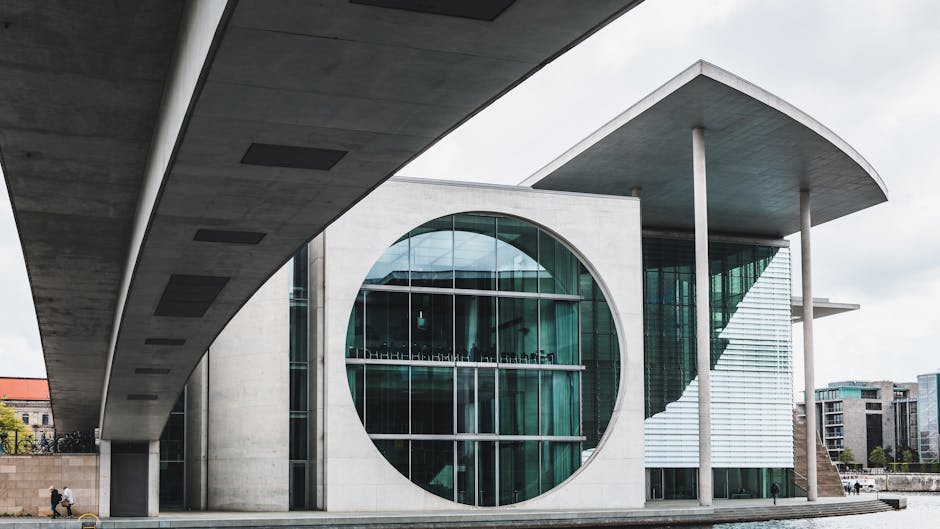
Discover the soul of 1920s Berlin on a self-guided walk through Charlottenburg’s iconic literary cafes, historic theaters, and artistic landmarks.
 Easy
EasyBerlin, Germany
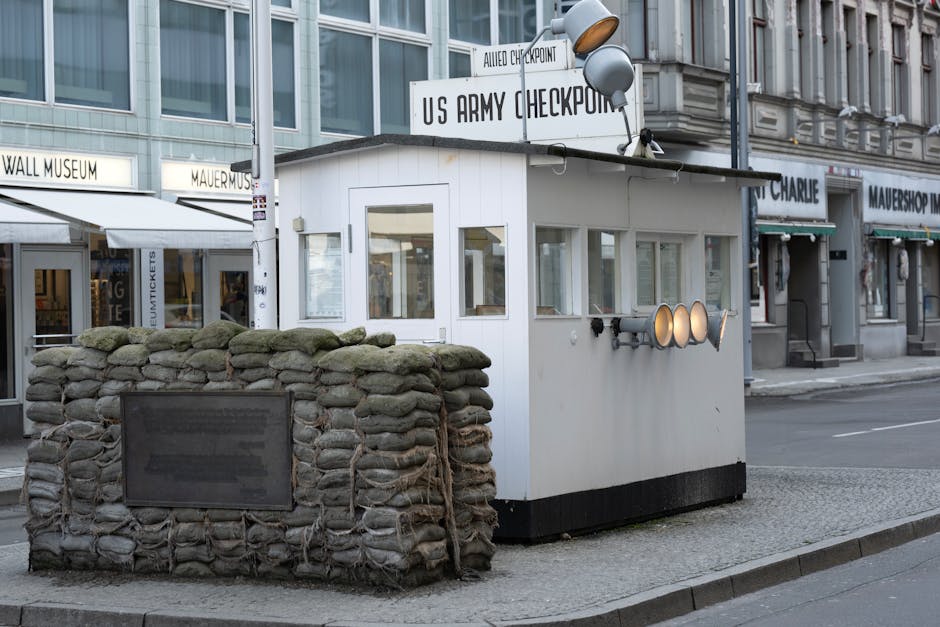
Explore the world's first queer neighborhood at your own pace. Discover the history of 1920s Berlin, Isherwood’s legacy, and iconic memorials.
 Easy
EasyNairobi, Kenya
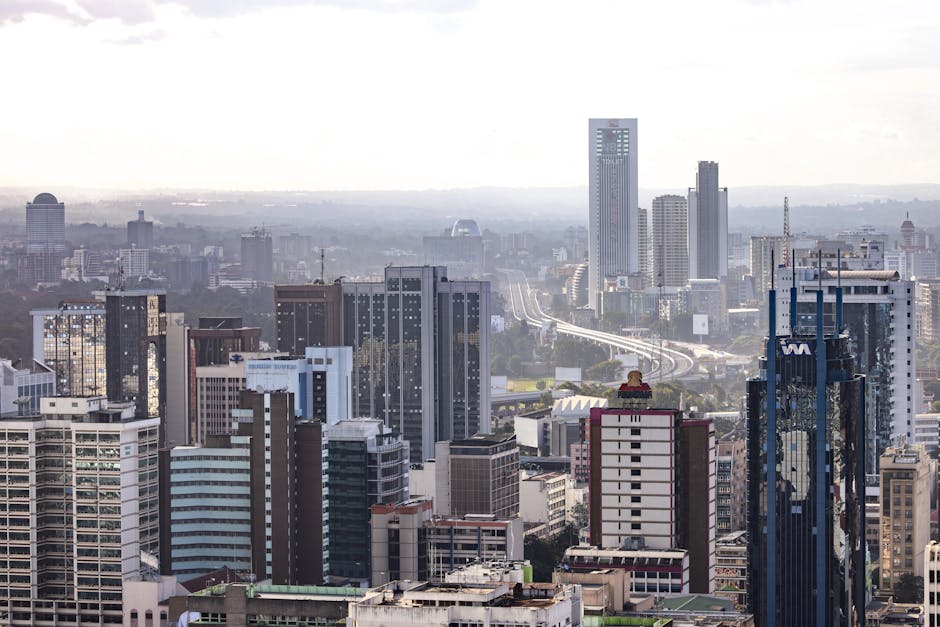
Explore Nairobi's architectural evolution from colonial-era landmarks to iconic Brutalist skyscrapers on this historic self-guided walking route.
 Easy
EasyNairobi, Kenya
Discover Nairobi's iconic skyline on this self-guided architecture walk through the CBD’s most famous modernist and Brutalist landmarks.
 Easy
EasyGothenburg, Sweden
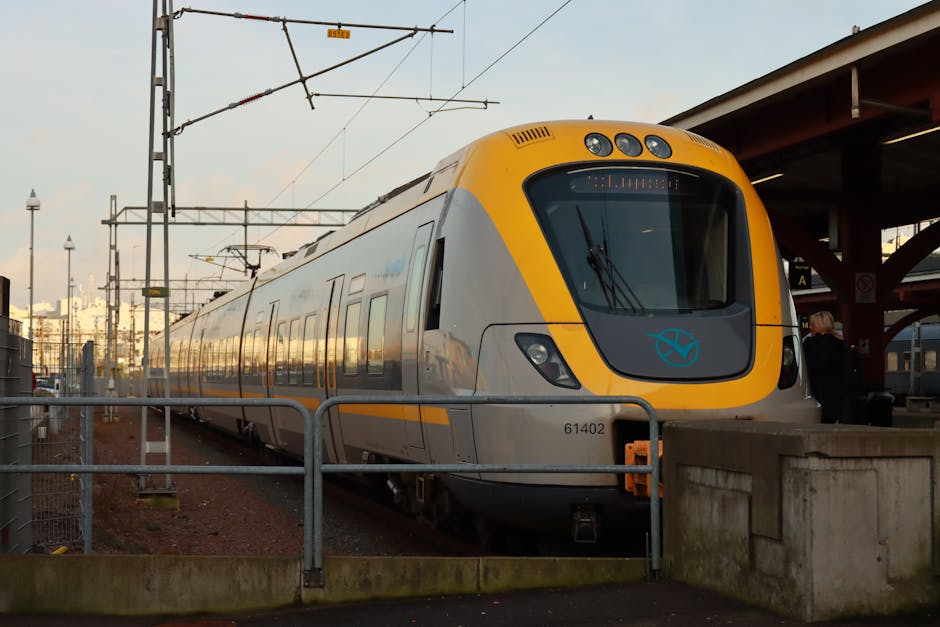
Discover Gothenburg’s 17th-century Dutch foundations, historic canals, and military fortifications on this self-guided architectural walk.
 Easy
EasyKrakow, Poland
Explore the historic heart of Kazimierz on this self-guided walk through synagogues, ancient cemeteries, and vibrant squares.
 Easy
EasyMunich, Germany
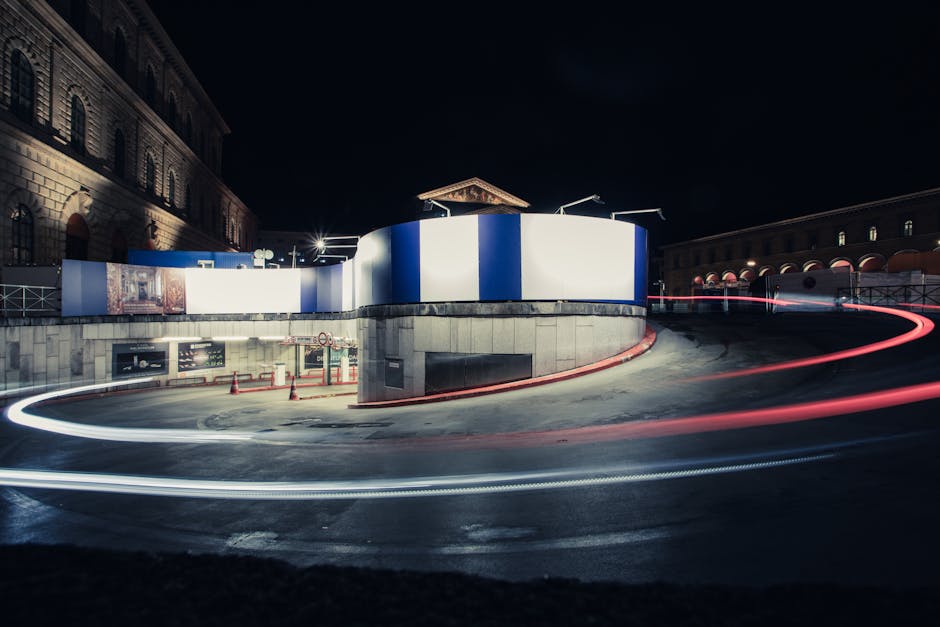
Explore Munich's creative heartbeat in Werksviertel-Mitte. Discover vibrant street art, upcycled containers, and rooftop sheep on this urban stroll.
 Moderate
Munich, Germany
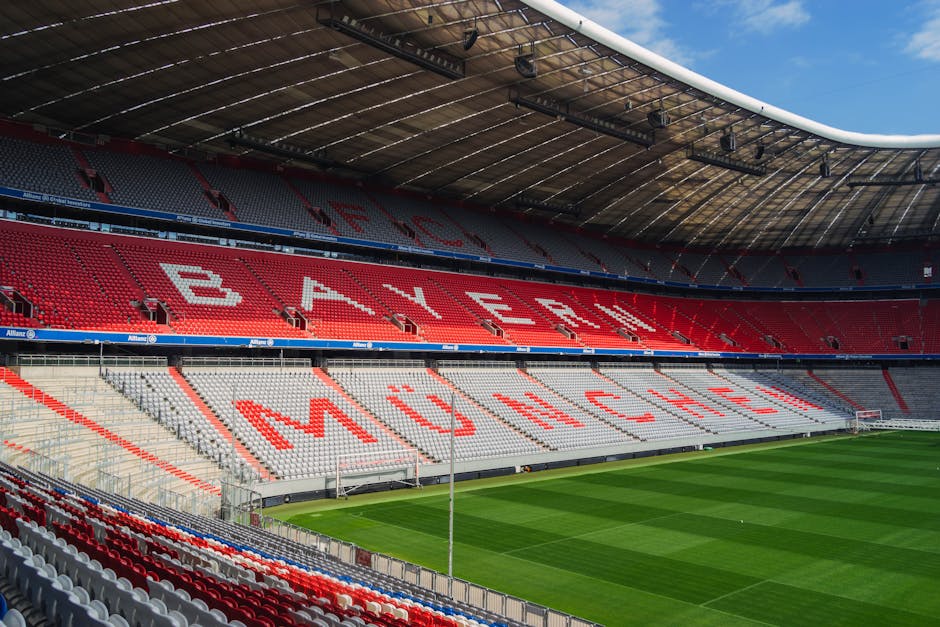
Discover river surfing, iconic Greek temples, and Bavarian beer culture on this scenic self-guided walk through Munich's English Garden.
 Easy
EasyMunich, Germany
Discover Munich's culinary heart on this self-guided walk through the vibrant Viktualienmarkt and its legendary food stalls.
 Easy
EasyMunich, Germany
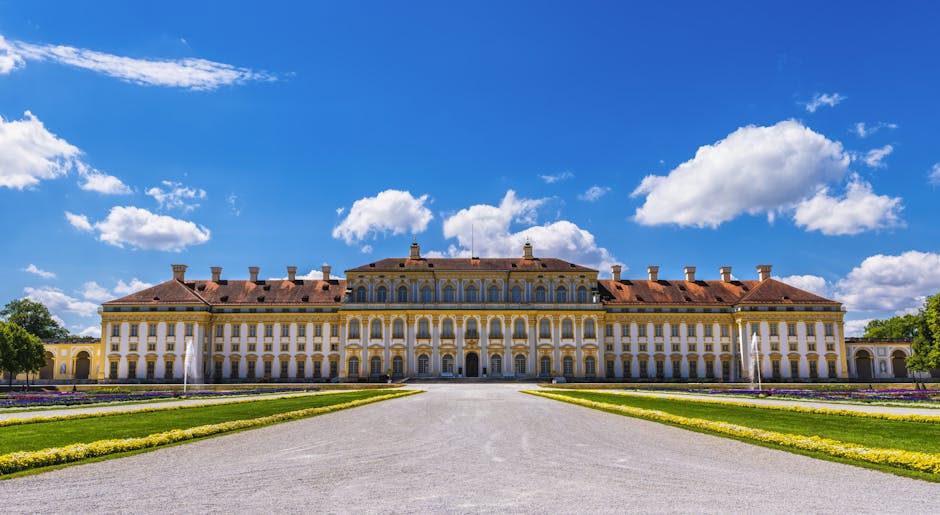
Explore the majestic gardens and hidden pavilions of the Wittelsbach summer residence on this peaceful, self-guided walking route in Munich.