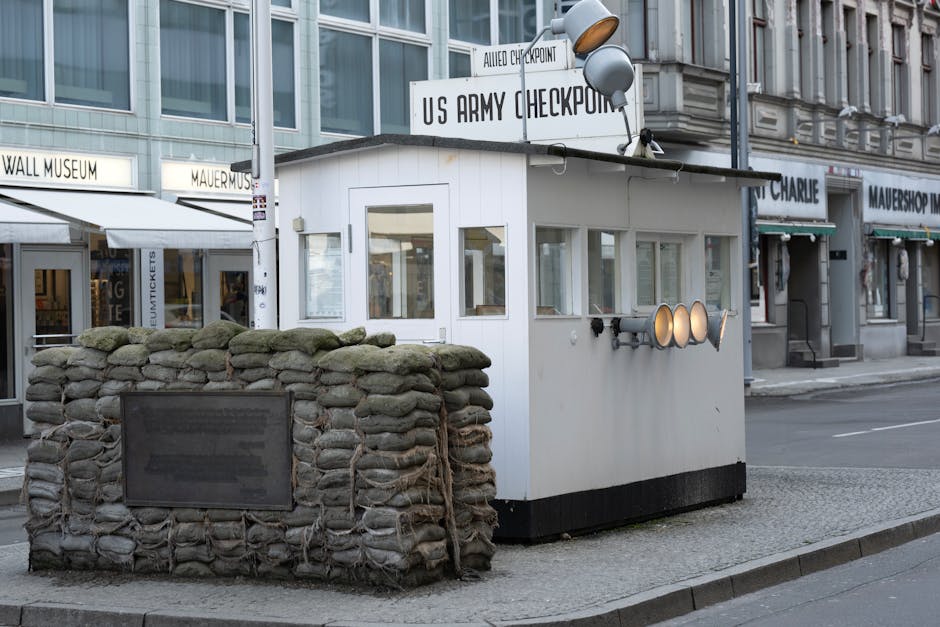
Self-guided audio tour in Berlin
Start Free on iPhone
Start free on iPhone to unlock this self-guided walking tour in Berlin. Hear all the stories that make it amazing, walk at your own pace, and begin whenever you want.
Your Private Tour Guide
Berlin is a city that wears its scars with a unique blend of solemnity and creative defiance. This self-guided walk takes you along one of the most significant stretches of the former border, starting at Berlin Nordbahnhof and ending in the vibrant streets of Prenzlauer Berg. Your journey begins at a site that once epitomized the eerie division of the Cold War: the 'Ghost Stations.' During the city's partition, West Berlin S-Bahn trains would travel through East Berlin territory, passing through darkened, guarded stations where no passengers could disembark. Today, an insightful exhibition within the station sets the stage for a walking route that balances heavy history with modern urban life. As you emerge onto Bernauer Straße, the landscape shifts into a profound outdoor museum. This area was the site of dramatic escape attempts and the tragic destruction of neighborhoods. You will encounter the Window of Remembrance, a moving tribute to those who lost their lives seeking freedom, and the Berlin Wall Memorial, which preserves a full-depth section of the border fortifications, including the 'Death Strip' and a watchtower. The route also brings you to the Chapel of Reconciliation, a minimalist structure built on the foundations of a church that was demolished by the GDR to clear the line of fire for border guards. Beyond the somber monuments, the path leads to the transformation of the 'Death Strip' into a place of community. Mauerpark, once a forbidden zone, is now a bustling public space famous for its Sunday flea markets and the 'Graffiti Wall of Fame,' where local artists constantly reinvent the remaining slabs of the wall. This walking route concludes on Oderberger Straße, one of Berlin's most picturesque streets, lined with historic Altbau architecture and local cafes. This self-guided adventure offers a comprehensive look at how a city divided by concrete and ideology has healed while ensuring its past is never forgotten. It is a must-do walking tour Berlin visitors can enjoy to understand the city's complex identity through its historic landmarks and neighborhood evolution.
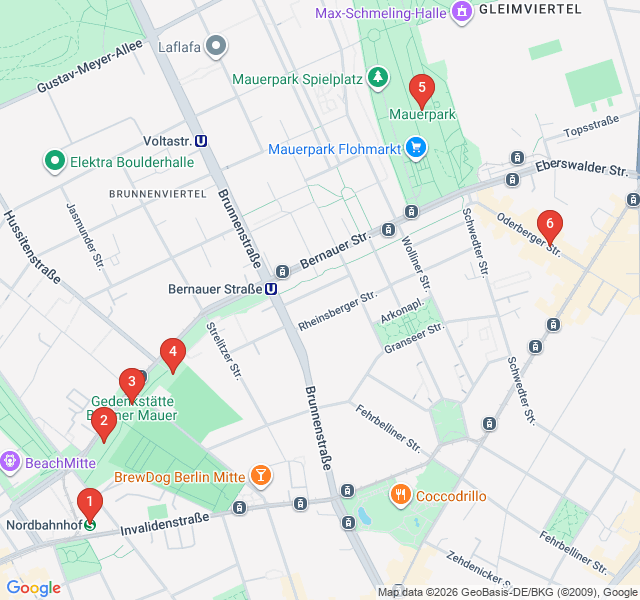
Numbers indicate the order of stops on the tour.
Start your journey underground at Berlin Nordbahnhof. During the division of Berlin from 1961 to 1989, this station became a 'Geisterbahnhof' or Ghost Station. While it was located in East Berlin, the S-Bahn lines serving West Berlin ran through it. To prevent East Germans from escaping, the station was heavily guarded, the entrances were bricked up, and the platforms remained in a state of frozen time, visible only as darkened silhouettes to passengers peering through the windows of passing West Berlin trains. Today, the station features a permanent exhibition titled 'Border and Ghost Stations in Divided Berlin,' which uses photographs and documents to tell the story of the subterranean division and the daring escape attempts made through the tunnels.
As you walk along Bernauer Straße, you will find the Window of Remembrance. This memorial is a stark and emotional reminder of the human cost of the border. It features the faces and names of the 140 people who died at the Berlin Wall between 1961 and 1989. Many of these individuals lost their lives in this very neighborhood, jumping from windows of apartment buildings that stood directly on the border line or trying to tunnel beneath the fortifications. The rusty steel frame of the window looks out onto the former 'Death Strip,' connecting the memory of the victims directly to the physical space where history unfolded. It is a quiet place for reflection amidst the city’s bustle.
The Berlin Wall Memorial (Gedenkstätte Berliner Mauer) is the only place in the city where you can see a fully preserved section of the border fortifications. Unlike the colorful East Side Gallery, this site shows the wall as it truly was: a grim, multi-layered system designed to be impenetrable. You can see the outer wall, the inner wall, the raked sand of the 'Death Strip' used to detect footprints, and an original watchtower. Standing here, it becomes clear how the wall was not just a single barrier, but a vast military zone that sliced through the heart of a residential community. The preserved rusting iron rods and concrete slabs serve as a powerful monument to the city’s period of division.
The Chapel of Reconciliation stands as a symbol of both destruction and rebirth. Originally, the neo-Gothic Church of Reconciliation stood on this site, but after the wall was built, the church ended up stranded in the 'Death Strip,' inaccessible to its congregation. In 1985, the GDR authorities blew up the church to improve the visibility for border guards. After the reunification, this modern chapel was built using rammed earth and wooden slats, incorporating the bells and the altar from the original church. It is a peaceful, ecological structure that serves as a space for prayer and remembrance, literally rising from the rubble of the Cold War's architectural casualties.
Continuing east, you enter Mauerpark, which translates literally to 'Wall Park.' This area was once the site of the border fortifications between the districts of Wedding and Prenzlauer Berg. Today, it has been transformed into one of Berlin's most beloved public spaces. While it is world-famous for its massive Sunday flea market and outdoor 'Bearpit Karaoke,' its historical significance remains visible in the long stretch of the 'Hinterlandmauer' (the inner wall). This section of concrete is now a legal canvas for graffiti artists. On any given day, you can smell the fresh paint and see artists creating vibrant murals, turning a former symbol of exclusion into a celebration of free expression.
Your walk concludes on Oderberger Straße, a street that perfectly captures the spirit of modern Prenzlauer Berg. During the years of division, this street ended abruptly at the wall, making it a quiet, neglected corner of East Berlin. Today, it is a thriving hub of local culture, known for its beautifully restored 19th-century buildings, vintage boutiques, and independent cafes. The street is a testament to Berlin's gentrification and revitalization. It is the perfect place to sit back with a coffee or a local beer and reflect on the journey from the ghost stations to this lively, unified neighborhood. The contrast between the somber memorial sites and this vibrant street life is the essence of Berlin.
Start Free on iPhone
Explore “The Berlin Wall Trail: From Ghost Stations to Murals” with your very own Private Tour Guide with Zigway. Start free on iPhone, skip the large group and the fixed routes, and hear the city come alive as you go.
Your Private Tour Guide
Don't miss the good stuff
Explore Freely
 Easy
EasyBerlin, Germany
Explore the sites of Nazi power and the memorials that honor its victims on this self-guided walk through Berlin's historic Wilhelmstraße district.
 Moderate
Berlin, Germany
Explore Berlin’s 'Green Heart' on a self-guided walk through royal history, Cold War memorials, and serene lakeside gardens.
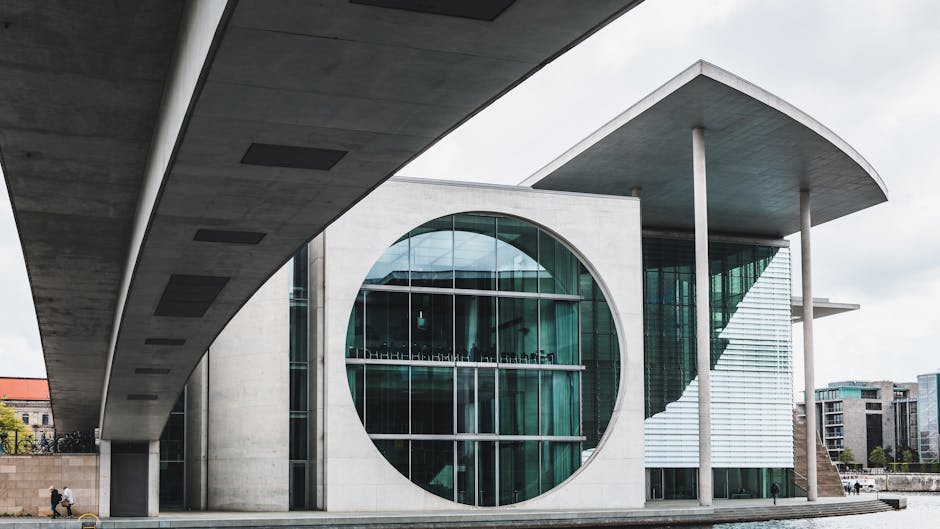 Easy
EasyBerlin, Germany
Discover the soul of 1920s Berlin on a self-guided walk through Charlottenburg’s iconic literary cafes, historic theaters, and artistic landmarks.
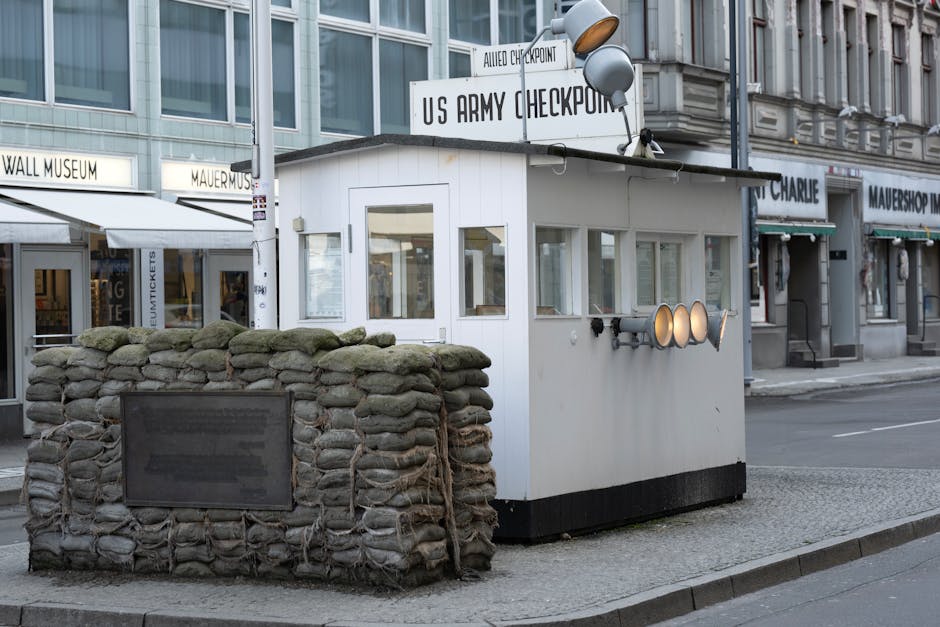 Easy
EasyBerlin, Germany
Explore the world's first queer neighborhood at your own pace. Discover the history of 1920s Berlin, Isherwood’s legacy, and iconic memorials.
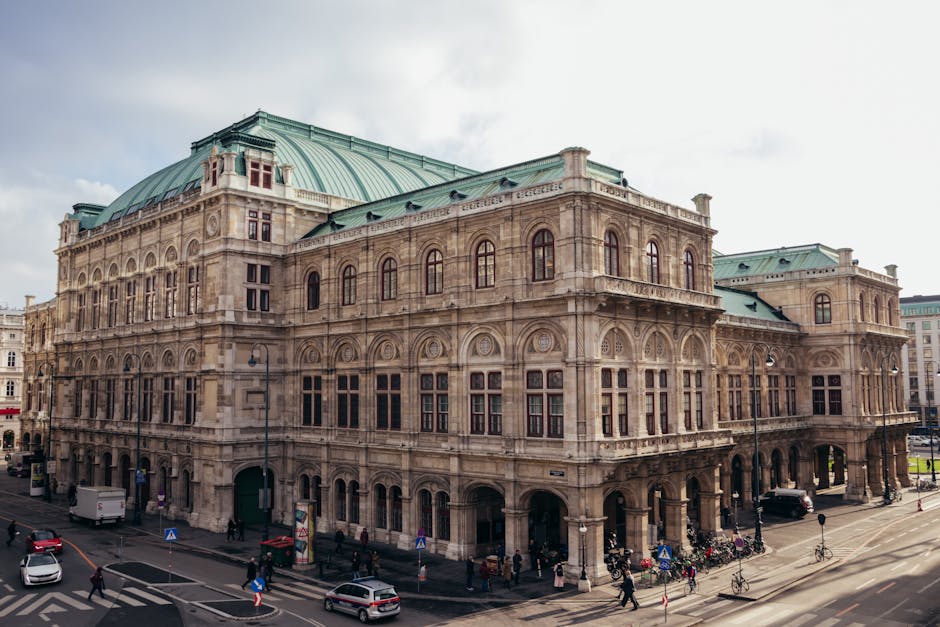 Moderate
Vienna, Austria
Discover the noir world of The Third Man and Cold War Vienna on this atmospheric self-guided audio walk through the historic Innere Stadt.
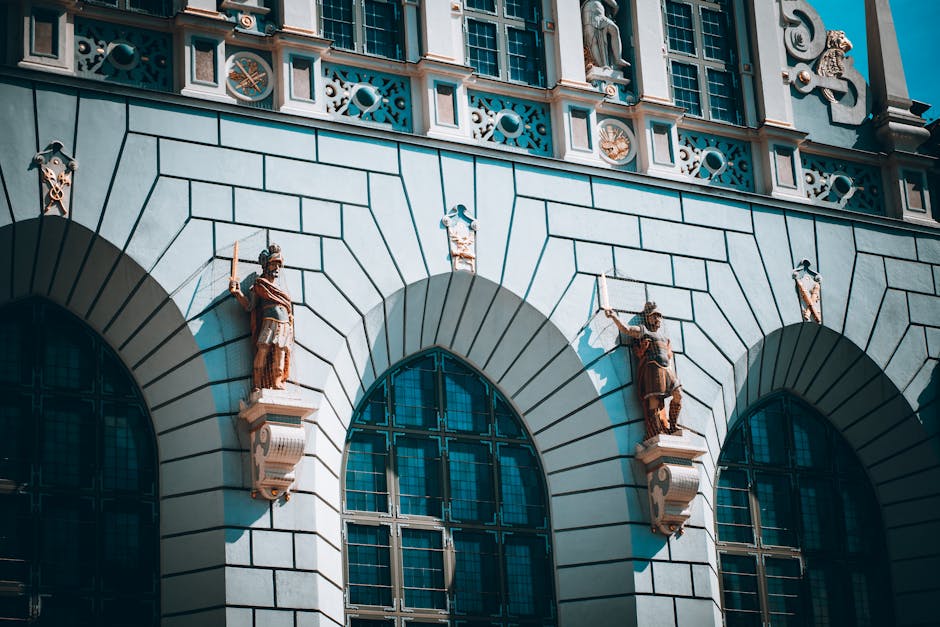 Moderate
Gdansk, Poland
Discover Zaspa, a massive open-air gallery where grey housing blocks are transformed by over 60 monumental murals. Explore at your own pace.
 Moderate
Warsaw, Poland
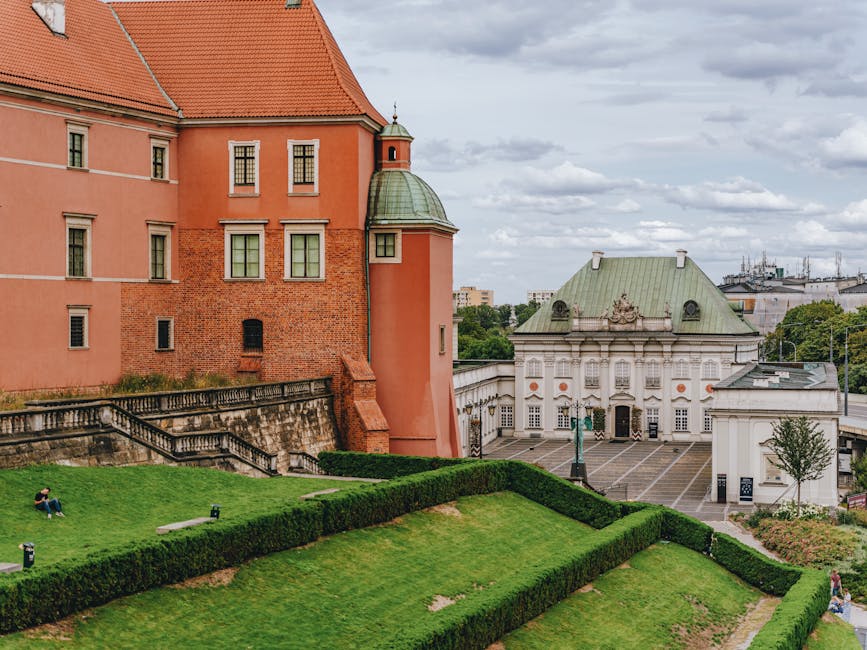
Explore the resilient spirit of Warsaw's Muranów district on this self-guided walk through the history and landmarks of the former Jewish Ghetto.
 Moderate
Warsaw, Poland
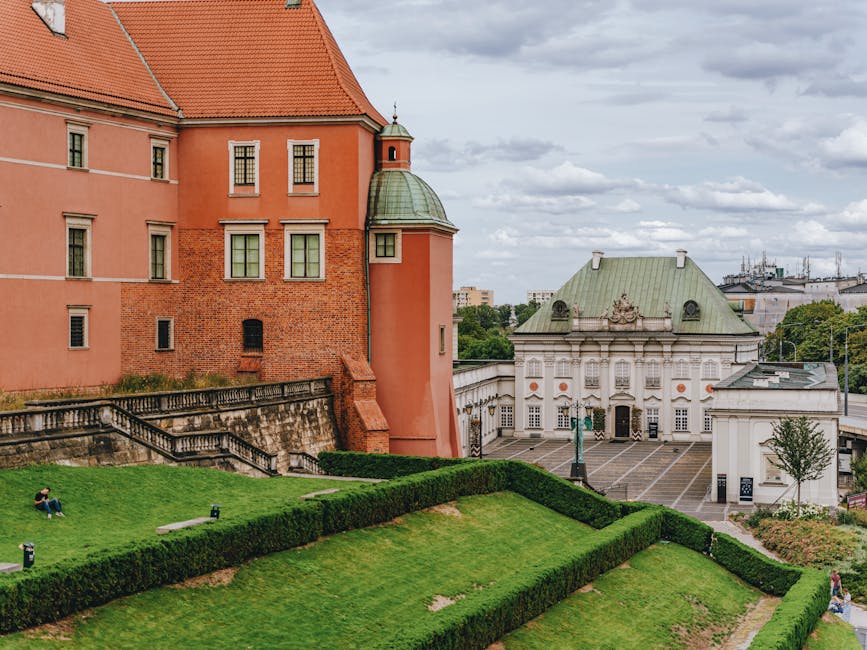
A powerful self-guided walk through Warsaw's WWII history, tracking the 1944 Uprising from ruined skyscrapers to solemn memorials.
 Easy
EasyMunich, Germany
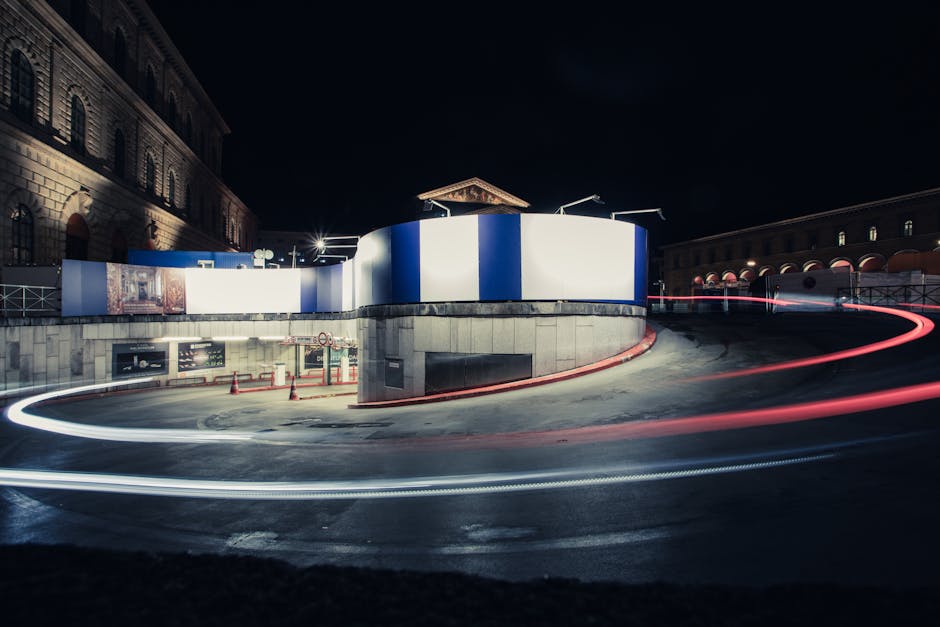
Explore Munich's creative heartbeat in Werksviertel-Mitte. Discover vibrant street art, upcycled containers, and rooftop sheep on this urban stroll.
 Moderate
Munich, Germany
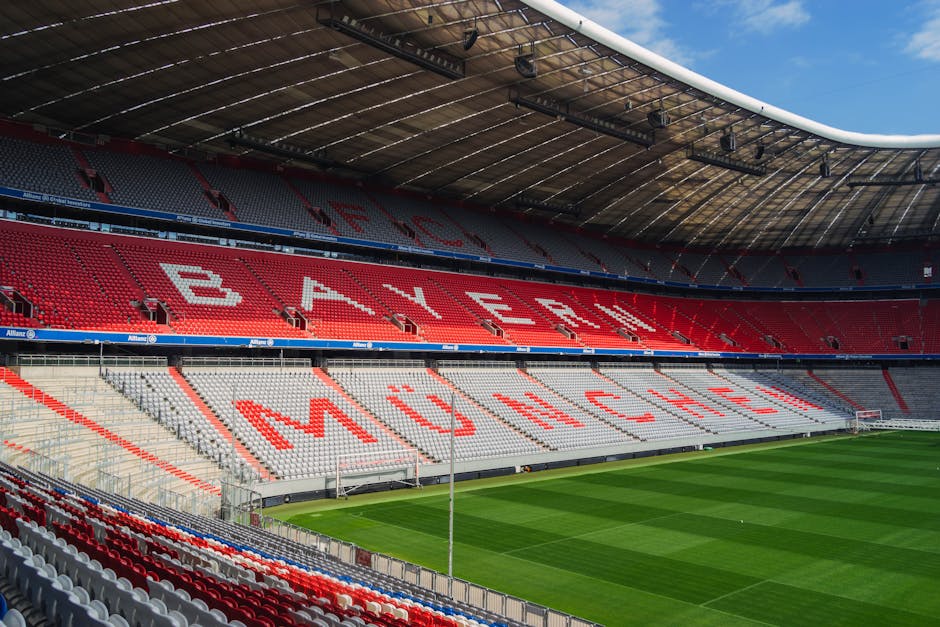
Discover river surfing, iconic Greek temples, and Bavarian beer culture on this scenic self-guided walk through Munich's English Garden.
 Easy
EasyMunich, Germany
Discover Munich's culinary heart on this self-guided walk through the vibrant Viktualienmarkt and its legendary food stalls.
 Easy
EasyMunich, Germany
Explore the majestic gardens and hidden pavilions of the Wittelsbach summer residence on this peaceful, self-guided walking route in Munich.