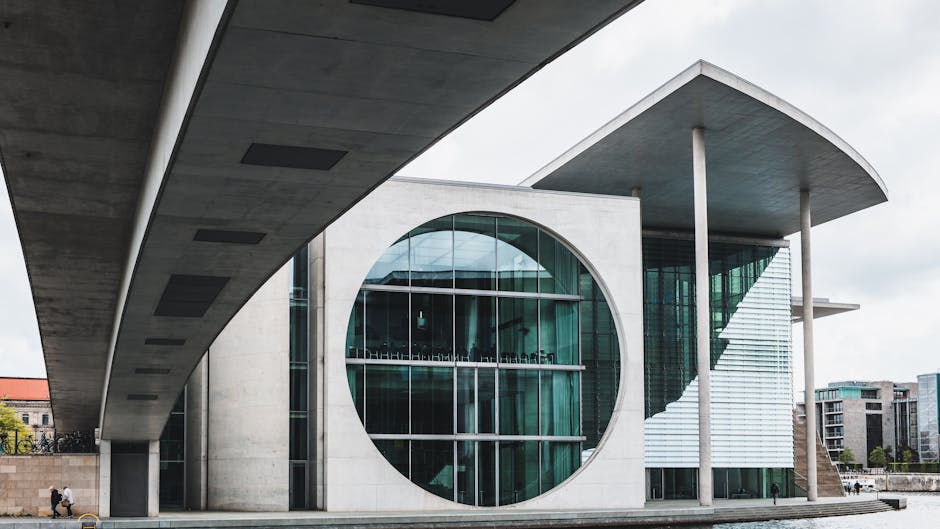
Self-guided audio tour in Berlin
Start Free on iPhone
Start free on iPhone to unlock this self-guided walking tour in Berlin. Hear all the stories that make it amazing, walk at your own pace, and begin whenever you want.
Your Private Tour Guide
Step behind the grand facades of Berlin Mitte to discover a world of secret passages and artistic enclaves. This self-guided walk through the historic Scheunenviertel, or 'Barn Quarter', reveals the city's ability to reinvent itself while honoring its complex past. Once a peripheral district for hay storage and later a crowded neighborhood for Jewish immigrants, this area is now one of the most vibrant cultural hubs in Germany. This walking route leads you through a series of interconnected courtyards that vary wildly in character, from the polished Art Nouveau elegance of the Hackesche Höfe to the gritty, unrefined street art galleries of Haus Schwarzenberg. Along the way, you will encounter significant markers of 20th-century history, including poignant memorials to the residents lost during World War II and a churchyard that feels frozen in time. You will also see the legendary Clärchens Ballroom, a venue that has survived two world wars and the Cold War, still hosting dancers under its mirrored ceilings today. This neighborhood stroll is perfect for those who want to see Berlin's famous 'Hinterhöfe' (back courtyards) and understand how they transitioned from industrial workspaces and tenements into spaces for independent boutiques, theaters, and workshops. While many visitors stick to the main streets, this audio walk encourages you to dive into the narrow passages where the true spirit of Berlin’s Mitte district resides. Whether you are interested in cutting-edge street art, 18th-century Baroque architecture, or the simple pleasure of a quiet garden hidden in the city center, this route offers a comprehensive look at the layers of Berlin’s urban fabric. This is a walking tour Berlin enthusiasts will find particularly rewarding for its blend of well-known landmarks and truly off-the-beaten-path surprises.
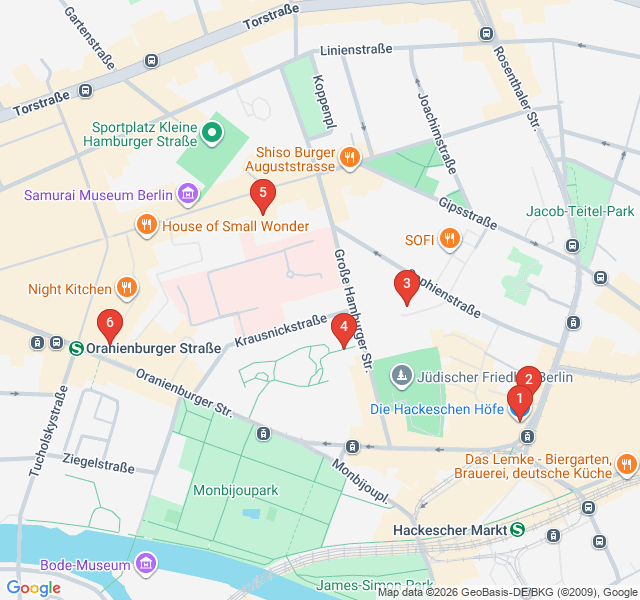
Numbers indicate the order of stops on the tour.
Start your journey at the Rosenthaler Straße entrance to the Hackesche Höfe. Completed in 1906, this is the largest courtyard complex in Germany, consisting of eight interconnected spaces. The first courtyard, designed by August Endell, is a masterpiece of Art Nouveau, or Jugendstil, featuring vibrant glazed brick facades. Originally built for a mix of residential, office, and industrial use, these courtyards were meticulously restored in the 1990s. As you walk through, notice the transition from the commercial front courtyards to the quieter, greener residential spaces further back. It’s a perfect example of the early 20th-century 'Berlin mixture' where living and working occupied the same block.
Just a few steps away from the polished Hackesche Höfe lies Haus Schwarzenberg, offering a stark and fascinating contrast. While its neighbor is pristine, this courtyard remains unrestored, preserving the gritty, alternative spirit of post-reunification Berlin. It is managed by a non-profit association and serves as a sanctuary for street artists, independent filmmakers, and historians. Look up to see ever-changing murals and metal sculptures. The site also houses the Museum Otto Weidt's Workshop for the Blind, where a small manufacturer protected Jewish employees during the Holocaust, and the Anne Frank Zentrum. This space represents the defiant, creative heart of the Mitte district.
Tucked away behind the bustle of the main streets is Sophienkirche, founded by Queen Sophie Charlotte in the early 18th century. Its distinctive Baroque tower is the only one of its kind surviving in Berlin. The churchyard is a rare island of silence in the city center. Walk through the gate to find a small, historic cemetery where prominent Berliners are buried. The church survived World War II with relatively little damage, and in 1964, Martin Luther King Jr. preached here during a surprise visit to East Berlin. The surrounding Sophienstraße is one of the few streets in the area where the original 18th and 19th-century village-like character is still visible.
On Grosse Hamburger Strasse, look for the empty gap between buildings numbered 15 and 16. This is 'The Missing House', a conceptual memorial created by French artist Christian Boltanski. The original building was destroyed by an Allied bombing raid in 1945. On the exposed gray side walls of the neighboring buildings, Boltanski installed white plaques listing the names, occupations, and dates of residence of the people who lived there between 1930 and 1945. It is a haunting reminder of the lives interrupted by war and the Holocaust in this historically Jewish neighborhood. The void itself becomes a powerful monument to those who are no longer there.
Clärchens Ballroom is a Berlin institution that has been a center for social life since 1913. Founded by Clara Habermann, it survived the transitions from the Imperial era through the Roaring Twenties, the Nazi regime, and the GDR. Its front garden is a popular spot for a break, but the real treasure is the Spiegelsaal, or Mirror Hall, upstairs. This room, with its cracked antique mirrors and ornate plasterwork, remains largely in its pre-war state. It has served as a filming location for numerous movies, including Quentin Tarantino's 'Inglourious Basterds'. Today, it continues to host nightly dance events, from swing to tango, maintaining its legendary status.
Concluding the route is the Heckmann-Höfe, a charming set of courtyards that connects Oranienburger Straße with Auguststraße. This complex has a distinctly Mediterranean feel, centered around a courtyard with a fountain and lush greenery. Historically, it housed a bonbon factory, and that tradition continues today with a traditional candy workshop where you can often watch sweets being made by hand. The courtyards are also home to artisan shops, a small theater, and galleries. It’s a peaceful conclusion to your walk, located just steps away from the golden dome of the New Synagogue, reflecting the multi-layered cultural history of the Scheunenviertel.
Start Free on iPhone
Explore “Hidden Courtyards of the Scheunenviertel” with your very own Private Tour Guide with Zigway. Start free on iPhone, skip the large group and the fixed routes, and hear the city come alive as you go.
Your Private Tour Guide
Don't miss the good stuff
Explore Freely
 Easy
EasyBerlin, Germany
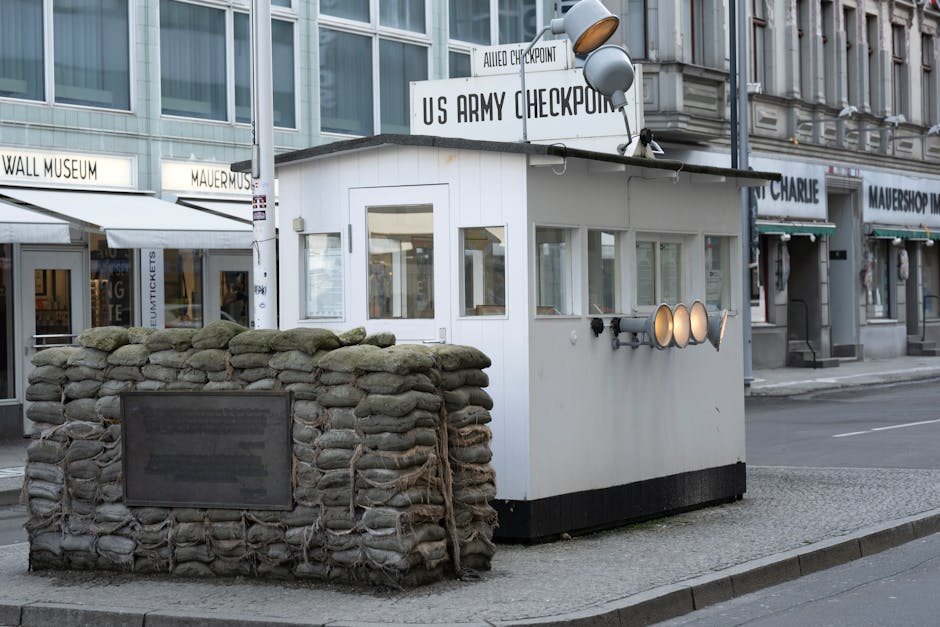
Explore the sites of Nazi power and the memorials that honor its victims on this self-guided walk through Berlin's historic Wilhelmstraße district.
 Moderate
Berlin, Germany
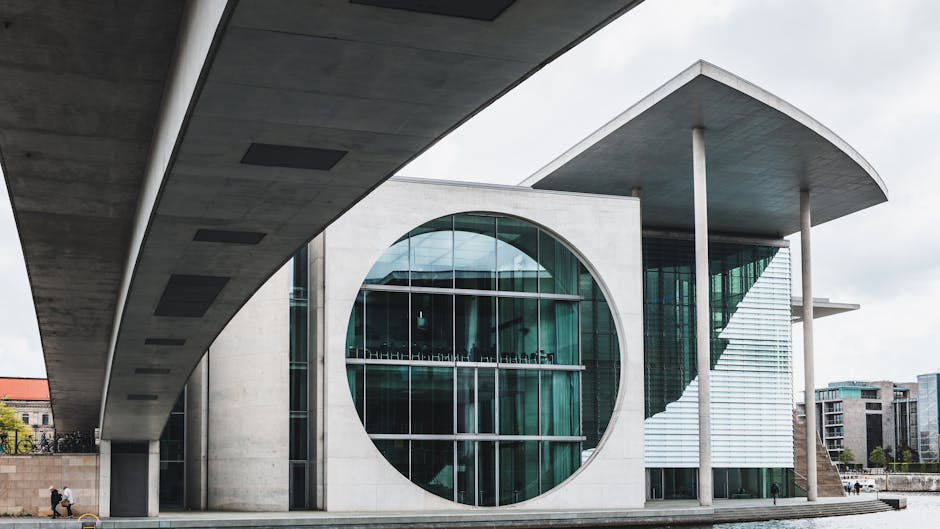
Explore Berlin’s 'Green Heart' on a self-guided walk through royal history, Cold War memorials, and serene lakeside gardens.
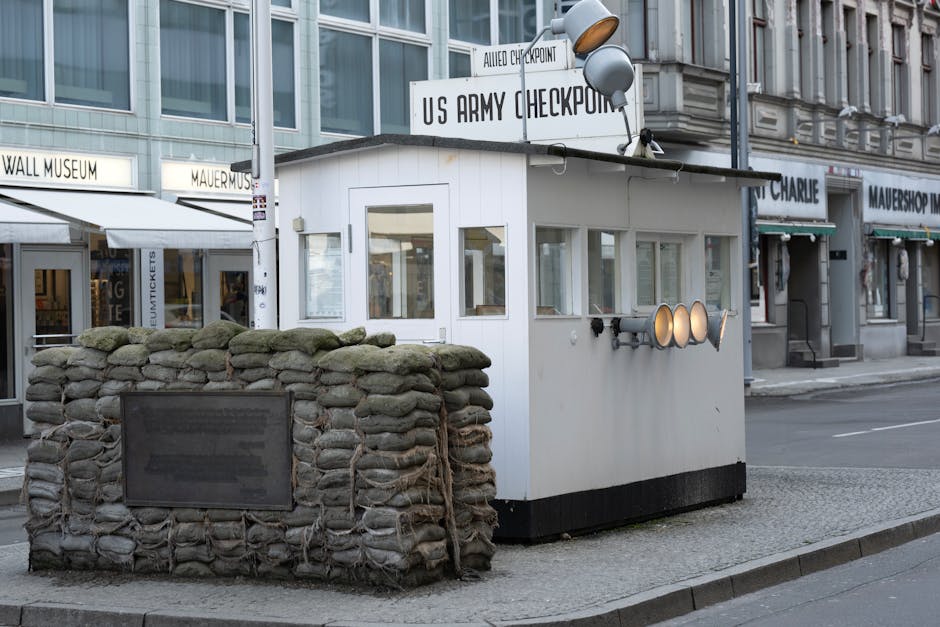 Moderate
Berlin, Germany
Discover the legacy of the Berlin Wall on this self-guided walk from historic ghost stations to the vibrant street art and cafes of Mauerpark.
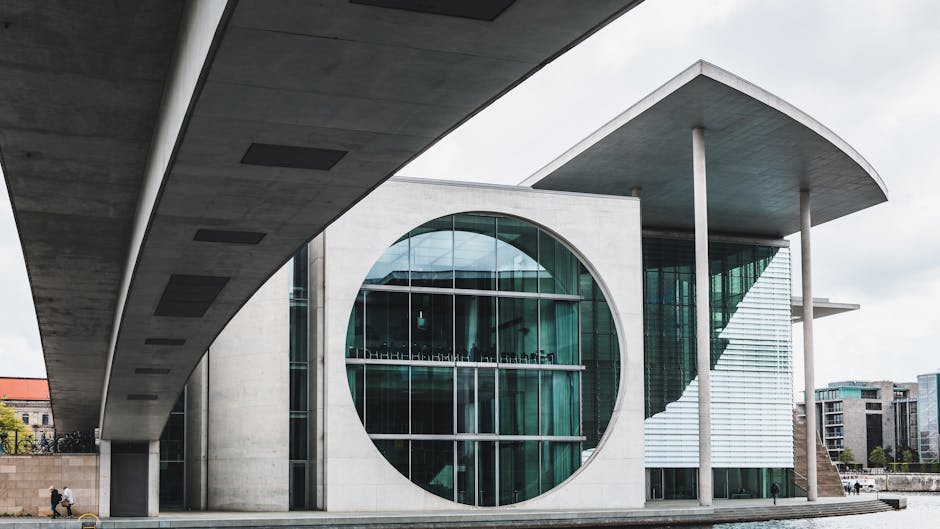 Easy
EasyBerlin, Germany
Discover the soul of 1920s Berlin on a self-guided walk through Charlottenburg’s iconic literary cafes, historic theaters, and artistic landmarks.
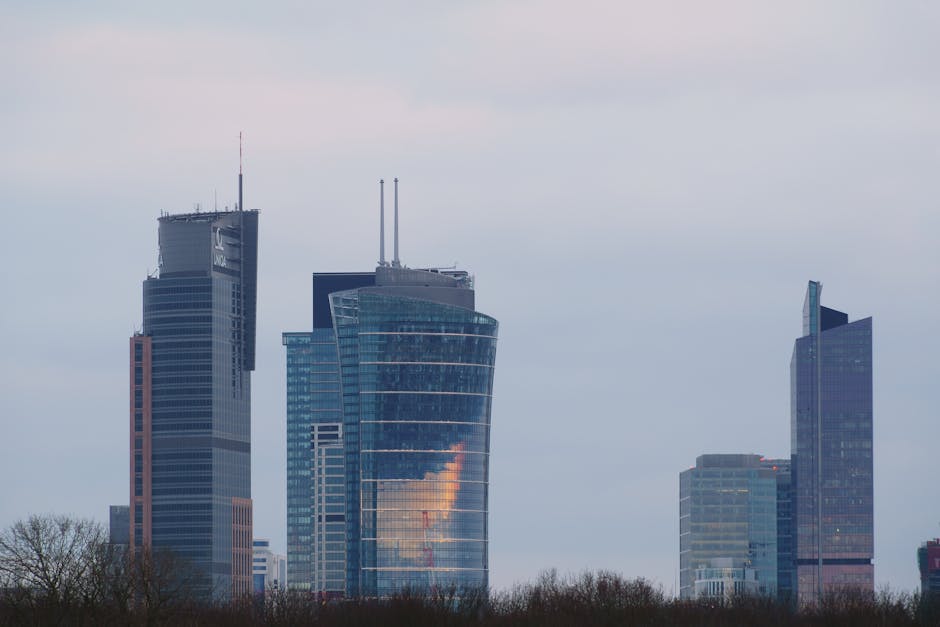 Easy
EasyWarsaw, Poland
Discover the hidden courtyards and grand pre-war architecture of Warsaw's most atmospheric neighborhood on this self-guided stroll.
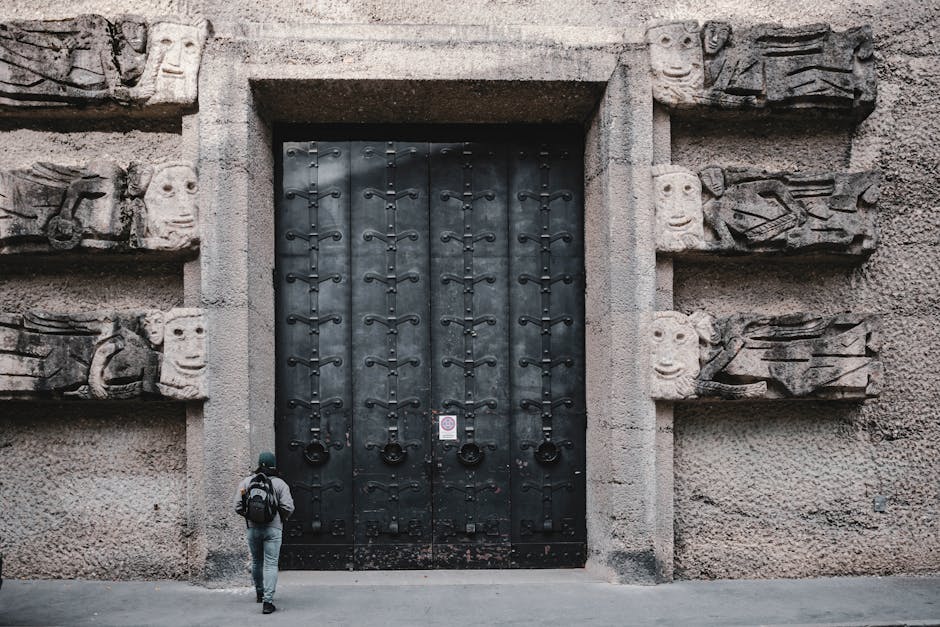 Easy
EasySalzburg, Austria
Discover Salzburg's oldest medieval alley, the birthplace of the 'Silent Night' author, and breathtaking views on this quiet self-guided walk.
 Easy
EasyHelsinki, Finland
Discover Helsinki's oldest neighborhood on this self-guided audio walk through Kruununhaka’s historic streets, hidden courtyards, and scenic shores.
 Easy
EasyNairobi, Kenya
Discover Nairobi's iconic skyline on this self-guided architecture walk through the CBD’s most famous modernist and Brutalist landmarks.
 Easy
EasyMunich, Germany
Explore Munich's creative heartbeat in Werksviertel-Mitte. Discover vibrant street art, upcycled containers, and rooftop sheep on this urban stroll.
 Moderate
Munich, Germany
Discover river surfing, iconic Greek temples, and Bavarian beer culture on this scenic self-guided walk through Munich's English Garden.
 Easy
EasyMunich, Germany
Discover Munich's culinary heart on this self-guided walk through the vibrant Viktualienmarkt and its legendary food stalls.
 Easy
EasyMunich, Germany
Explore the majestic gardens and hidden pavilions of the Wittelsbach summer residence on this peaceful, self-guided walking route in Munich.