Self-guided audio tour in Granada
Start Free on iPhone
Start free on iPhone to unlock this self-guided walking tour in Granada. Hear all the stories that make it amazing, walk at your own pace, and begin whenever you want.
Your Private Tour Guide
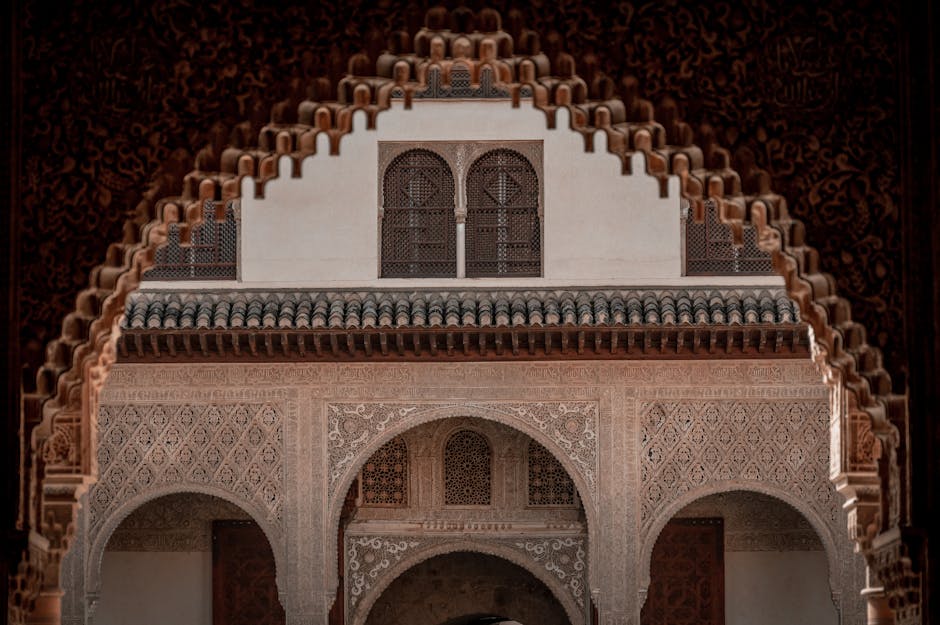
Discover the liquid history of Al-Andalus on this self-guided walk through the labyrinthine streets of Granada's Albaicín neighborhood. While many visitors flock to the Alhambra, this walking route takes you into the heart of the UNESCO World Heritage site to uncover the sophisticated engineering that once sustained a medieval city. In Granada, water was more than a resource; it was a symbol of purification, life, and power. This neighborhood stroll focuses on the 'aljibes'—ancient underground cisterns—that served as the lifeblood of the Moorish community for centuries. As you explore independently, you will see how these architectural gems remain integrated into the modern fabric of the city, often hidden beneath plazas or tucked behind the walls of traditional 'cármenes' (garden houses). The journey begins at the Palacio del Almirante, a stunning example of how Moorish and Renaissance styles blended after the Reconquista. From there, you will navigate the narrow, cobblestone alleys to find the Aljibe de San Miguel and the Carmen del Aljibe del Rey, which serves as the premier interpretation center for the city's water history. This self-guided adventure is not just about architecture; it is about the sensory experience of the Albaicín—the scent of jasmine, the sound of trickling fountains, and the sudden, breathtaking views of the Alhambra across the valley. Whether you are interested in medieval engineering or simply want to find the most peaceful corners of the city, this walking route offers a unique perspective. By following this path, you escape the main tourist thoroughfares and discover the quiet, authentic side of Granada. It is an ideal way to experience a walking tour Granada history enthusiasts will find particularly rewarding, allowing you to pause for photos or a refreshment whenever the mood strikes. Prepare for moderate climbs as you ascend through the Zirid walls at the Arco de las Pesas, eventually finishing your exploration in a lush garden setting where the legacy of Moorish water management continues to thrive.
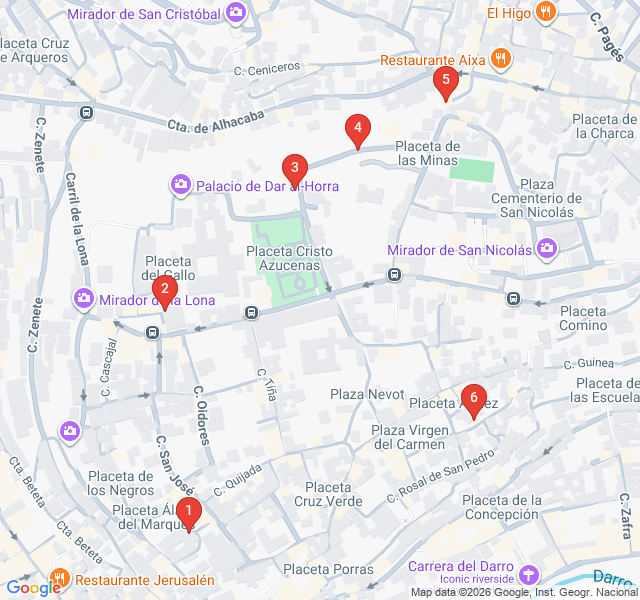
Numbers indicate the order of stops on the tour.
Start your self-guided walk at the Palacio del Almirante, a building that perfectly encapsulates the layered history of the Albaicín. This palace was built in the 16th century on the site of a former Moorish residence. Notice the facade, which features a blend of Gothic and Renaissance elements, while the interior retains the traditional Andalusian courtyard layout. As part of the University of Granada, it stands as a testament to the city's intellectual heritage. This site serves as a gateway to the neighborhood's upper reaches, where the influence of the Zirid and Nasrid dynasties remains most palpable in the street layout and hidden water structures that you will encounter as you move deeper into the district.
A short walk brings you to the Aljibe de San Miguel. In Moorish Granada, the 'aljibe' was a public cistern that stored water brought from the mountains via the Aynadamar canal. This specific cistern dates back to the 13th century and is located right next to the Church of San Miguel Bajo, which was built atop an ancient mosque. This proximity was common; water was essential for the ritual ablutions required before prayer. While the cistern is underground, its presence is marked by a simple stone structure at street level. It represents the communal nature of water in Al-Andalus, where access to clean water was a basic right provided by the state to all citizens.
Continue your walking route to the Carmen del Aljibe del Rey. This is perhaps the most significant stop for understanding Granada's water history. A 'carmen' is a typical Granada house with a hidden garden and orchard, and this one houses the Foundation of the Water Museum. It sits atop the Aljibe del Rey, the largest and most impressive cistern in the Albaicín, which could hold up to 300 cubic meters of water. This site explains how the Zirid kings managed to supply a hilltop city with water from the Fuente Grande springs miles away. The garden here is a peaceful retreat that illustrates how water was used for both utility and aesthetic pleasure in Moorish landscape design.
As you wander through the narrow Calle Aljibe de la Gitana, you are walking through one of the most atmospheric parts of the Albaicín. This street is named after the 'Cistern of the Gypsy,' another of the neighborhood's many underground reservoirs. Pay attention to the white-washed walls and the small windows that offer privacy to the residents within. The winding nature of these streets was intentional, designed to provide shade during the hot summer months and to break the wind during the winter. This area feels like a living museum, where the sounds of the modern city fade away, replaced by the occasional ring of a church bell or the echo of footsteps on stone.
You are now standing at the Arco de las Pesas, or the 'Arch of the Weights.' This is one of the oldest gates in the city, part of the 11th-century Zirid wall that protected the Alcazaba Cadima. The gate's unusual name comes from a local legend: it is said that the city's inspectors would hang confiscated, fraudulent weights from the arch to shame the merchants who used them. Notice the 'bent entrance' design, a classic Moorish defensive feature meant to slow down attackers. Passing through this arch leads you toward Plaza Larga, the vibrant heart of the upper Albaicín, where local life continues much as it has for centuries, centered around the daily market and neighborhood cafes.
Your self-guided adventure concludes at El Trillo, a location chosen for its beautiful garden setting that mirrors the 'cármenes' you've learned about. Located near the lower edge of the Albaicín, this spot allows you to relax amidst lush greenery and the sound of running water, a fitting end to a route dedicated to Granada's Moorish waters. From here, you are only a short walk from the Paseo de los Tristes and the Darro River. Reflect on the incredible engineering you've seen—the hidden network of canals and cisterns that transformed a dry hillside into a thriving urban paradise. The legacy of Al-Andalus isn't just in the grand palaces, but in the very water that still flows beneath your feet.
Start Free on iPhone
Explore “Moorish Waters & Hidden Cisterns” with your very own Private Tour Guide with Zigway. Start free on iPhone, skip the large group and the fixed routes, and hear the city come alive as you go.
Your Private Tour Guide
Don't miss the good stuff
Explore Freely
 Moderate
Granada, Spain
Explore the bohemian heart of Granada's oldest district on this self-guided walking route through the hidden gems of the Upper Albaicín.
 Easy
EasyGranada, Spain
Discover the legacy of the Nasrid silk trade and the vibrant evolution of Granada's historic center on this atmospheric self-guided walk.
 Moderate
Granada, Spain
Explore Granada's historic Jewish Quarter and discover world-class street art on this self-guided walk through the vibrant Realejo neighborhood.
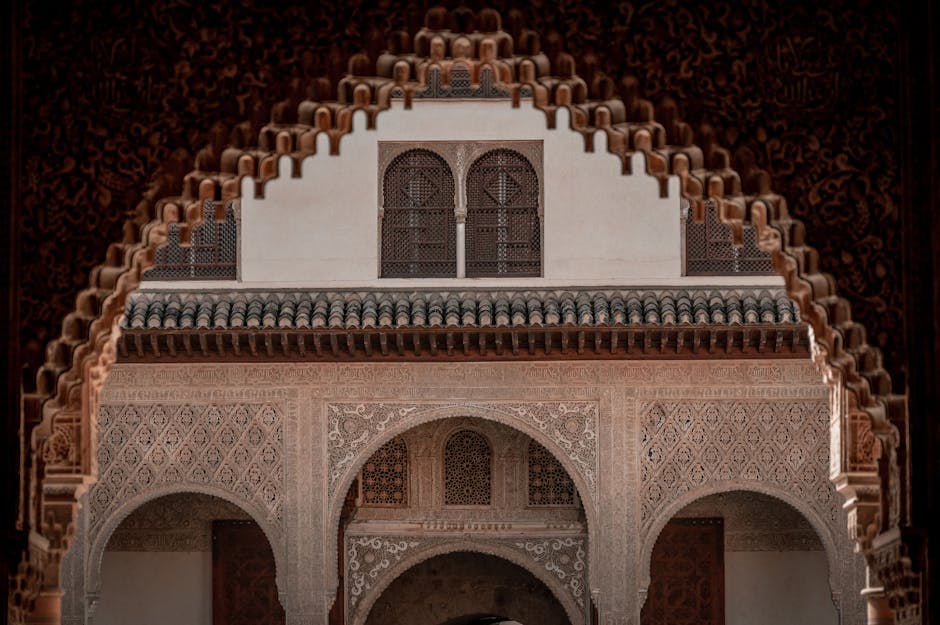 Moderate
Granada, Spain
Discover the Moorish soul of Granada on this self-guided walk through the Albaicín’s winding streets, historic palaces, and iconic viewpoints.
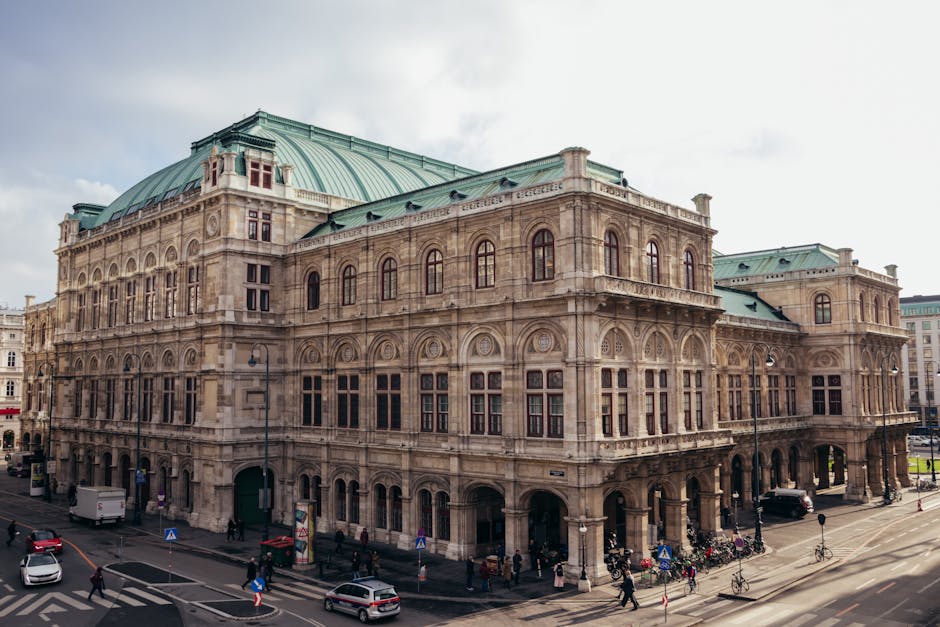 Moderate
Vienna, Austria
Discover the noir world of The Third Man and Cold War Vienna on this atmospheric self-guided audio walk through the historic Innere Stadt.
 Easy
EasyKrakow, Poland
Explore the prestigious Jagiellonian University district, featuring Neo-Gothic architecture, Baroque churches, and Krakow's hidden scholarly gems.
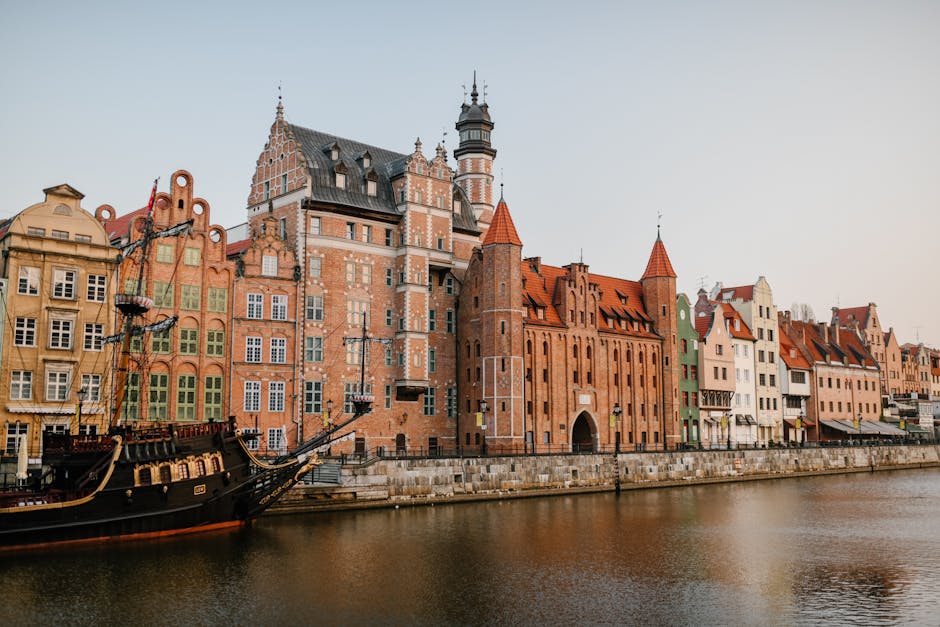 Moderate
Gdansk, Poland
Discover the bohemian soul of Gdańsk. Explore the literary landmarks of Günter Grass, Prussian villas, and the trendy cafes of historic Wrzeszcz.
 Easy
EasyWarsaw, Poland
Discover the hidden courtyards and grand pre-war architecture of Warsaw's most atmospheric neighborhood on this self-guided stroll.
 Moderate
Barcelona, Spain
Explore the elegant 'village' of Sarrià, where Gothic monasteries and Gaudí's hidden gems meet charming local markets and narrow streets.
 Moderate
Barcelona, Spain
Discover the revolutionary history and haunting scars of the Spanish Civil War on this self-guided walk through Barcelona's historic streets.
 Easy
EasyBarcelona, Spain
Discover the architectural wonders of Barcelona's Golden Square on this self-guided stroll through Eixample's most luxurious Modernista streets.
 Challenging
Barcelona, Spain
Explore Montjuïc’s lush gardens, historic fortress, and iconic Olympic venues on this scenic self-guided walk with panoramic Mediterranean views.