Self-guided audio tour in Granada
Start Free on iPhone
Start free on iPhone to unlock this self-guided walking tour in Granada. Hear all the stories that make it amazing, walk at your own pace, and begin whenever you want.
Your Private Tour Guide
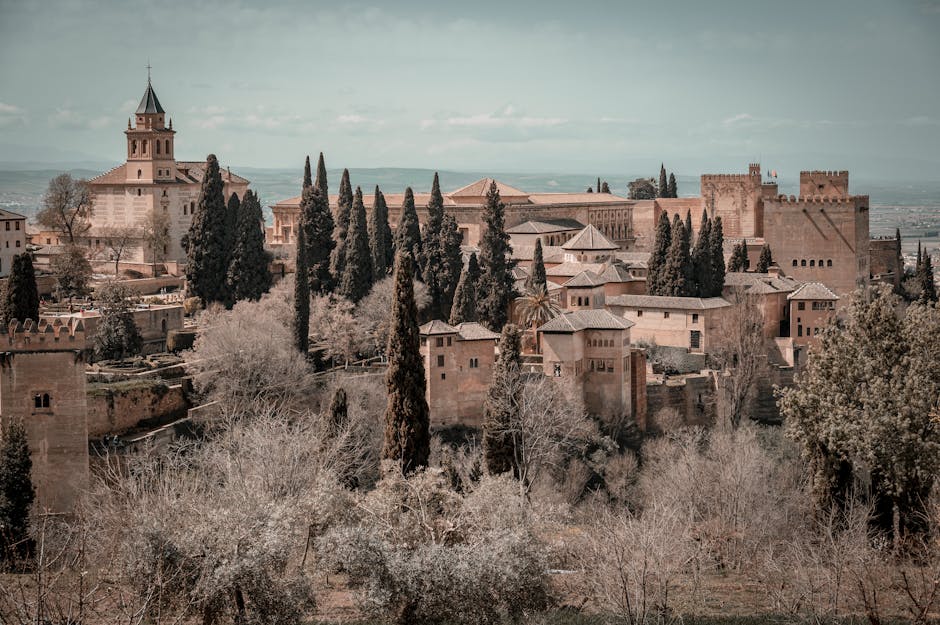
Step into the timeless labyrinth of the Albaicín, Granada's oldest and most atmospheric neighborhood. While most visitors stick to the well-trodden paths near the Darro River, this self-guided walk takes you higher, into the heart of the Upper Albaicín. This is a place where the scent of blooming jasmine mingles with the aroma of freshly baked bread, and where the centuries-old Moorish walls stand as silent witnesses to the city's complex history. On this neighborhood stroll, you will discover why this UNESCO World Heritage site is considered the soul of Granada, far removed from the typical tourist crowds. The route begins at the formidable Muralla Zirí, the 11th-century walls that once protected the Zirid dynasty. As you navigate the winding 'callejones' and hidden 'placetas', you will experience the authentic bohemian lifestyle that defines this district today. You will encounter the Arco de las Pesas, a historic gateway that still feels like a portal to the Middle Ages, and Plaza Larga, the vibrant social hub where locals gather for their daily market and morning coffee. This area is a patchwork of cultural influences, from its Islamic roots to the Christian reconquest and the modern influx of artists and free spirits. Exploring independently allows you to linger at the Ermita de San Cecilio, dedicated to Granada’s patron saint, or wander down the narrow Calle Panaderos, traditionally the street of the bakers. The walk concludes at the peaceful Placeta de Abad, offering a moment of quiet reflection away from the bustle of the city center. This walking route is designed for those who want to see the real Granada at their own pace, uncovering hidden gems and historic secrets that are often missed by the casual observer. Whether you are a history enthusiast or a photography lover, the Upper Albaicín offers a sensory experience unlike any other in Andalusia.
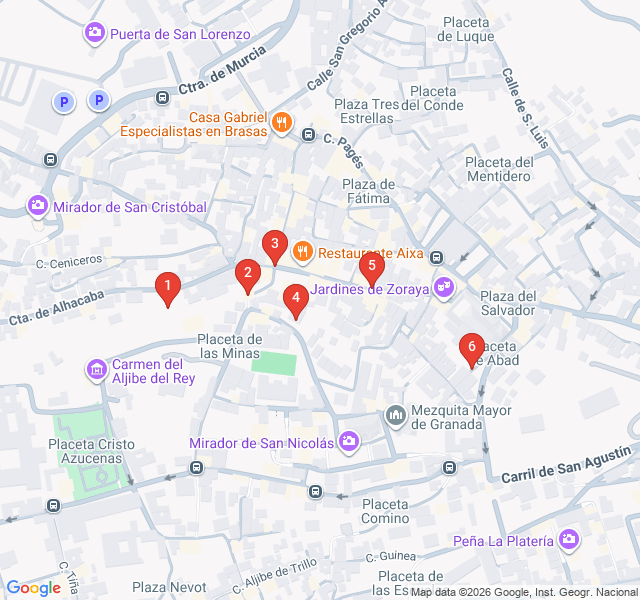
Numbers indicate the order of stops on the tour.
Welcome to the very foundation of Granada. These rugged stone walls date back to the 11th century, built by the Zirid dynasty long before the Alhambra became the grand palace we see today. As you stand here, imagine this neighborhood as a fortified citadel, the 'Alcazaba Cadima'. This was the center of power for the first Muslim kingdom of Granada. The masonry you see is a testament to medieval engineering, designed to withstand sieges and the passage of time. This section of the wall serves as a boundary between the ancient city and the expanding world beyond, setting the stage for our journey into the bohemian heights of the Albaicín.
Pass through the Arco de las Pesas, one of the oldest gates in the city. Its name, 'Gate of the Weights,' refers to the historic practice of inspectors hanging faulty weights here—weights confiscated from dishonest merchants in the nearby market. Notice the 'bent' entrance; this was a classic Moorish defensive feature designed to prevent an invading cavalry from charging straight through. As you walk under its heavy arch, you are following the same path taken by traders, soldiers, and residents for nearly a thousand years. It marks the transition from the defensive walls into the commercial heart of the upper district.
You have reached Plaza Larga, the living room of the Albaicín. Unlike the more formal squares downtown, this plaza is a chaotic, colorful, and deeply local space. On weekday mornings, the air is filled with the shouts of fruit sellers and the smell of fresh flowers. This is where the bohemian spirit of the neighborhood is most visible—you'll see long-time residents chatting on benches alongside young artists and travelers. Take a moment to look up at the balconies overflowing with geraniums. This square has survived centuries of change, remaining the primary gathering spot for the 'Albayzineros' through every era of the city's history.
Tucked away from the main thoroughfare is the Ermita de San Cecilio. This small, unassuming chapel is dedicated to the patron saint of Granada, San Cecilio, who tradition says was the first bishop of the city in the 1st century. The site is a focal point for local folklore; every February, the city celebrates a pilgrimage here. The architecture is simple, reflecting the humble spirituality of the neighborhood. It is a peaceful contrast to the lively market you just left, offering a glimpse into the religious traditions that were woven into the fabric of the Albaicín after the Christian reconquest in 1492.
Calle Panaderos, or 'Bakers' Street,' is one of the most evocative lanes in the district. Historically, this narrow passage was home to the neighborhood’s communal ovens. Even today, you might catch the scent of baking bread from the small 'panaderías' that still operate nearby. The street is a perfect example of the Albaicín’s urban layout: narrow enough to provide shade during the hot Andalusian summers and winding enough to break the wind. Look for the traditional 'empedrado'—the mosaic cobblestone floors made of white and dark stones from the Genil and Darro rivers, a signature of Granada’s streetscapes.
Our walk concludes at Placeta de Abad, a quiet square that captures the serene essence of the upper barrio. While the famous Mirador de San Nicolás nearby is often crowded with people seeking the classic Alhambra view, this little plaza offers a more intimate experience. It is surrounded by 'cármenes'—traditional Granada houses with hidden orchards and gardens behind high walls. From here, you can feel the stillness of the neighborhood and appreciate the slow pace of life that draws so many bohemians to these hills. It is the perfect spot to sit for a moment and soak in the atmosphere of the ancient city before heading back down.
Start Free on iPhone
Explore “Bohemian Life in Upper Albaicín” with your very own Private Tour Guide with Zigway. Start free on iPhone, skip the large group and the fixed routes, and hear the city come alive as you go.
Your Private Tour Guide
Don't miss the good stuff
Explore Freely
 Easy
EasyGranada, Spain
Discover the legacy of the Nasrid silk trade and the vibrant evolution of Granada's historic center on this atmospheric self-guided walk.
 Moderate
Granada, Spain
Explore Granada's historic Jewish Quarter and discover world-class street art on this self-guided walk through the vibrant Realejo neighborhood.
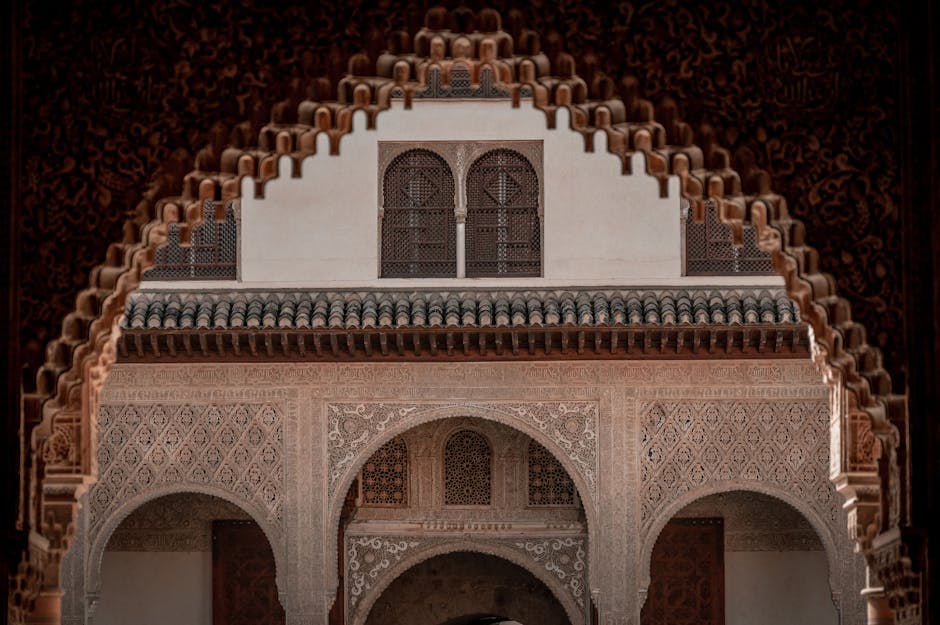 Moderate
Granada, Spain
Discover the Moorish soul of Granada on this self-guided walk through the Albaicín’s winding streets, historic palaces, and iconic viewpoints.
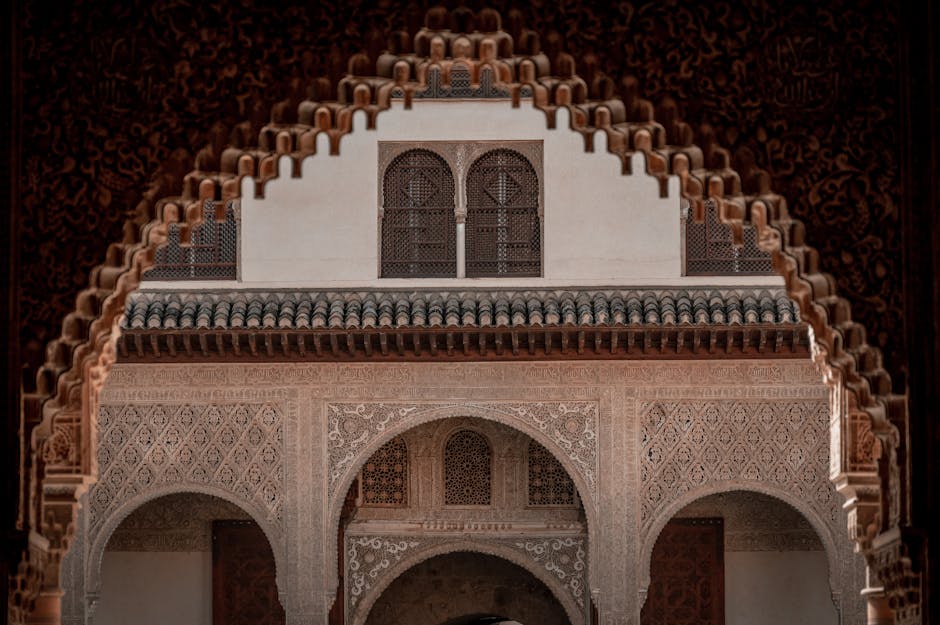 Easy
EasyGranada, Spain
Discover the legacy of the Catholic Monarchs on a self-guided walk through Granada’s grandest Renaissance and Gothic monuments.
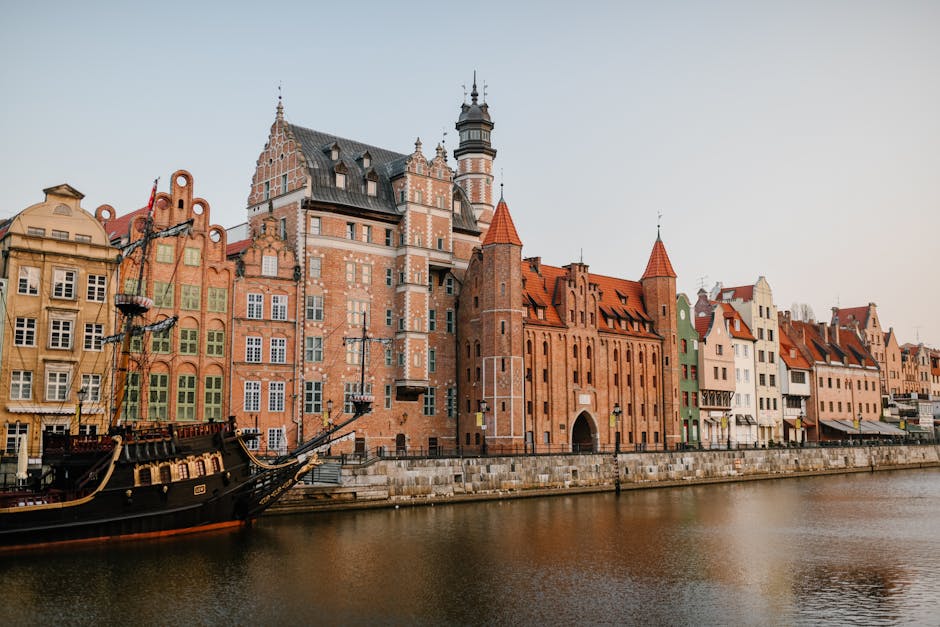 Moderate
Gdansk, Poland
Discover the raw beauty of Gdansk’s Lower Town. Explore industrial ruins, hidden sluices, and riverside bastions on this self-guided walk.
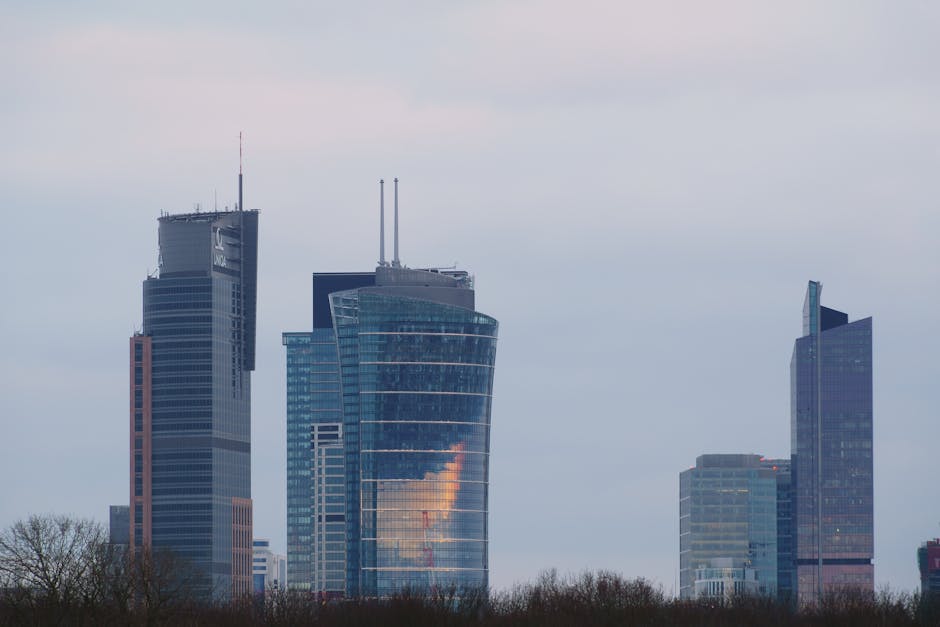 Easy
EasyWarsaw, Poland
Discover the hidden courtyards and grand pre-war architecture of Warsaw's most atmospheric neighborhood on this self-guided stroll.
 Easy
EasySalzburg, Austria
Discover Salzburg's oldest medieval alley, the birthplace of the 'Silent Night' author, and breathtaking views on this quiet self-guided walk.
 Moderate
Nairobi, Kenya
Discover Nairobi's lush side on this self-guided walk through botanical gardens, historic memorials, and vibrant local markets.
 Moderate
Barcelona, Spain
Explore the elegant 'village' of Sarrià, where Gothic monasteries and Gaudí's hidden gems meet charming local markets and narrow streets.
 Moderate
Barcelona, Spain
Discover the revolutionary history and haunting scars of the Spanish Civil War on this self-guided walk through Barcelona's historic streets.
 Easy
EasyBarcelona, Spain
Discover the architectural wonders of Barcelona's Golden Square on this self-guided stroll through Eixample's most luxurious Modernista streets.
 Challenging
Barcelona, Spain
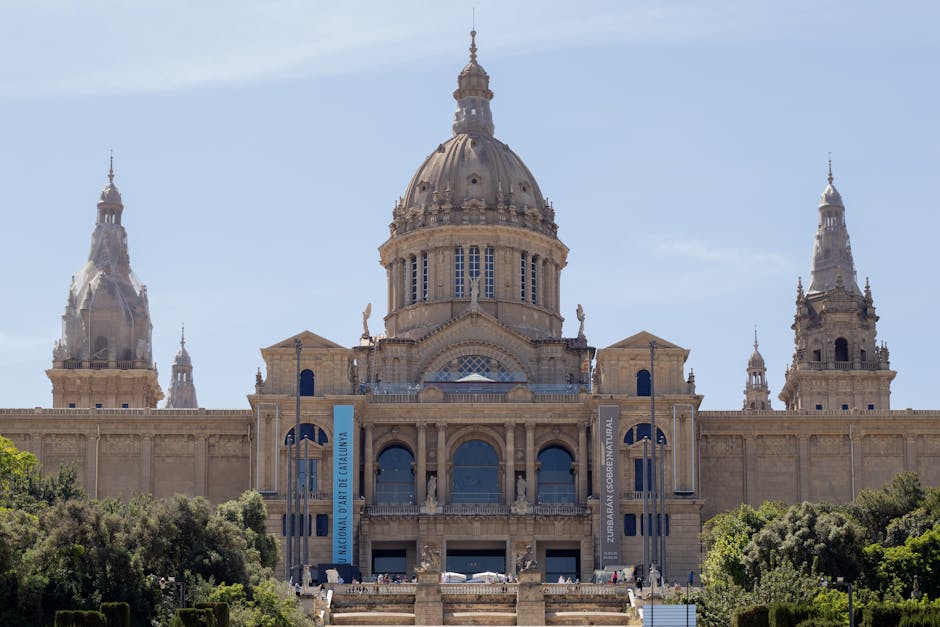
Explore Montjuïc’s lush gardens, historic fortress, and iconic Olympic venues on this scenic self-guided walk with panoramic Mediterranean views.