Self-guided audio tour in Madrid
Start Free on iPhone
Start free on iPhone to unlock this self-guided walking tour in Madrid. Hear all the stories that make it amazing, walk at your own pace, and begin whenever you want.
Your Private Tour Guide
Discover one of the most ambitious urban renewal projects in Europe with this self-guided walk along the Madrid Río. For decades, the Manzanares River was hidden beneath the asphalt of the M-30 motorway, but a massive engineering project buried the traffic underground, creating a lush, six-mile-long linear park that has transformed the city's relationship with its waterfront. This walking route takes you through a landscape where 16th-century granite bridges stand in striking contrast to futuristic steel structures and industrial-age slaughterhouses reborn as vibrant cultural centers. Your neighborhood stroll begins at the historic Segovia Bridge, the oldest in the city, offering iconic views of the Royal Palace. As you move downstream, the path unfolds through manicured gardens and recreational spaces favored by locals. This audio walk highlights the architectural evolution of Madrid, featuring the Baroque elegance of the Puente de Toledo and the shimmering, corkscrew design of the Arganzuela Bridge by Pritzker Prize-winner Dominique Perrault. Beyond the bridges, you will explore the Arganzuela district's industrial heritage, including a stunning glass-enclosed botanical greenhouse and the Matadero Madrid, a former slaughterhouse complex that now serves as a cutting-edge laboratory for contemporary art and culture. Whether you are interested in photography, landscape architecture, or simply looking for a peaceful escape from the bustling city center, this walking tour Madrid provides a unique perspective on how modern cities can reclaim their natural spaces. The route is entirely flat and pedestrianized, making it a perfect choice for families and solo explorers alike. Along the way, you will find plenty of terrace cafes and 'urban beaches' to rest and soak in the atmosphere. Explore independently and at your own pace, uncovering the stories behind the monuments that line the banks of the Manzanares on this comprehensive walking route through Madrid's greenest corridor.
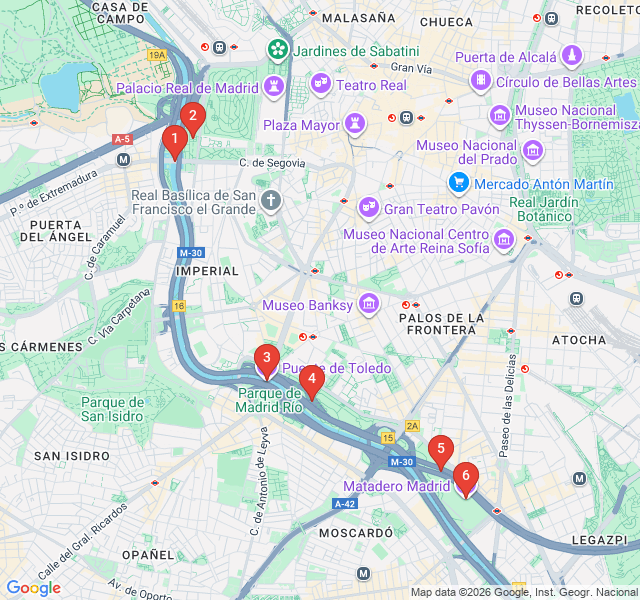
Numbers indicate the order of stops on the tour.
Welcome to the oldest bridge in Madrid. Constructed in the 1580s by Juan de Herrera—the same architect responsible for the somber El Escorial monastery—the Puente de Segovia was commissioned by King Philip II to provide a grand entrance to the city. Its nine semicircular arches are built from granite and reflect the 'Herrerian' style: austere, powerful, and mathematically precise. For centuries, this was the primary route for travelers coming from the north. Look back toward the city center; from here, you have one of the most famous photographic views of the Royal Palace and the Almudena Cathedral towering over the river valley. Imagine that until recently, this serene view was obscured by thousands of cars rushing along a highway that occupied the very ground you are standing on.
Just a short walk from the riverbank sits the Ermita de la Virgen del Puerto. This small but elegant chapel is a masterpiece of Spanish Neoclassicism, designed in 1718 by Pedro de Ribera. It was built to house an image of the Virgin Mary brought from Lisbon and was a popular spot for riverside festivals known as 'romerías' in the 18th century. Though it suffered significant damage during the Spanish Civil War, it was carefully restored to its original glory. The chapel’s white walls and slate-topped towers are a classic example of the Madrid Baroque style. It serves as a reminder of the river's historical role as a place of leisure and religious devotion for the city’s working classes long before the park was ever imagined.
As you continue south, you arrive at the most ornate bridge in Madrid. The Puente de Toledo was built between 1718 and 1732 to replace an earlier bridge destroyed by floods. It is a spectacular example of the Churrigueresque style—a highly decorative Spanish Baroque. Notice the two central 'tabernacles' or shrines; they house statues of Madrid’s patron saint, San Isidro, and his wife, Santa María de la Cabeza. The bridge’s nine arches are decorated with intricate carvings and stone medallions. Interestingly, the river today is much narrower than it was when the bridge was built; the massive granite structure was designed to withstand the violent seasonal floods of the Manzanares that occurred before the river was dammed and regulated upstream.
Prepare for a sharp contrast as you approach the Puente Monumental de Arganzuela. Designed by the renowned French architect Dominique Perrault and inaugurated in 2011, this bridge is the crown jewel of the modern Madrid Río project. It consists of two interlocking conical spirals wrapped in a shimmering stainless steel mesh. The mesh is designed to allow sunlight to filter through to the park below while providing shade for pedestrians. Inside the bridge, the wooden slats and geometric shadows create a rhythmic, almost hypnotic walking experience. It’s not just a bridge; it’s a sculptural landmark that connects the Arganzuela and Carabanchel districts, symbolizing the city's leap into 21st-century urban design.
Housed within a former stable and warehouse of the city's old slaughterhouse, the Palacio de Cristal de la Arganzuela is now a stunning botanical sanctuary. Don’t confuse it with the more famous Crystal Palace in Retiro Park; this one has a distinct industrial-chic aesthetic. Inside the 7,000-square-meter glass and steel structure, you’ll find four distinct microclimates: tropical, subtropical, and two desert zones. It houses over 9,000 species of plants, including rare cacti and lush ferns. The restoration of this building preserved the original Neo-Mudéjar brickwork while adding a modern glass roof, creating a tranquil space that reflects the theme of urban nature that defines the entire Madrid Río park.
Your neighborhood stroll concludes at Matadero Madrid. Built in the early 20th century as a municipal slaughterhouse and livestock market, this massive complex of Neo-Mudéjar buildings is now one of the most vibrant cultural 'powerhouses' in Europe. Instead of livestock, these pavilions now house independent cinemas, theaters, design workshops, and exhibition halls. The brick facades and decorative tiles have been preserved, but the interiors have been stripped back to reveal industrial steel and concrete, creating a raw, creative atmosphere. It is the perfect place to finish your walk; you can explore a contemporary art gallery, browse the design market if it’s a weekend, or simply enjoy a drink at one of the terrace cafes in the central plaza.
Start Free on iPhone
Explore “Madrid Río: The City’s Modern Waterfront” with your very own Private Tour Guide with Zigway. Start free on iPhone, skip the large group and the fixed routes, and hear the city come alive as you go.
Your Private Tour Guide
Don't miss the good stuff
Explore Freely
 Easy
EasyMadrid, Spain
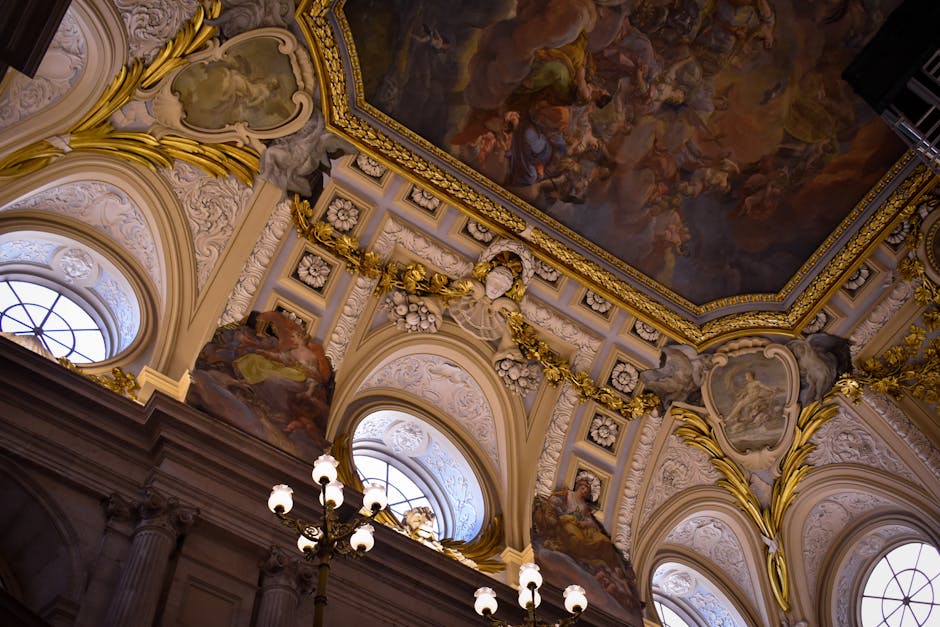
Explore Madrid's 'Landscape of Light' on this self-guided walk through the world-renowned Golden Triangle of Art, from Cibeles to the Reina Sofía.
 Moderate
Madrid, Spain
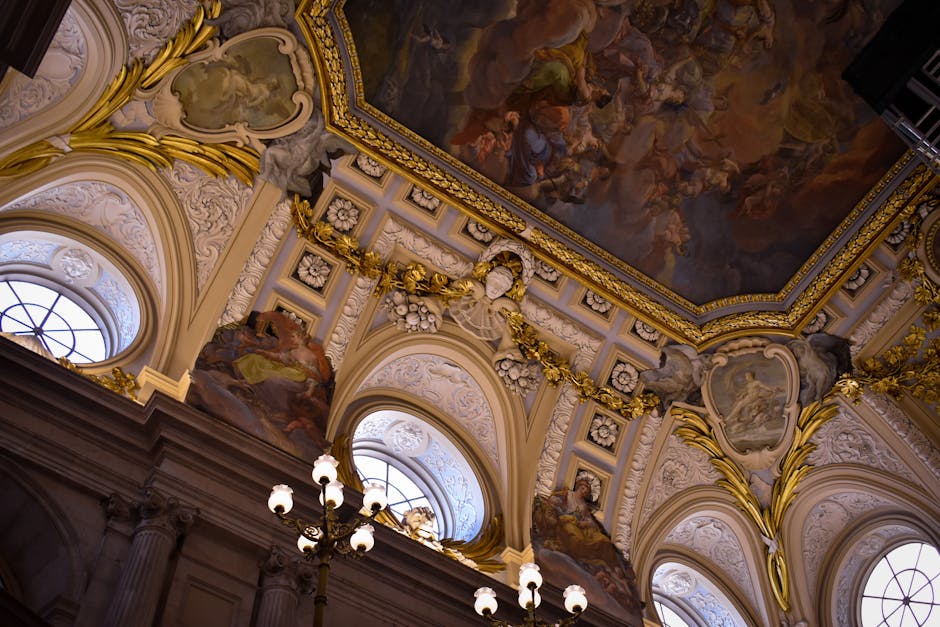
Explore Madrid's most diverse neighborhood on this self-guided walk through street art, historic markets, and multicultural squares.
 Easy
EasyMadrid, Spain
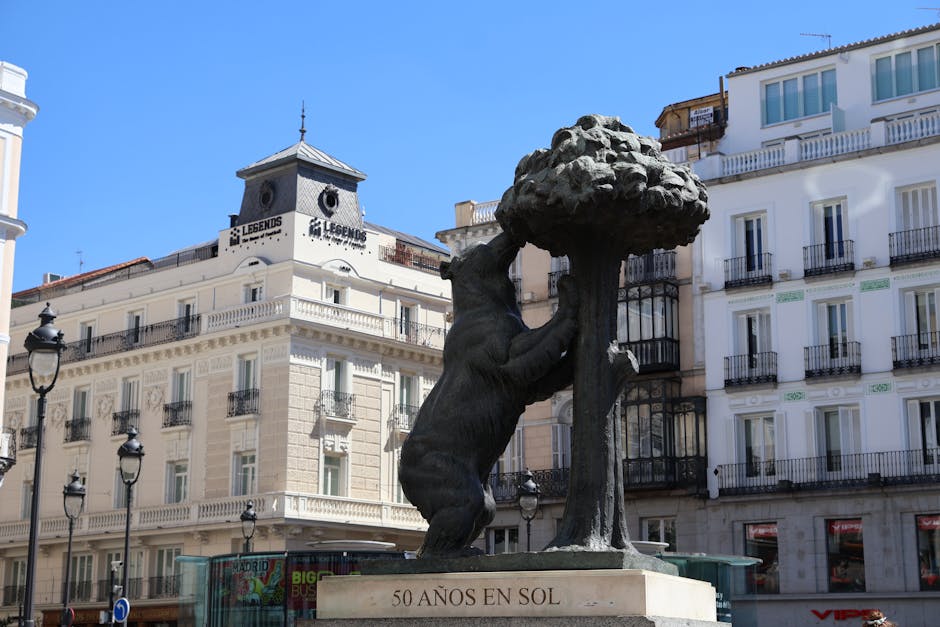
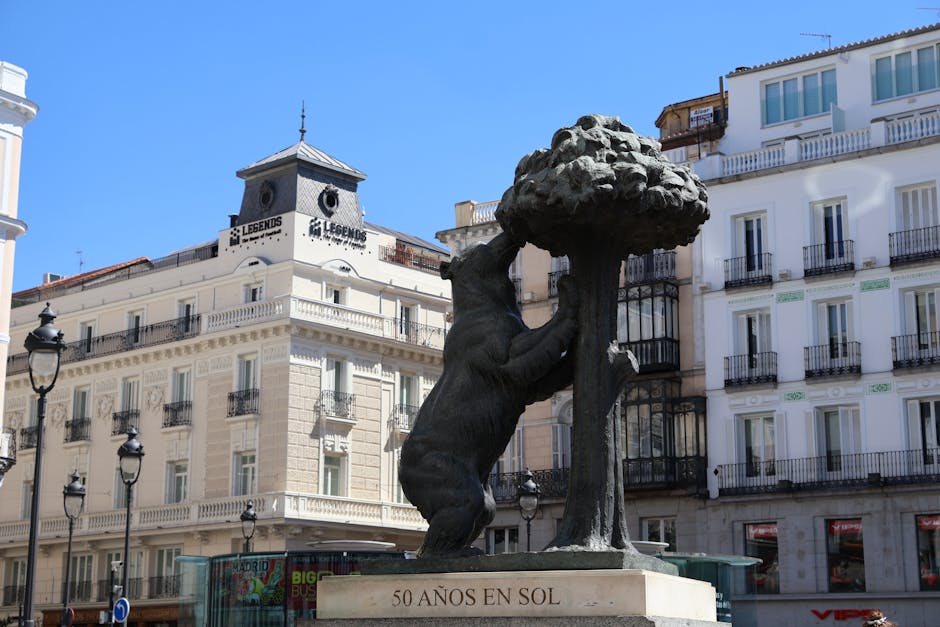
Explore the royal legacy and medieval alleys of Madrid's historic Habsburg district on this immersive self-guided walk through the city's heart.
 Easy
EasyMadrid, Spain
Discover the rebellious spirit of Malasaña on this self-guided walk through Madrid's best street art, historic squares, and counter-culture hubs.
 Easy
EasyGothenburg, Sweden
Explore Gothenburg's maritime soul on this self-guided walk from historic shipyards to sleek modern piers and iconic industrial landmarks.
 Easy
EasyWarsaw, Poland
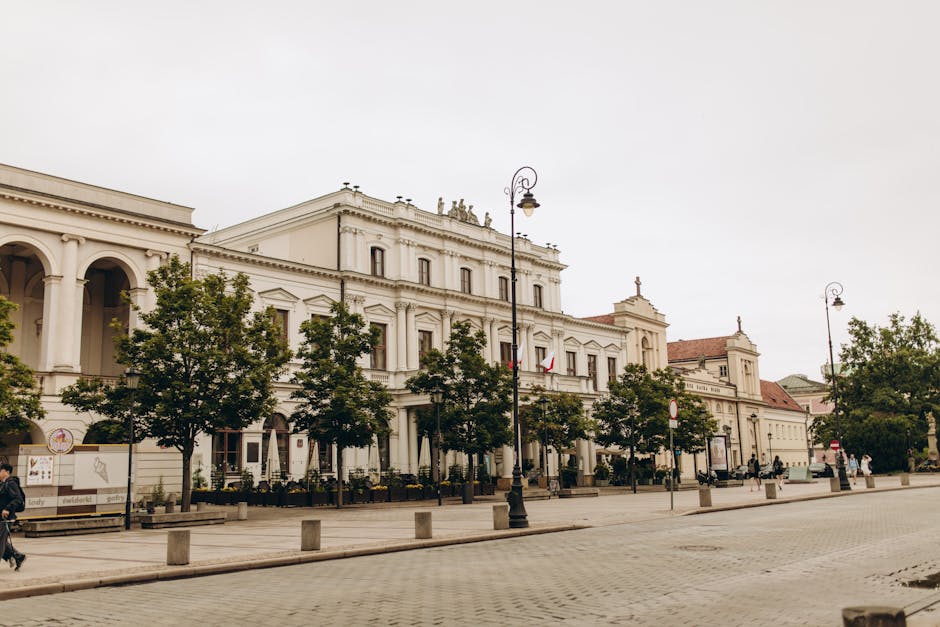
Explore Warsaw's scenic riverfront, rooftop gardens, and industrial-chic architecture on this self-guided stroll through the Powiśle district.
 Easy
EasyGothenburg, Sweden
Explore Gothenburg’s historic wooden houses, legendary giant cinnamon buns, and panoramic fortress views on this self-guided neighborhood stroll.
 Moderate
Gothenburg, Sweden
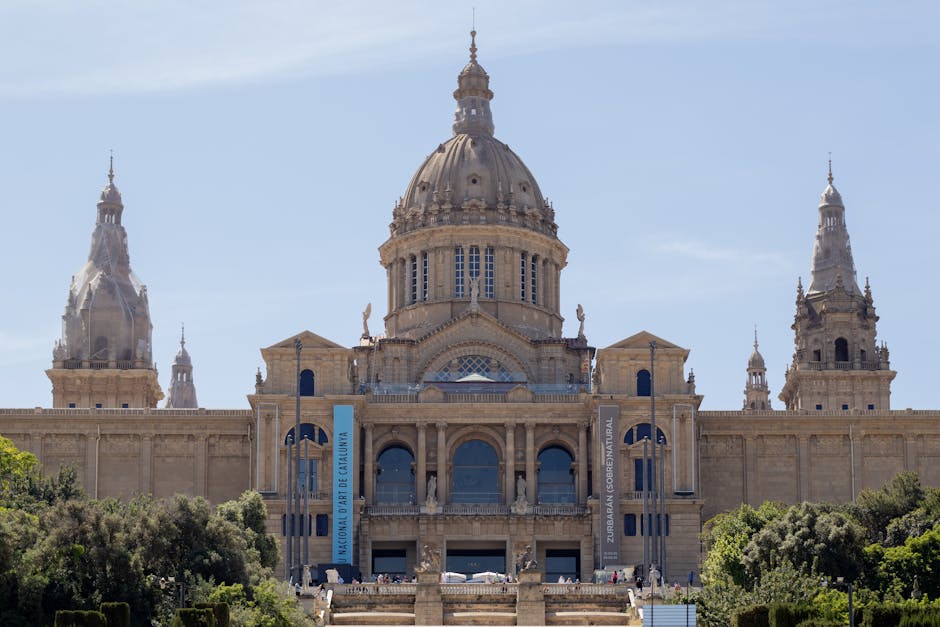
Explore Gothenburg’s lush "Green Lung" on this self-guided walk through the Botanical Garden, Slottsskogen park, and rugged Änggård Mountains.
 Moderate
Barcelona, Spain
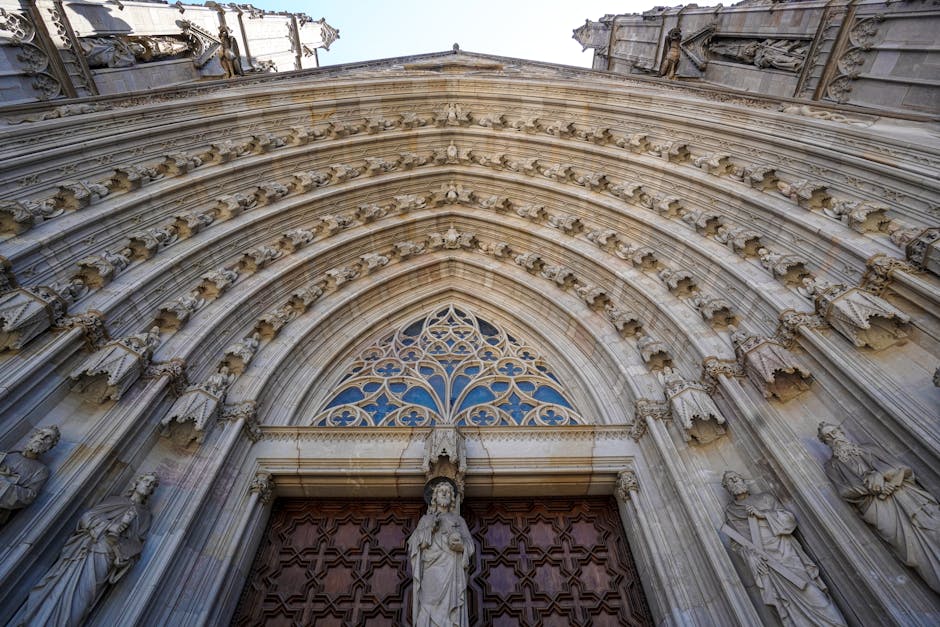
Explore the elegant 'village' of Sarrià, where Gothic monasteries and Gaudí's hidden gems meet charming local markets and narrow streets.
 Moderate
Barcelona, Spain
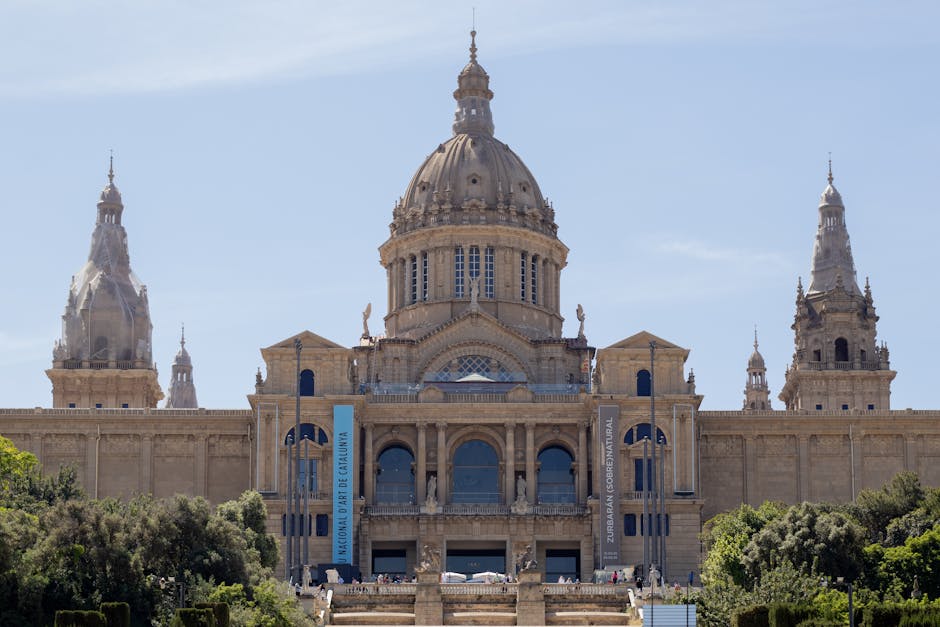
Discover the revolutionary history and haunting scars of the Spanish Civil War on this self-guided walk through Barcelona's historic streets.
 Easy
EasyBarcelona, Spain
Discover the architectural wonders of Barcelona's Golden Square on this self-guided stroll through Eixample's most luxurious Modernista streets.
 Challenging
Barcelona, Spain
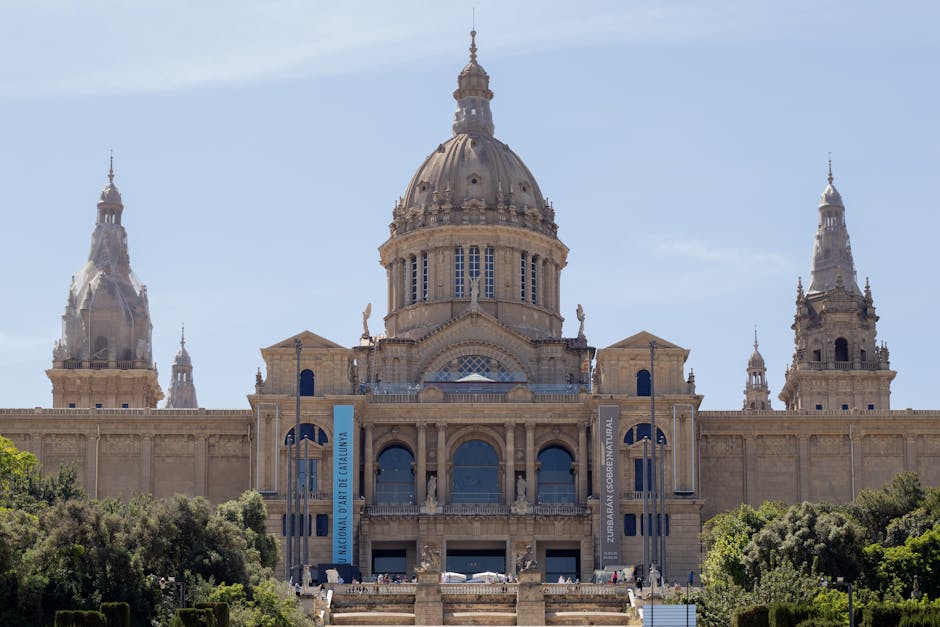
Explore Montjuïc’s lush gardens, historic fortress, and iconic Olympic venues on this scenic self-guided walk with panoramic Mediterranean views.