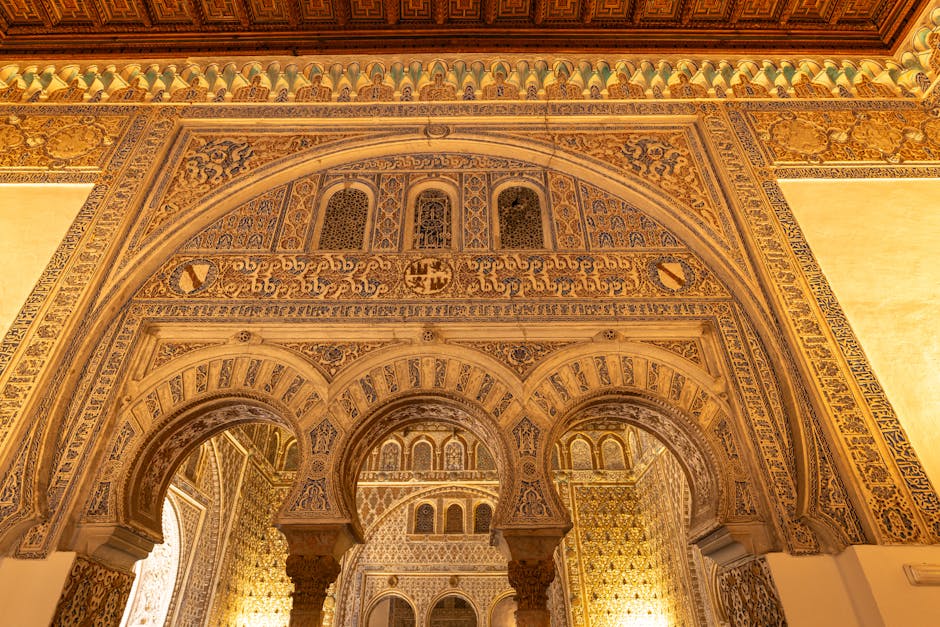
Self-guided audio tour in Seville
Start Free on iPhone
Start free on iPhone to unlock this self-guided walking tour in Seville. Hear all the stories that make it amazing, walk at your own pace, and begin whenever you want.
Your Private Tour Guide
Seville is a city where the lines between history and fiction blur into a captivating tapestry of myths and legends. This literary Seville walking route invites you to wander through the sun-drenched plazas and narrow alleys of the Centro and Santa Cruz districts, following the footsteps of the world's most famous libertine and Spain's greatest novelist. As you explore independently, you will discover the real-world inspirations for characters like Don Juan and the settings that sparked the imagination of Miguel de Cervantes. The city served as more than just a backdrop for these writers; it was a living, breathing character that shaped the Golden Age of Spanish literature. This self-guided walk takes you from the quiet corners of the Jewish Quarter to the bustling heart of the commercial district, revealing the hidden stories behind iconic landmarks. You will see where legendary plays were set, where Cervantes endured imprisonment, and how Seville's vibrant atmosphere birthed the myth of Carmen. This is not just a neighborhood stroll; it is a journey into the soul of a city that has inspired poets, playwrights, and dreamers for centuries. Whether you are a fan of classic literature or simply want to see the city through a different lens, this walking route Seville offers a unique perspective on the Andalusian capital. Discover the secret courtyards and grand facades that define the city's literary heritage at your own pace, away from the crowds, and immerse yourself in the romantic and often turbulent history of Seville’s most famous residents.
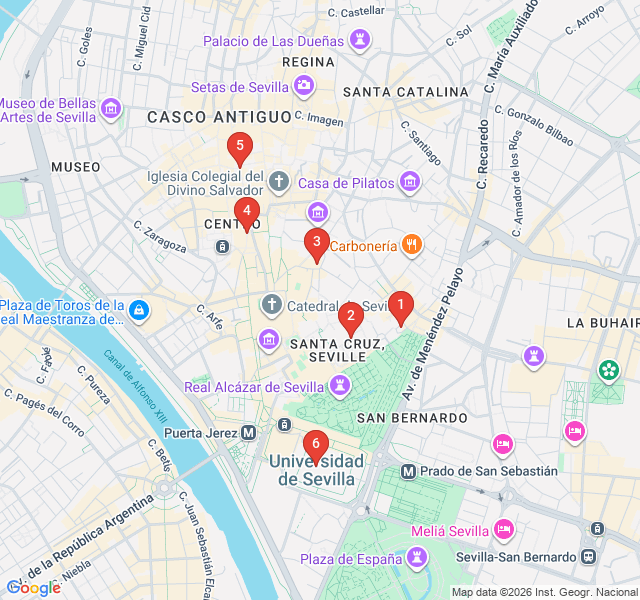
Numbers indicate the order of stops on the tour.
Start your journey in the quiet Plaza de Refinadores, where you are greeted by the bronze gaze of Don Juan Tenorio. This legendary figure, the ultimate 'seducer of Seville,' was immortalized by playwright José Zorrilla in 1844, though the character's roots go back much further. While Don Juan is a fictional creation, he represents the archetype of the Spanish libertine during the Golden Age. The statue captures him in classic 16th-century attire, standing in the heart of the Santa Cruz neighborhood where many of his fictional exploits were set. As you begin this self-guided walk, imagine the narrow streets behind you as the stage for late-night duels and romantic pursuits that defined the myth of the man who feared neither God nor law.
A short walk leads you to the picturesque Plaza de los Venerables. This square is dominated by the Hospital de los Venerables, a former residence for elderly priests. In the literary world, however, this plaza is often cited as the location of the tavern where Don Juan and his rival, Don Luis Mejía, made their infamous wager to see who could do more evil in a year. The surrounding white-washed walls and orange trees provide a quintessential Sevillian backdrop. It is easy to see why writers like Zorrilla chose such atmospheric settings for their dramas. Take a moment to soak in the ambiance of one of the city's most charming corners before continuing your literary exploration.
Next, discover the Casa de los Pinelo, a stunning example of a Renaissance palace with Gothic and Mudéjar influences. This building now serves as the seat of the Seville Academy of Belles Lettres and the Academy of Fine Arts. Its connection to the literary theme lies in its preservation of the intellectual spirit of the Golden Age. During the 16th century, Seville was the gateway to the Americas and a magnet for artists and thinkers. The Pinelo family were wealthy Genoese merchants, and their home reflects the opulence and cultural fusion of the era. Inside, the tranquil courtyards and intricate tiling evoke the era when Seville was the cultural capital of the world, providing the perfect environment for literary salons and artistic exchange.
Moving toward the city center, you arrive at the Plaza de San Francisco. For centuries, this was the civic heart of Seville, hosting everything from tournaments to the dreaded autos-da-fé of the Spanish Inquisition. Miguel de Cervantes, the author of Don Quixote, would have known this square intimately during his time as a tax collector in the city. The grand Plateresque facade of the City Hall (Ayuntamiento) provides a majestic backdrop here. Cervantes' life in Seville was often difficult; he struggled with debt and legal troubles, experiences that profoundly influenced his writing. The square serves as a reminder of the complex social hierarchy and the vibrant, sometimes harsh, reality of life in 17th-century Spain that Cervantes captured so vividly in his works.
Step onto Calle Sierpes, Seville's most famous shopping street, which has a surprisingly dark literary history. In the 16th century, the Royal Prison of Seville stood nearby. It was within those prison walls that Miguel de Cervantes was incarcerated for several months due to irregularities in his accounts. Legend has it that he began conceptualizing his masterpiece, Don Quixote, while behind bars. Today, the street is a bustling pedestrian thoroughfare known for its traditional shops and cafes, but its literary significance remains. Look for the commemorative plaque marking the site of the old prison. As you walk, consider how the 'prince of wits' transformed his personal misfortune into the world's first modern novel, forever linking his name to the streets of Seville.
Your final stop is the massive, fortress-like building that now houses the University of Seville. Originally, this was the Royal Tobacco Factory, the first of its kind in Europe and one of the largest industrial buildings in Spain. It is most famous in literature and music as the workplace of Carmen, the fiery protagonist of Prosper Mérimée’s novella and Bizet's world-renowned opera. The building’s grand stone gateways and vast courtyards tell the story of Seville’s industrial past and its role in creating the 'romantic' image of Spain that captivated 19th-century European writers. Standing here, you can almost hear the echoes of the 'cigarreras' or cigarette girls who once worked within these walls, cementing Seville’s place in the global literary imagination.
Start Free on iPhone
Explore “Don Juan & Cervantes: Literary Seville” with your very own Private Tour Guide with Zigway. Start free on iPhone, skip the large group and the fixed routes, and hear the city come alive as you go.
Your Private Tour Guide
Don't miss the good stuff
Explore Freely
 Challenging
Seville, Spain
Explore the futuristic legacy of Expo 92 and the ancient secrets of a Carthusian monastery on this self-guided walk through Isla de la Cartuja.
 Moderate
Seville, Spain
Explore Seville's artistic soul in Macarena, featuring ancient walls, vibrant markets, and bohemian workshops on this independent audio walk.
 Easy
EasySeville, Spain
Discover the independent spirit of Triana on this self-guided walk through flamenco history, ceramic traditions, and riverside charm.
 Easy
EasySeville, Spain
Discover Seville's modern side! Explore the iconic Setas, Roman ruins, and trendy boutiques on this self-guided walking route through the city center.
 Easy
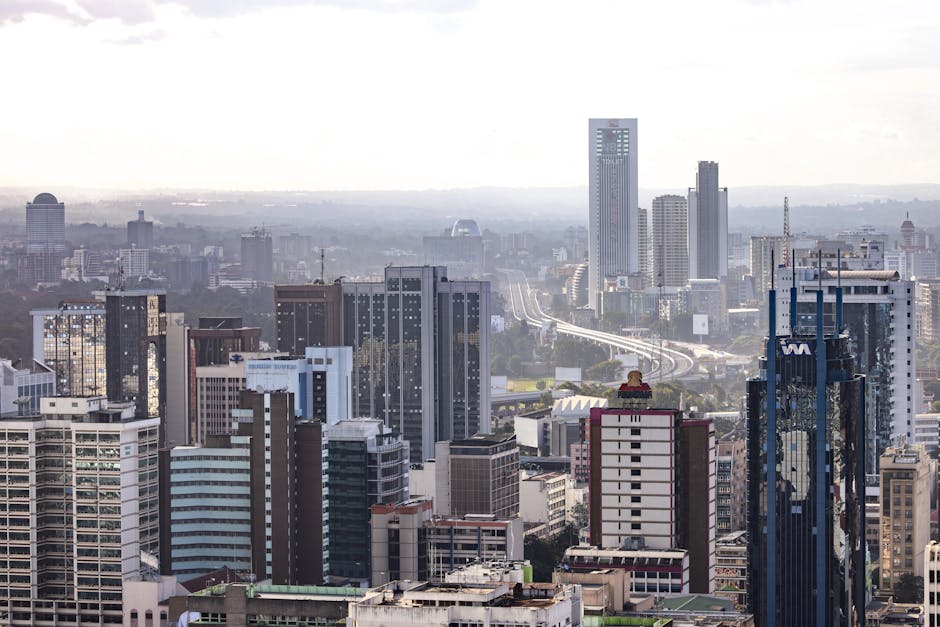
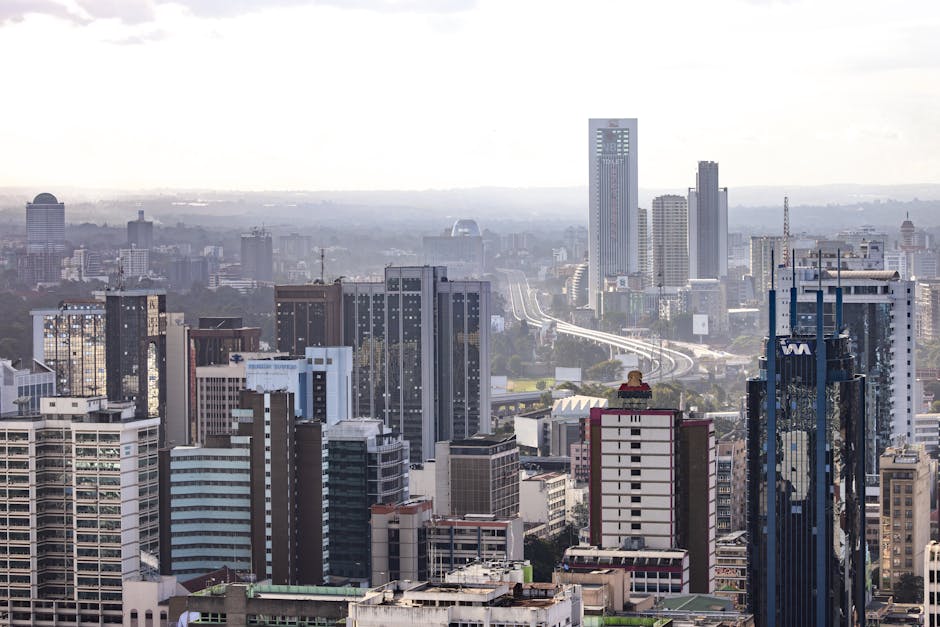
EasyNairobi, Kenya
Explore Nairobi's architectural evolution from colonial-era landmarks to iconic Brutalist skyscrapers on this historic self-guided walking route.
 Easy
EasyNairobi, Kenya
Discover Nairobi's iconic skyline on this self-guided architecture walk through the CBD’s most famous modernist and Brutalist landmarks.
 Easy
EasyKrakow, Poland
Explore the prestigious Jagiellonian University district, featuring Neo-Gothic architecture, Baroque churches, and Krakow's hidden scholarly gems.
 Easy
EasyKrakow, Poland
Explore the historic heart of Kazimierz on this self-guided walk through synagogues, ancient cemeteries, and vibrant squares.
 Moderate
Barcelona, Spain
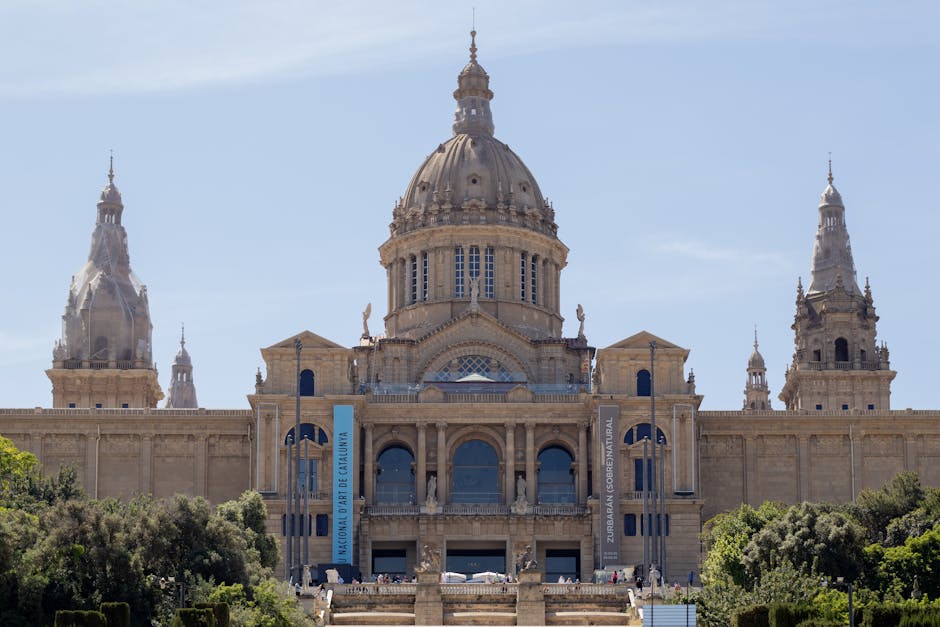
Explore the elegant 'village' of Sarrià, where Gothic monasteries and Gaudí's hidden gems meet charming local markets and narrow streets.
 Moderate
Barcelona, Spain
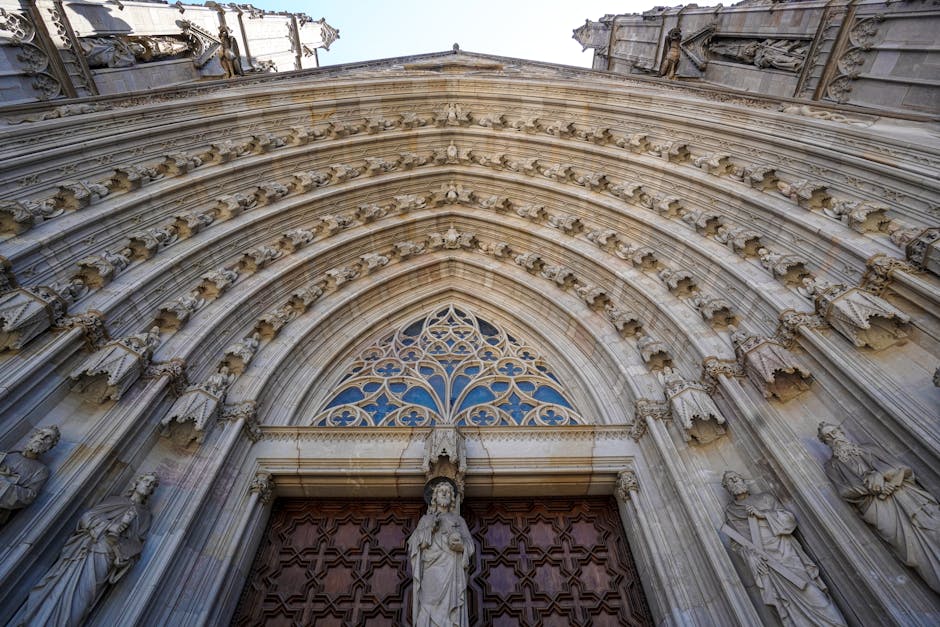
Discover the revolutionary history and haunting scars of the Spanish Civil War on this self-guided walk through Barcelona's historic streets.
 Easy
EasyBarcelona, Spain
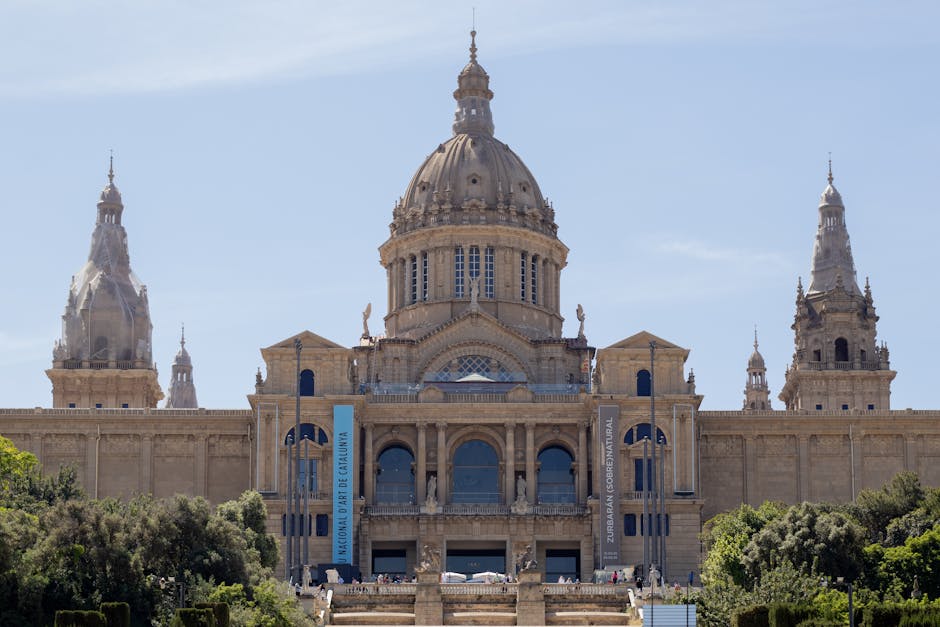
Discover the architectural wonders of Barcelona's Golden Square on this self-guided stroll through Eixample's most luxurious Modernista streets.
 Challenging
Barcelona, Spain
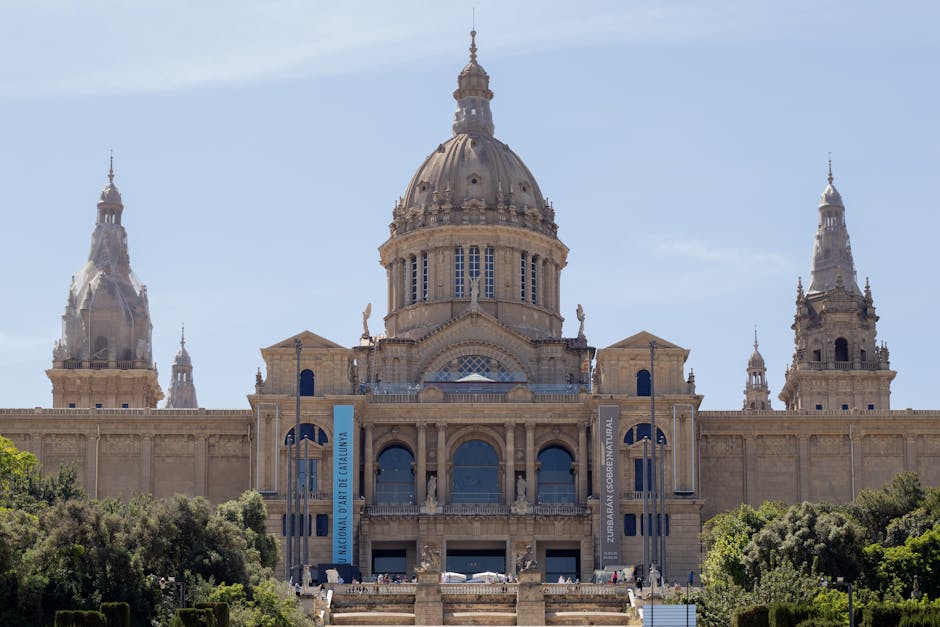
Explore Montjuïc’s lush gardens, historic fortress, and iconic Olympic venues on this scenic self-guided walk with panoramic Mediterranean views.