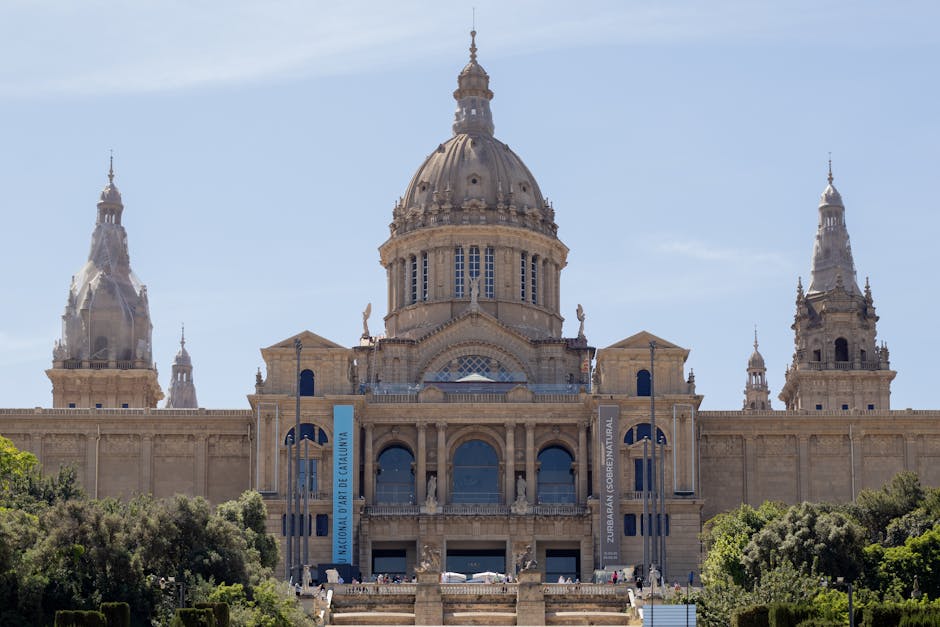
Self-guided audio tour in Barcelona
Start Free on iPhone
Start free on iPhone to unlock this self-guided walking tour in Barcelona. Hear all the stories that make it amazing, walk at your own pace, and begin whenever you want.
Your Private Tour Guide
Step into the vibrant, gritty, and rebellious heart of Barcelona with this self-guided walk through El Raval. Once known as the 'Barrio Chino,' this neighborhood has transformed from a neglected industrial zone into a hub of contemporary culture, street art, and independent spirit. This walking route offers a unique perspective on the city, contrasting the sleek, white walls of modern museums with the colorful, ever-changing graffiti of the backstreets. You will discover how Raval has always been a place for outsiders, from the medieval patients of the city's oldest hospital to the skaters and street artists of today. Your independent journey begins at the MACBA, the Cathedral of Contemporary Art, where the architecture of Richard Meier serves as a backdrop for one of the world's most famous skate spots. From here, the route dives into the neighborhood's activist roots, passing the iconic Keith Haring mural that advocates for social awareness. You'll wander through narrow streets filled with vintage shops and counter-culture vibes before finding peace in the hidden Gothic cloisters of the Old Hospital de la Santa Creu. The stroll concludes with a visit to two very different landmarks: the whimsical, oversized cat of Fernando Botero and the early architectural brilliance of Antoni Gaudí at Palau Güell. This audio walk is perfect for those who want to see Barcelona beyond the typical tourist trails and understand the complex, layered history of its most diverse district. **Note:** This area is known for its ever-changing character. Street art, pop-up venues, and temporary exhibitions may differ from what's described. That's part of the adventure - you might discover something entirely new!
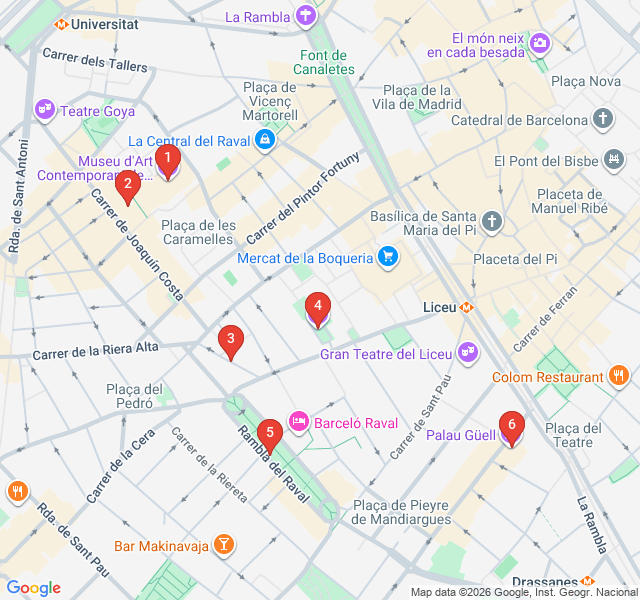
Numbers indicate the order of stops on the tour.
Welcome to the Plaça dels Àngels, the heart of modern Raval. The striking white building before you is the MACBA, designed by American architect Richard Meier. Since opening in 1995, it has acted as a catalyst for the neighborhood's regeneration. While the museum inside houses incredible contemporary works, the plaza outside is equally famous as a global mecca for skateboarding. The smooth granite surfaces and long ledges make it a natural playground. Notice how the modern, glass-heavy architecture contrasts with the 16th-century Convent dels Àngels across the square. This juxtaposition of the ancient and the ultra-modern is exactly what defines El Raval today.
Just a short stroll from the museum, you'll find a striking red mural. This is a faithful reproduction of a work painted by the legendary New York artist Keith Haring in 1989. Haring visited Barcelona just months before his death from AIDS-related complications. He chose a wall in the then-notorious 'Barrio Chino' to paint this piece, titled 'Todos juntos podemos parar el SIDA' (Together we can stop AIDS). The mural features his signature dancing figures and a snake-like creature representing the disease. Please note that street art is ephemeral; while this specific wall is protected, the surrounding graffiti changes almost weekly as local artists leave their mark.
Step into the epicenter of Barcelona's alternative scene. Carrer de la Riera Baixa is famous for its concentration of vintage clothing stores, record shops, and second-hand boutiques. This street embodies the rebellious, DIY spirit of El Raval. On Saturdays, shop owners often move their racks onto the street, creating a vibrant flea-market atmosphere. As you walk, look up at the balconies—you'll often see political banners and laundry hanging side-by-side, a reminder that despite the gentrification, this remains a living, breathing working-class neighborhood with a strong sense of local identity.
Leaving the noise of the shops behind, enter this quiet oasis. This complex served as the city's main hospital for over five centuries, from 1401 until 1926. It is a stunning example of Civil Gothic architecture. Tragically, this is where the famous architect Antoni Gaudí passed away in 1926 after being struck by a tram; because of his disheveled appearance, he was mistaken for a beggar and brought here to the hospital for the poor. Today, the buildings house the Library of Catalonia and an art school. Take a moment to sit in the courtyard under the orange trees and admire the tiled walls and vaulted stone walkways.
Meet the most famous resident of the Raval: the Cat. Created by Colombian artist Fernando Botero, this massive bronze sculpture is known for its 'fat' or voluminous proportions, typical of Botero's style. The cat arrived in Barcelona in 1987 and wandered the city for fifteen years—placed in various parks and plazas—before finally finding its permanent home here on the Rambla del Raval in 2003. It has become a symbol of the neighborhood's resilience and playfulness. It’s a local tradition to rub the cat's nose or paws for good luck, though you might have to wait your turn behind a few other travelers!
We conclude our stroll at one of Antoni Gaudí’s earliest masterpieces. Built for his wealthy patron Eusebi Güell, this palace was designed to be a functional home and a space for social gatherings. Unlike his later, more colorful works like Casa Batlló, the facade here is somewhat somber and fortress-like, fitting the narrow street it sits on. However, look up at the roof to see the first signs of Gaudí’s obsession with whimsical chimneys—decorated with colorful broken ceramics, or 'trencadís.' The building’s innovative use of space and light marked the beginning of the Modernisme movement that would eventually transform the entire face of Barcelona.
Start Free on iPhone
Explore “Urban Art and Rebels of El Raval” with your very own Private Tour Guide with Zigway. Start free on iPhone, skip the large group and the fixed routes, and hear the city come alive as you go.
Your Private Tour Guide
Don't miss the good stuff
Explore Freely
 Moderate
Barcelona, Spain
Explore the elegant 'village' of Sarrià, where Gothic monasteries and Gaudí's hidden gems meet charming local markets and narrow streets.
 Moderate
Barcelona, Spain
Discover the revolutionary history and haunting scars of the Spanish Civil War on this self-guided walk through Barcelona's historic streets.
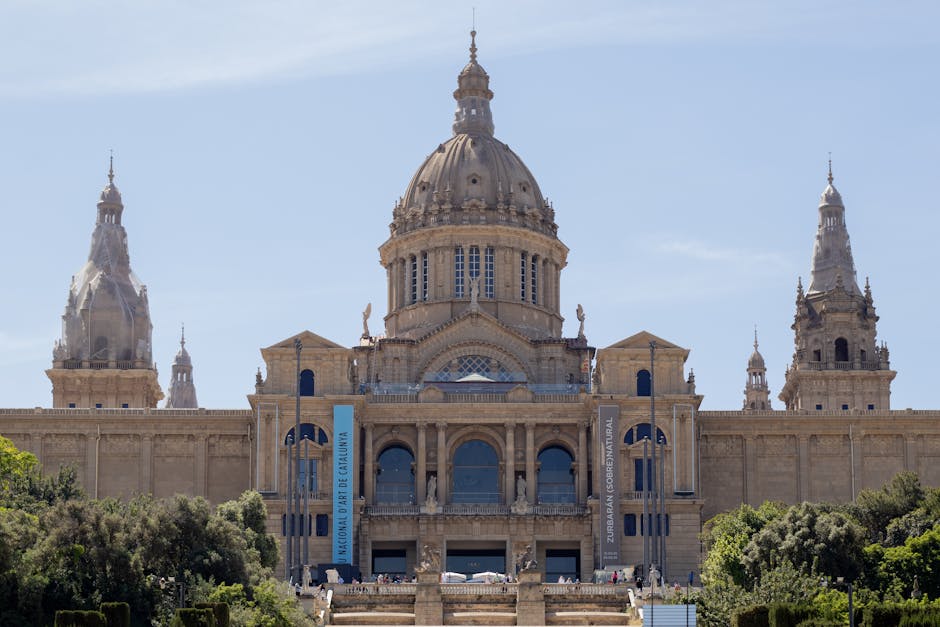 Easy
EasyBarcelona, Spain
Discover the architectural wonders of Barcelona's Golden Square on this self-guided stroll through Eixample's most luxurious Modernista streets.
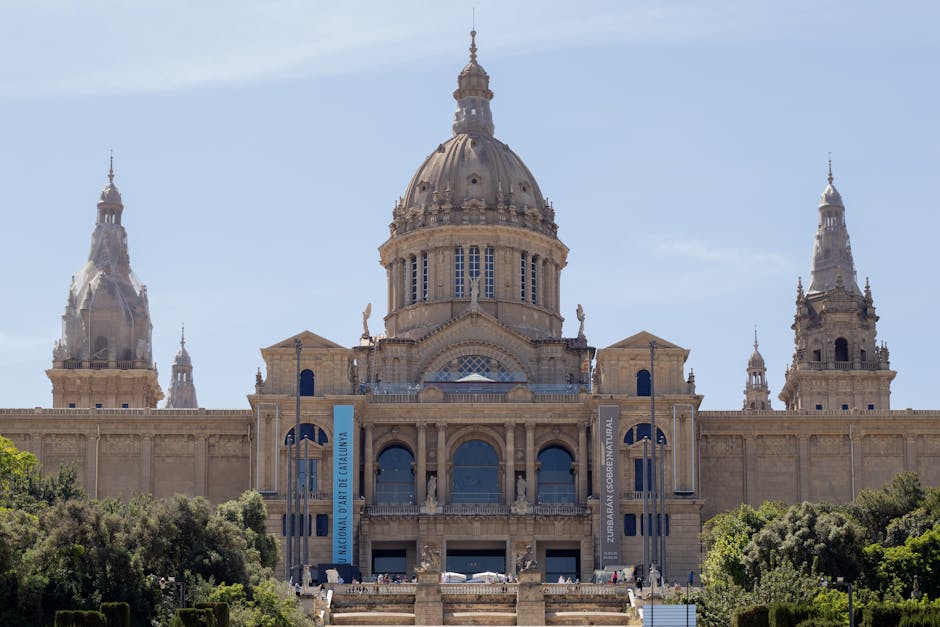 Challenging
Barcelona, Spain
Explore Montjuïc’s lush gardens, historic fortress, and iconic Olympic venues on this scenic self-guided walk with panoramic Mediterranean views.
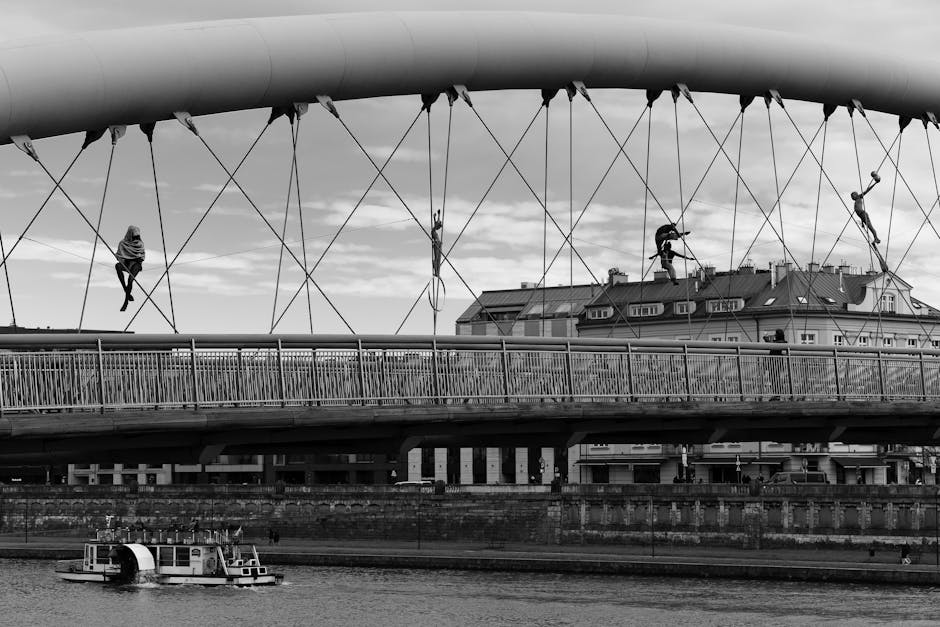 Easy
EasyKrakow, Poland
Discover Krakow’s creative soul in Zabłocie, exploring industrial heritage, contemporary art museums, and avant-garde architecture at your own pace.
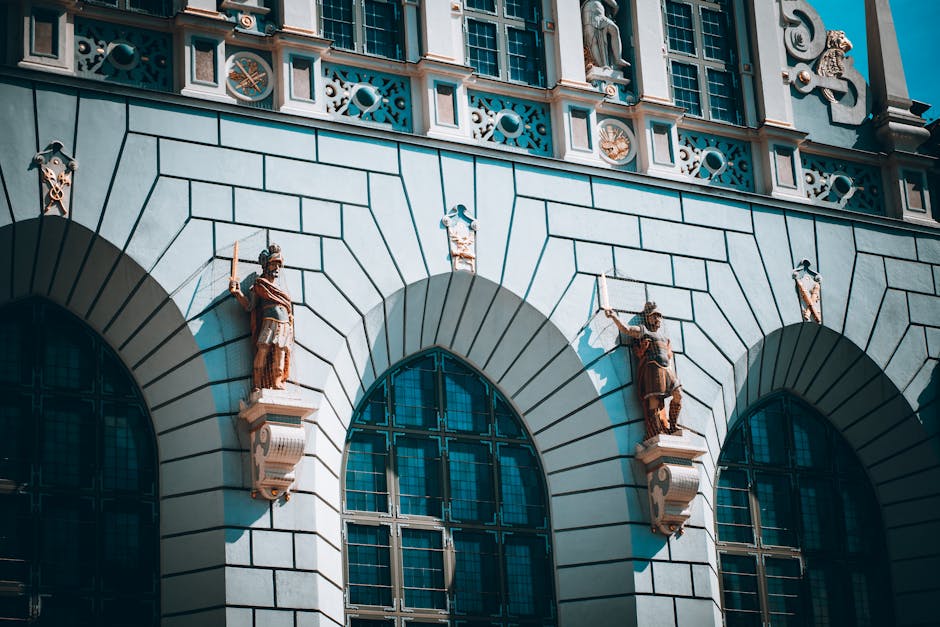 Moderate
Gdansk, Poland
Discover Zaspa, a massive open-air gallery where grey housing blocks are transformed by over 60 monumental murals. Explore at your own pace.
 Moderate
Helsinki, Finland
Explore Helsinki's bohemian heart. Discover historic saunas, granite churches, and the vibrant local life of the Kallio neighborhood at your own pace.
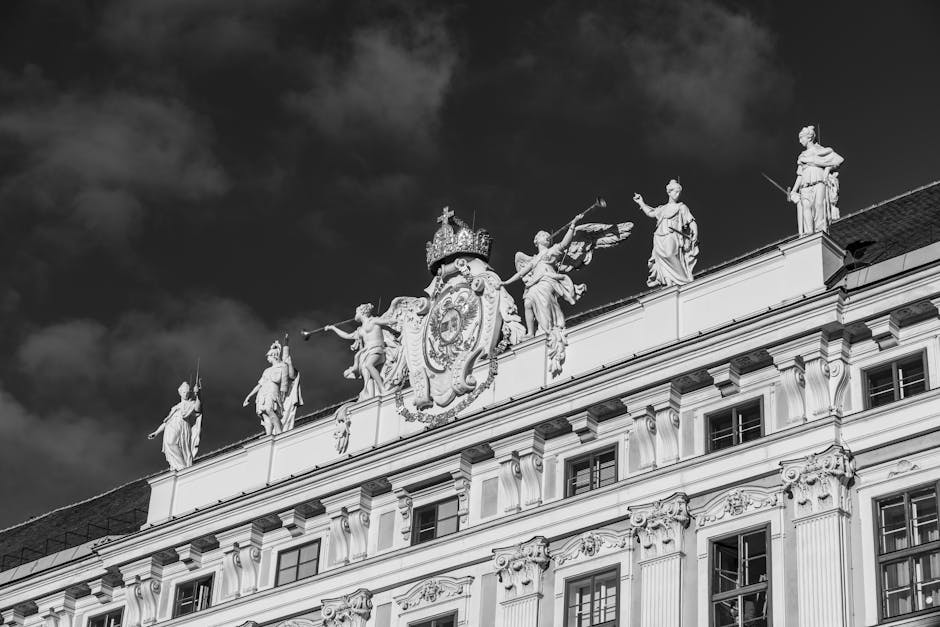 Easy
EasyVienna, Austria
Explore Vienna’s vibrant open-air gallery along the Danube Canal on this self-guided street art and nightlife stroll through Leopoldstadt.
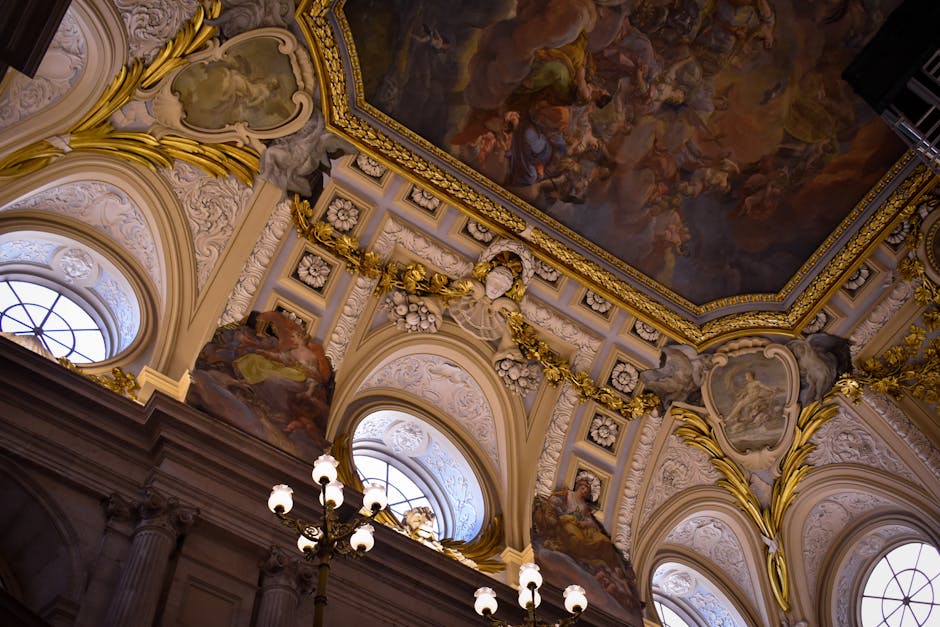 Easy
EasyMadrid, Spain
Explore Madrid's 'Landscape of Light' on this self-guided walk through the world-renowned Golden Triangle of Art, from Cibeles to the Reina Sofía.
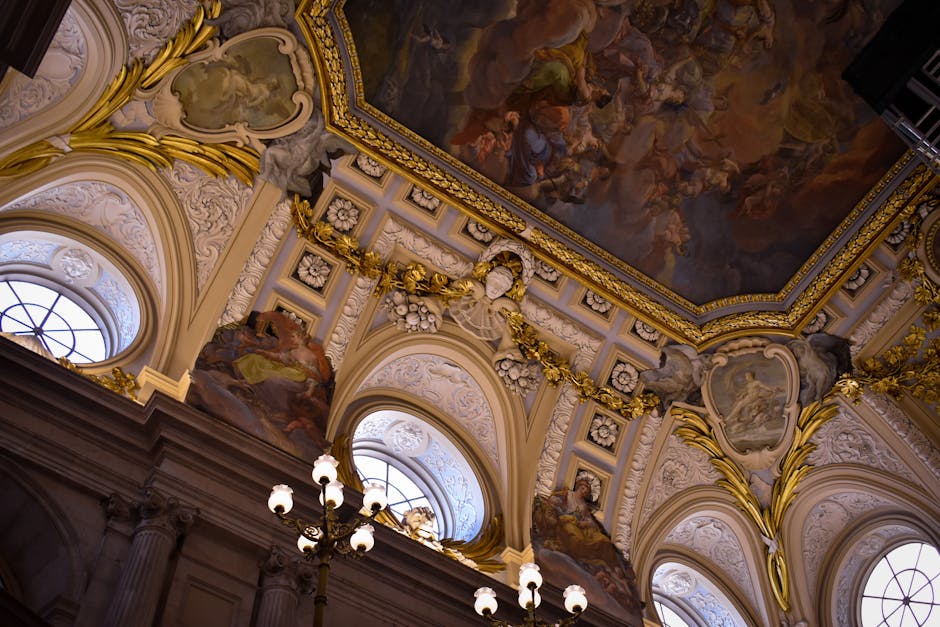 Moderate
Madrid, Spain
Explore Madrid's most diverse neighborhood on this self-guided walk through street art, historic markets, and multicultural squares.
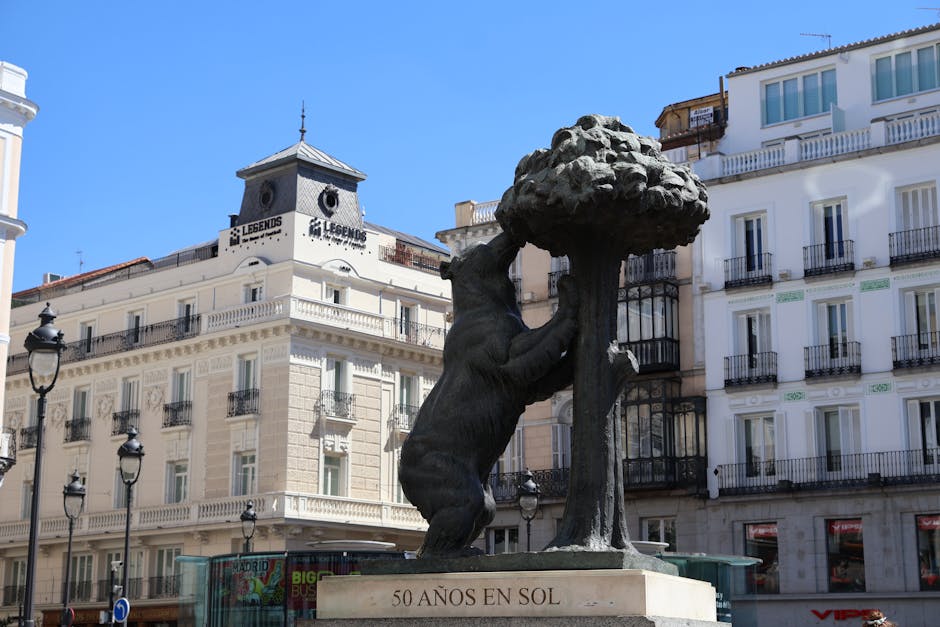 Easy
EasyMadrid, Spain
Explore the royal legacy and medieval alleys of Madrid's historic Habsburg district on this immersive self-guided walk through the city's heart.
 Easy
EasyMadrid, Spain
Discover the rebellious spirit of Malasaña on this self-guided walk through Madrid's best street art, historic squares, and counter-culture hubs.