Self-guided audio tour in Cappadocia
Start Free on iPhone
Start free on iPhone to unlock this self-guided walking tour in Cappadocia. Hear all the stories that make it amazing, walk at your own pace, and begin whenever you want.
Your Private Tour Guide
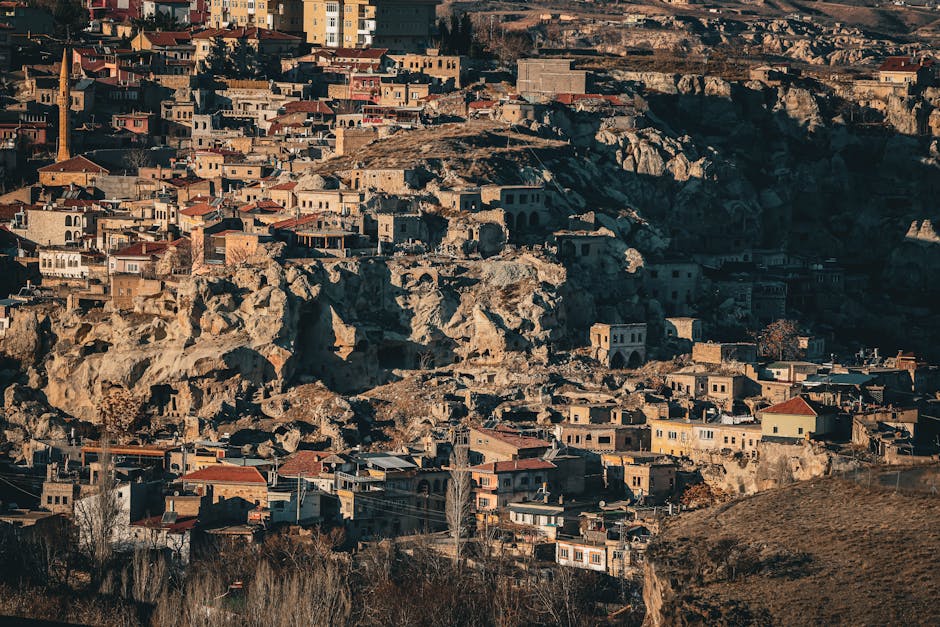
Step into a world where time seems to have paused in the early 20th century. Mustafapaşa, formerly known as Sinasos, is a hidden gem that offers a more tranquil and architecturally rich experience than the bustling hubs of central Cappadocia. This self-guided walk invites you to explore the legacy of the 'Exchange of Populations' in 1923, which saw the departure of the town's wealthy Greek merchant families and the arrival of Balkan Turks. As you wander through the cobblestone streets, you will encounter some of the finest examples of late Ottoman and Greek masonry in the region. This walking route highlights the unique cultural synthesis of the village. From the monumental portal of the Mehmet Şakir Paşa Medresesi to the delicate stone carvings of the Old Greek House, every corner tells a story of a prosperous past. You will discover how the local 'Sinasite' Greeks, who made their fortunes in the Istanbul caviar trade, returned to their ancestral village to build magnificent mansions that still stand today. The route also takes you to significant religious sites, including the Church of Constantine and Helen, which remains a focal point of the village square. For those seeking a deeper connection to the land, the stroll transitions from the elegant village center to the rugged beauty of the Gomeda Valley. Here, the landscape opens up into a network of rock-cut churches, pigeon houses, and natural formations that characterize this volcanic region. This journey is ideal for travelers who prefer to explore independently and at their own pace, away from the typical tourist crowds. Whether you are an architecture enthusiast, a history buff, or a nature lover, this neighborhood stroll provides a comprehensive look at the diverse heritage of Mustafapaşa. This is one of the most rewarding ways to experience a walking tour Cappadocia has to offer for those looking for authenticity.
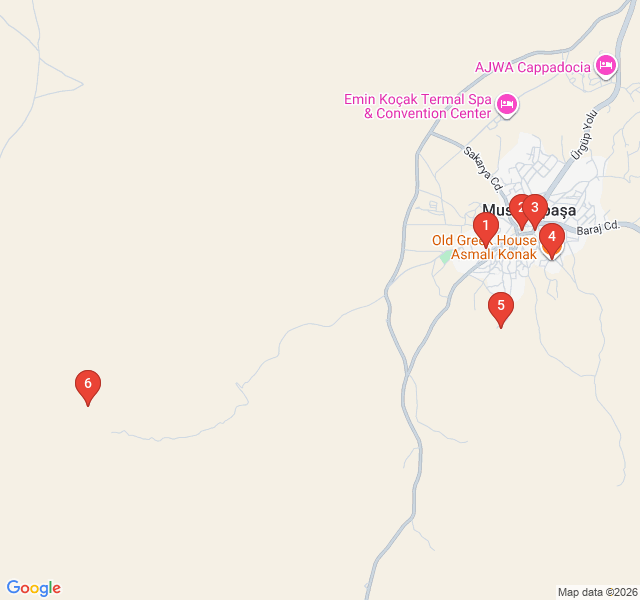
Numbers indicate the order of stops on the tour.
Begin your self-guided adventure at this unique museum housed in a 150-year-old Greek mansion. Unlike traditional archaeological museums, this space focuses on the living history of the region. It features a fascinating collection of handmade dolls dressed in traditional costumes, illustrating local legends, historical events, and daily life in Cappadocia. The building itself is a masterpiece of Sinasos architecture, showcasing the intricate wood-carved ceilings and stone niches that were hallmarks of the wealthy merchant class. Take a moment to appreciate the central courtyard, a typical feature of these historic homes designed to provide privacy and cool air during the hot summer months.
Located in the heart of the village square, the Church of Saint Constantine and Helen is a testament to the town's Greek Orthodox heritage. Originally built in 1729 and significantly renovated in the mid-19th century, the church features a striking facade with classic columns and stone carvings. Note the double-headed eagle symbol above the entrance, representing the Byzantine legacy. While the interior has suffered over time, the structural elegance remains. This site serves as a poignant reminder of the community that lived here for centuries before the 1920s population exchange. The square surrounding the church is still the social hub of the village today.
Just across from the church stands the Mehmet Şakir Paşa Medresesi, an Ottoman-era educational institution built in 1899. The most striking feature is its monumental crown gate, or 'taç kapı,' which displays intricate stone carvings that blend traditional Seljuk motifs with contemporary Ottoman styles. This building highlights the multicultural nature of Mustafapaşa, where Greek and Ottoman architectural influences existed side-by-side. Today, the building is part of a local university, ensuring that its legacy as a place of learning continues. The courtyard inside offers a peaceful retreat and a great vantage point to admire the symmetry of the stone arches.
Continue your walking route to one of the most famous residences in the village. This mansion, often referred to as the 'Old Greek House,' is a prime example of the luxury enjoyed by the 'Sinasite' Greeks. The facade is adorned with delicate floral and geometric stone reliefs. It gained national fame in Turkey as a filming location for the popular TV series 'Asmalı Konak.' Inside, you can see the traditional layout of a Cappadocian mansion, with its 'sofa' (central hall) and richly decorated rooms. It currently operates as a restaurant and hotel, offering a chance to see the interior craftsmanship and perhaps enjoy a local snack in a historic setting.
A short walk from the village center leads you to the Monastery of Saint Nicholas. This is a fascinating rock-cut complex dedicated to the patron saint of sailors and children, who was born in the Lycian region of Turkey. The monastery is partially built into the cliffside and partially constructed from cut stone. As you explore the different levels, you will find a church, storage rooms, and living quarters used by monks. The site feels much more secluded and ancient than the village center, offering a glimpse into the monastic life that flourished in Cappadocia's valleys for over a millennium.
The final stop on your journey is the entrance to the Gomeda Valley, often called 'Small Ihlara.' This valley is less visited than others in Cappadocia, making it a peaceful sanctuary for nature lovers. It is famous for its multi-story pigeon houses carved into the white valley walls, which were historically used to collect fertilizer for the local vineyards. You will also find several rock-cut churches, such as the Alakara Church, hidden among the greenery. The trail follows a small stream, providing a cool and refreshing end to your walk. The valley's atmosphere is mysterious and enchanting, perfectly capping off your exploration of Mustafapaşa.
Start Free on iPhone
Explore “Ottoman and Greek Elegance: The Streets of Mustafapaşa” with your very own Private Tour Guide with Zigway. Start free on iPhone, skip the large group and the fixed routes, and hear the city come alive as you go.
Your Private Tour Guide
Don't miss the good stuff
Explore Freely
 Moderate
Cappadocia, Turkey
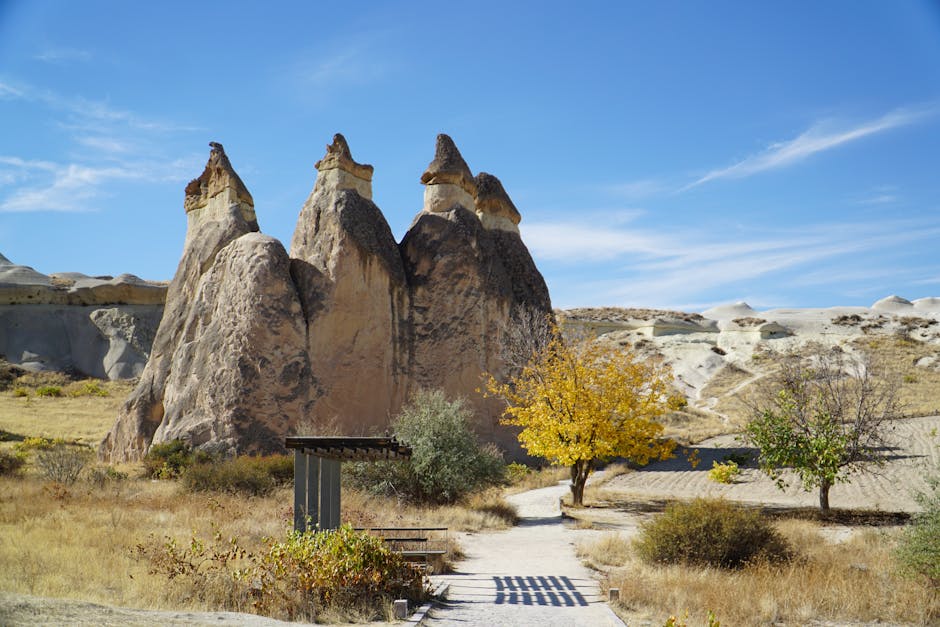
Explore the surreal landscapes and ancient dovecotes of Pigeon Valley on this scenic self-guided walk between Göreme and Uçhisar.
 Moderate
Cappadocia, Turkey
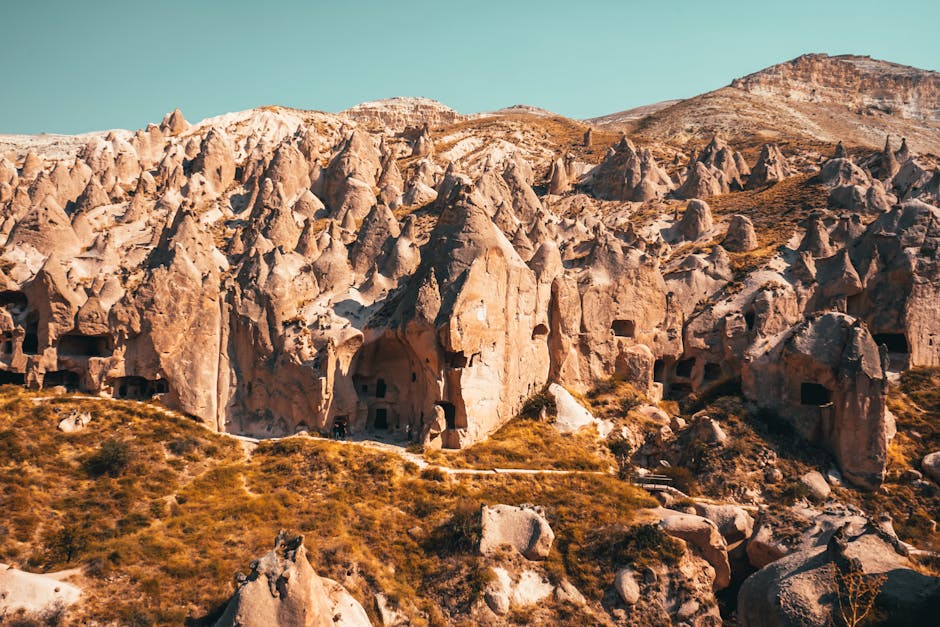
Explore Ortahisar’s towering rock castle, ancient cave monasteries, and authentic village life on this self-guided walk through Cappadocia.
 Easy
EasyCappadocia, Turkey
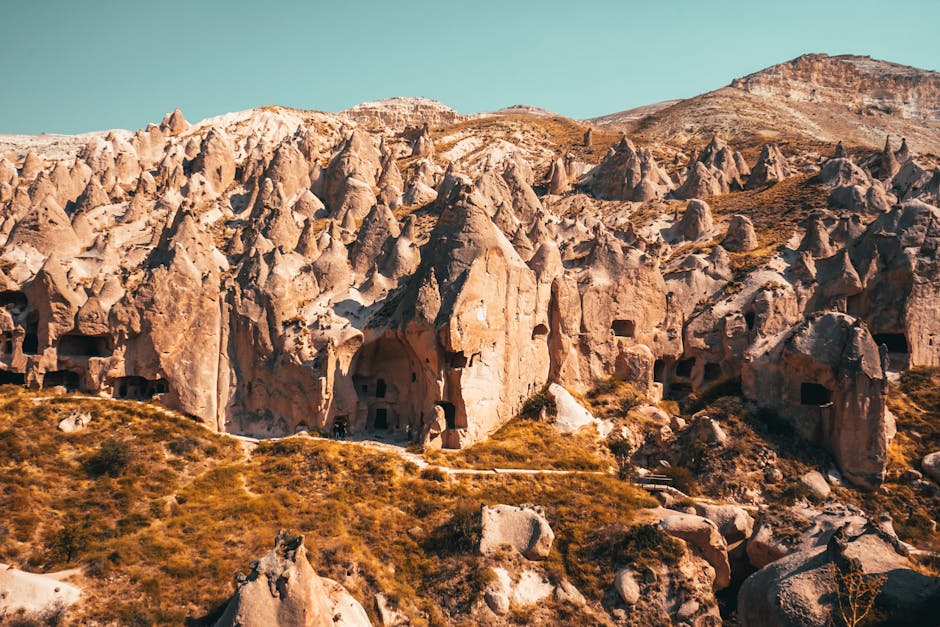
Explore Ürgüp’s elegant stone mansions, famous fairy chimneys, and rich wine heritage on this self-guided neighborhood stroll through Cappadocia.
 Moderate
Cappadocia, Turkey
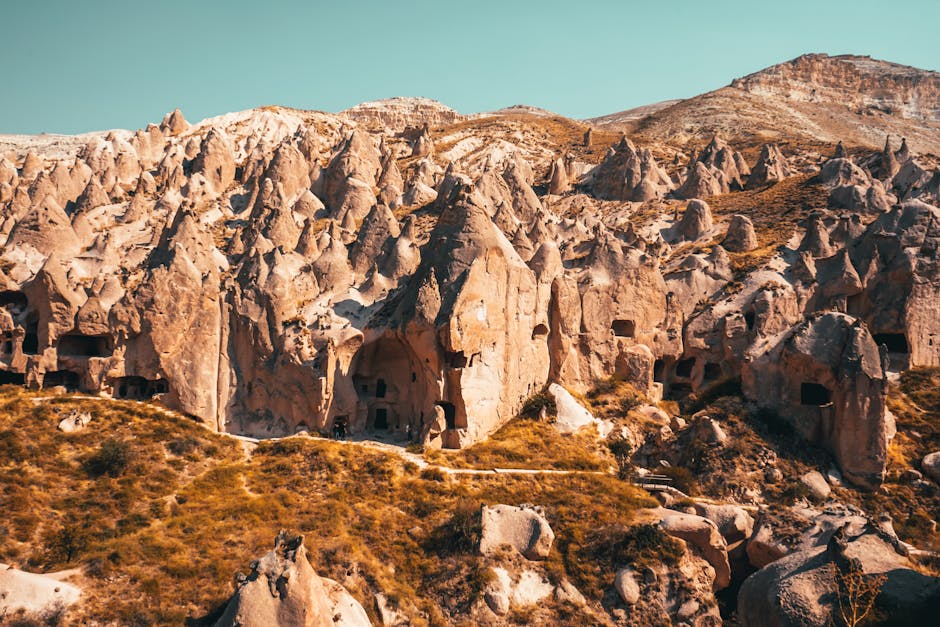
Explore abandoned rock-cut homes and ancient Byzantine churches in Cappadocia’s haunting ghost village on this self-guided audio walk.
 Easy
EasySalzburg, Austria
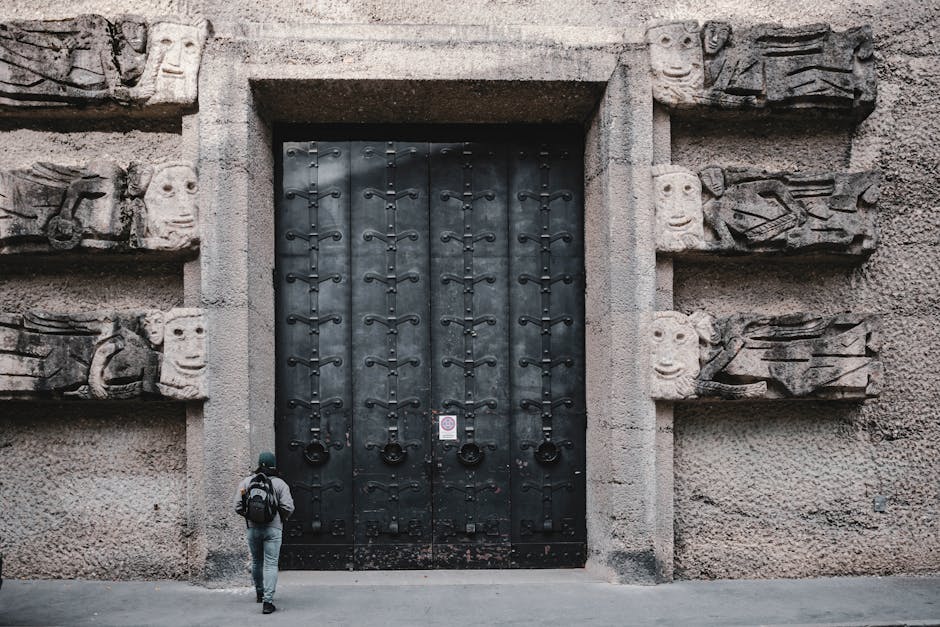
Discover Salzburg's oldest medieval alley, the birthplace of the 'Silent Night' author, and breathtaking views on this quiet self-guided walk.
 Easy
EasyNairobi, Kenya
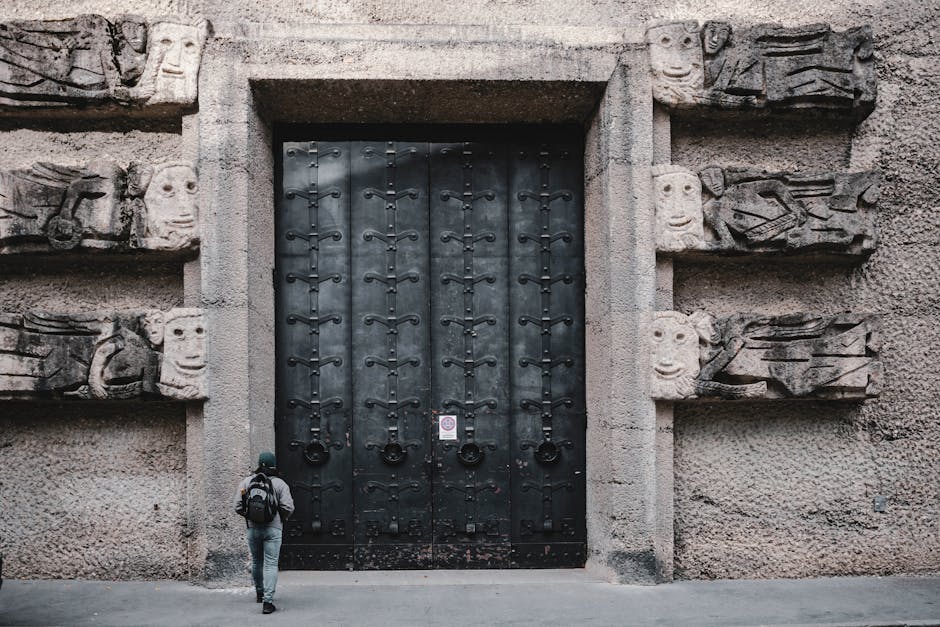
Discover Nairobi's iconic skyline on this self-guided architecture walk through the CBD’s most famous modernist and Brutalist landmarks.
 Easy
EasySalzburg, Austria
Discover the 'Rome of the North' on this self-guided walk through the Baroque squares and monumental legacy of Salzburg’s Prince-Archbishops.
 Easy
EasyWarsaw, Poland
Discover the hidden courtyards and grand pre-war architecture of Warsaw's most atmospheric neighborhood on this self-guided stroll.
 Easy
EasyIstanbul, Turkey
Explore the Bosphorus waterfront from Beşiktaş to Ortaköy. Discover imperial palaces, vibrant markets, and iconic mosques at your own pace.
 Moderate
Istanbul, Turkey
Explore the vibrant colors and deep history of Fener and Balat on this self-guided audio walk through Istanbul's most photogenic neighborhoods.
 Easy
EasyIstanbul, Turkey
Discover the flavors of Istanbul's Asian side on this self-guided walk through the vibrant markets and historic eateries of Kadıköy.
 Moderate
Istanbul, Turkey
Discover hidden courtyards, artisan workshops, and the sensory magic of Istanbul's historic markets on this immersive self-guided walking route.