Self-guided audio tour in Cappadocia
Start Free on iPhone
Start free on iPhone to unlock this self-guided walking tour in Cappadocia. Hear all the stories that make it amazing, walk at your own pace, and begin whenever you want.
Your Private Tour Guide
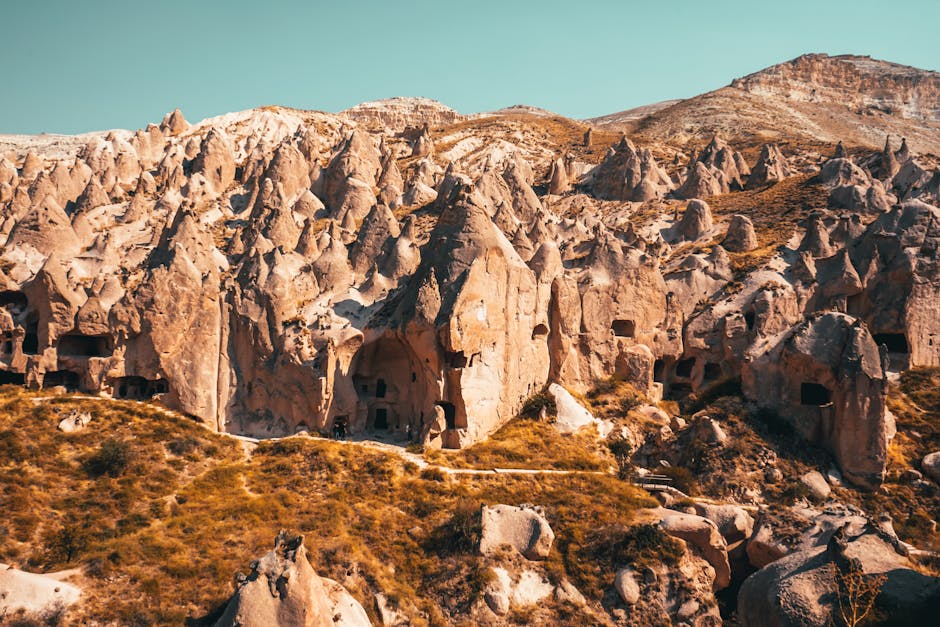
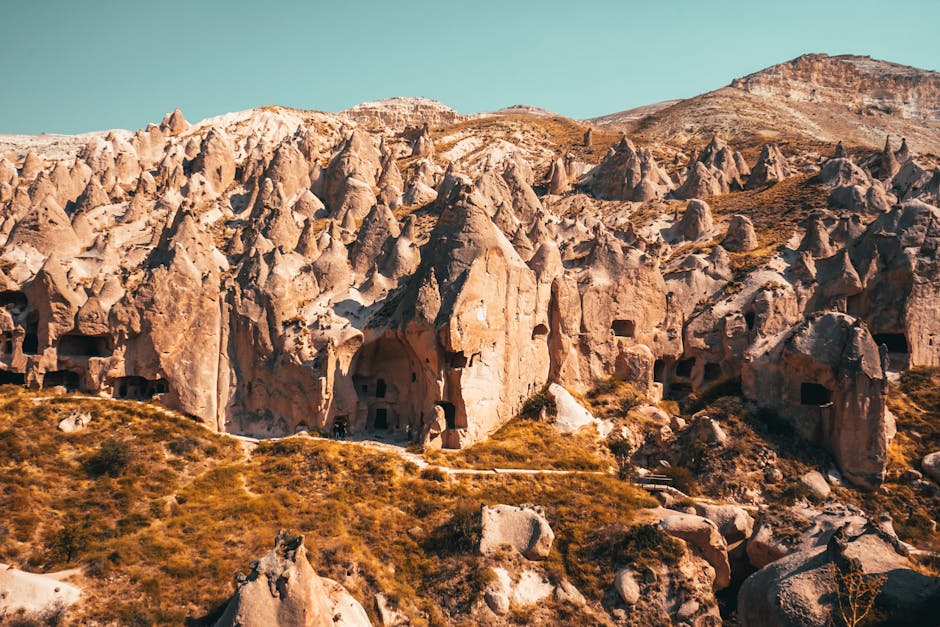
Step back in time to explore one of Cappadocia’s most hauntingly beautiful sites on this self-guided walk through the ancient rock dwellings of Çavuşin. While many visitors flock to the crowded museums of Göreme, this neighborhood stroll offers a more intimate look at the region's layered history. You will navigate the remains of a village that was carved directly into the soft volcanic tuff centuries ago and inhabited until the mid-20th century. This route focuses on the dramatic 'Ghost Village,' a massive rock face honeycombed with abandoned homes, stables, and churches that tell a story of resilience and faith. As you begin your self-guided adventure, the scale of the Çavuşin Kalesi (the Castle) will immediately capture your attention. This isn't a traditional stone fortress but a vertical labyrinth of rooms stacked upon each other. The walk leads you through the winding paths of the old village, where you can observe the unique architecture that allowed locals to stay cool in the summer and warm in the winter. A major highlight is the Church of St. John the Baptist, one of the oldest and largest cave churches in Cappadocia, dating back to the 5th century. Its massive columns and weathered frescoes provide a silent testament to the area's Byzantine heritage. Further along this walking route, you will discover the 'Big Pigeon House' church, commissioned by the Byzantine Emperor Nicephorus Phocas, which features some of the most vibrant religious art in the valley. The journey concludes by connecting the ancient stone-carving traditions to the living art of the region: pottery. By following this route, you experience the transition from the silent, wind-swept ruins of the upper village to the vibrant, creative pulse of modern Çavuşin. Whether you are a history enthusiast or a photography lover, this walking tour Cappadocia experience reveals the soul of the region away from the typical tourist trail.
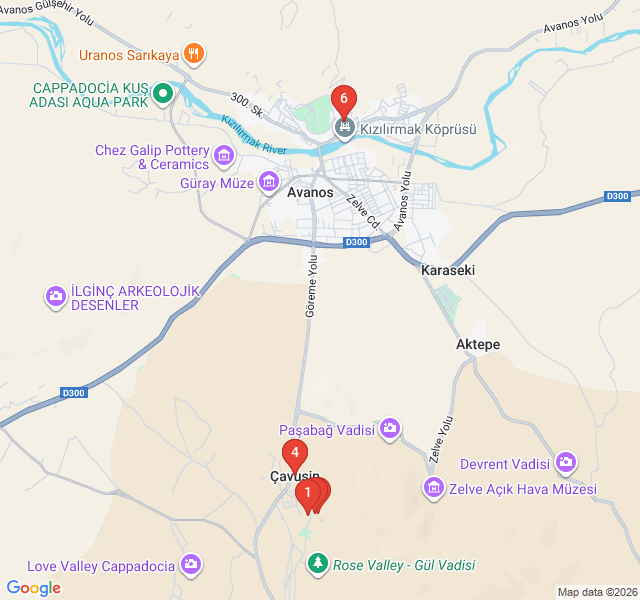
Numbers indicate the order of stops on the tour.
Welcome to the start of your journey. These cave houses represent the traditional lifestyle that defined Cappadocia for millennia. Carved directly into the volcanic tuff, these dwellings provided natural insulation against the harsh Anatolian climate. As you look around, notice how the rooms were organized: often the ground floor served as a stable for animals, while the upper levels were reserved for the family. In the 1950s and 60s, many of these homes were evacuated due to erosion and rockfalls, creating the 'ghost' atmosphere you feel today. It is a perfect introduction to the architectural ingenuity of the local people.
Dominating the skyline is the Çavuşin Kalesi, often called the 'Great Rock' or 'The Castle.' This is not a castle in the European sense, but a massive natural rock formation that was hollowed out to create a vertical village. At its peak, hundreds of people lived within these walls. If you look closely at the facade, you can see the cross-sections of rooms exposed by erosion, looking like a giant dollhouse. This site suffered a major collapse in the mid-20th century, which led to the abandonment of the upper village. It remains one of the most photographed spots in the region for its dramatic, crumbling beauty.
Hidden within the upper reaches of the cliff is the Church of St. John the Baptist. Dating back to the 5th century, it is one of the oldest and largest cave churches in Cappadocia. Unlike the smaller, more common chapels, this one features a grand three-nave basilica plan and massive rock-cut columns. Although the frescoes have faded significantly over the centuries, the sheer scale of the space is awe-inspiring. It served as a major pilgrimage site in the early Christian era. Take a moment to appreciate the acoustics and the cool air within these ancient walls, which have stood silent for over 1,500 years.
As you wander through the winding paths of the old village center, you are walking through a landscape of transition. Here, the ruins of the past meet the life of the present. You'll see abandoned stone arches and doorways that lead into empty caverns, right next to small gardens still tended by locals. This area provides a sense of the daily rhythm of life before modern tourism. The village was once a hub for Greek and Turkish communities living side-by-side, and you can still find traces of this multicultural heritage in the decorative carvings on some of the remaining stone doorframes.
Located slightly apart from the main cliff is the Çavuşin Church, also known as the Church of Nicephorus Phocas. Built around 964-965 AD, it was dedicated to the Byzantine Emperor who visited the region. The frescoes here are remarkably well-preserved compared to others in the area, featuring vivid depictions of biblical scenes and the Emperor himself. The artistry shows a high level of sophistication, indicating the importance of Çavuşin during the 10th century. The high ceilings and the barrel-vaulted architecture make this one of the most significant historical landmarks in the entire valley.
The final stop on our route brings us to the intersection of history and craftsmanship. While nearby Avanos is the most famous pottery center, Çavuşin has its own deep roots in this clay-working tradition. The red clay comes from the banks of the nearby Kizilirmak (Red River). Here, you can see how the techniques used by the Hittites thousands of years ago are still practiced today. The rhythmic spinning of the kick-wheel and the steady hands of the master potter turn the earth into functional art. It’s a fitting end to our walk, showing that while the stone houses may crumble, the culture of the people remains vibrant and creative.
Start Free on iPhone
Explore “The Ghost Village of Çavuşin: Ancient Rock Dwellings” with your very own Private Tour Guide with Zigway. Start free on iPhone, skip the large group and the fixed routes, and hear the city come alive as you go.
Your Private Tour Guide
Don't miss the good stuff
Explore Freely
 Moderate
Cappadocia, Turkey
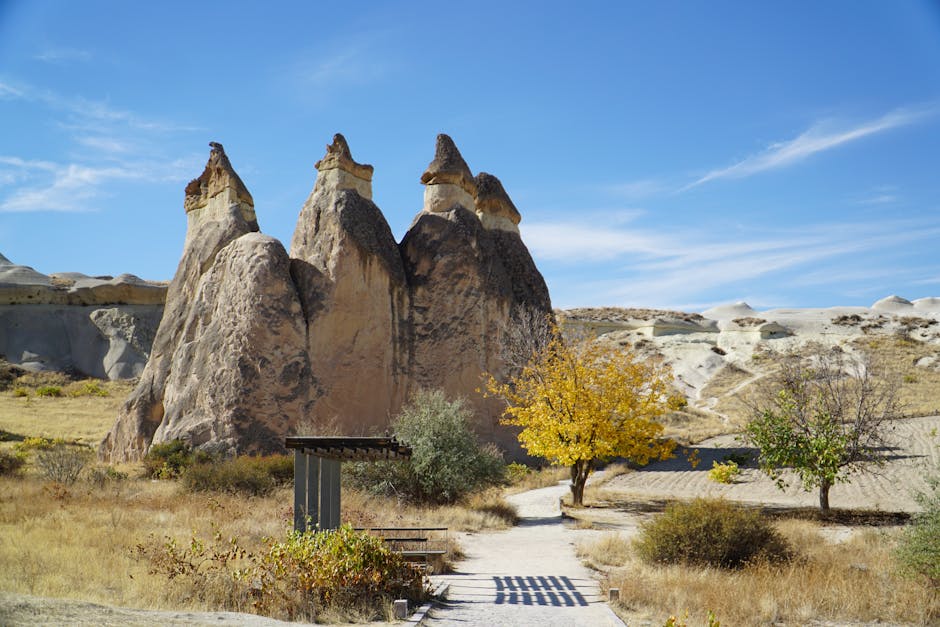
Explore the surreal landscapes and ancient dovecotes of Pigeon Valley on this scenic self-guided walk between Göreme and Uçhisar.
 Moderate
Cappadocia, Turkey
Explore Ortahisar’s towering rock castle, ancient cave monasteries, and authentic village life on this self-guided walk through Cappadocia.
 Easy
EasyCappadocia, Turkey
Explore Ürgüp’s elegant stone mansions, famous fairy chimneys, and rich wine heritage on this self-guided neighborhood stroll through Cappadocia.
 Easy
EasyCappadocia, Turkey
Discover the flavors and artisanal traditions of Göreme on this self-guided culinary and cultural walking route through Cappadocia's heart.
 Easy
EasySalzburg, Austria
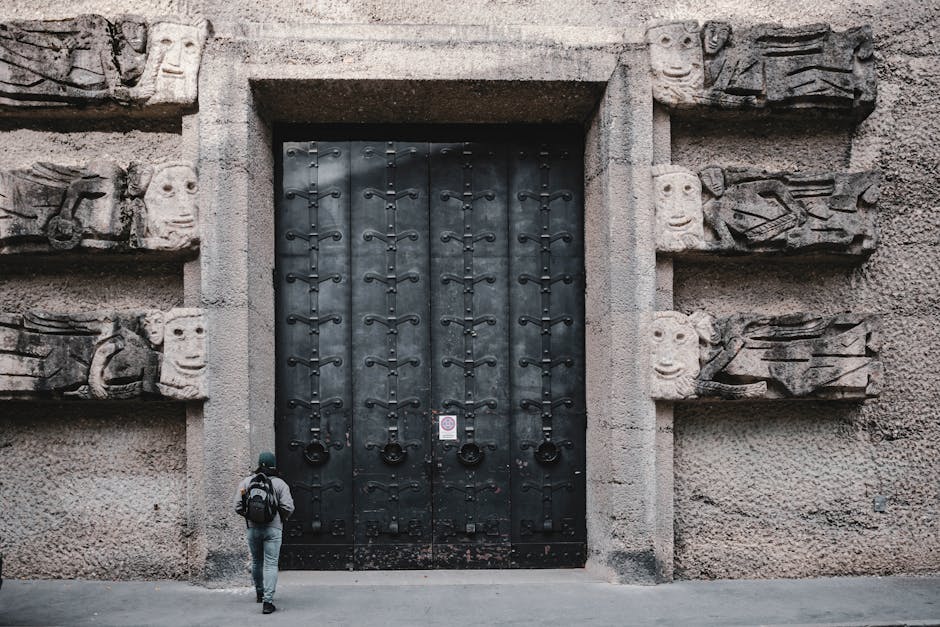
Discover Salzburg's oldest medieval alley, the birthplace of the 'Silent Night' author, and breathtaking views on this quiet self-guided walk.
 Easy
EasyNairobi, Kenya
Discover Nairobi's iconic skyline on this self-guided architecture walk through the CBD’s most famous modernist and Brutalist landmarks.
 Easy
EasyWarsaw, Poland
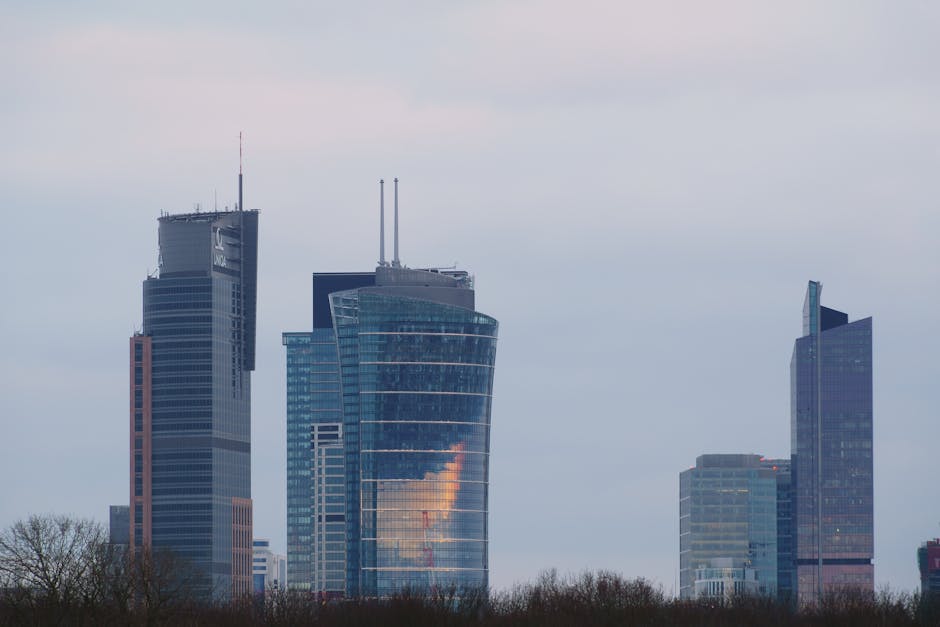
Discover the hidden courtyards and grand pre-war architecture of Warsaw's most atmospheric neighborhood on this self-guided stroll.
 Easy
EasyNairobi, Kenya
Explore Nairobi's architectural evolution from colonial-era landmarks to iconic Brutalist skyscrapers on this historic self-guided walking route.
 Easy
EasyIstanbul, Turkey
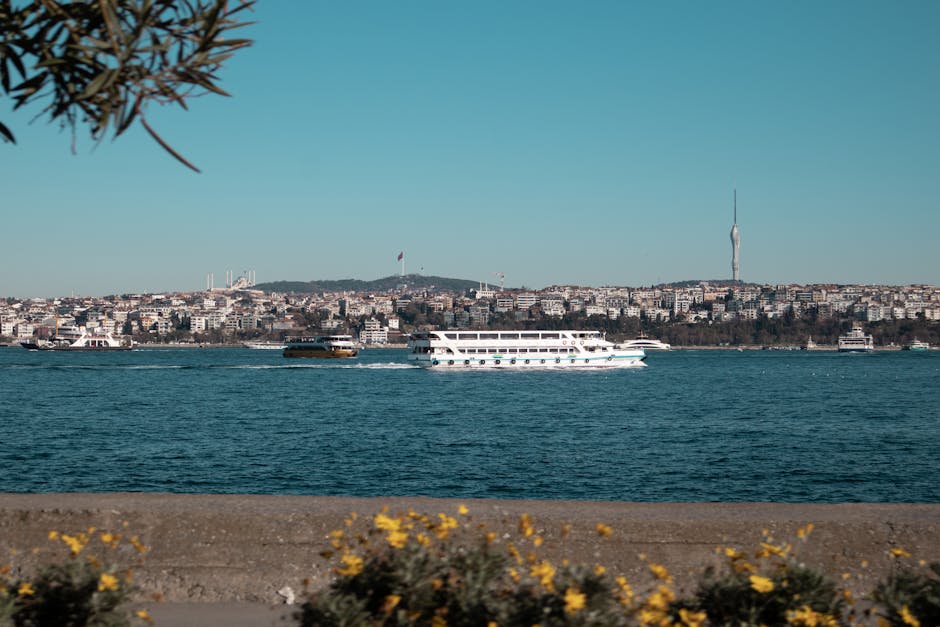
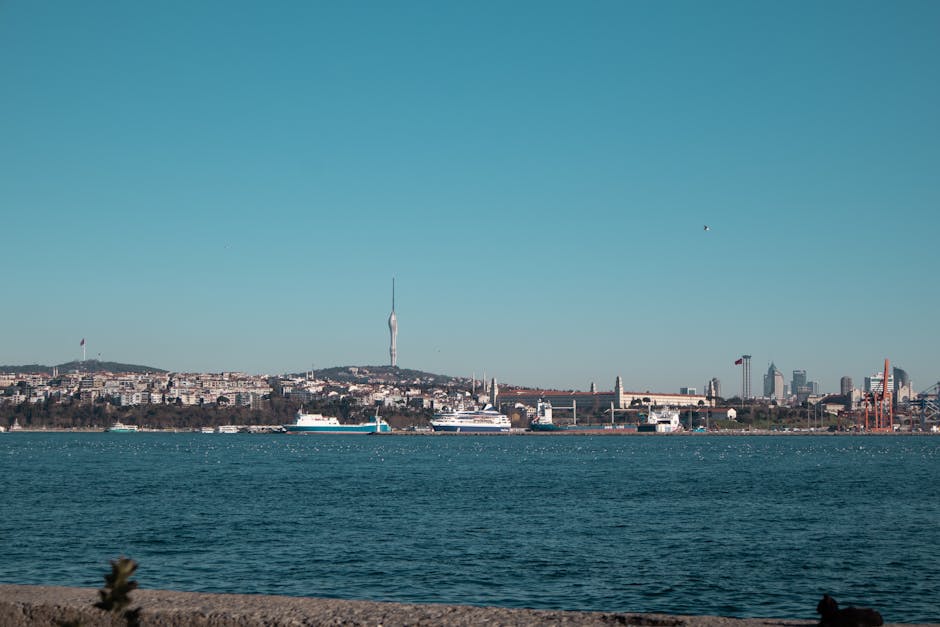
Explore the Bosphorus waterfront from Beşiktaş to Ortaköy. Discover imperial palaces, vibrant markets, and iconic mosques at your own pace.
 Moderate
Istanbul, Turkey
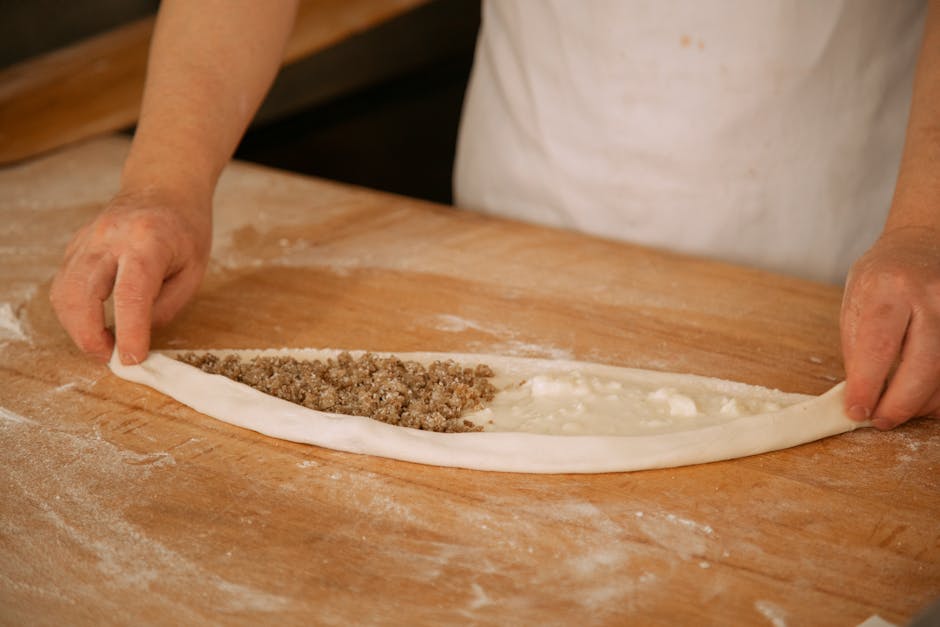
Explore the vibrant colors and deep history of Fener and Balat on this self-guided audio walk through Istanbul's most photogenic neighborhoods.
 Easy
EasyIstanbul, Turkey
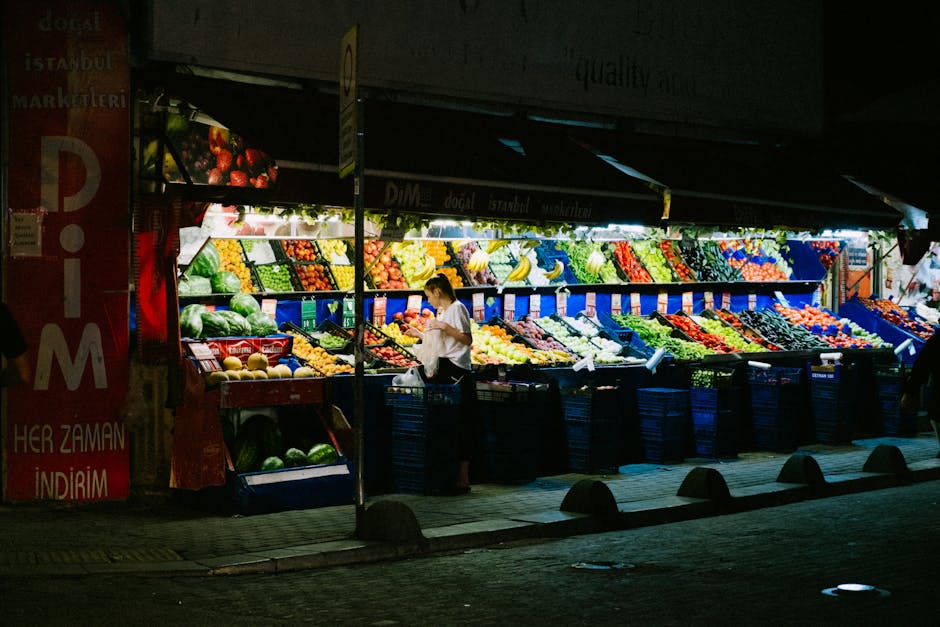
Discover the flavors of Istanbul's Asian side on this self-guided walk through the vibrant markets and historic eateries of Kadıköy.
 Moderate
Istanbul, Turkey
Discover hidden courtyards, artisan workshops, and the sensory magic of Istanbul's historic markets on this immersive self-guided walking route.