Self-guided audio tour in Rio de Janeiro
Start Free on iPhone
Start free on iPhone to unlock this self-guided walking tour in Rio de Janeiro. Hear all the stories that make it amazing, walk at your own pace, and begin whenever you want.
Your Private Tour Guide
Perched atop the Morro do Desterro, Santa Teresa is Rio de Janeiro's most atmospheric neighborhood. Often compared to Montmartre in Paris, this hilltop enclave is a labyrinth of winding cobblestone streets, grand colonial-era mansions, and vibrant street art. This self-guided walk invites you to explore the soul of Rio’s bohemian heart at your own pace, far from the bustling sands of Copacabana. Your journey begins at the world-famous Escadaria Selarón, a kaleidoscope of colorful tiles that bridges the gap between the downtown Lapa district and the heights of Santa Teresa. From there, the route climbs into the clouds, offering some of the most spectacular panoramas of Guanabara Bay and the city skyline. You will encounter the hauntingly beautiful Parque das Ruínas, the skeletal remains of a Belle Époque mansion that once hosted the city's intellectual elite, now serving as a public park and cultural center. As you follow the path of the iconic yellow 'Bonde' tram, you’ll discover the Museu da Chácara do Céu, where modern art meets lush gardens. This neighborhood stroll isn't just about the sights; it's about the atmosphere. You’ll experience the local rhythm at Largo dos Guimarães and the legendary Bar do Mineiro, where the scent of traditional feijoada fills the air. Whether you are a photography enthusiast looking for the perfect angle of the Arcos da Lapa or a culture seeker interested in Rio's artistic evolution, this walking route provides the flexibility to linger at a viewpoint or duck into a local craft shop. This walking tour Rio de Janeiro experience captures the essence of a neighborhood that has resisted modernization in favor of character and charm. By choosing a self-guided adventure, you avoid the constraints of a rigid schedule and can truly immerse yourself in the 'Carioca' lifestyle. Discover why artists, writers, and musicians have called these slopes home for over a century on this comprehensive neighborhood stroll. **Note:** This area is known for its ever-changing character. Street art, pop-up venues, and temporary exhibitions may differ from what's described. That's part of the adventure - you might discover something entirely new!
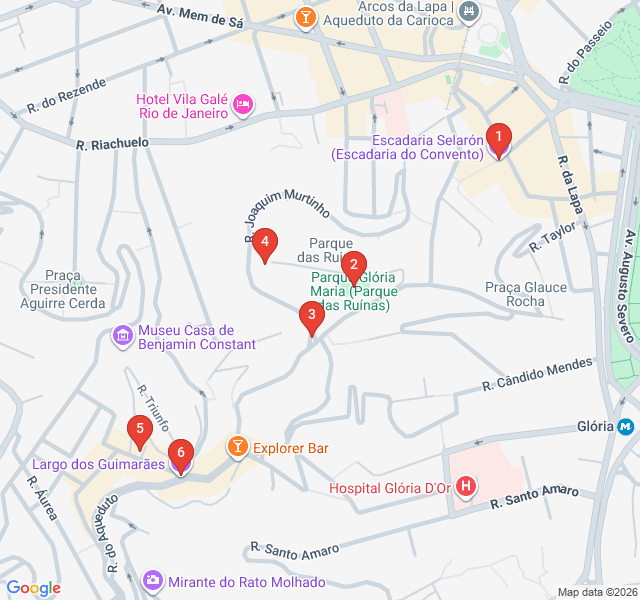
Numbers indicate the order of stops on the tour.
Welcome to one of the most photographed staircases in the world. Created by Chilean artist Jorge Selarón as a 'tribute to the Brazilian people,' these 215 steps are covered in over 2,000 tiles from more than 60 countries. Selarón began the project in 1990, often scavenging tiles from construction sites or receiving them as gifts from travelers. Notice how the colors shift from green, yellow, and blue—the colors of the Brazilian flag—to deep reds as you ascend. The staircase is a living piece of art; Selarón constantly swapped tiles until his passing in 2013. Look closely for unique hand-painted tiles, including his signature image of a pregnant woman.
As you reach the upper edge of the neighborhood, you enter the Parque das Ruínas. This was once the Palacete Murtinho Nobre, the home of socialite Laurinda Santos Lobo. During the 1920s, her salon was the meeting point for Rio's intellectual and artistic elite. After her death, the mansion fell into decay, but in the 1990s, it was stabilized with a striking glass and steel framework. The result is a hauntingly beautiful shell that offers some of the best 360-degree views of Rio de Janeiro, including the Metropolitan Cathedral, the Arcos da Lapa, and the entire Guanabara Bay.
This small square is a perfect place to witness the pulse of Santa Teresa. It serves as a major stop for the 'Bonde,' the historic yellow tram that has been running since 1877. The tram is the last of its kind in Rio and is a symbol of the neighborhood’s resistance to modernization. While you wait for a tram to rattle past, take a moment to admire the surrounding architecture. The eclectic mix of styles—from Victorian-inspired mansions to Art Deco apartments—reflects the diverse history of the families who moved uphill to escape the heat and congestion of the city center below.
Nestled in a lush garden, this museum was once the residence of businessman and art collector Raymundo Ottoni de Castro Maya. The name 'Chácara do Céu' translates to 'Sky Vineyard' or 'Heavenly Estate,' and looking at the view, it’s easy to see why. The museum houses an impressive collection of European and Brazilian modernists, including works by Picasso, Matisse, and Portinari. The architecture itself is a highlight, blending modernist lines with traditional Brazilian elements. Note that exhibits may change, but the integration of art, architecture, and nature here is a permanent fixture of the Santa Teresa experience.
You have arrived at a true Santa Teresa institution. Bar do Mineiro is more than just a restaurant; it’s a cultural landmark. Known for its traditional Minas Gerais-style cuisine, it is famous throughout Rio for its feijoada—a hearty black bean and pork stew. The walls are lined with black-and-white photos of famous musicians and writers who have dined here over the decades. The atmosphere is always lively, often spilling out onto the sidewalk. It’s the perfect spot to experience the neighborhood's social heart. If you aren't hungry for a full meal, try a 'pastel de feijão' and a cold beverage while soaking in the local chatter.
Our walk concludes at Largo dos Guimarães, the commercial and social hub of Santa Teresa. This intersection is surrounded by craft shops, art galleries, and small cafes. It is the best place to find unique 'Santa' souvenirs, from handmade jewelry to local paintings. The Largo also serves as the main terminus for the tram and several bus lines. As you wander the square, you might notice vibrant murals on the walls; street art is a constant and evolving part of the landscape here. From here, you can easily find transport back down the hill or choose to stay and enjoy the evening atmosphere.
Start Free on iPhone
Explore “Bohemian Santa Teresa: Trams and Treetops” with your very own Private Tour Guide with Zigway. Start free on iPhone, skip the large group and the fixed routes, and hear the city come alive as you go.
Your Private Tour Guide
Don't miss the good stuff
Explore Freely
 Easy
EasyRio de Janeiro, Brazil
Explore the world's largest murals and futuristic architecture in Rio's revitalized port on this vibrant self-guided walking route.
 Easy
EasyRio de Janeiro, Brazil
Discover the 'BotaSoho' vibe on this self-guided food and nightlife stroll through Rio's most creative neighborhood.
 Easy
EasyRio de Janeiro, Brazil
Discover the former seat of Brazilian power on this self-guided walk through the palaces, gardens, and presidential history of Catete and Glória.
 Easy
EasyRio de Janeiro, Brazil
Discover Rio's literary soul on this self-guided walk through historic libraries, ornate Belle Époque cafes, and iconic bookstores in Centro.
 Moderate
Gdansk, Poland
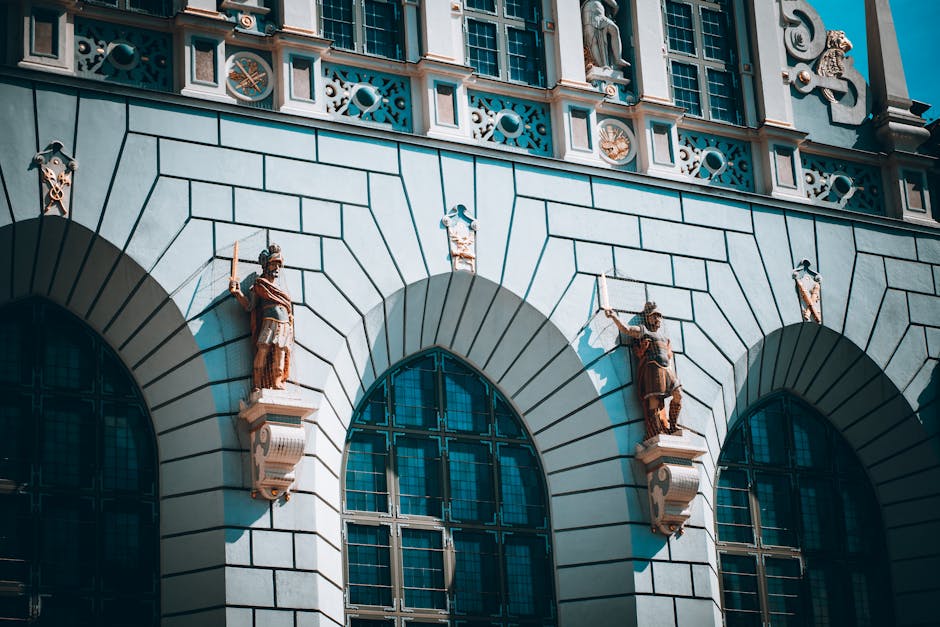
Discover Zaspa, a massive open-air gallery where grey housing blocks are transformed by over 60 monumental murals. Explore at your own pace.
 Moderate
Nairobi, Kenya
Taste your way through Nairobi's Westlands on this self-guided walk featuring street snacks, cultural landmarks, and hidden foodie gems.
 Moderate
Vienna, Austria
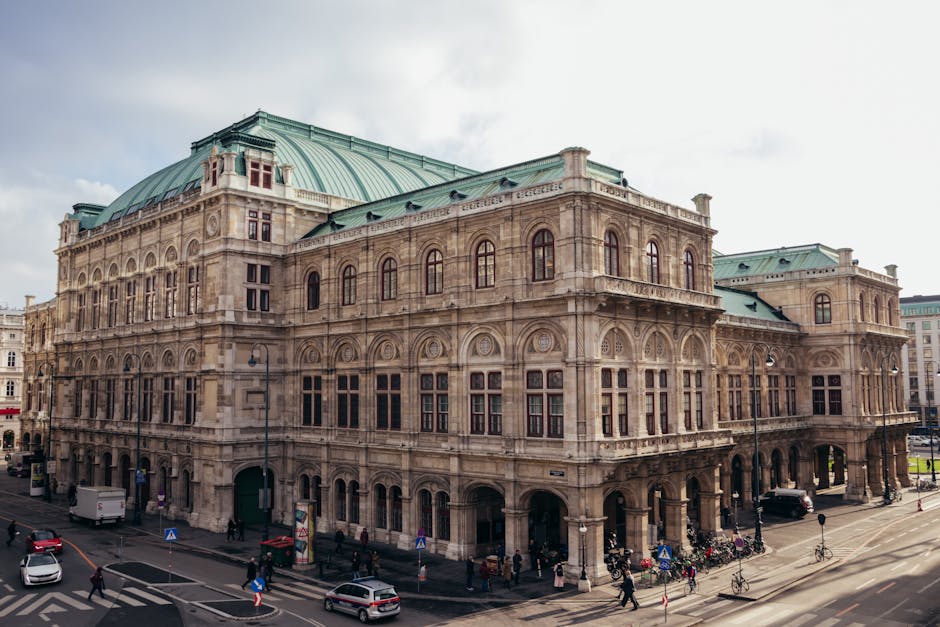
Discover the noir world of The Third Man and Cold War Vienna on this atmospheric self-guided audio walk through the historic Innere Stadt.
 Moderate
Nairobi, Kenya
Discover the pulse of Nairobi's contemporary art scene on this self-guided walk through the galleries and creative spaces of Kilimani.
 Moderate
Sao Paulo, Brazil
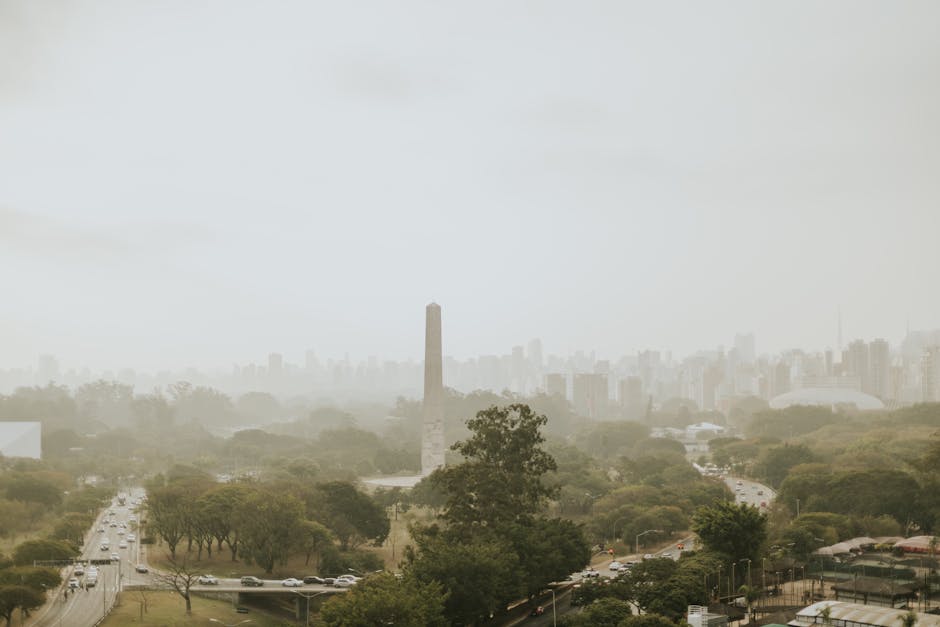
Discover the flowing concrete curves and modernist masterpieces of Oscar Niemeyer on this self-guided walk through São Paulo’s premier urban park.
 Easy
EasySao Paulo, Brazil
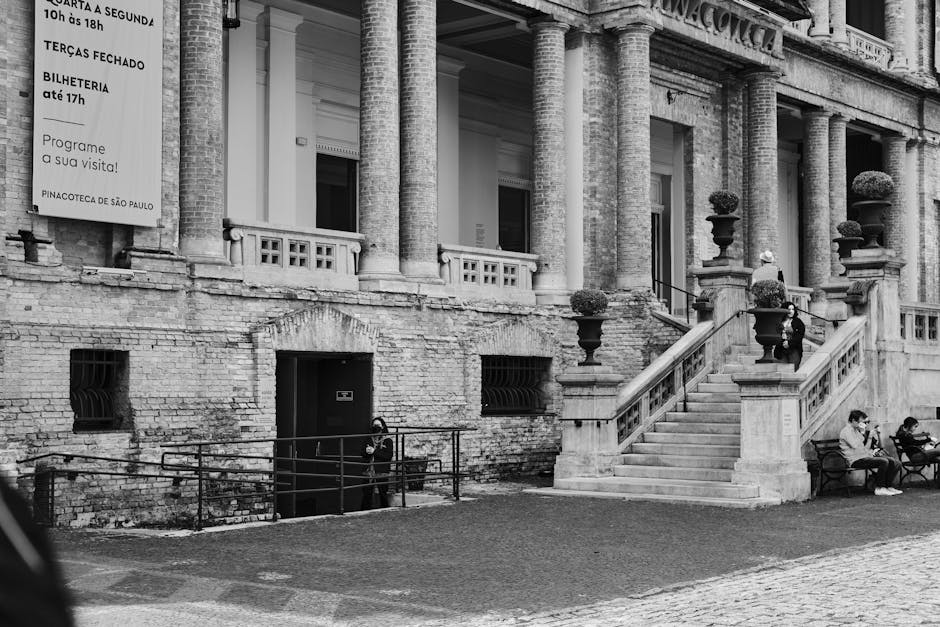
Explore the world's largest Japanese diaspora. A self-guided walk through Sao Paulo's vibrant Liberdade district, rich in history, food, and culture.
 Easy
EasySao Paulo, Brazil
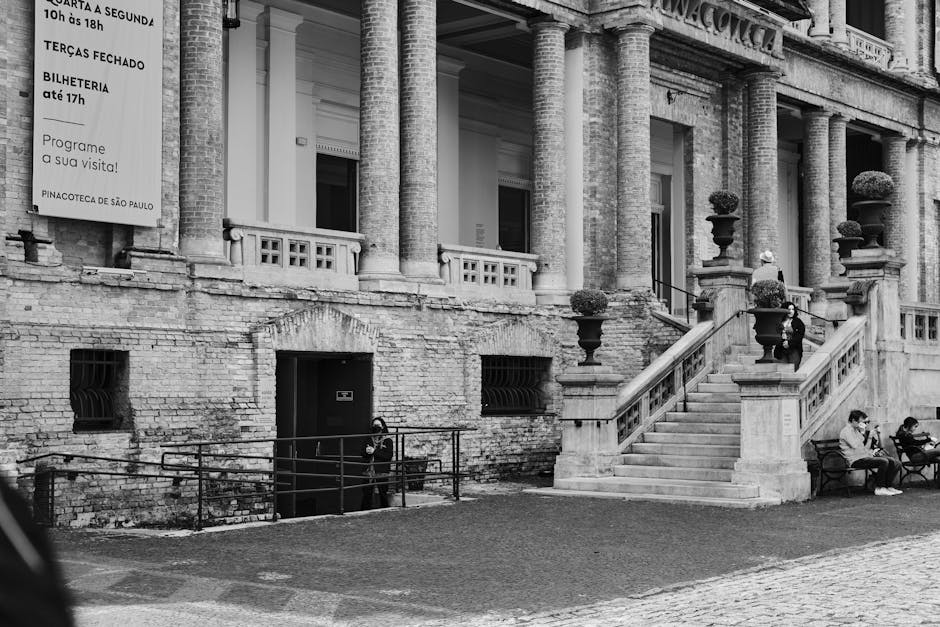
Discover the art, history, and British-inspired architecture of São Paulo’s historic Luz district on this immersive self-guided walk.
 Easy
EasySao Paulo, Brazil
Discover Sao Paulo's historic heart and vibrant food scene on this self-guided walk through the Old Center and the legendary Mercadão.