Self-guided audio tour in Valletta
Start Free on iPhone
Start free on iPhone to unlock this self-guided walking tour in Valletta. Hear all the stories that make it amazing, walk at your own pace, and begin whenever you want.
Your Private Tour Guide
Step into a chapter of history where the sun never set. While Valletta was founded by the Knights of St. John, it was the British Empire that shaped the modern face of Malta over 150 years of rule. This self-guided walk invites you to explore the subtle and striking remnants of the British era, from the linguistic shifts on street corners to the grand neoclassical architecture that defined a Mediterranean powerhouse. As you begin your self-guided adventure, you will notice how the city’s identity is a unique blend of Baroque grandeur and British pragmatism. This neighborhood stroll takes you through the heart of the capital, focusing on the period between 1800 and 1964. You will encounter iconic landmarks like the Queen Victoria Statue, standing tall in a square that once served as the social hub for the British elite. Along the way, the route highlights the resilience of the city, particularly at the Royal Opera House ruins—a poignant reminder of the heavy toll Malta paid during the Second World War. Beyond the grand monuments, the walk points out the charming details of everyday life, such as the red post boxes and the persistence of English street names. Exploring independently allows you to soak in the atmosphere of Republic Street, formerly known as Kingsway, at your own pace. You can stop for a coffee in the same squares where British officers once gathered or admire the Art Deco elegance of the Phoenicia Hotel, the city's first luxury hotel built to accommodate the growing number of travelers in the early 20th century. This walking route Valletta offers is more than just a history lesson; it is a way to see how two distinct cultures merged to create the vibrant, bilingual, and cosmopolitan city we see today. Whether you are a history enthusiast or a first-time visitor, this walking tour Valletta experience provides the context needed to truly understand Malta's place in the modern world.
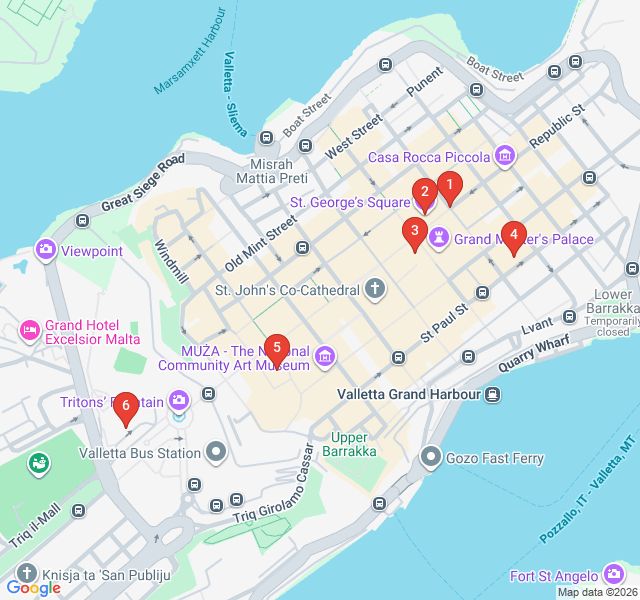
Numbers indicate the order of stops on the tour.
Welcome to Republic Street, the main artery of Valletta. During the British period, this bustling thoroughfare was known as 'Kingsway.' If you look closely at the corners of the buildings, you can still find the old stone-carved street signs. The name 'Kingsway' was a direct reflection of Malta's status within the British Empire, serving as a constant reminder of the sovereign's reach. Walking here, you can imagine the street lined with British-style storefronts and the sound of English becoming the dominant language of commerce and administration. This linguistic and cultural shift is one of the most enduring legacies of the British era in Malta, visible in the bilingual signs and the English-style red post boxes that still pepper the city today.
Standing before you is the Main Guard, a building that served as the quarters for the soldiers guarding the Governor's Palace across the square. The most striking feature is the neoclassical portico, added by the British in 1814. Look above the columns to see the British Royal Coat of Arms and a Latin inscription. The text essentially states that the love of the Maltese people and the voice of Europe confirmed these islands to great and unconquered Britain. This site was the heart of British military administration in the city. For over a century, the daily changing of the guard took place right here, a ceremony of colonial precision that drew crowds of locals and visitors alike, firmly establishing the British presence in the capital.
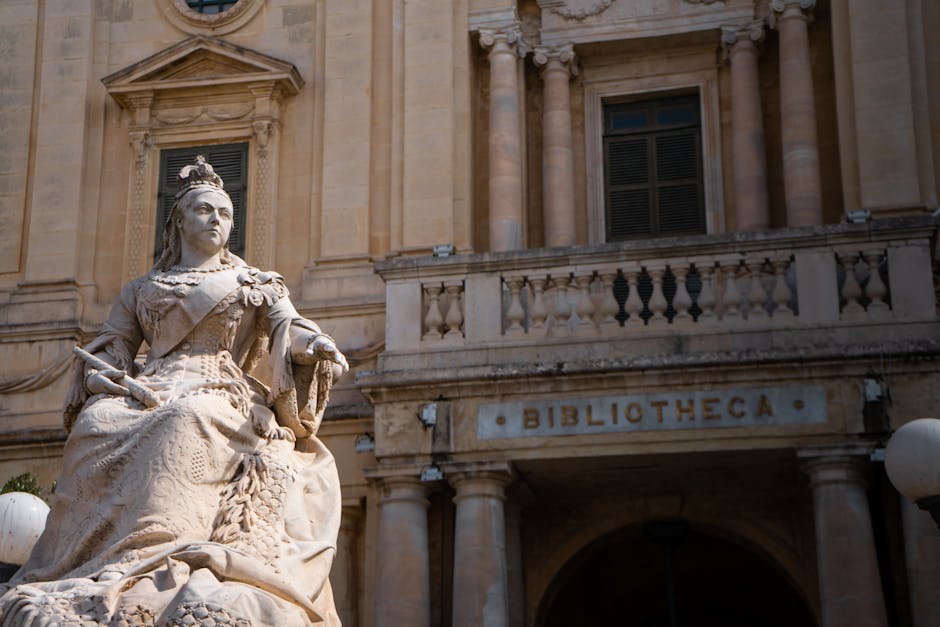
In the center of Republic Square stands the bronze statue of Queen Victoria, unveiled in 1891 to commemorate her Golden Jubilee. Notice the intricate lace detail on her shawl, a nod to Malta's famous lace-making tradition. During the British era, this square was the social epicenter for the upper echelons of society. The surrounding cafes, including the famous Caffe Cordina, were frequented by British officers and their families. While the statue is a classic symbol of imperial authority, it has also become a beloved local landmark. It stands as a testament to the Victorian era's influence on Maltese social life, where British customs—like afternoon tea—integrated with the Mediterranean lifestyle of the local population.
This impressive structure is the Old University Building, originally established by the Jesuits in the 16th century. However, its development as a modern center of learning was heavily influenced by British educational standards. During the 19th century, the British administration modernized the curriculum, modeling it after the great English universities to produce the civil servants and professionals needed to run the colony. The building itself reflects a blend of styles, with its sturdy walls and baroque details meeting the functional needs of a growing academic institution. It represents the intellectual bridge between Malta's religious past and its secular, British-influenced future, where English became the primary language of higher education and law.
The ruins of the Royal Opera House are perhaps the most emotional site on this walking route. Completed in 1866, it was once one of the most beautiful and iconic buildings in the Mediterranean, designed by the same architect who created London's Covent Garden. Tragically, it was destroyed by Luftwaffe bombing in 1942 during the height of the Siege of Malta. For decades, the ruins stood as a silent monument to the devastation of World War II. Today, they have been transformed by architect Renzo Piano into an open-air theater, 'Pjazza Teatru Rjal.' This site honors the British architectural legacy while acknowledging the resilience of the Maltese people who lived through the Blitz alongside British forces.
As you reach the edge of Valletta's fortifications, you see The Phoenicia Hotel. Opened in 1947, though planned much earlier, it was Malta's first true luxury hotel. Built in a grand Art Deco style with British colonial sensibilities, it was designed to cater to the high-ranking military officials and wealthy travelers arriving by flying boat or ocean liner. The hotel served as a social hub for the British elite during the twilight years of the Empire and was a favorite of the then-Princess Elizabeth during her time living in Malta as a naval officer's wife. Its location just outside the City Gate symbolizes the transition from the fortress city of the Knights to a modern, international destination shaped by British tastes.
Start Free on iPhone
Explore “Empire on the Med: The British Legacy” with your very own Private Tour Guide with Zigway. Start free on iPhone, skip the large group and the fixed routes, and hear the city come alive as you go.
Your Private Tour Guide
Don't miss the good stuff
Explore Freely
 Easy
EasyValletta, Malta
Discover Valletta's sacred architecture and ancient mysteries on this self-guided route from Baroque basilicas to prehistoric temples.
 Easy
EasyValletta, Malta
Explore Valletta's literary heritage on this self-guided walk, from Byron’s poetry to the silent archives of the National Library.
 Moderate
Valletta, Malta
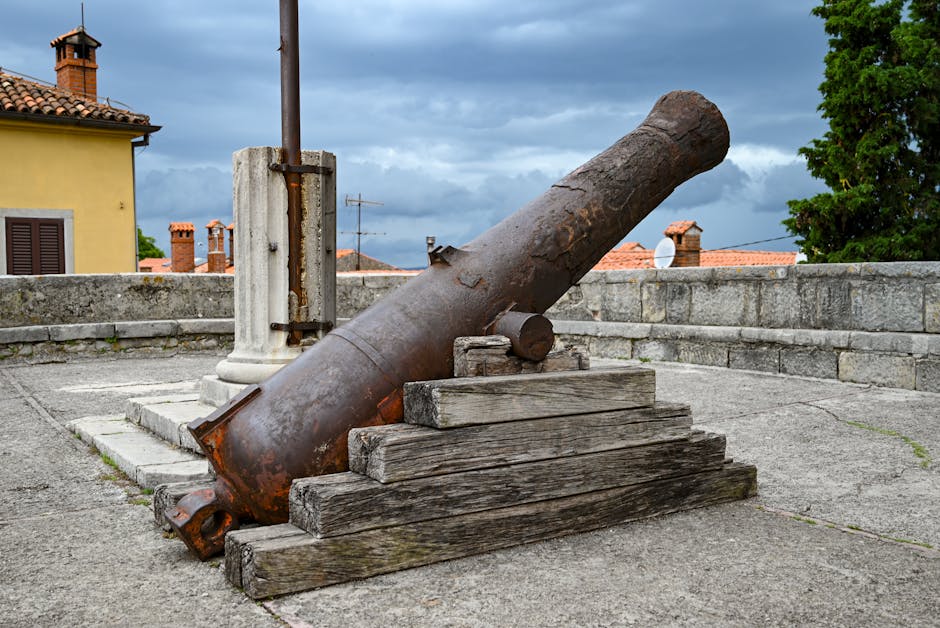
Explore Valletta’s legendary fortifications and Grand Harbour views on this self-guided walking route through Malta’s historic capital.
 Moderate
Valletta, Malta
Explore Valletta's heroic WWII history on this self-guided walk through underground war rooms, grand memorials, and the storied Fort St. Elmo.
 Easy
EasyGdansk, Poland
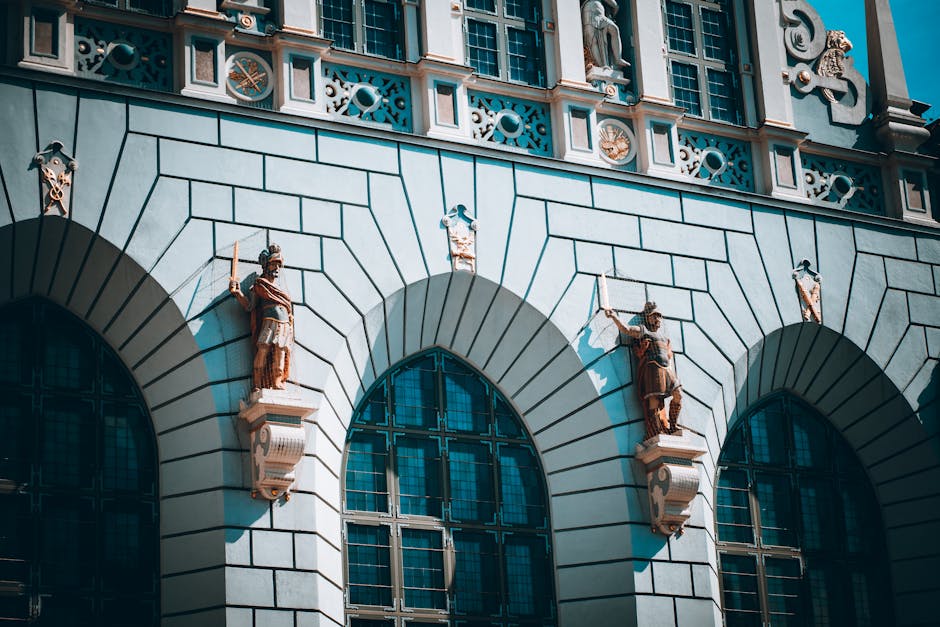
Discover the opulent Royal Way of Gdansk at your own pace. Explore Hanseatic history, gilded architecture, and the iconic Neptune's Fountain.
 Easy
EasySalzburg, Austria
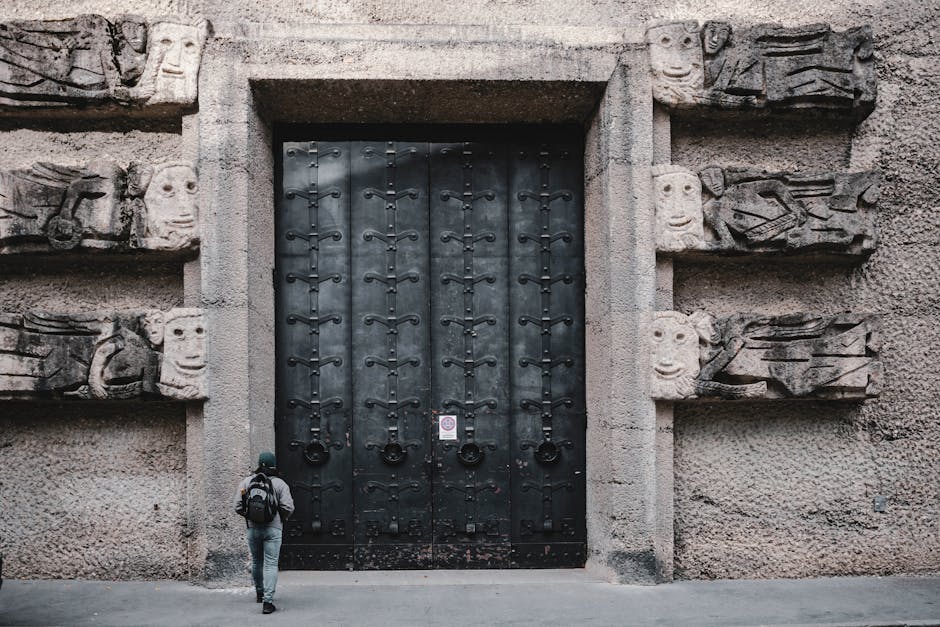
Discover the 'Rome of the North' on this self-guided walk through the Baroque squares and monumental legacy of Salzburg’s Prince-Archbishops.
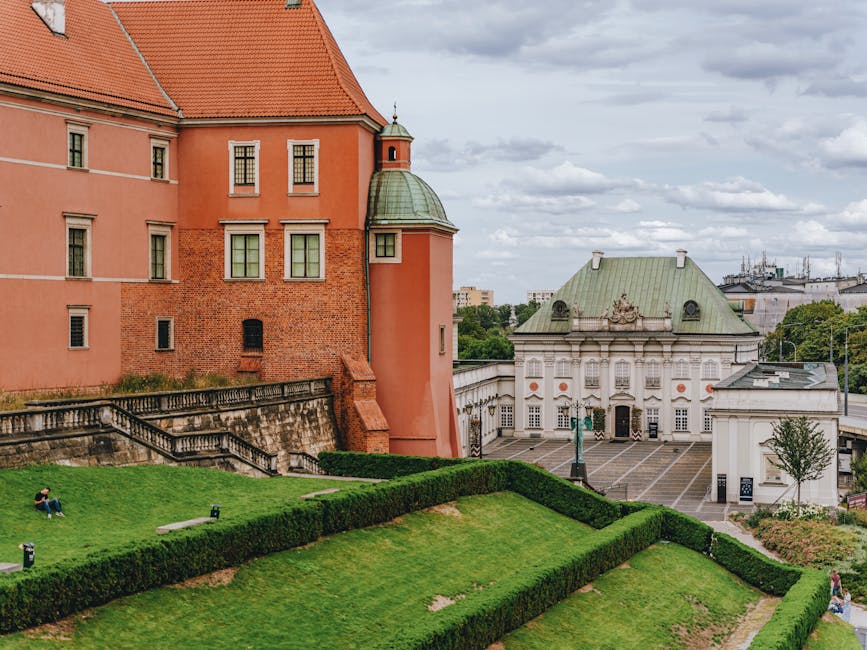 Easy
EasyWarsaw, Poland
Explore the miracle of Warsaw's reconstructed Old Town on this self-guided walk through royal squares, medieval walls, and heroic monuments.
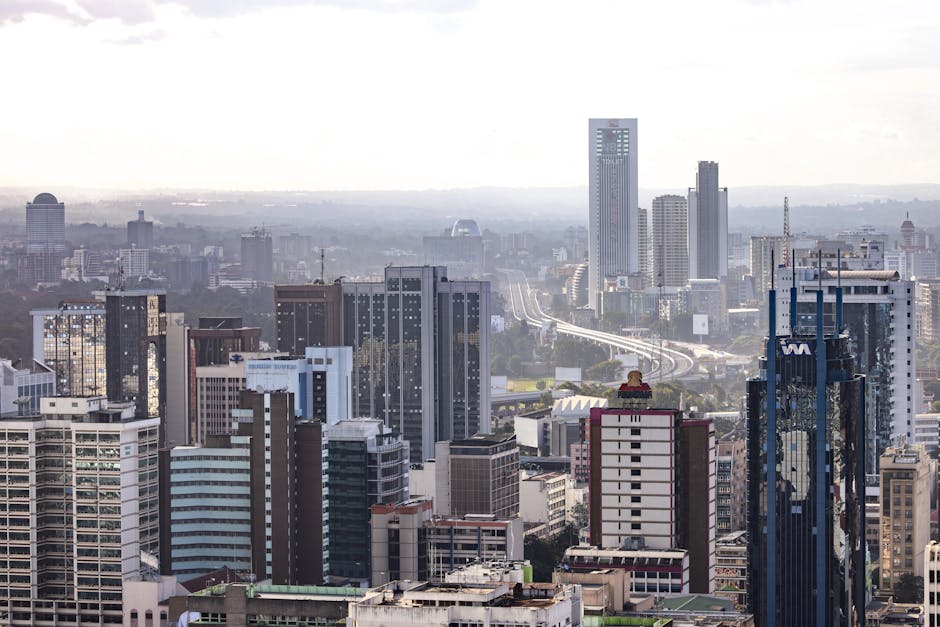 Easy
EasyNairobi, Kenya
Explore Nairobi's architectural evolution from colonial-era landmarks to iconic Brutalist skyscrapers on this historic self-guided walking route.