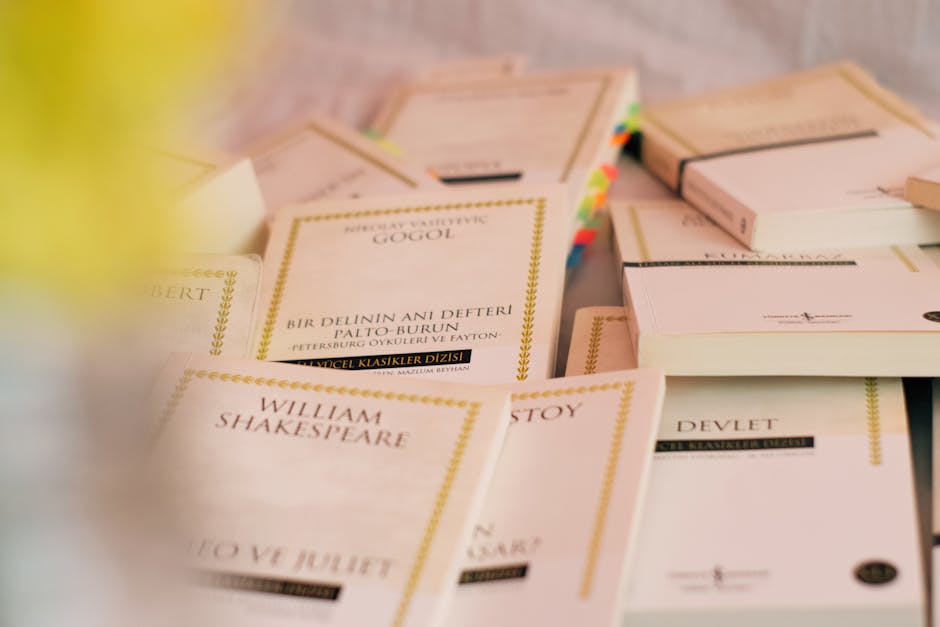
Self-guided audio tour in Valletta
Start Free on iPhone
Start free on iPhone to unlock this self-guided walking tour in Valletta. Hear all the stories that make it amazing, walk at your own pace, and begin whenever you want.
Your Private Tour Guide
Valletta, the sun-drenched capital of Malta, is often celebrated for its military might and Baroque splendor. However, beneath the shadow of its formidable bastions lies a city of ink and parchment. This self-guided walk invites you to uncover the literary soul of Valletta, where the golden globigerina limestone has witnessed the footsteps of world-renowned poets, exiled thinkers, and local storytellers. As you navigate the grid-like streets, you will discover how this UNESCO World Heritage site served as both a sanctuary and a source of frustration for the creative mind. This literary walking route begins at the historic British Hotel, offering a vantage point over the Grand Harbour that has inspired countless travelogues. From there, you will explore the majestic National Library, a silent witness to centuries of recorded history, before heading to the Manoel Theatre, one of Europe’s oldest working stages. The journey continues through the aristocratic halls of Casa Rocca Piccola and the atmospheric narrowness of St. Ursula Street, ending at the grand Palazzo Ferreria. Along the way, you will encounter the legacy of figures like Lord Byron, who famously cursed the city’s stairs, and Sir Walter Scott, who spent his final months here. This is not a traditional walking tour Valletta visitors usually expect; it is an independent exploration of the city's intellectual heart. By choosing an audio walk, you can pause to admire the ornate wooden balconies or step into a quiet bookstore without the pressure of a group. Whether you are a fan of classic poetry or curious about Mediterranean history, this neighborhood stroll offers a unique perspective on the city. Discover at your own pace how Valletta’s history is written not just in blood and steel, but in the enduring power of the written word. Explore independently and find the hidden stories tucked away in the city's quietest corners.
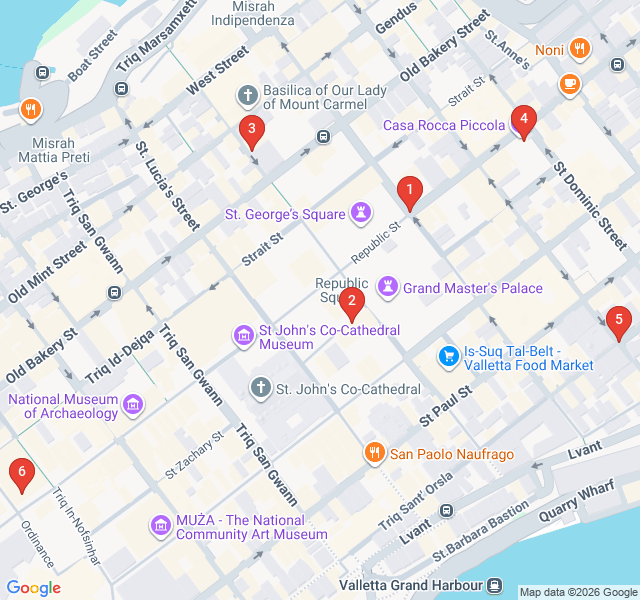
Numbers indicate the order of stops on the tour.
Start exploring with Zigway here at the British Hotel, one of the oldest established hotels in Valletta. This area, overlooking the Grand Harbour, has long been a landing point for literary travelers. In the early 19th century, the Romantic poet Lord Byron visited Malta twice. While he was charmed by the view, he famously struggled with the city's steep topography, later penning a poem titled 'Farewell to Malta' where he cursed the 'adieu to yelly steps.' Despite his complaints, the hotel and its surroundings represent the grand age of the 'Grand Tour,' where writers from across Europe came to soak in the Mediterranean light and the complex history of the Knights of St. John.
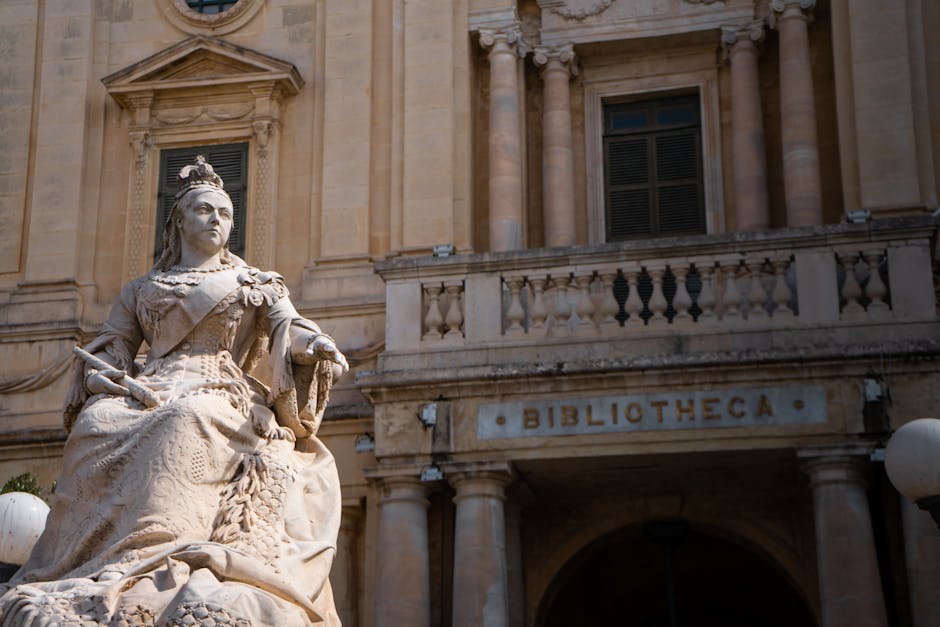
Standing before this grand neoclassical building, you are looking at the final major construction project of the Knights of Malta, completed just before the French invasion in 1798. The National Library, or 'Bibliotheca,' is the guardian of Malta's written history. Inside, the archives of the Order of St. John are preserved, dating back to the Middle Ages. For a literary enthusiast, this is the city's inner sanctum. It houses the original document of the 1113 Papal Bull that officially recognized the Order. The quiet, wood-paneled reading rooms have hosted generations of scholars and writers seeking to document the island's unique position at the crossroads of Europe and Africa.
The Manoel Theatre is a jewel box of culture. Commissioned in 1731 by Grand Master António Manoel de Vilhena, it was intended to provide 'honest entertainment' for the public. As one of the oldest working theaters in Europe, its stage has seen everything from Baroque operas to modern Maltese drama. In a city where the written word is often spoken or performed, this theater is a vital literary landmark. Note the intricate hand-painted wooden boxes and the acoustics designed long before modern amplification. It remains a focal point for the Maltese literary community, hosting poetry readings and theatrical adaptations of local novels, bridging the gap between the historic and the contemporary.
This 16th-century palace is more than just a museum; it is a lived-in testament to Maltese nobility. Casa Rocca Piccola is the family home of the de Piros, and it contains a wealth of personal archives, letters, and books that reflect the private literary life of Valletta's elite. As you view the grand rooms, consider the importance of family libraries in preserving culture during times of siege and occupation. The house highlights how the Maltese language and literature evolved within the domestic sphere of the aristocracy, influenced by Italian, French, and English connections. It is a rare glimpse into the intellectual environment that shaped the city’s social history.
Take a moment to soak in the atmosphere of St. Ursula Street. This is often cited as one of the most beautiful and evocative streets in Valletta, characterized by its narrow proportions and cascading steps. It has been a muse for many local poets, including Oliver Friggieri, who captured the essence of Valletta’s daily life and its spiritual undertones in his work. The play of light and shadow on the limestone walls here creates a cinematic quality that has inspired writers to describe Valletta as a 'city of ghosts' and 'city of light.' The quiet residential feel of this street offers a contrast to the grand public monuments, representing the more intimate, lyrical side of the city.
Your self-guided adventure concludes at Palazzo Ferreria, located right near the City Gate. Built in the late 19th century, this palace is unique for its Neo-Gothic style, which stands out against the surrounding Baroque architecture. It was built on the site of a former foundry of the Knights. Historically, this area was the social hub of Valletta, where intellectuals gathered in nearby cafes to discuss the news of the day. The building’s large, colorful wooden balconies are iconic symbols of the city. While it now houses government offices, it remains a monument to the era of Maltese Romanticism and the island’s transition into a modern, literate society under British rule.
Start Free on iPhone
Explore “Ink and Stone: Valletta’s Literary Past” with your very own Private Tour Guide with Zigway. Start free on iPhone, skip the large group and the fixed routes, and hear the city come alive as you go.
Your Private Tour Guide
Don't miss the good stuff
Explore Freely
 Easy
EasyValletta, Malta
Discover Valletta's sacred architecture and ancient mysteries on this self-guided route from Baroque basilicas to prehistoric temples.
 Moderate
Valletta, Malta
Explore Valletta’s legendary fortifications and Grand Harbour views on this self-guided walking route through Malta’s historic capital.
 Moderate
Valletta, Malta
Explore Valletta's heroic WWII history on this self-guided walk through underground war rooms, grand memorials, and the storied Fort St. Elmo.
 Easy
EasyValletta, Malta
Discover the 'Gut' of Valletta: a self-guided journey from notorious sailor bars to chic jazz lounges and Baroque wonders.
 Easy
EasyNairobi, Kenya
Explore Nairobi's architectural evolution from colonial-era landmarks to iconic Brutalist skyscrapers on this historic self-guided walking route.
 Easy
EasyNairobi, Kenya
Discover Nairobi's iconic skyline on this self-guided architecture walk through the CBD’s most famous modernist and Brutalist landmarks.
 Easy
EasyKrakow, Poland
Explore the prestigious Jagiellonian University district, featuring Neo-Gothic architecture, Baroque churches, and Krakow's hidden scholarly gems.
 Easy
EasyKrakow, Poland
Explore the historic heart of Kazimierz on this self-guided walk through synagogues, ancient cemeteries, and vibrant squares.