Self-guided audio tour in Valletta
Start Free on iPhone
Start free on iPhone to unlock this self-guided walking tour in Valletta. Hear all the stories that make it amazing, walk at your own pace, and begin whenever you want.
Your Private Tour Guide
During the height of the Second World War, the tiny Mediterranean archipelago of Malta became the most bombed place on Earth. This self-guided walking route in Valletta takes you through the harrowing and heroic years of the 1940-1942 Siege. As you traverse the historic limestone streets of East Valletta, you will discover how this 'unsinkable aircraft carrier' held out against the Axis powers, earning the entire island the George Cross for bravery. This audio walk begins at the tip of the peninsula at Fort St. Elmo, the site where the first bombs fell on the island, and leads you through the hidden underground nerve centers and soaring memorials that define Malta's wartime identity. Your journey explores the strategic importance of the Grand Harbour, a deep-water prize that both sides were desperate to control. Along the way, you will encounter the Lascaris War Rooms, a secret underground complex where top-secret operations were directed, and the Siege Bell Memorial, which offers a somber place for reflection overlooking the water. You will also see how the city's architectural landscape was forever changed by the Blitz, with many historic buildings bearing the scars of aerial bombardment or standing as rebuilt symbols of resilience. This neighborhood stroll is not just a lesson in military strategy; it is a tribute to the civilian population who survived on meager rations in rock-cut shelters while the world watched their defiance. Whether you are a history enthusiast or a first-time visitor, this walking route provides a deep dive into the events that shaped modern Malta. Explore at your own pace, stopping to take in the panoramic views of the harbor or visiting the world-class museums that house the actual Gladiator biplanes and the original George Cross. This is more than a walking tour Valletta; it is an immersive experience into the heart of a city that refused to break.
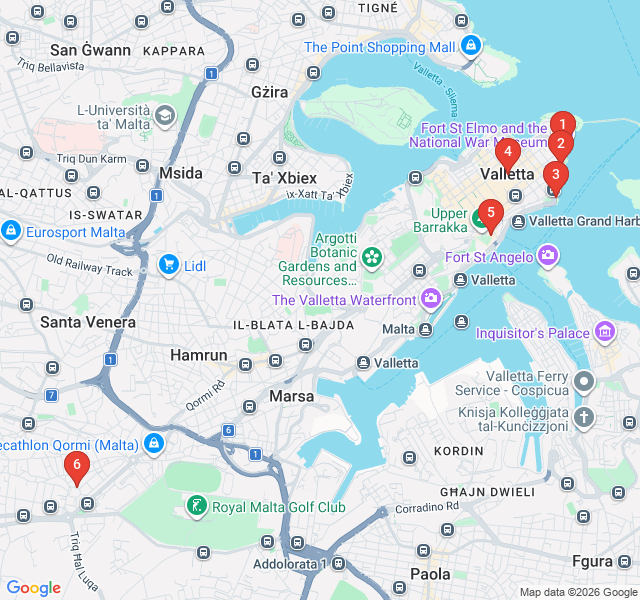
Numbers indicate the order of stops on the tour.
Welcome to the tip of the Valletta peninsula. Fort St. Elmo has guarded the Grand Harbour for centuries, but its role in WWII was pivotal. On June 11, 1940, just one day after Italy declared war, the first bombs fell right here. Inside the museum housed within these star-shaped walls, you can see 'Faith,' one of the three legendary Gladiator biplanes that defended the island against the Italian Regia Aeronautica. Most importantly, you will find the original George Cross, awarded by King George VI in 1942 to the 'fortress island of Malta' to bear witness to a heroism and devotion that will long be famous in history.
Located in what was once the Sacra Infermeria—the hospital of the Knights of St. John—this site bridges centuries of Maltese resilience. During WWII, this area of Valletta was heavily targeted due to its proximity to the docks. The building itself suffered direct hits but has been restored. While it now hosts an audio-visual show covering 7,000 years of history, it serves as a reminder of how the Maltese people have repeatedly faced existential threats, from the Great Siege of 1565 to the aerial blockades of the 1940s. Take a moment to look at the massive limestone walls that provided a natural, if terrifying, shelter for residents during the raids.
This neoclassical rotunda houses a massive bronze bell that tolls daily at noon. It was inaugurated in 1992 to mark the 50th anniversary of the awarding of the George Cross. The memorial honors the over 7,000 service personnel and civilians who lost their lives during the Siege of Malta. From here, look out over the Grand Harbour. This was the scene of the desperate arrival of the 'Ohio,' an American tanker that was part of Operation Pedestal. Miraculously limping into the harbor on August 15, 1942, the Ohio brought the fuel and food that saved Malta from certain surrender just weeks before rations would have run out.
While this bronze monument by Antonio Sciortino technically commemorates the Ottoman Siege of 1565, its three figures—representing Faith, Fortitude, and Civilization—took on a renewed significance during WWII. During the 1940s, this monument stood as a symbol of the 'indomitable spirit' that the British press frequently cited. It became a focal point for national pride during the darkest days of the Blitz. Notice its location opposite the Law Courts; this area was the heart of the city's administration and remained a target for Axis bombers attempting to disrupt the island's governance and morale.
Deep beneath the Upper Barrakka Gardens lies one of Malta's best-kept wartime secrets. The Lascaris War Rooms are a network of tunnels and chambers that served as the Allied headquarters in the Mediterranean. It was from this very spot that General Eisenhower and Admiral Cunningham directed 'Operation Husky,' the invasion of Sicily in 1943. Walking through these rooms, you'll see the original maps, plotting tables, and communication equipment used to track Axis aircraft and coordinate the defense of the island. It is a chillingly preserved time capsule of high-stakes military strategy hidden 150 feet below the surface.
Our walk concludes at Castille Square. The grand building dominating the square is the Auberge de Castille, now the Prime Minister's office. During WWII, it was used as the army headquarters and was severely damaged by bombing in 1942. The square today is a place of national commemoration. Look for the various monuments dedicated to Maltese leaders who navigated the transition from a war-torn colony to an independent nation. The resilience forged during the siege years directly fueled the movement for self-determination that followed. From here, you are perfectly positioned to explore the city center or enjoy a well-earned rest at a nearby cafe.
Start Free on iPhone
Explore “Siege and Survival: The WWII Route” with your very own Private Tour Guide with Zigway. Start free on iPhone, skip the large group and the fixed routes, and hear the city come alive as you go.
Your Private Tour Guide
Don't miss the good stuff
Explore Freely
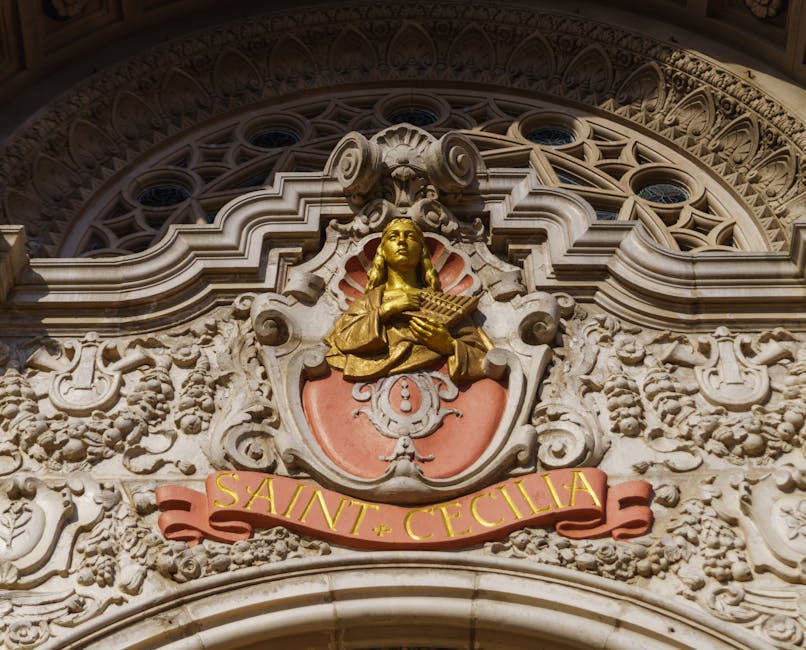 Easy
EasyValletta, Malta
Discover Valletta's sacred architecture and ancient mysteries on this self-guided route from Baroque basilicas to prehistoric temples.
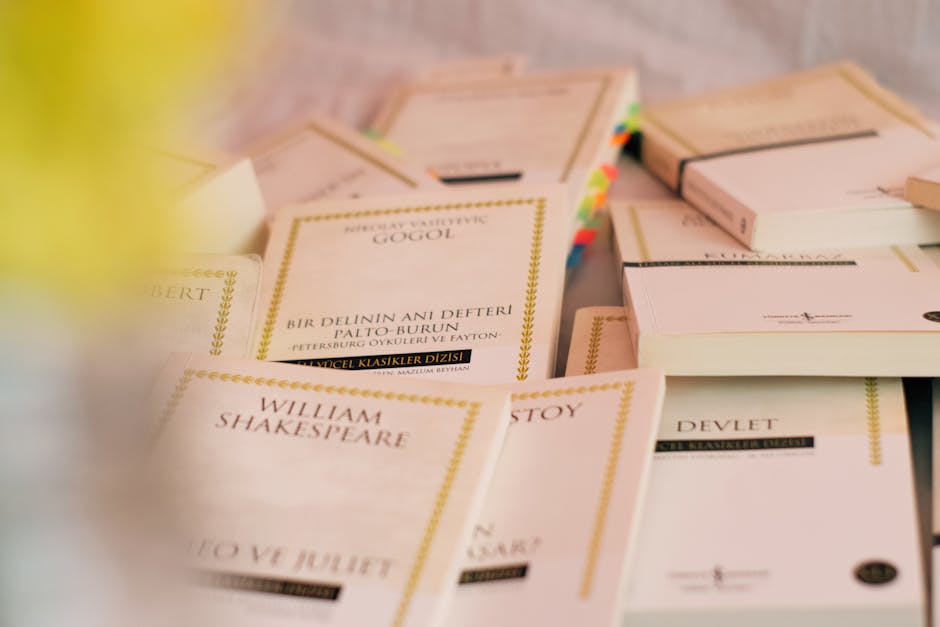 Easy
EasyValletta, Malta
Explore Valletta's literary heritage on this self-guided walk, from Byron’s poetry to the silent archives of the National Library.
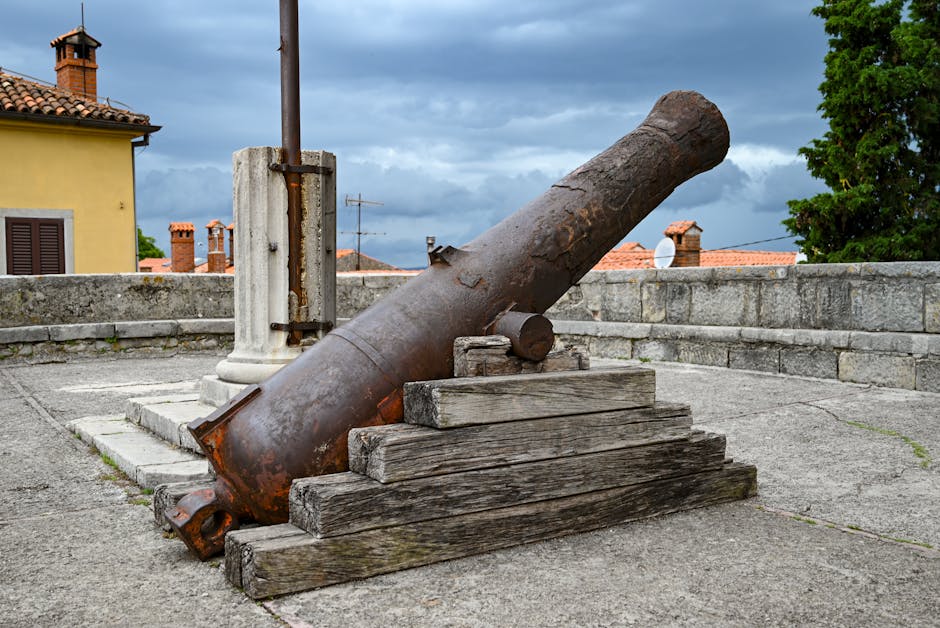 Moderate
Valletta, Malta
Explore Valletta’s legendary fortifications and Grand Harbour views on this self-guided walking route through Malta’s historic capital.
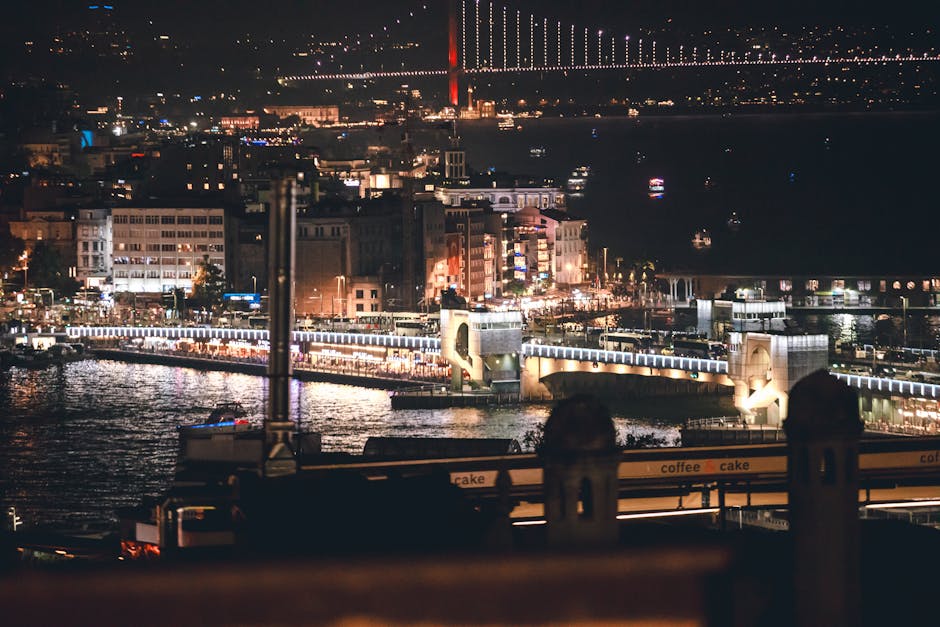 Easy
EasyValletta, Malta
Discover the 'Gut' of Valletta: a self-guided journey from notorious sailor bars to chic jazz lounges and Baroque wonders.
 Moderate
Gothenburg, Sweden
Discover Gothenburg’s maritime soul on this self-guided walk from the historic Central Station to the scenic riverfront at Stenpiren.
 Moderate
Warsaw, Poland
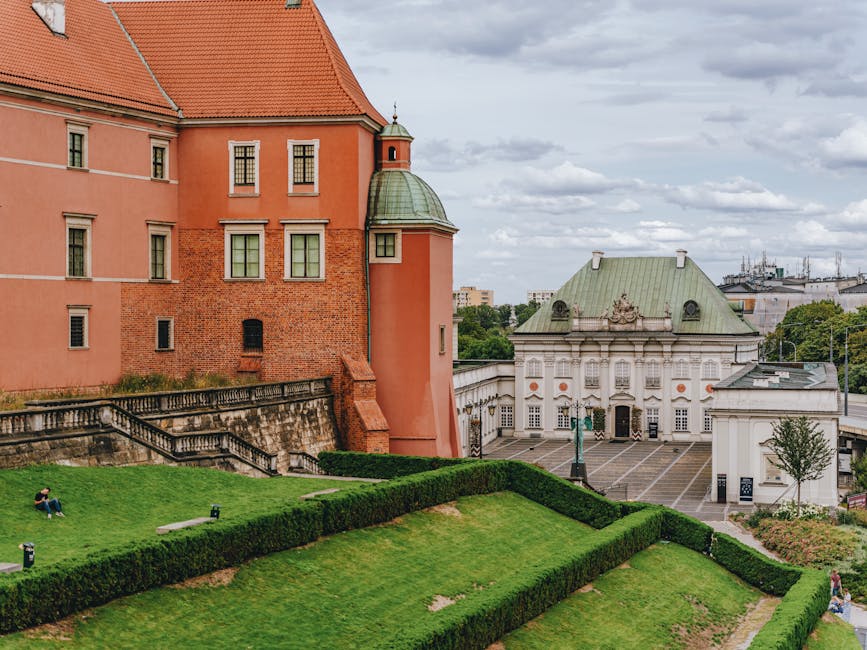
Explore the resilient spirit of Warsaw's Muranów district on this self-guided walk through the history and landmarks of the former Jewish Ghetto.
 Moderate
Warsaw, Poland
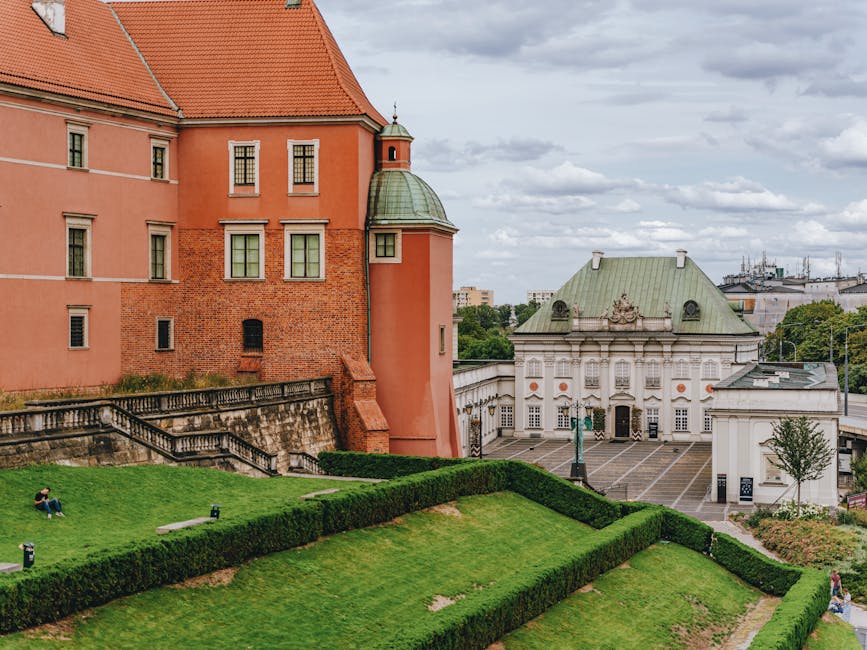
A powerful self-guided walk through Warsaw's WWII history, tracking the 1944 Uprising from ruined skyscrapers to solemn memorials.
 Moderate
Helsinki, Finland
Explore the 'Gibraltar of the North' on this independent walking route through the historic bastions and hidden gardens of Suomenlinna Sea Fortress.