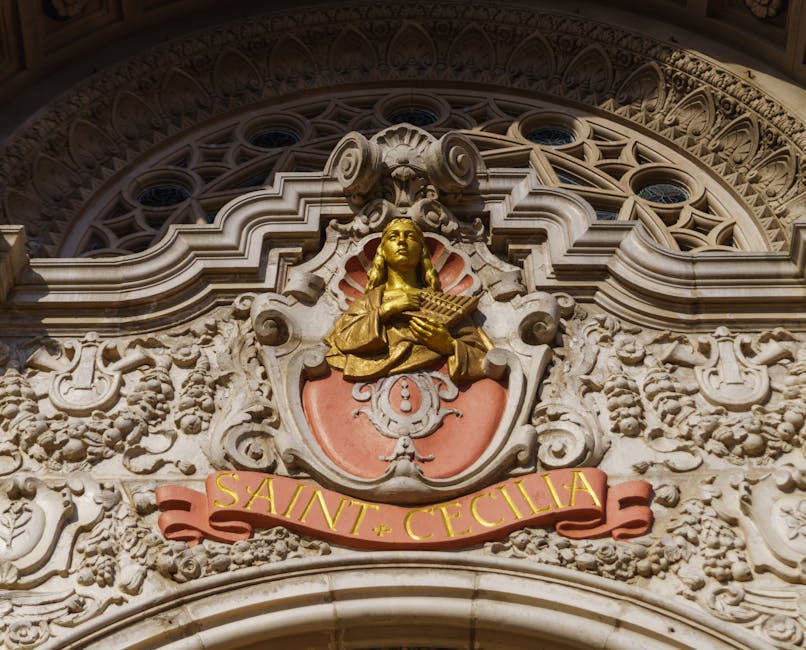
Self-guided audio tour in Valletta
Start Free on iPhone
Start free on iPhone to unlock this self-guided walking tour in Valletta. Hear all the stories that make it amazing, walk at your own pace, and begin whenever you want.
Your Private Tour Guide
Valletta is often described as an open-air museum, a city built by gentlemen for gentlemen, where every corner reveals a piece of the past. On this self-guided walk, you will explore the spiritual and structural heart of Malta’s capital, tracing the influence of the Knights of St. John and the deep-seated religious traditions that shaped the island's identity. This walking route, titled Saints and Statues: The Sacred Route, begins in the grand plazas of the city center and gradually moves beyond the bastion walls toward the ancient, mysterious foundations of Maltese civilization. As you navigate the grid-like streets of Valletta, you will encounter Baroque facades, hidden niches housing patron saints, and grand basilicas that have withstood the tests of time and war. The journey highlights the architectural prowess of the Order of Malta, particularly in landmarks like the Grand Master’s Palace and the Church of Our Lady of Victories. However, this neighborhood stroll offers more than just religious history. It transitions into the educational and prehistoric landscape of the island, connecting the intellectual pursuits of the University of Malta with the profound mysteries of the Ħal Saflieni Hypogeum. By following this route, you experience the full spectrum of Maltese heritage, from the 16th-century fortification of a city to the Neolithic rituals of its earliest inhabitants. Whether you are admiring the ornate interior of St. Paul’s Shipwreck Church or standing before the massive megaliths of the Tarxien Prehistoric Complex, this adventure provides a comprehensive look at how faith, defense, and knowledge have intertwined over millennia. Unlike a standard walking tour Valletta often offers, this self-guided approach allows you to linger at the viewpoints of the Saluting Battery or reflect in the quiet gardens of Lower Barrakka at your own pace. It is a journey through the soul of Malta, capturing the essence of its 'Saints and Statues' through the lens of history and architecture.
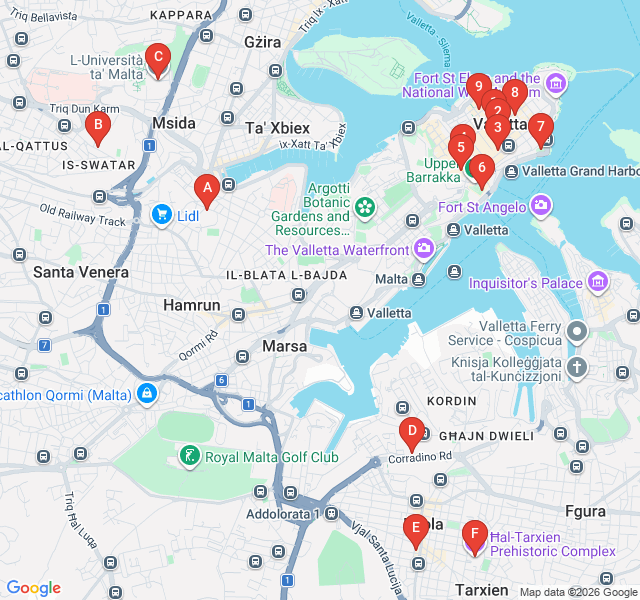
Numbers indicate the order of stops on the tour.
Start your journey in the civic heart of Valletta. St. George’s Square, also known as Palace Square, is flanked by the Grand Master’s Palace and is often the site of state ceremonies. Look around the corners of the surrounding buildings to find traditional Maltese street shrines. These niches, often housing statues of saints like St. George or the Virgin Mary, were historically placed to protect the city and its residents. They represent a unique blend of public art and private devotion that characterizes the streets of Valletta. This square has been the backdrop for Malta's most significant historical events, from the era of the Knights to the awarding of the George Cross during World War II.
Standing before you is the Grand Master's Palace, which served as the seat of power for the Order of St. John for over two centuries. Completed in the late 16th century, its austere exterior hides a wealth of Baroque treasures inside. This building has functioned as the residence of the Grand Masters, the British Governor, and today, the President of Malta. The palace is a testament to the administrative and military organization of the Knights. Notice the wooden balconies and the two main courtyards; they reflect the transition from a fortress-like structure to a palatial residence. It remains a symbol of Malta’s enduring sovereignty and its long history of governance.
Tucked away in the narrow streets is one of Valletta’s most spiritually significant sites: the Collegiate Parish Church of St. Paul's Shipwreck. It commemorates the 60 AD shipwreck of the Apostle Paul on the island, an event that brought Christianity to Malta. Inside, the church is a masterpiece of Baroque art, featuring a stunning gilded ceiling and an array of precious relics, including a bone from St. Paul's wrist and part of the column on which he was allegedly beheaded in Rome. The statue of St. Paul, carved by Melchiorre Gafà, is the centerpiece of one of Malta's most vibrant annual festivals every February.
This elegant rotunda church was built by the Italian 'Langue' or division of the Knights of St. John. Designed by the architect Girolamo Cassar in 1576, it stands as a fine example of Mannerist and Baroque architecture. The church was specifically intended for the Italian knights who lived in the nearby Auberge d'Italie. Inside, you can admire the titular painting by Mattia Preti, a celebrated artist who was himself a Knight of Malta. The church’s proximity to the city gates made it a prominent spiritual landmark for those entering Valletta, symbolizing the international character of the Order.
The Church of Our Lady of Victories holds the distinction of being the first building ever constructed in Valletta. It was built on the site where the foundation stone of the city was laid in 1566, following the Great Siege of Malta. The church was dedicated to the Virgin Mary as a sign of gratitude for the victory over the Ottoman Empire. Originally, it served as the burial place for Grand Master Jean de Valette, the city's founder, before his remains were moved to St. John's Co-Cathedral. Look up at the ceiling to see the beautiful frescoes depicting the life of the Virgin, painted by Alessio Erardi.
Perched on the edge of the Upper Barrakka Gardens, the Saluting Battery is perhaps the oldest functional saluting battery in the world. For centuries, its cannons have protected the harbor and signaled the passage of time. The battery played a crucial role during the Siege of 1565 and later served as a ceremonial platform. Today, a gun is still fired daily at noon and 4 PM, a tradition that originally helped ship captains calibrate their chronometers. From this vantage point, you have a breathtaking view of the Grand Harbour, the Three Cities, and the massive fortifications that made Valletta an impregnable fortress.
While the Upper Barrakka is known for its views, the Lower Barrakka Gardens offer a more tranquil atmosphere. This garden is home to a neo-classical temple dedicated to Sir Alexander Ball, the British Admiral who led the Maltese insurgents against the French. The garden’s terrace offers a stunning perspective of the Siege Bell War Memorial and the entrance to the Grand Harbour. It is a perfect spot to observe the massive cruise ships and traditional luzzu boats navigating the waters below. The peaceful paths and lush greenery provide a stark contrast to the dense stone architecture of the city center.
Casa Rocca Piccola is a unique 16th-century palace that remains a private family home. It offers a rare glimpse into the lives of the Maltese nobility. Built for Don Pietro La Rocca, a Knight of Malta, the palace features over 50 rooms, including grand salons, a library, and even a network of underground World War II air-raid shelters. The interiors are filled with antique furniture, fine lace, and portraits of ancestors. Exploring this house reveals the social history of Valletta, showing how the local aristocracy lived alongside the Knights and later under British rule. The hidden courtyard garden is a secret oasis in the heart of the city.
Dominating the Valletta skyline, the massive dome of the Basilica of Our Lady of Mount Carmel is one of the city's most iconic landmarks. The original church was built in 1570 but was severely damaged during World War II. The current structure, with its 42-meter high oval dome, was completed in 1981. This architectural feat was designed to be even taller than the spire of the nearby Anglican Cathedral, asserting the Catholic presence in the city skyline. Inside, the church is spacious and grand, featuring red marble columns and a peaceful atmosphere that reflects the Carmelite tradition of contemplation.
As you move outside the city walls toward Msida, you encounter the G.F. Abela Junior College. Named after Giovanni Francesco Abela, a 17th-century historian often called the 'Father of Maltese History,' this institution represents the evolution of education in Malta. Abela was a nobleman and a chaplain of the Order of St. John who bequeathed his villa and collection of antiquities to create Malta's first museum. While the college itself is a modern educational hub, its name connects today’s students to the intellectual heritage of the Knights and the early preservation of Maltese culture.
Located in the Hamrun area, St Martin's College is a symbol of the modern, international educational landscape of Malta. While it lacks the centuries-old stone of Valletta, it reflects the island's transition from a colonial outpost to a globalized hub of learning. This institution emphasizes the importance of innovation and technology, mirroring Malta’s current economic trajectory. In the context of this route, it serves as a bridge between the traditional religious education of the past and the forward-looking academic pursuits of the 21st century, showing how the 'Sacred Route' of knowledge continues to expand.
The University of Malta is the highest educational institution on the island, with a history dating back to the Collegium Melitense founded by the Jesuits in 1592. While the main campus is now located in Msida, its roots are deeply tied to the religious orders of Valletta. Over the centuries, it has evolved from a theological college into a comprehensive university. It has been the breeding ground for Malta's leaders, artists, and scientists. Walking through this academic environment, you can sense the intellectual energy that has sustained the island's culture and administration since the time of the Grand Masters.
The Malta College of Arts, Science and Technology (MCAST) in Paola is the island’s leading vocational education provider. It represents the practical side of Maltese ingenuity. Just as the Knights were master engineers and builders of fortifications, MCAST prepares today's workforce in technical and creative fields. The campus is a bustling center of activity, reflecting the industrial and commercial spirit of the surrounding harbor area. This stop reminds us that the statues and buildings of Valletta were created by skilled craftsmen, a tradition of vocational excellence that continues here today.
Descending into the Ħal Saflieni Hypogeum is like stepping back 5,000 years. This UNESCO World Heritage site is an underground prehistoric burial complex carved into the rock. It consists of three levels of halls and chambers, some of which mimic the architecture of the above-ground temples of the time. The precision of the stonework, achieved using only flint and stone tools, is staggering. The most famous chamber, the 'Holy of Holies,' features beautifully carved facades. This site offers a profound look at the spiritual life of Malta's earliest inhabitants, long before the first saints arrived on the island.
Your journey concludes at the Tarxien Temples, a complex of four megalithic structures dating from 3600 to 2500 BC. These temples are famous for their elaborate stone carvings, including reliefs of animals and the famous 'Fat Lady' statues, which are thought to represent fertility goddesses. The site reveals a highly organized society with sophisticated religious rituals. As you walk among the massive limestone blocks, consider the incredible longevity of sacred spaces on this island. From these Neolithic altars to the Baroque cathedrals of Valletta, Malta has remained a place of profound spiritual and architectural devotion for over five millennia.
Start Free on iPhone
Explore “Saints and Statues: The Sacred Route” with your very own Private Tour Guide with Zigway. Start free on iPhone, skip the large group and the fixed routes, and hear the city come alive as you go.
Your Private Tour Guide
Don't miss the good stuff
Explore Freely
 Easy
EasyValletta, Malta
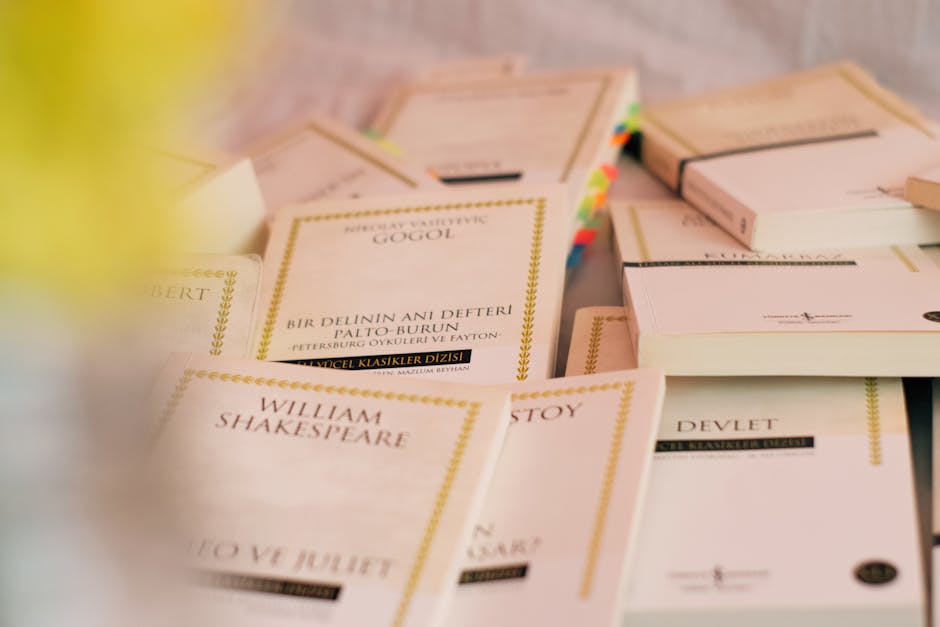
Explore Valletta's literary heritage on this self-guided walk, from Byron’s poetry to the silent archives of the National Library.
 Moderate
Valletta, Malta
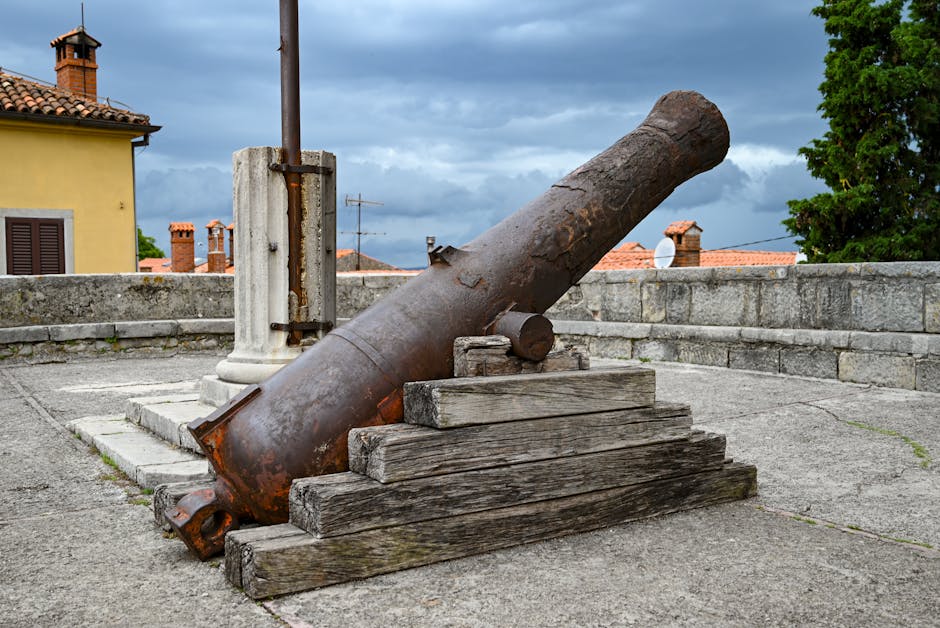
Explore Valletta’s legendary fortifications and Grand Harbour views on this self-guided walking route through Malta’s historic capital.
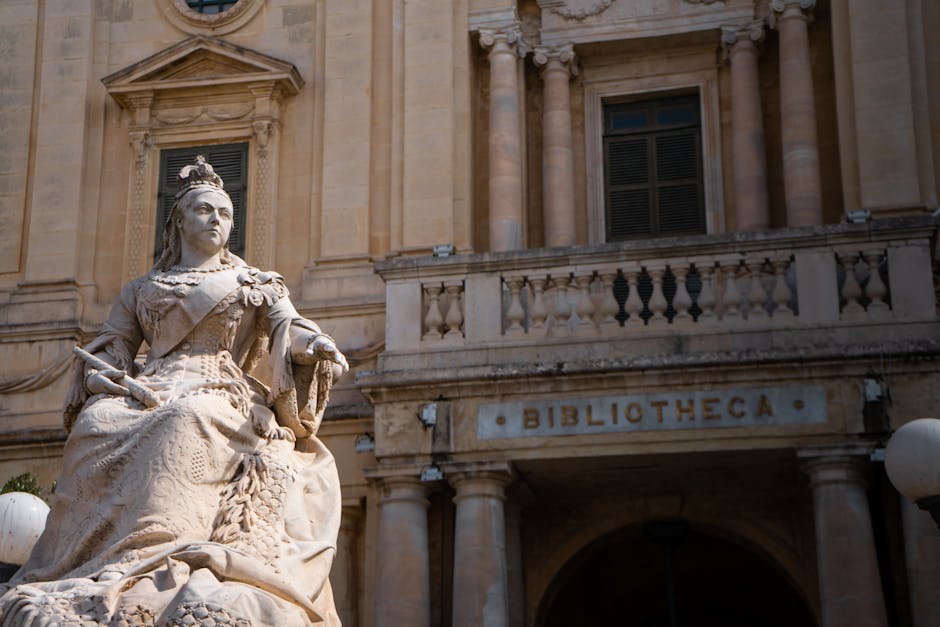 Moderate
Valletta, Malta
Explore Valletta's heroic WWII history on this self-guided walk through underground war rooms, grand memorials, and the storied Fort St. Elmo.
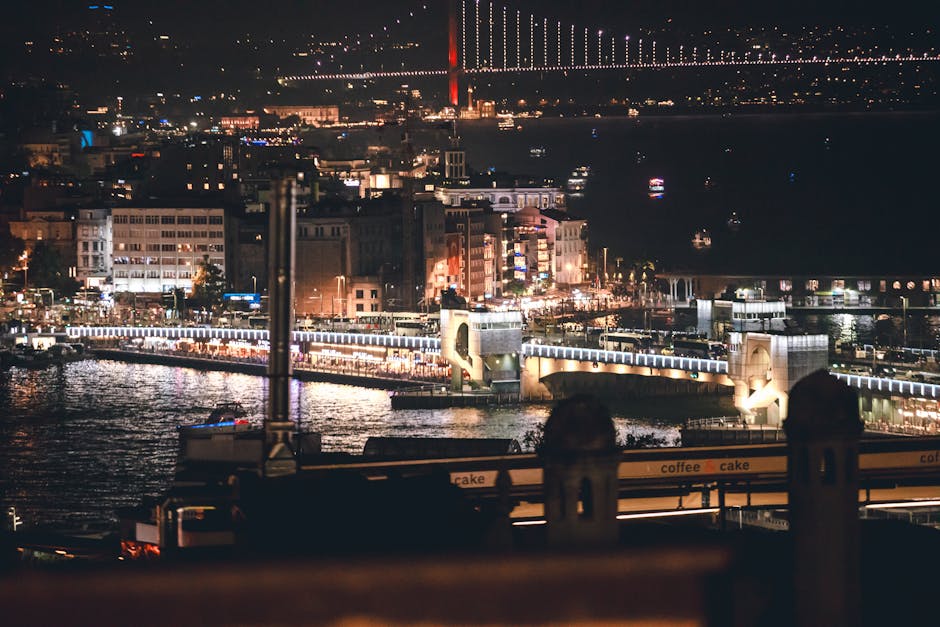 Easy
EasyValletta, Malta
Discover the 'Gut' of Valletta: a self-guided journey from notorious sailor bars to chic jazz lounges and Baroque wonders.
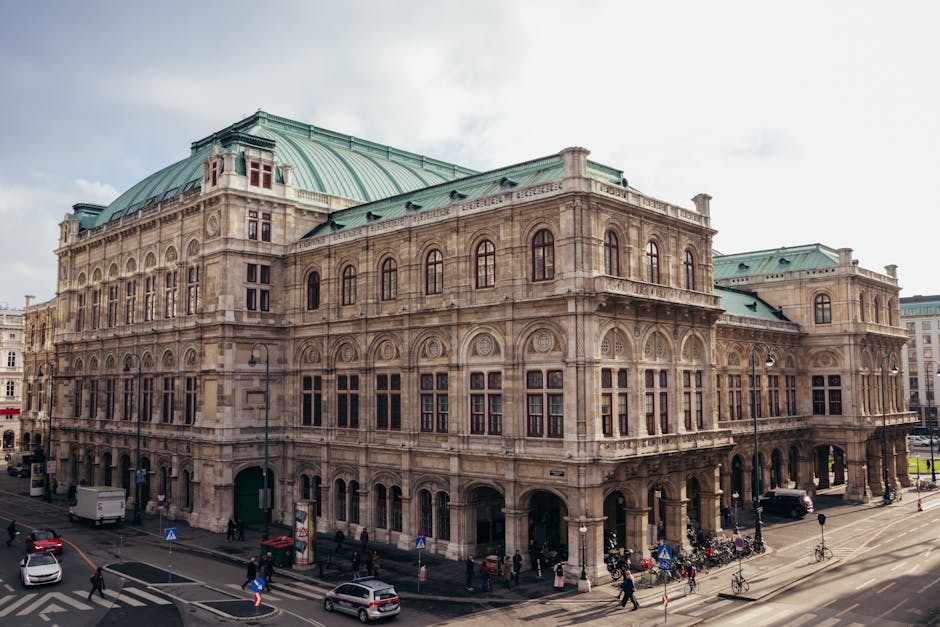 Moderate
Vienna, Austria
Follow the footsteps of Mozart and Strauss through Vienna’s historic center on this self-guided walk through the city's rich musical history.
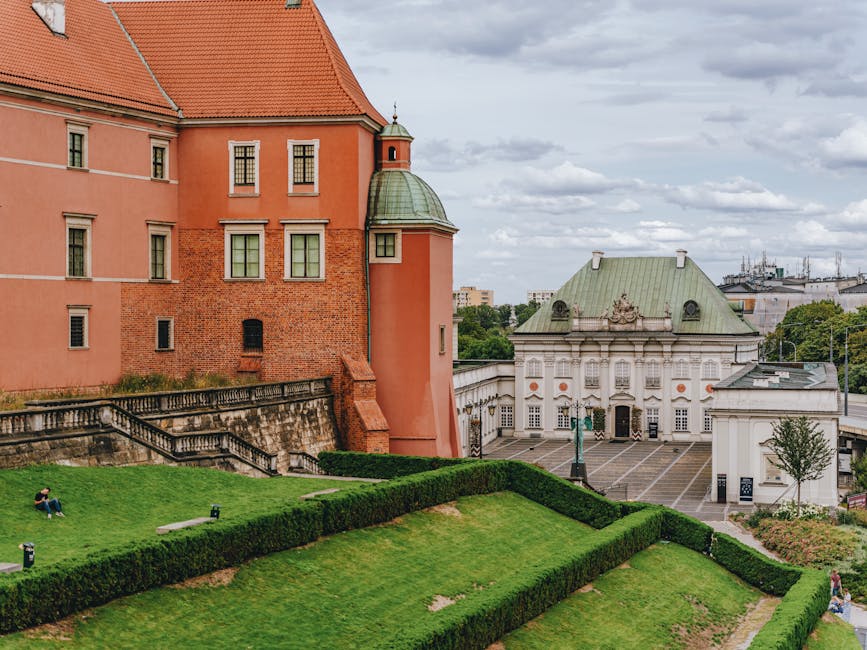 Moderate
Warsaw, Poland
Explore the resilient spirit of Warsaw's Muranów district on this self-guided walk through the history and landmarks of the former Jewish Ghetto.
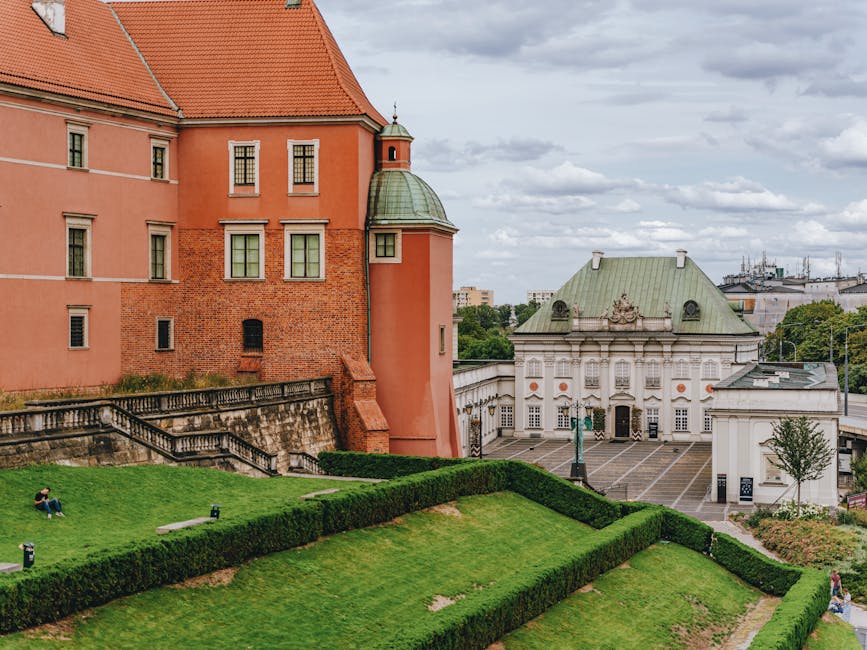 Moderate
Warsaw, Poland
A powerful self-guided walk through Warsaw's WWII history, tracking the 1944 Uprising from ruined skyscrapers to solemn memorials.
 Moderate
Gothenburg, Sweden
Discover Gothenburg’s maritime soul on this self-guided walk from the historic Central Station to the scenic riverfront at Stenpiren.