Self-guided audio tour in Portland
Start Free on iPhone
Start free on iPhone to unlock this self-guided walking tour in Portland. Hear all the stories that make it amazing, walk at your own pace, and begin whenever you want.
Your Private Tour Guide
The Pearl District stands as a global model for urban transformation, evolving from a gritty rail yard and warehouse hub into Portland's most sophisticated neighborhood. This self-guided walk invites you to explore the intersection of industrial heritage and contemporary aesthetics. As you navigate the cobblestone streets, you will witness how 19th-century brickwork seamlessly integrates with glass-and-steel modernism, creating a unique architectural dialogue. This walking route highlights the district's commitment to sustainable design and public art, offering a deep dive into the creative spirit that defines the city. Your neighborhood stroll begins at Jamison Square, the symbolic heart of the district, where the concept of the 'urban beach' comes to life. From there, the path leads to landmarks like the Ecotrust Building, a pioneer in green restoration, and the Pacific Northwest College of Art, housed in a grand former federal building. You will also experience the district's renowned gallery scene, which helped spark the area's revival in the 1980s. The journey concludes in the 'Northern Pearl,' where innovative landscape architecture at Tanner Springs Park and The Fields Park demonstrates how nature can be reintroduced into a dense urban environment. Whether you are an enthusiast of architecture or someone who appreciates the rhythm of a well-designed city, this audio walk provides the context needed to understand why the Pearl is more than just a trendy zip code. It is a masterclass in adaptive reuse and community-focused urban planning. Exploring at your own pace allows you to linger at a gallery window or grab a coffee in a converted loading dock, making this walking tour Portland experience both educational and relaxing. Discover the stories etched into the facades of these historic warehouses and see how visionaries turned a forgotten industrial zone into a vibrant center for high design.
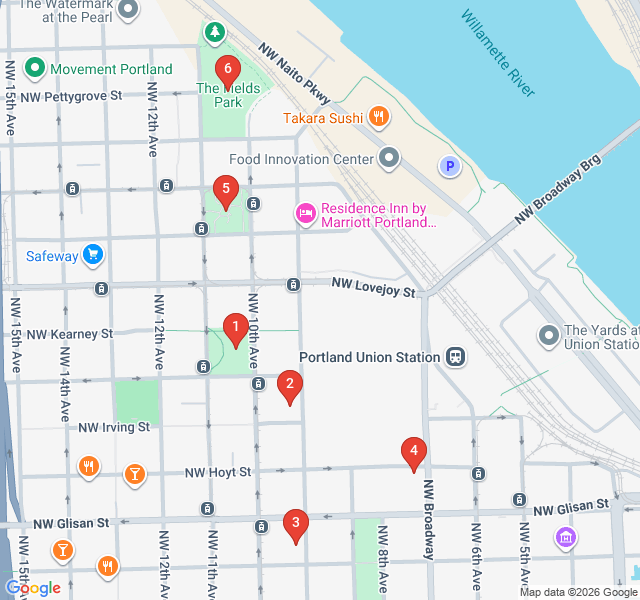
Numbers indicate the order of stops on the tour.
Welcome to Jamison Square, the 'living room' of the Pearl District. Named after William Jamison, a gallery owner who was instrumental in the area's revival, this park was the first of three planned open spaces in the neighborhood. Notice the unique fountain designed by Herbert Dreiseitl; it mimics a tidal pool, filling and draining in a rhythmic cycle that has made it a favorite urban beach for locals. The stone pillars around the square are not just decorative; they are part of a public art installation called 'Tiki Totems' by Kenny Scharf. This square represents a shift in urban design, moving away from static monuments toward interactive, community-focused spaces.
The Jean Vollum Natural Capital Center, commonly known as the Ecotrust Building, is a landmark of sustainable architecture. Originally built in 1895 as a warehouse for the P.R.R. Line, it was transformed in 2001 into the first historic restoration in the United States to receive a LEED Gold rating. Look closely at the materials; the project reused roughly 98 percent of the debris from the original structure. Today, it houses organizations focused on environmental and social equity. The rooftop terrace and the open-timber interiors serve as a reminder of Portland's industrial past while pointing toward a greener, more sustainable future for urban development.
To understand the Pearl, you must understand its art. In the early 1980s, when this area was still a collection of derelict warehouses, artists moved in for the cheap rent and high ceilings. Elizabeth Leach was a pioneer, opening her gallery here in 1981 and helping to establish the 'First Thursday' gallery walk tradition. This gallery represents the high-water mark of Portland's contemporary art scene, featuring both Northwest icons and international talent. The presence of these galleries was the catalyst for the neighborhood's gentrification, proving that culture is often the primary engine for urban revitalization and economic change.
Before you stands the Arlene and Harold Schnitzer Center for Art and Design, the flagship of the Pacific Northwest College of Art. This grand building was originally a federal post office built in 1916. The recent renovation is a stunning example of 'object in a box' design, where modern glass and steel classrooms are suspended within the historic masonry shell. The central atrium, once a mail-sorting floor, is now a light-filled public commons. This building bridges the gap between the district's history as a logistics hub and its current identity as an incubator for the next generation of creative thinkers and designers.
Tanner Springs Park is a radical departure from traditional city parks. Designed by Atelier Dreiseitl, this space is an 'urban wetland' that sits 20 feet above the original ground level. The park is a poetic restoration of the landscape that existed here before the industrial era, featuring native grasses and a pond that utilizes 'daylighted' water. The most striking feature is the Art Wall, constructed from 368 historic railroad tracks (cleats) placed vertically into the ground. These rusted rails are inset with hand-painted glass panels depicting the insects and amphibians that once thrived in this marshland, linking the industrial age back to the natural world.
Our route concludes at The Fields Park, the northern anchor of the Pearl's park system. This 3.2-acre space provides a much-needed expanse of green in a dense neighborhood. From here, you have an unobstructed view of the Fremont Bridge, one of Portland's most iconic engineering feats. The park's design, with its winding paths and open meadows, serves as a transition between the high-density residential towers of the Pearl and the industrial activity of the Willamette River waterfront. It is the perfect place to reflect on how intentional urban design can balance the needs of residents with the preservation of open, breathable space.
Start Free on iPhone
Explore “The Pearl: From Warehouses to High Design” with your very own Private Tour Guide with Zigway. Start free on iPhone, skip the large group and the fixed routes, and hear the city come alive as you go.
Your Private Tour Guide
Don't miss the good stuff
Explore Freely
 Challenging
Portland, United States
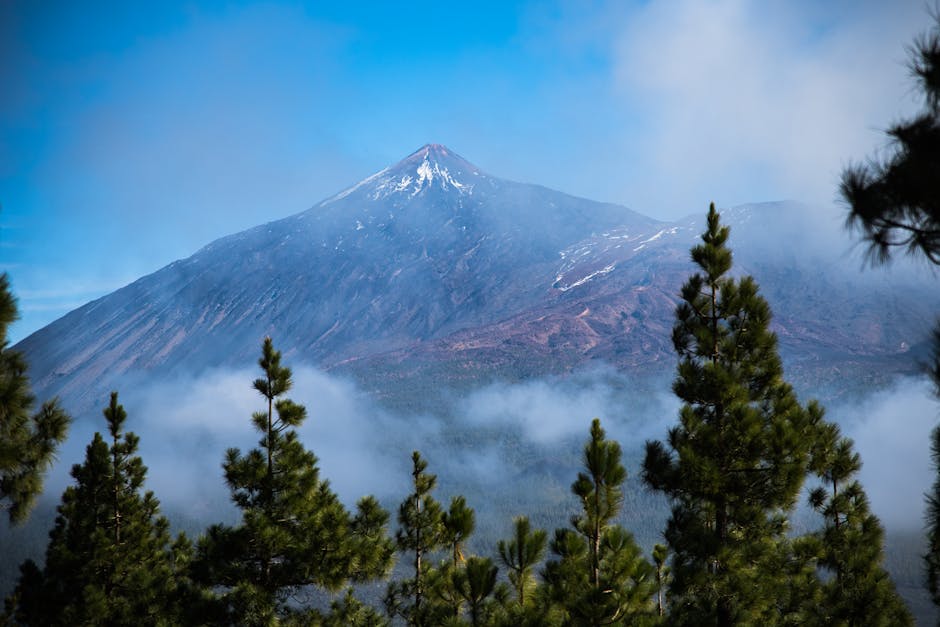
Explore Portland's volcanic history and lush gardens on this self-guided route from the urban core to the summit of Mt. Tabor.
 Moderate
Portland, United States
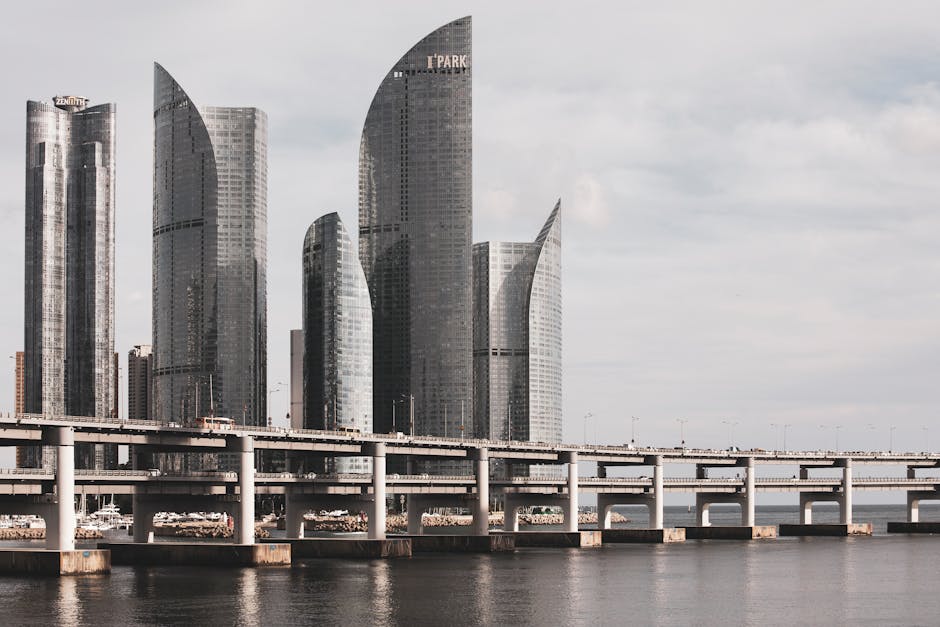
Explore Portland’s iconic 'Bridgetown' identity on this self-guided walk across historic spans and scenic riverfront paths.
 Easy
EasyPortland, United States
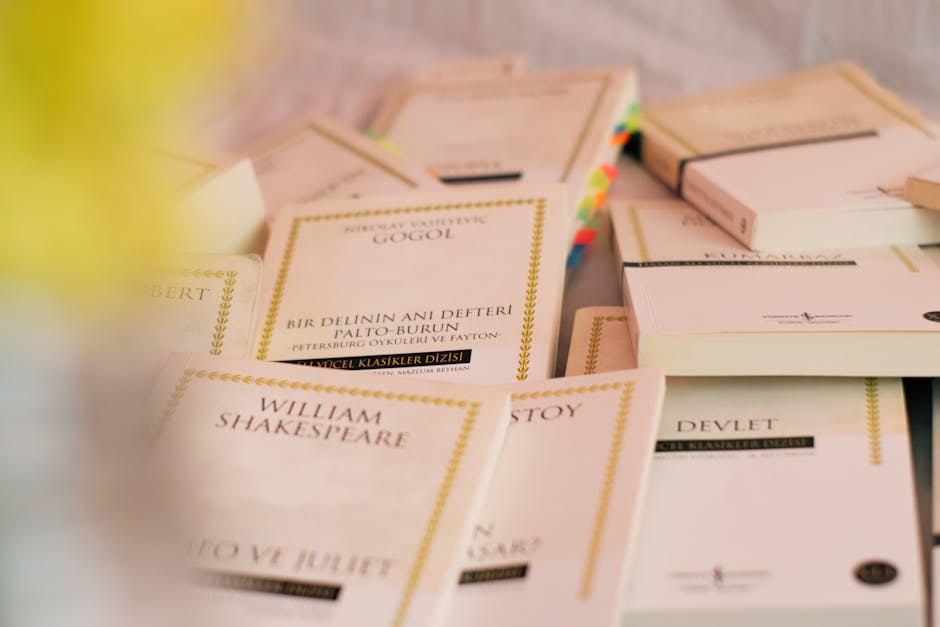
Explore Portland's literary soul on this self-guided walk through legendary bookstores, historic libraries, and iconic architectural landmarks.
 Easy
EasyPortland, United States
Explore Portland's eerie history and hidden underground legends on this self-guided audio walk through the haunted streets of Old Town.
 Easy
EasyGothenburg, Sweden
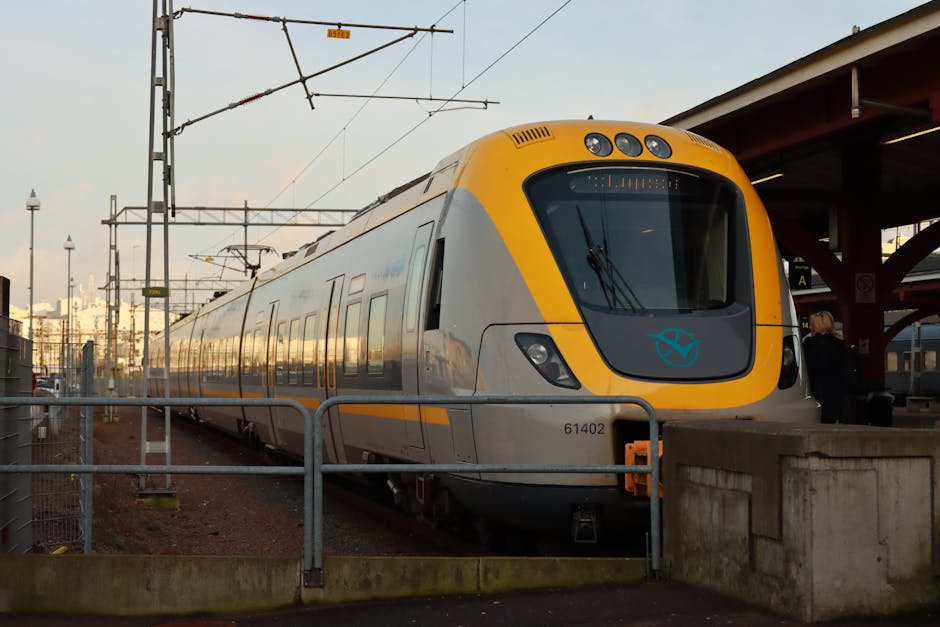
Explore Gothenburg's maritime soul on this self-guided walk from historic shipyards to sleek modern piers and iconic industrial landmarks.
 Easy
EasyKrakow, Poland
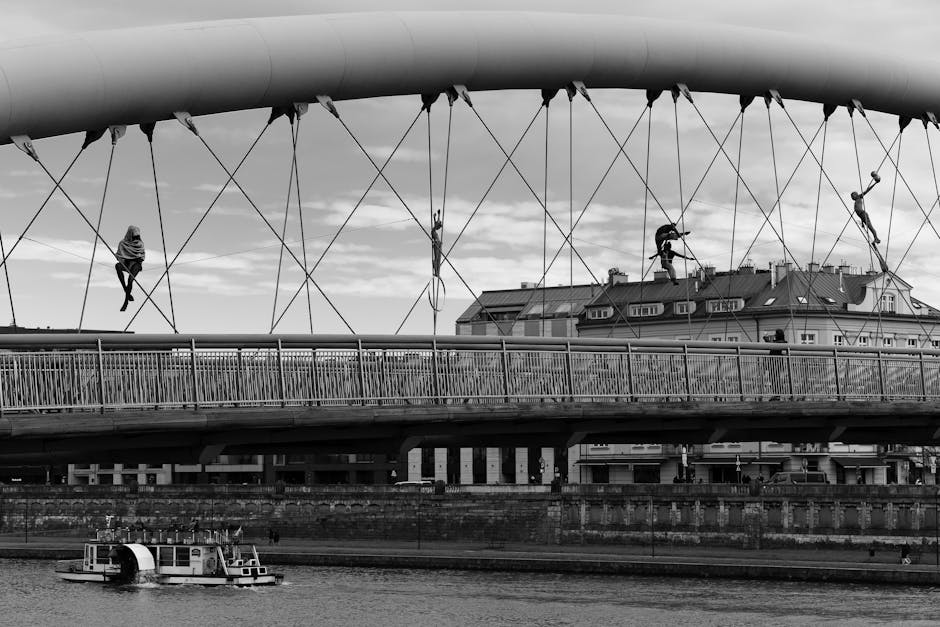
Discover Krakow’s creative soul in Zabłocie, exploring industrial heritage, contemporary art museums, and avant-garde architecture at your own pace.
 Easy
EasyGdansk, Poland
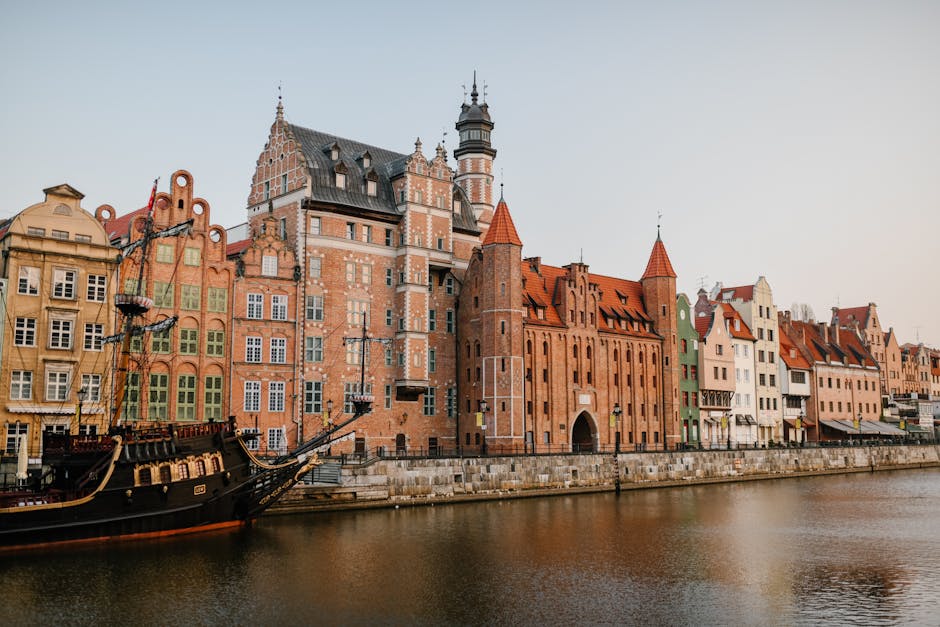
Discover the 'Baltic Gold' on this self-guided walk through Gdansk's historic mills, massive cathedrals, and the magical Mariacka Street.
 Easy
EasyWarsaw, Poland
Explore Warsaw's scenic riverfront, rooftop gardens, and industrial-chic architecture on this self-guided stroll through the Powiśle district.
 Easy
EasyNashville, United States
Explore the 'Athens of the South' on this self-guided walk through Centennial Park, featuring the world's only full-scale Parthenon replica.
 Easy
EasyNashville, United States
Explore Nashville's academic heart and Art Deco gems on this self-guided walk through historic Hillsboro Village.
 Easy
EasyNashville, United States
Explore the heart of Nashville's music industry. Discover iconic studios and the history of the legendary Nashville Sound at your own pace.
 Easy
EasyNashville, United States
Explore Nashville's oldest neighborhood! Discover Victorian architecture, Civil War history, and world-class craft beer on this self-guided walk.