Self-guided audio tour in Portland
Start Free on iPhone
Start free on iPhone to unlock this self-guided walking tour in Portland. Hear all the stories that make it amazing, walk at your own pace, and begin whenever you want.
Your Private Tour Guide
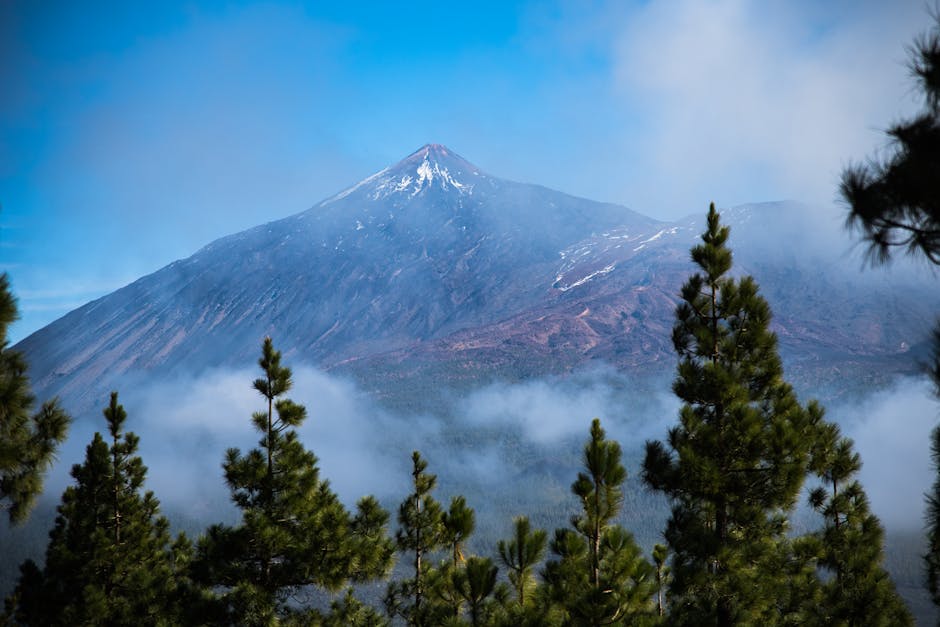
Portland is one of the few cities in the United States that can claim a volcano within its municipal limits. This self-guided adventure takes you on an ambitious journey across the 'City of Roses,' bridging the gap between its urban heart and its most dramatic natural landmarks. You will begin in the bustling center of the city before climbing into the lush West Hills, where world-class gardens offer a serene escape. The route then crosses the Willamette River to the historic neighborhoods of Southeast Portland, culminating in a trek up the cinder cone of Mt. Tabor. Throughout this walking route, you will encounter the diverse layers of Portland’s history. From the architectural grandeur of the Pittock Mansion to the meticulously manicured rows of the International Rose Test Garden, each stop reveals a different side of the city's character. As you navigate from the Waterfront to the heights of the volcanic park, you will see how the city has integrated its wild landscapes into its urban design. This experience is perfect for those who want to see more than just the downtown core, offering a comprehensive look at the greenery and geology that define the Pacific Northwest. While this walking tour Portland enthusiast’s dream covers significant ground, it is designed to be explored at your own pace. You can choose to tackle the entire route in a single day or break it into segments. The highlight is undoubtedly the ascent of Mt. Tabor, where historic open-air reservoirs and panoramic views of the city and Mt. Hood await. Unlike a typical guided tour Portland visitors might find, this self-guided walk allows you the flexibility to linger in a rose garden or pause for a coffee in a leafy neighborhood without a schedule holding you back. Prepare for a day of discovery as you uncover the volcanic vistas that make Portland truly unique.
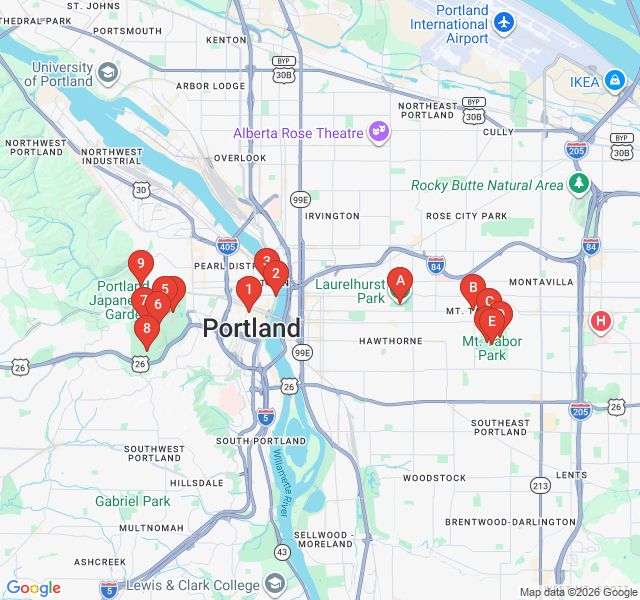
Numbers indicate the order of stops on the tour.
Welcome to 'Portland’s Living Room.' This brick-paved square was once the site of the city’s first grand hotel and later a parking garage before being reclaimed as a public space in 1984. Look for the 'Weather Machine' sculpture, which predicts the daily forecast with a series of whimsical figures. The square is paved with thousands of personalized bricks, each telling a small story of the residents who helped fund the project. As the central hub of downtown, it’s the perfect place to start your self-guided walk and observe the daily rhythm of the city.
Stretching along the Willamette River, this park is a testament to Portland's commitment to public space. It replaced a major highway in the 1970s, a move championed by Governor Tom McCall. Today, it serves as a venue for festivals and a favorite spot for joggers. If you visit in early spring, the Japanese Cherry Blossoms at the north end create a stunning pink canopy. The park offers views of several of Portland’s iconic bridges, including the steel-truss Hawthorne Bridge and the double-decker Steel Bridge.
Step into a Ming Dynasty-style oasis in the heart of Old Town. Built in collaboration with Portland's sister city, Suzhou, Lan Su is much more than a botanical garden; it is a 'garden of awakening orchids.' The architecture, rocks, and plants were all chosen to create a harmonious balance. As you wander the winding paths, notice how the 'leak windows' frame specific views of the garden, creating living paintings. It is a quiet retreat that feels worlds away from the surrounding urban environment.
Portland is known as the City of Roses, and this garden is its crowning jewel. Established in 1917, it is the oldest continuously operating public rose test garden in the United States. During World War I, rose lovers in Europe sent their plants here to protect them from the ravages of the conflict. Today, thousands of rose bushes bloom here from May through September. On a clear day, the view from the Queen’s Pavilion across the rose beds toward Mt. Hood is one of the most photographed spots in the state.
Considered one of the most authentic Japanese gardens outside of Japan, this site offers five distinct garden styles over 12 acres. From the tranquil Strolling Pond Garden to the minimalist Sand and Stone Garden, every element is designed to foster a sense of peace and harmony. The Cultural Village, designed by world-renowned architect Kengo Kuma, provides a space for traditional Japanese arts and crafts. The garden is a masterful example of how nature and human design can coexist in perfect stillness.
Washington Park is the primary destination for nature lovers in the West Hills. While it houses the gardens you've just seen, the park itself is a massive 410-acre expanse of forest and trails. Originally purchased by the city in 1871, it has grown into a world-class park system. As you walk through, you’ll find monuments like the Oregon Holocaust Memorial and the Vietnam Veterans of Oregon Memorial. The park acts as a green lung for the city, connecting the urban core to the wilder reaches of the Tualatin Mountains.
Known as Portland's 'living museum' of trees, the Hoyt Arboretum spans 189 acres and features over 2,300 species of trees and shrubs from around the world. Founded in 1928 to conserve endangered species, it is a research facility as much as a park. The trails here are categorized by tree family, allowing you to walk through groves of redwoods, maples, and magnolias. It is a vital resource for global tree conservation and a spectacular place for a woodland stroll.
The Oregon Zoo is the oldest zoo west of the Mississippi, founded in 1888. It began with a private animal collection donated to the city and has since become a leader in conservation and animal welfare. The zoo is particularly famous for its elephant program and its work with the endangered California Condor. Even if you don't go inside, the zoo’s location in the hills is a significant part of Portland’s history, as it required the construction of a unique tunnel and elevator system for the light rail station.
Perched 1,000 feet above the city, this French Renaissance-style chateau was built in 1914 for Henry Pittock, the publisher of The Oregonian newspaper. The mansion is a marvel of early 20th-century technology, featuring an intercom system and indirect lighting. While the interior is stunning, the real draw is the backyard. From the viewpoint, you can see five different volcanoes in the Cascade Range on a clear day. It represents the height of Portland's early wealth and its enduring love for the surrounding landscape.
Crossing over to the East Side, Laurelhurst Park is a masterpiece of the Olmsted Brothers' landscape design. Listed on the National Register of Historic Places, it was once a dairy farm before being transformed into a park in 1909. Centered around a picturesque pond with a resident population of ducks and turtles, the park features rolling hills and a massive canopy of mature trees. It is a quintessential Portland neighborhood park, where locals gather for picnics, outdoor movies, and summer concerts.
You are now standing on a dormant cinder cone volcano. Mt. Tabor is part of the Boring Lava Field, a network of over 30 volcanic vents in the Portland area. Though the volcano hasn't erupted in over 300,000 years, its presence gives Portland its unique topography. From the summit, you have an unobstructed view of downtown Portland and the West Hills where you started your journey. Looking east, the massive silhouette of Mt. Hood dominates the horizon, a reminder of the region's powerful geological forces.
Nestled into a natural bowl on the side of the volcano, the Mt. Tabor Amphitheater is a beloved community gathering spot. Throughout the summer, this space hosts the Adult Soapbox Derby, outdoor concerts, and theater performances. The seating is integrated into the hillside, making it a perfect spot to rest and enjoy the shade. The amphitheater highlights the way Portlanders utilize their volcanic landscape for recreation and community connection.
As you descend, you will encounter the historic open-air reservoirs. Reservoir 1, built in 1894, is a stunning example of Victorian-era engineering and masonry. These reservoirs were once the primary storage for Portland’s drinking water, sourced from the Bull Run Watershed. While they are no longer used for active water storage due to federal regulations, they remain historic landmarks and are cherished for their reflective beauty and the intricate ironwork of their fences.
Standing near the summit of Mt. Tabor is a statue of Harvey W. Scott, a long-time editor of The Oregonian. Sculpted by Gutzon Borglum (who also carved Mt. Rushmore), the statue depicts Scott pointing toward the city he helped shape. Scott was a powerful and often controversial figure in Oregon politics and journalism. The statue has been a focal point for local discussions about history and representation, reflecting the evolving social landscape of the city.
This is the largest and lowest of the historic reservoirs on Mt. Tabor. Like its counterparts uphill, it features beautiful stonework and serves as a serene reflecting pool. The path around Reservoir 5 is a favorite for local walkers. From here, you can see how the volcanic slopes transition into the residential streets of the Mt. Tabor neighborhood. This stop concludes your cross-city journey, leaving you at the base of the volcano with easy access to the cafes and shops of Southeast Portland.
Start Free on iPhone
Explore “Volcanic Vistas of Mt. Tabor” with your very own Private Tour Guide with Zigway. Start free on iPhone, skip the large group and the fixed routes, and hear the city come alive as you go.
Your Private Tour Guide
Don't miss the good stuff
Explore Freely
 Moderate
Portland, United States
Explore Portland’s iconic 'Bridgetown' identity on this self-guided walk across historic spans and scenic riverfront paths.
 Easy
EasyPortland, United States
Explore Portland's literary soul on this self-guided walk through legendary bookstores, historic libraries, and iconic architectural landmarks.
 Easy
EasyPortland, United States
Explore Portland's eerie history and hidden underground legends on this self-guided audio walk through the haunted streets of Old Town.
 Moderate
Portland, United States
Discover Portland's botanical soul on this self-guided walk through Washington Park’s world-famous rose and Japanese gardens.
 Easy
EasyWarsaw, Poland
Explore Warsaw's scenic riverfront, rooftop gardens, and industrial-chic architecture on this self-guided stroll through the Powiśle district.
 Moderate
Nairobi, Kenya
Discover Nairobi's lush side on this self-guided walk through botanical gardens, historic memorials, and vibrant local markets.
 Moderate
Nairobi, Kenya
Discover the pulse of Nairobi's contemporary art scene on this self-guided walk through the galleries and creative spaces of Kilimani.
 Moderate
Krakow, Poland
Discover Krakow’s stunning skyline and riverside charm on this self-guided audio walk through scenic viewpoints and historic mounds.
 Easy
EasyNashville, United States
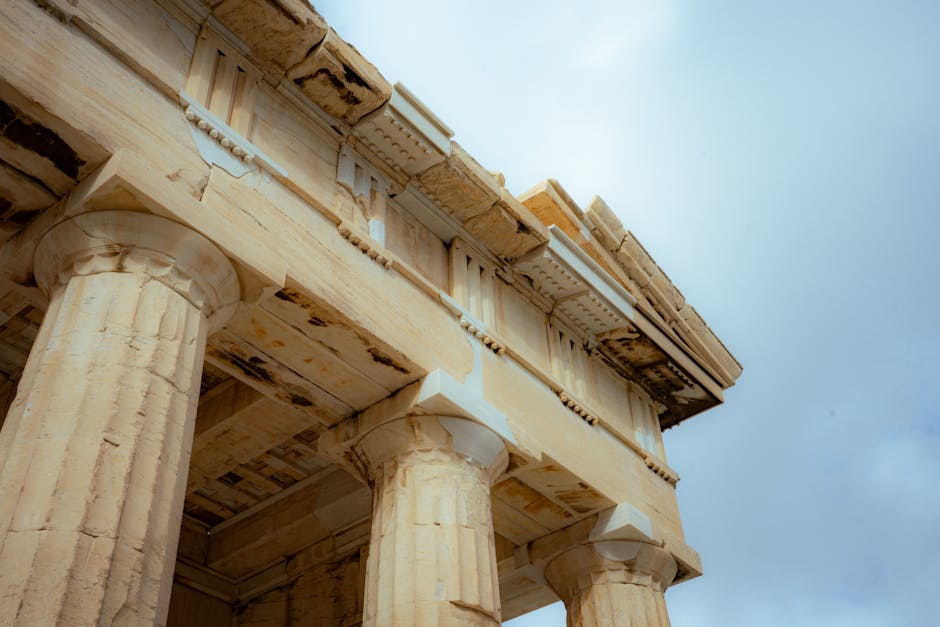
Explore the 'Athens of the South' on this self-guided walk through Centennial Park, featuring the world's only full-scale Parthenon replica.
 Easy
EasyNashville, United States
Explore Nashville's academic heart and Art Deco gems on this self-guided walk through historic Hillsboro Village.
 Easy
EasyNashville, United States
Explore the heart of Nashville's music industry. Discover iconic studios and the history of the legendary Nashville Sound at your own pace.
 Easy
EasyNashville, United States
Explore Nashville's oldest neighborhood! Discover Victorian architecture, Civil War history, and world-class craft beer on this self-guided walk.