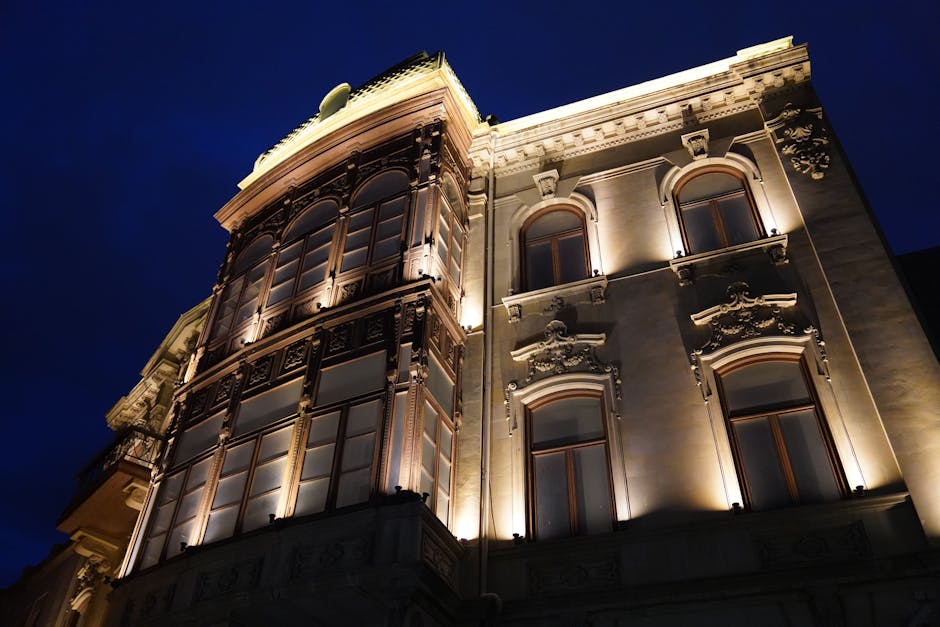
Self-guided audio tour in Austin
Start Free on iPhone
Start free on iPhone to unlock this self-guided walking tour in Austin. Hear all the stories that make it amazing, walk at your own pace, and begin whenever you want.
Your Private Tour Guide
Austin may be famous today for its live music and high-tech boom, but the heart of the city still beats with the elegance of the Gilded Age. This self-guided walk through Old West Austin invites you to explore a landscape of grand Victorian mansions, historic public spaces, and unique urban relics that defined the Texas capital in the late 19th century. As you follow this neighborhood stroll, you will transition from the bustling downtown edges into the serene, tree-lined streets where Austin’s early elite built their dream homes. The journey begins at the North-Evans Mansion, a stunning example of Renaissance Revival architecture that now serves as a pillar of the local community. From there, you will encounter one of Austin's most curious landmarks: a Moonlight Tower. These 165-foot iron structures are the only remaining functional light towers of their kind in the world, once providing a moonlight-like glow to the city streets before modern streetlighting existed. As you move further into the residential blocks, the Caswell House reveals the transition from Victorian ornate styles to Neoclassical influences, showcasing the evolving tastes of the city's merchant class. This walking route also explores the social side of historic Austin. You will visit The Tavern, a Tudor-style landmark that has stood at the corner of 12th and Lamar since the 1930s, offering a glimpse into the city's prohibition-era lore. The route then dips into the natural beauty of Pease Park, the oldest public park in Texas, which served as a recreational escape for the families living in these grand estates. Finally, the walk concludes at the Bremond Block Historic District. This rare enclave features a collection of homes built by members of a single family, representing some of the finest examples of French Second Empire and Victorian architecture in the American South. Whether you are an architecture enthusiast or a history buff, this audio walk provides a peaceful, independent way to discover the timeless charm and hidden stories of West Austin.
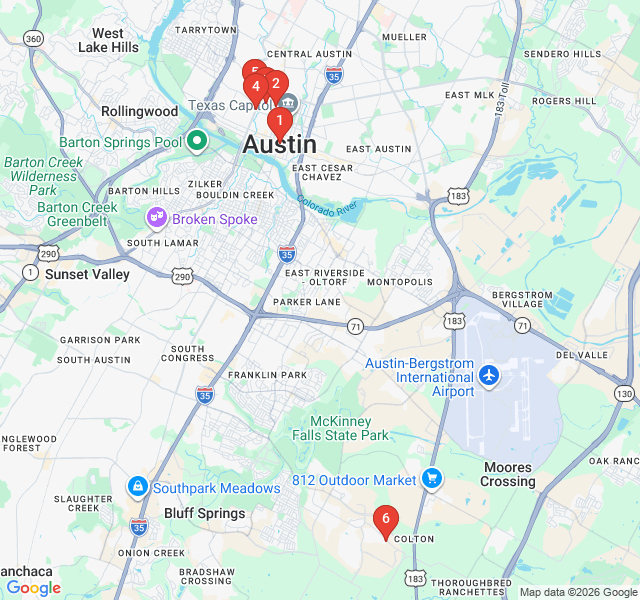
Numbers indicate the order of stops on the tour.
Welcome to the North-Evans Mansion, also known as the Austin Woman’s Club. Built in 1874, this home is a masterclass in Victorian elegance with a Renaissance Revival twist. Notice the intricate stonework and the grand proportions that signaled the wealth of its original owner, Harvey North. By the late 1800s, Major Ira Evans, a Civil War hero and businessman, expanded the home, adding the ornate details you see today. Since 1929, it has been the home of the Austin Woman’s Club, which has painstakingly preserved its historic character. It stands as a gateway to the residential history of West Austin, representing the shift from a frontier town to a sophisticated state capital.
Standing tall above you is a true Austin icon: a Moonlight Tower. In the 1890s, Austin purchased 31 of these 165-foot tall iron towers to illuminate the city. At the time, they were considered a cutting-edge urban safety feature, casting a 'moonlight' glow over a 1,500-foot radius. While most cities dismantled their towers as streetlights became common, Austin preserved 17 of them. This tower at 9th and Guadalupe is part of the only surviving system of moonlight towers in the world. They are so beloved that they are listed on the National Register of Historic Places and even earned a starring role in local film culture.
The Daniel H. Caswell House, built in 1900, marks a transition in architectural taste. While it retains the asymmetrical massing common in Victorian homes, you can see the emerging influence of Neoclassical style in its prominent columns and wrap-around porch. Daniel Caswell was a cotton mogul who moved to Austin from Kansas, and his home became a center for high society. Today, it is managed by the Austin Junior Forum. As you look at the exterior, imagine the garden parties and social gatherings that took place here at the turn of the century, helping to establish West Austin as the city's premier residential district.
At the corner of 12th and Lamar stands The Tavern, a building that looks like it was plucked from an English village. Built in 1933, its Tudor Revival architecture—characterized by half-timbering and steep gables—stands out against the Texas landscape. Originally designed to be a grocery store and luxury steakhouse, it has a colorful history that includes rumors of a secret speakeasy during the final days of Prohibition. Local legend also suggests the building is haunted by a ghost named Emily. Whether or not you believe in spirits, the building remains one of the most recognizable historic commercial structures in the neighborhood.
Step into the green lungs of West Austin at Pease Park. This land was donated to the city in 1875 by Governor Elisha M. Pease and is officially the oldest public park in Texas. For the residents of the nearby Victorian mansions, this was their backyard. The park follows Shoal Creek and has been a site for community gatherings for nearly 150 years. While you explore, keep an eye out for the historic limestone walls and picnic tables built by the Civilian Conservation Corps in the 1930s. It’s a perfect example of how Austin’s historic development always left room for nature and public space.
You are now standing in the Bremond Block, one of the most remarkable historic districts in the United States. What makes this block unique is that nearly all the homes were built for members of the same family—the Bremonds and their relatives—between 1870 and 1910. The families were prominent bankers and merchants who shaped Austin’s economy. As you walk the perimeter, look for the John Bremond Jr. House with its elaborate cast-iron wrap-around porch, a hallmark of Victorian luxury. This district is a rare 'time capsule' where the scale and style of the 19th-century elite have been perfectly preserved in the shadow of modern skyscrapers.
Start Free on iPhone
Explore “Victorian Elegance: Old West Austin Architecture” with your very own Private Tour Guide with Zigway. Start free on iPhone, skip the large group and the fixed routes, and hear the city come alive as you go.
Your Private Tour Guide
Don't miss the good stuff
Explore Freely
 Easy
EasyAustin, United States
Explore the power and prestige of Austin’s history on this self-guided walk from the Driskill Hotel to the Texas State Capitol.
 Moderate
Austin, United States
Discover the vibrant murals, legendary jazz history, and creative soul of East Austin on this flexible self-guided audio walk.
 Moderate
Austin, United States
Uncover the resilient history and cultural legacy of East Austin on this self-guided walk through historic landmarks and sacred sites.
 Moderate
Austin, United States
Explore the soul of Austin on this self-guided walk through Zilker Park’s iconic springs, hidden sculpture gardens, and lush botanical paths.
 Easy
EasyNairobi, Kenya
Discover Nairobi's iconic skyline on this self-guided architecture walk through the CBD’s most famous modernist and Brutalist landmarks.
 Easy
EasyKrakow, Poland
Explore the prestigious Jagiellonian University district, featuring Neo-Gothic architecture, Baroque churches, and Krakow's hidden scholarly gems.
 Easy
EasyGothenburg, Sweden
Explore Gothenburg's elegant academic district, featuring grand 19th-century stone architecture and the iconic cultural hub of Götaplatsen.
 Easy
EasyGothenburg, Sweden
Discover Gothenburg’s 17th-century Dutch foundations, historic canals, and military fortifications on this self-guided architectural walk.
 Easy
EasyNashville, United States
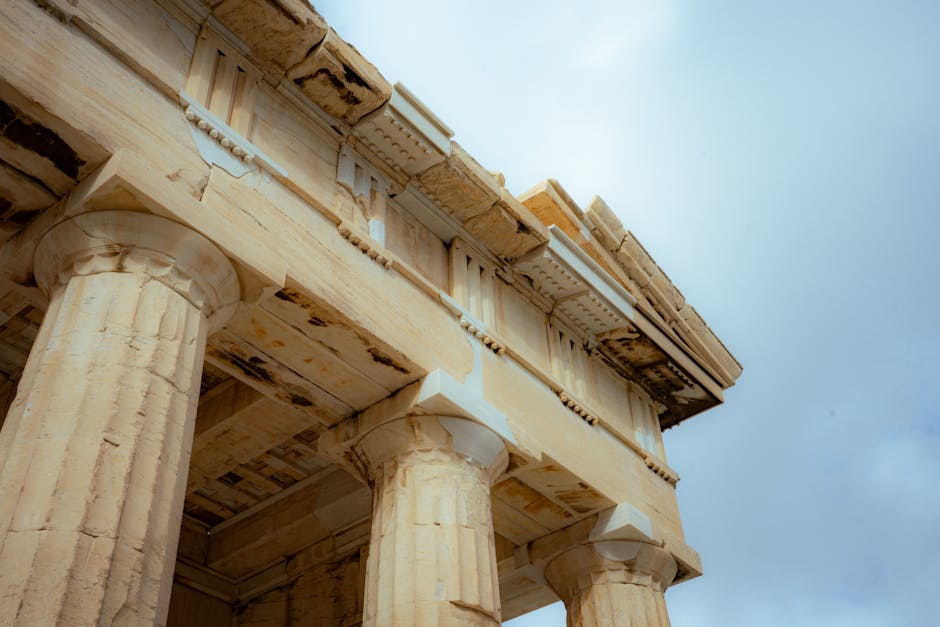
Explore the 'Athens of the South' on this self-guided walk through Centennial Park, featuring the world's only full-scale Parthenon replica.
 Easy
EasyNashville, United States
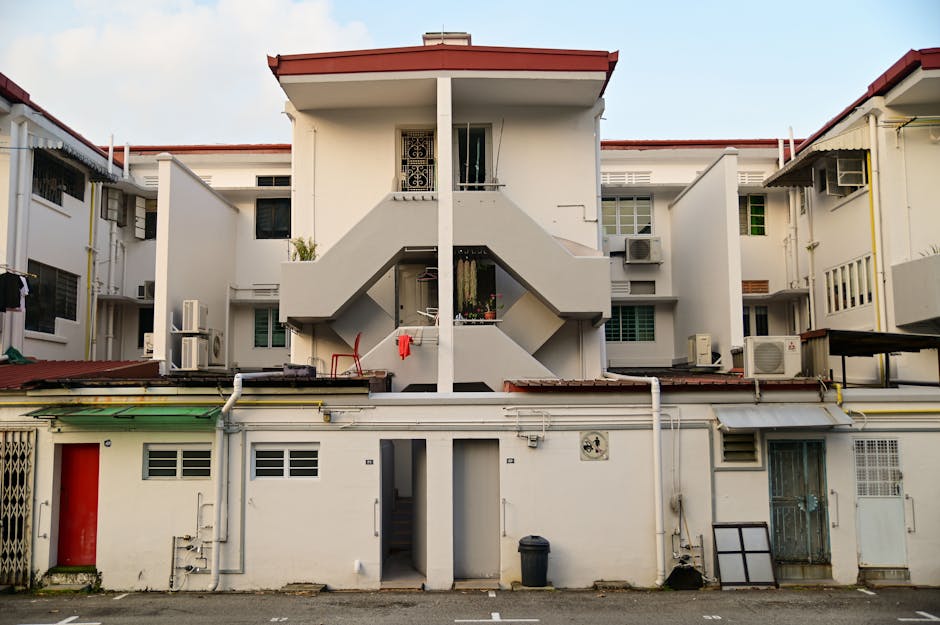
Explore Nashville's academic heart and Art Deco gems on this self-guided walk through historic Hillsboro Village.
 Easy
EasyNashville, United States
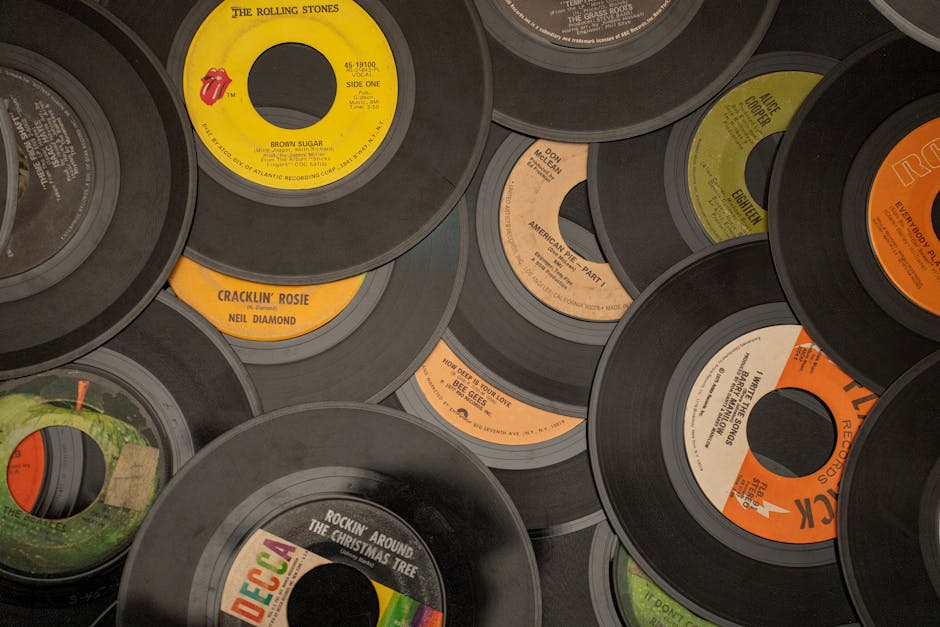
Explore the heart of Nashville's music industry. Discover iconic studios and the history of the legendary Nashville Sound at your own pace.
 Easy
EasyNashville, United States
Explore Nashville's oldest neighborhood! Discover Victorian architecture, Civil War history, and world-class craft beer on this self-guided walk.