Self-guided audio tour in Austin
Start Free on iPhone
Start free on iPhone to unlock this self-guided walking tour in Austin. Hear all the stories that make it amazing, walk at your own pace, and begin whenever you want.
Your Private Tour Guide
East Austin is a neighborhood defined by its deep roots and resilient spirit. This self-guided walking tour Austin explores the profound legacy of the city's Black community, tracing a history that moved from the forced segregation of the early 20th century to the creation of a vibrant cultural hub. As you walk these streets, you will encounter the landmarks that served as the backbone of the African American experience in Central Texas, from historic educational institutions to sacred grounds and cultural preservation centers. This walking tour Austin provides a deep dive into the stories of the people who built this city despite systemic challenges. The route begins at the George Washington Carver Museum, a cornerstone of heritage that highlights the achievements of Black Austinites. You will explore the hallowed grounds of the Texas State Cemetery, the final resting place for civil rights icons like Barbara Jordan, and ascend the hill to Huston-Tillotson University, Austin's oldest institution of higher learning. Along the way, the narration explains the impact of the 1928 Master Plan, which designated East Austin as the city's 'Negro District,' and how the community transformed this area into a center for business, jazz, and social life. You will also pass through the African American Cultural Heritage District, seeing how historic sites coexist with the neighborhood's modern evolution. From the aromatic corners of Franklin BBQ to the quiet, reflective paths of Oakwood Cemetery, this self-guided walk offers an intimate look at the soul of the East Side. It is a journey of remembrance and celebration, designed for those who want to understand the true character of Austin beyond the surface-level attractions.
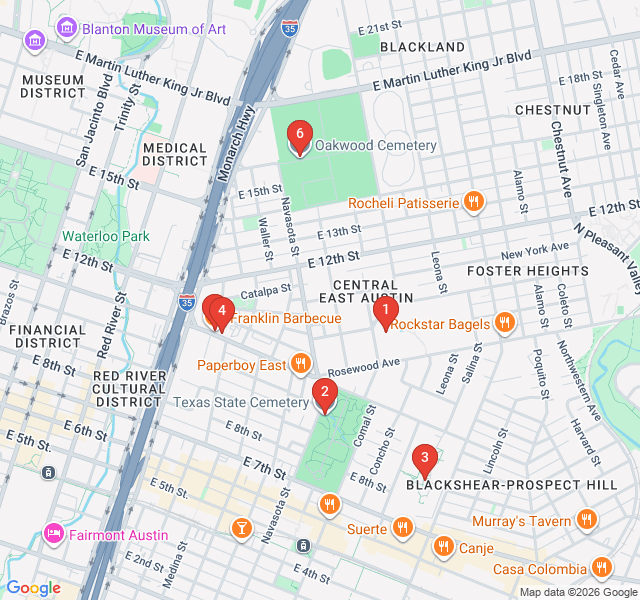
Numbers indicate the order of stops on the tour.
Start your journey at the George Washington Carver Museum, Cultural and Genealogy Center. This was the first neighborhood museum in Texas dedicated to the African American experience. Originally housed in the city's first library for Black citizens, the current facility is a massive tribute to the community's past, present, and future. As you explore, consider the 'Juneteenth' galleries, which detail the delayed arrival of the news of emancipation in Texas. This site isn't just a museum; it is a community anchor that preserves the stories of those who turned the segregated East Side into a thriving cultural epicenter. The museum serves as a vital reminder of the intellectual and artistic contributions of Black Austinites.
A short walk brings you to the Texas State Cemetery, often called the 'Arlington of Texas.' While it holds many governors and military figures, it is also the final resting place of Barbara Jordan, the first Southern African American woman elected to the United States House of Representatives. Her monument here is a significant site of pilgrimage. Walking through these 22 acres, you can trace the complex political history of the state. The cemetery was originally established in 1851 and has evolved into a place of high honor. Notice the varying styles of monuments that reflect the different eras of Texas leadership and the slow, necessary expansion of who is recognized in the state's official history.
Ascend the hill to reach Huston-Tillotson University, a private Historically Black University (HBCU) with roots dating back to 1875. This campus sits on Bluebonnet Hill, which was once the site of the Tillotson Collegiate and Normal Institute. As Austin's oldest institution of higher learning, HTU has been a beacon of academic excellence for generations. It played a crucial role during the Jim Crow era, providing education and leadership training when other institutions were closed to Black students. The campus architecture and the view of the downtown skyline from this vantage point offer a physical representation of the university's enduring presence and its oversight of the city's changing landscape.
You are now in the heart of the African American Cultural Heritage District. This area was formally designated to protect and celebrate the history of the 'Negro District' created by the 1928 Master Plan. That plan forcibly moved Black residents and services from across the city to this specific geographic area by denying them city services elsewhere. In response, the community built a 'city within a city' here, with its own doctors, lawyers, and legendary jazz clubs like the nearby Victory Grill. As you walk, look for the historical markers that identify significant sites of Black entrepreneurship and social life that flourished despite the systemic segregation imposed upon them.
While most people know Franklin BBQ for its world-famous lines and James Beard Award-winning brisket, its location is deeply significant. It sits on the edge of the historic district, where the culinary traditions of the South have long been a staple of community life. Barbecue in Texas has deep roots in African American history, often originating from communal gatherings and the expertise of Black pitmasters. Even if you aren't waiting for a meal today, the site represents the modern commercial success of the East Side while sitting on the foundations of the neighborhood's long-standing food culture. It is a place where the old and new Austin intersect daily.
Conclude your walk at Oakwood Cemetery, Austin's oldest city-owned cemetery, established in 1839. This site offers a somber look at the city's racial history. The 'Old Grounds' or the 'Section 4' area was historically where African Americans, Mexican Americans, and the indigent were buried, often in unmarked graves or separated from the white sections. Recent archaeological projects here have worked to identify and honor those buried in these forgotten sections. As you walk the paths, the contrast in monument styles and the layout of the grounds provide a silent but powerful testimony to the social hierarchies of 19th and early 20th-century Austin. It is a place of deep historical reflection.
Start Free on iPhone
Explore “Soul of the East Side: African American Heritage” with your very own Private Tour Guide with Zigway. Start free on iPhone, skip the large group and the fixed routes, and hear the city come alive as you go.
Your Private Tour Guide
Don't miss the good stuff
Explore Freely
 Easy
EasyAustin, United States
Step back into Austin's Gilded Age on this self-guided walk featuring Victorian mansions, historic parks, and the iconic Moonlight Towers.
 Easy
EasyAustin, United States
Explore the power and prestige of Austin’s history on this self-guided walk from the Driskill Hotel to the Texas State Capitol.
 Moderate
Austin, United States
Discover the vibrant murals, legendary jazz history, and creative soul of East Austin on this flexible self-guided audio walk.
 Moderate
Austin, United States
Explore the soul of Austin on this self-guided walk through Zilker Park’s iconic springs, hidden sculpture gardens, and lush botanical paths.
 Moderate
Gdansk, Poland
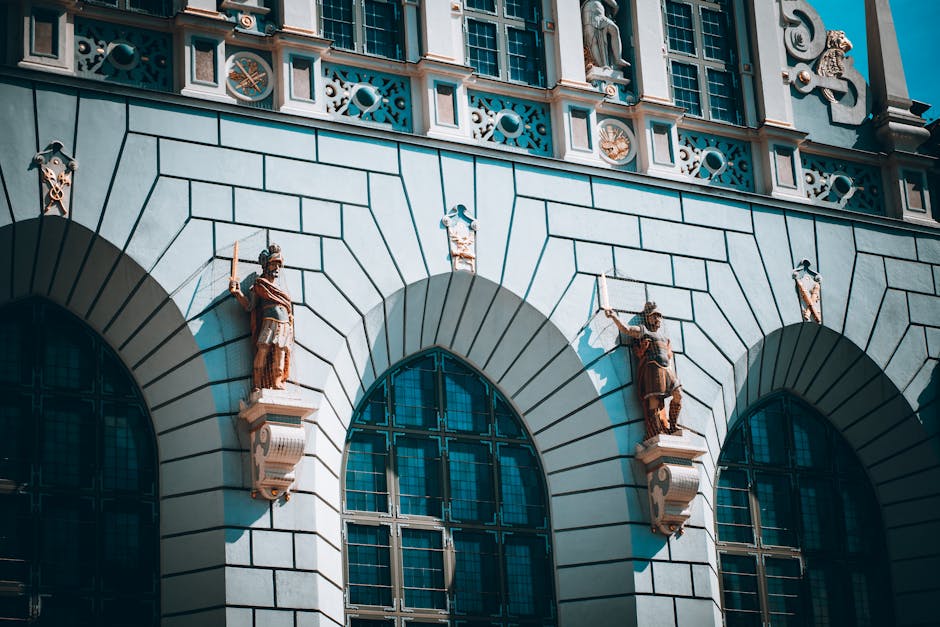
Discover the origins of WWII in Gdansk on this self-guided walk through heroic last stands, massive museums, and strategic hilltop fortifications.
 Easy
EasyNairobi, Kenya
Discover Nairobi’s literary soul on this self-guided walk through historic libraries, iconic bookshops, and cultural centers in the heart of the CBD.
 Easy
EasyKrakow, Poland
Explore the prestigious Jagiellonian University district, featuring Neo-Gothic architecture, Baroque churches, and Krakow's hidden scholarly gems.
 Moderate
Gdansk, Poland
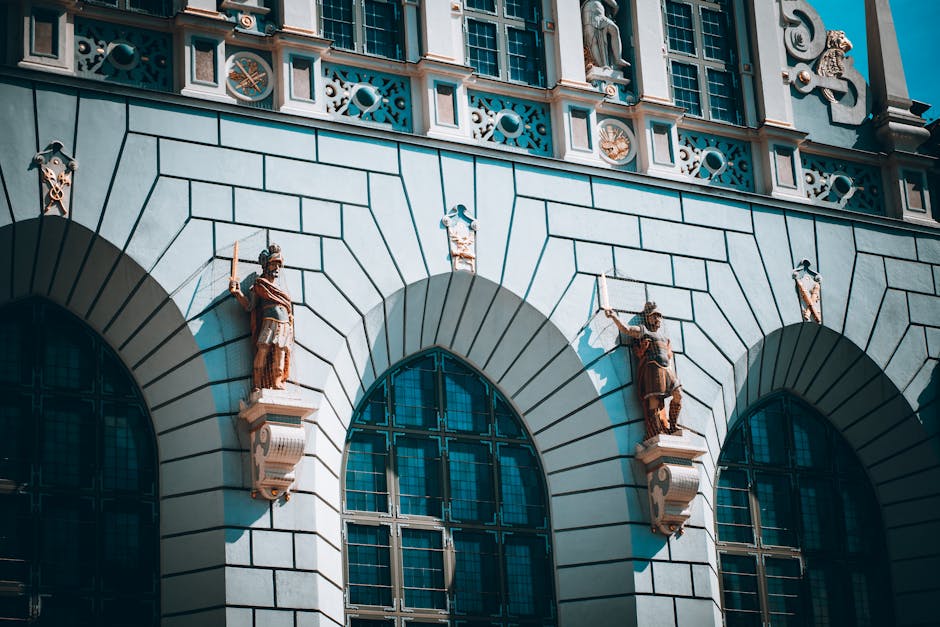
Discover Zaspa, a massive open-air gallery where grey housing blocks are transformed by over 60 monumental murals. Explore at your own pace.
 Easy
EasyNashville, United States
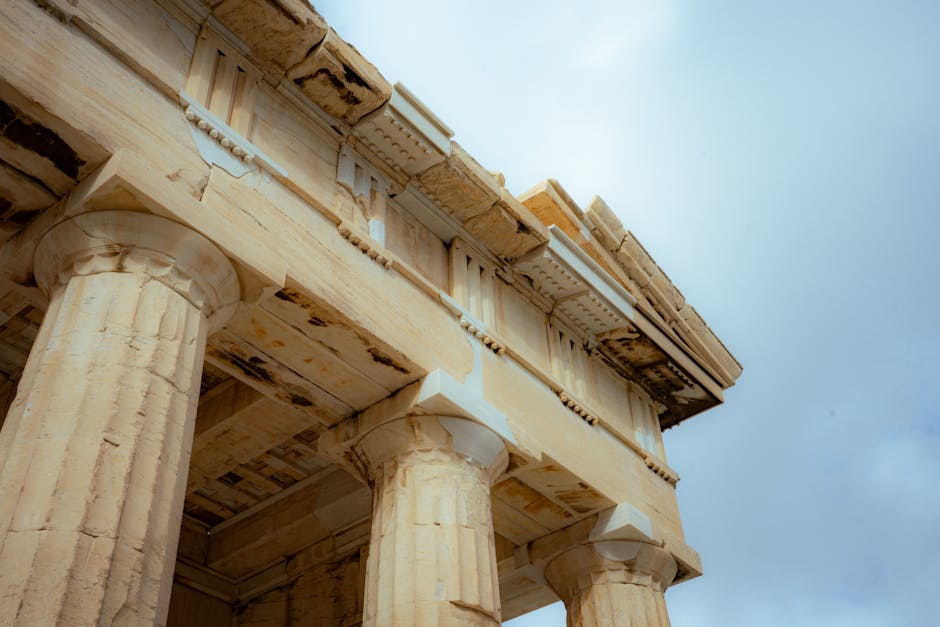
Explore the 'Athens of the South' on this self-guided walk through Centennial Park, featuring the world's only full-scale Parthenon replica.
 Easy
EasyNashville, United States
Explore Nashville's academic heart and Art Deco gems on this self-guided walk through historic Hillsboro Village.
 Easy
EasyNashville, United States
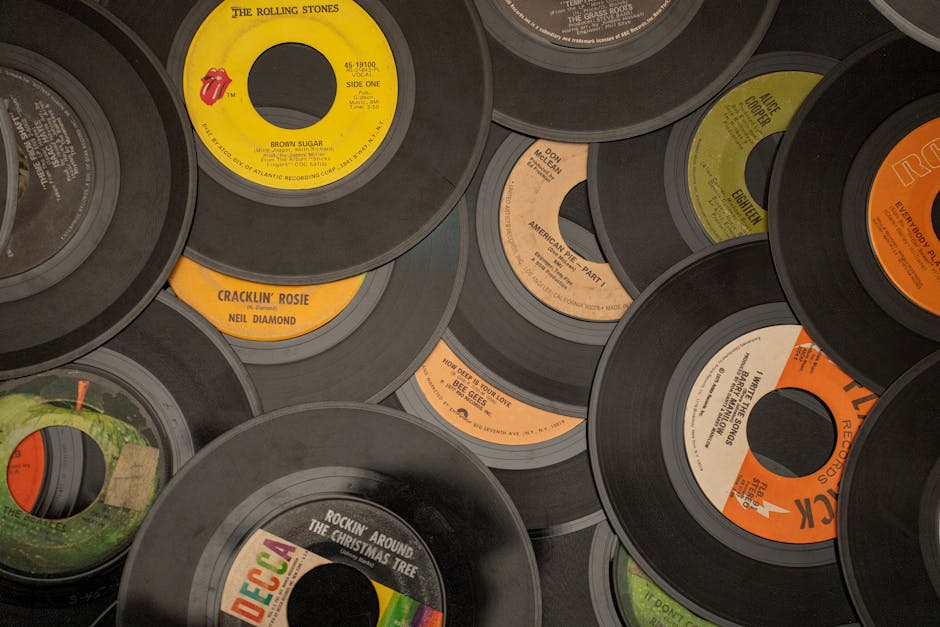
Explore the heart of Nashville's music industry. Discover iconic studios and the history of the legendary Nashville Sound at your own pace.
 Easy
EasyNashville, United States
Explore Nashville's oldest neighborhood! Discover Victorian architecture, Civil War history, and world-class craft beer on this self-guided walk.