Self-guided audio tour in Cluj-Napoca
Start Free on iPhone
Start free on iPhone to unlock this self-guided walking tour in Cluj-Napoca. Hear all the stories that make it amazing, walk at your own pace, and begin whenever you want.
Your Private Tour Guide
While Cluj-Napoca is often celebrated for its colorful Baroque facades and medieval history, a starker, more imposing legacy lies just beneath the surface. This self-guided walk invites you to look beyond the Transylvanian charm and explore the concrete footprints of the Socialist era. From the massive housing experiments of the Ceaușescu regime to the sleek, optimistic modernism of the 1960s, this neighborhood stroll reveals how architecture was used to reshape society and create the 'New Man.' You will discover a side of the city that is often overlooked by tourists but is fundamental to understanding modern Romania. The route begins in the heart of the city, where Socialist planning attempted to frame national heroes with monolithic apartment blocks. As you move toward the Mărăști district, the scale of the ambition becomes clear: entire neighborhoods were razed and rebuilt to house the growing industrial workforce. Along the way, this walking tour Cluj-Napoca highlights the contrast between the functionalist 'Brutalist' aesthetic and the earlier, more decorative Socialist Modernism. You will see how public spaces like Cinema Victoria and the Someșul Department Store were designed to serve the collective rather than the individual. This audio walk is not just about concrete; it is about the stories of the people who lived, worked, and shopped within these structures. You will learn about the 'Systematization' policy that forever changed the urban fabric of Romania and see how these buildings have been reclaimed and repurposed in the post-1989 era. Whether you are an architecture enthusiast or a history buff, this walking route offers a unique perspective on the ideological struggle etched into the very skyline of Cluj-Napoca. Start exploring with Zigway and see the city through a different lens, moving at your own pace through the socialist shadows.
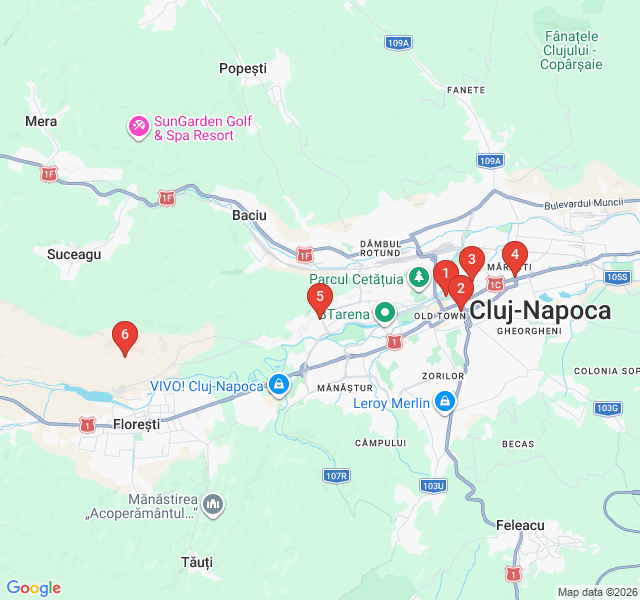
Numbers indicate the order of stops on the tour.
Begin your self-guided adventure at the feet of Mihai Viteazu, the prince who briefly united the Romanian principalities in 1600. While the statue itself dates to the 1970s, pay close attention to the buildings surrounding the square. During the Socialist era, urban planners redesigned this space to serve as a massive civic center. The apartment blocks here were built to create a sense of scale and power, framing the national hero within a modern, industrialized context. This square represents the transition from the old city to the 'systematized' vision of the Communist regime.
Cinema Victoria is a prime example of 1960s Socialist Modernism. Unlike the heavy, gray Brutalism that would come later, the 60s were a period of relative 'thaw' and architectural optimism in Romania. Notice the clean lines and the use of glass, designed to feel accessible and progressive. In an era where media was tightly controlled, the cinema was a vital social hub. Even today, it remains one of the city's most beloved cultural venues, preserving its original purpose while the world around it has changed dramatically.
Standing before the Prefecture, you see the intersection of different architectural eras. While the core building has Neo-Romanian roots, the surrounding administrative complex and the way the plaza was redeveloped in the late 20th century speak to the Socialist desire for monumentalism. This area was the seat of regional power, and the architecture was meant to reflect the stability and authority of the state. Look for the repetitive geometric patterns and the sheer verticality that characterize the administrative buildings of the 1970s and 80s.
Step into the heart of Mărăști, a neighborhood that epitomizes Ceaușescu's 'Systematization' policy. In the 1970s and 80s, thousands of traditional houses were demolished to make way for these massive concrete blocks. The goal was to provide standardized housing for the workers of the nearby factories. While they may seem uniform, look closely at the balconies and rooflines to see small architectural flourishes. These 'living machines' were designed to foster a collective lifestyle, though today they have been personalized by generations of residents with colorful paint and glass enclosures.
The Radio Cluj building is a hidden gem of Socialist architecture. Built in the late 1960s, its design is strikingly different from the residential blocks you've just seen. Its curved elements and distinctive facade were meant to symbolize the cutting-edge nature of radio technology. As a state-run media outlet, it played a crucial role in disseminating official information, but it was also a place of artistic production. The building's modernist aesthetic stands as a reminder of a time when Romanian architects were looking to international trends for inspiration.
Your walk concludes at the Someșul Department Store. In the Socialist era, this was the 'temple of consumption.' While the selection of goods was often limited, the architecture of the department store was grand and modern, designed to showcase the progress of the state's economy. The building's large glass windows and open floors were a departure from the cramped shops of the old town. Today, it remains a commercial hub, though its Brutalist-leaning facade now competes with modern advertising, highlighting the shift from state-controlled commerce to the free market.
Start Free on iPhone
Explore “Brutalist Lines and Socialist Shadows” with your very own Private Tour Guide with Zigway. Start free on iPhone, skip the large group and the fixed routes, and hear the city come alive as you go.
Your Private Tour Guide
Don't miss the good stuff
Explore Freely
 Easy
EasyCluj-Napoca, Romania
Explore Cluj's surreal steampunk bars and underground jazz scene on this immersive self-guided night walk.
 Easy
EasyCluj-Napoca, Romania
Discover the lush side of Cluj-Napoca on this self-guided walk through botanical wonders, historic parks, and panoramic hilltop vistas.
 Moderate
Cluj-Napoca, Romania
Explore the 'Père Lachaise of the East' on this self-guided walk through Cluj-Napoca’s historic and atmospheric Hajongard Cemetery.
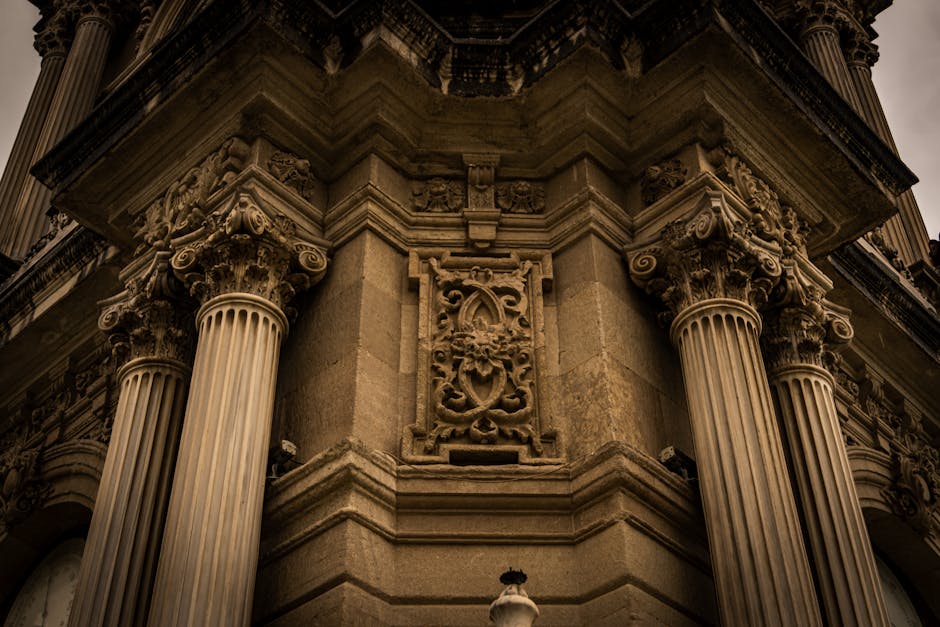 Easy
EasyCluj-Napoca, Romania
Discover the grand architecture of Cluj-Napoca on this self-guided walk through Baroque palaces and iconic noble residences.
 Easy
EasyKrakow, Poland
Explore the prestigious Jagiellonian University district, featuring Neo-Gothic architecture, Baroque churches, and Krakow's hidden scholarly gems.
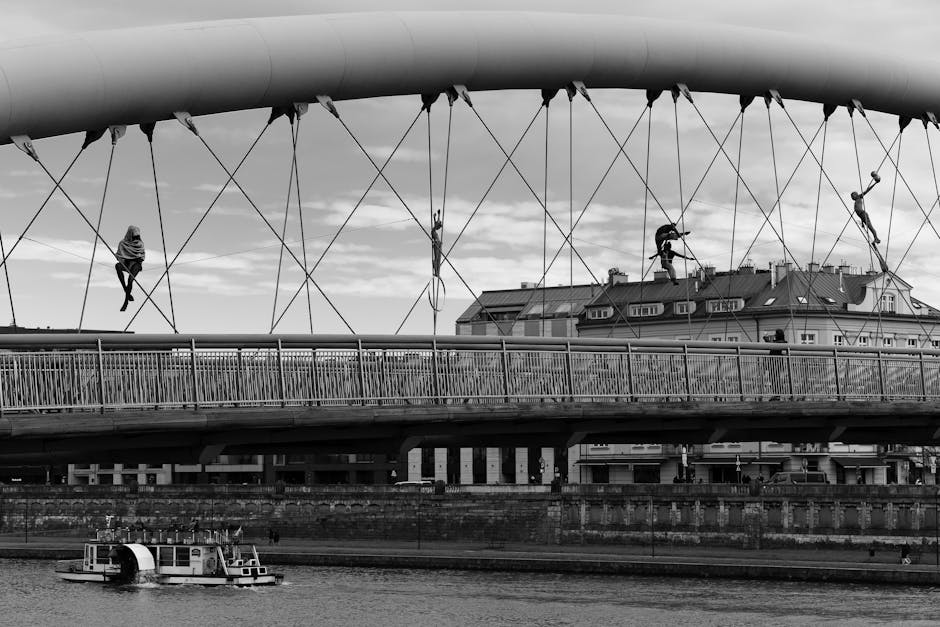 Easy
EasyKrakow, Poland
Discover Krakow’s creative soul in Zabłocie, exploring industrial heritage, contemporary art museums, and avant-garde architecture at your own pace.
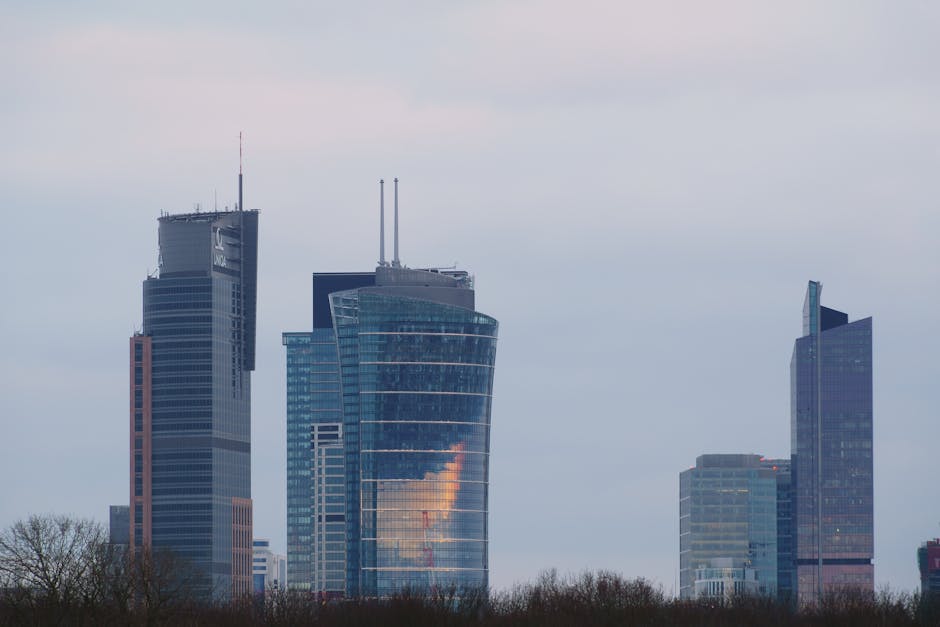 Easy
EasyWarsaw, Poland
Discover the hidden courtyards and grand pre-war architecture of Warsaw's most atmospheric neighborhood on this self-guided stroll.
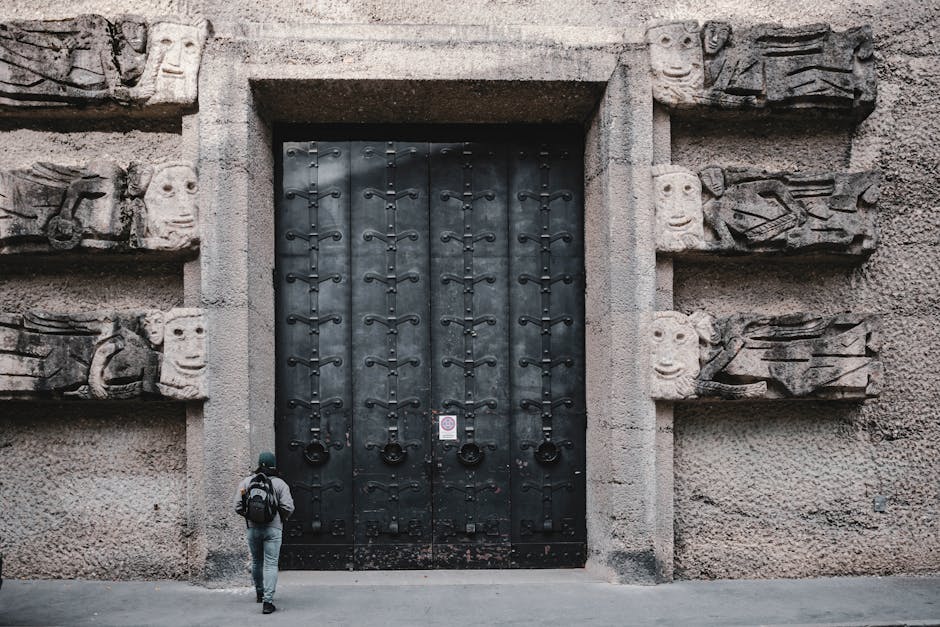 Easy
EasySalzburg, Austria
Discover Salzburg's oldest medieval alley, the birthplace of the 'Silent Night' author, and breathtaking views on this quiet self-guided walk.
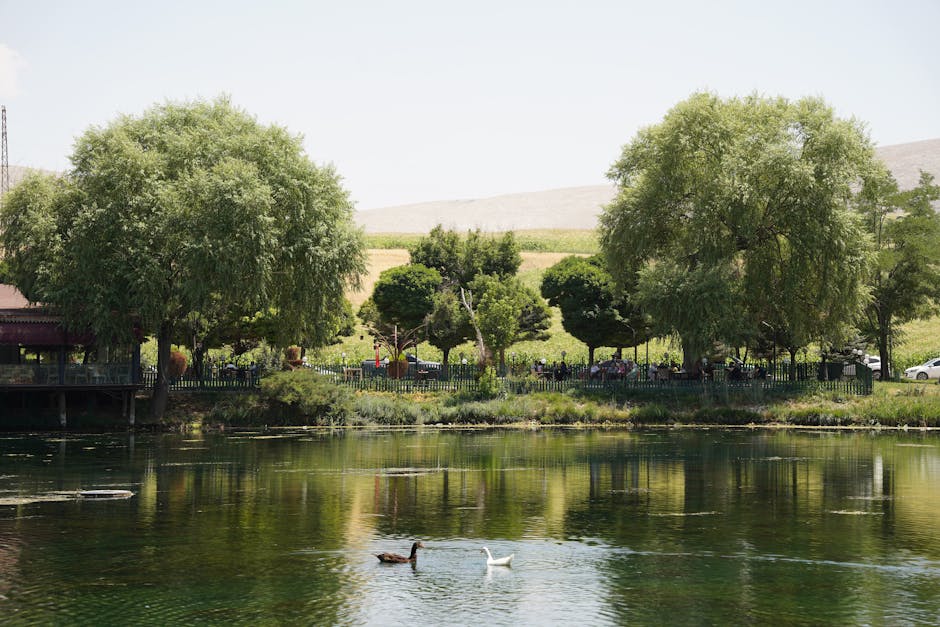 Moderate
Bucharest, Romania
Explore Bucharest’s 'Little Paris' on this self-guided walk through grand parks, royal monuments, and the world-renowned National Village Museum.
 Moderate
Bucharest, Romania
Discover Bucharest’s soul through its flavors, from legendary market 'mici' to historic Old Town gems on this self-guided foodie adventure.
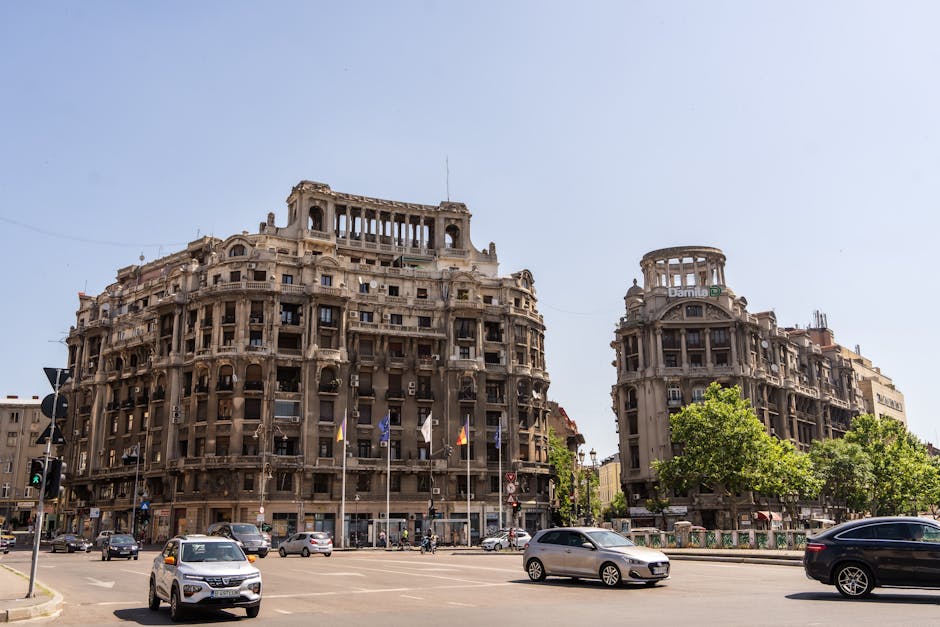 Easy
EasyBucharest, Romania
Discover the elegance of Cotroceni, a neighborhood of royal palaces, lush botanical gardens, and stunning interwar villas on this self-guided walk.
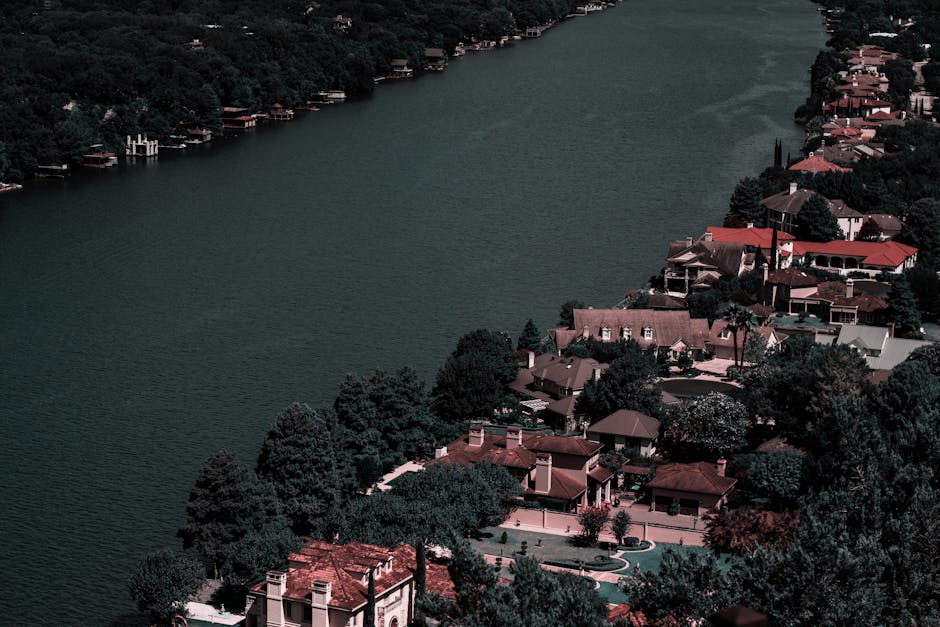 Easy
EasyBucharest, Romania
Discover Bucharest's hidden Armenian Quarter on this self-guided walk through merchant history, elegant villas, and the city's oldest private home.