Self-guided audio tour in Cluj-Napoca
Start Free on iPhone
Start free on iPhone to unlock this self-guided walking tour in Cluj-Napoca. Hear all the stories that make it amazing, walk at your own pace, and begin whenever you want.
Your Private Tour Guide
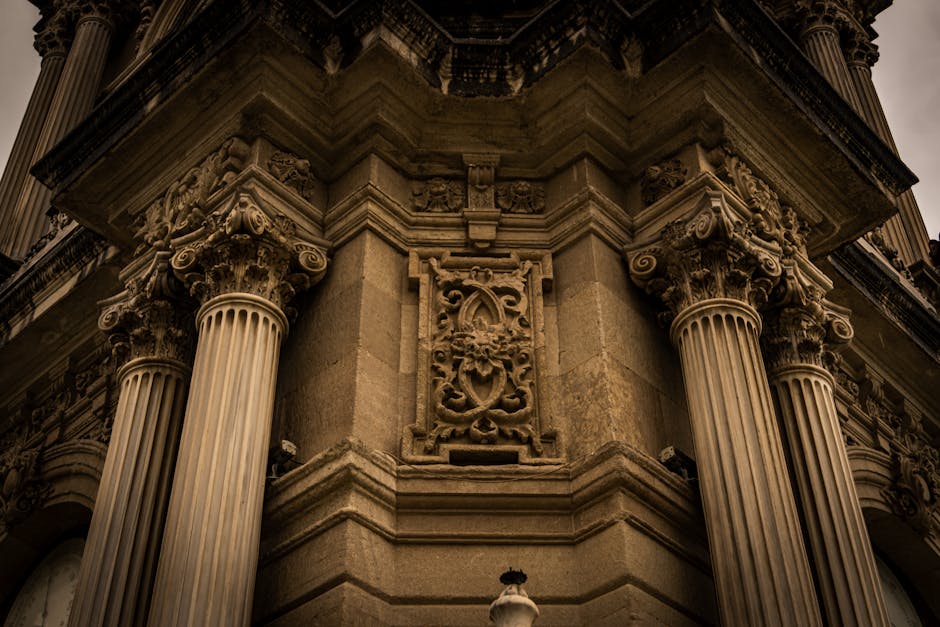
Cluj-Napoca, the vibrant heart of Transylvania, is a city where layers of history are written into the very stones of its facades. This self-guided walk invites you to explore the 'City of Treasure' through its most impressive architectural gems, focusing on the transition from the ornate Baroque era to the grand Eclectic and Art Nouveau palaces of the late 19th century. As you navigate the historic center, you will encounter the legacies of noble families and visionary architects who transformed a medieval stronghold into a cosmopolitan European hub. This walking route is designed for those who appreciate the finer details—the stone carvings, the wrought-iron balconies, and the stories of the people who once lived within these walls. Your journey begins at the majestic Orthodox Metropolitan Cathedral, a symbol of Romanian identity in the city, before leading you across the square to the Neo-Baroque splendor of the National Theatre. From there, you will transition into the heart of the Old Town to witness the Bánffy Palace, arguably the finest example of Baroque civil architecture in Transylvania. The route then takes a scenic turn toward the Someș River, where a series of monumental 'palaces'—Babos, Széki, and Elian—form a grand gateway to the city. These buildings were once the private residences of wealthy merchants and aristocrats, showcasing the economic boom of the Austro-Hungarian era. Choosing a walking tour Cluj-Napoca style allows you to pause whenever a detail catches your eye, whether it is the intricate brickwork of the Széki Palace or the tranquil atmosphere of the Art Museum courtyard. Unlike a rigid guided tour Cluj-Napoca visitors often find themselves rushed through, this audio walk puts you in control of the pace. You will discover how the city’s multi-ethnic heritage—Romanian, Hungarian, and German—is reflected in the diverse architectural styles that stand side-by-side. From the spiritual height of the cathedral to the secular grandeur of the noble residences, this neighborhood stroll offers a comprehensive look at the visual and social evolution of Cluj. Whether you are a first-time visitor or a long-time resident, this exploration reveals the hidden narratives behind the city's most iconic silhouettes.
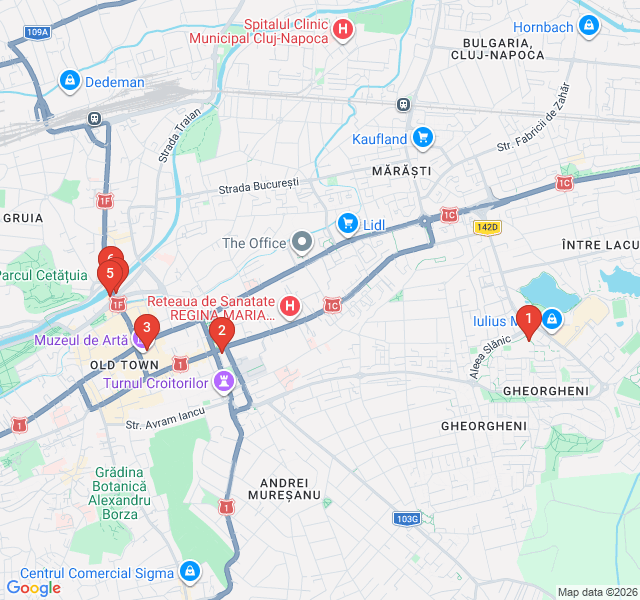
Numbers indicate the order of stops on the tour.
Standing as a powerful symbol of Romanian identity, the Metropolitan Cathedral was built between 1923 and 1933 following the Great Union of Transylvania with Romania. Its architecture is a stunning example of the Neo-Byzantine style, characterized by its massive dome and intricate stone carvings. As you look up, notice the relief work inspired by traditional Romanian motifs. The interior is equally impressive, featuring vibrant frescoes and a grand iconostasis. This site was strategically chosen to face the National Theatre, creating a dialogue between the city's spiritual and cultural pillars. It remains one of the most important religious landmarks in the region, anchoring the eastern end of the city's historic core.
The Lucian Blaga National Theatre and Romanian Opera are housed in one of the most beautiful buildings in Cluj-Napoca. Completed in 1906, it was designed by the famous Viennese architectural firm Fellner & Helmer, who were responsible for dozens of theaters across Central Europe. The building is a masterpiece of Neo-Baroque design with Art Nouveau flourishes. Look for the statues of Thalia and Melpomene, the muses of comedy and tragedy, guarding the entrance. For over a century, this has been the beating heart of the city’s performing arts scene. Even if you aren't attending a performance, the exterior serves as a reminder of the city's golden age of cultural expansion under the Austro-Hungarian Empire.
Bánffy Palace is widely considered the most representative Baroque building in Transylvania. Built in the late 18th century for Count György Bánffy, the Governor of Transylvania, it served as a residence for royalty during their visits to the city, including Emperor Francis II and Empress Maria Theresa. The facade is adorned with statues of Greek gods like Mars, Minerva, and Apollo, reflecting the Enlightenment-era tastes of the nobility. Today, the palace houses the National Art Museum. Walking through its gateway leads you into a magnificent inner courtyard that feels worlds away from the city bustle. The palace is a testament to the wealth and influence of the Hungarian aristocracy during the 1700s.
As you approach the Someș River, you encounter Babos Palace, a monumental structure that forms part of a grand architectural ensemble. Built in the early 1890s in an Eclectic style, it was named after the Babos family, prominent local merchants. The building is shaped like a 'V' to follow the intersection of the streets, a common urban planning technique of the time. Its height and decorative balconies were designed to impress visitors entering the city center from the railway station. It represents the rise of the urban middle class and the commercial boom that transformed Cluj into a modern metropolis at the turn of the 20th century.
The Széki Palace is impossible to miss due to its distinctive red-brick facade and Neo-Gothic elements. Built in 1893 for Miklós Széki, a wealthy pharmacist and university professor, it stands as one of the most unique residential buildings in the city. Unlike the plaster-heavy Baroque styles, this palace emphasizes the texture of the brick and the sharp lines of Gothic windows. Legend says the bricks were specially imported to ensure the highest quality. It reflects a period when the city's elite began to experiment with diverse European architectural movements, moving away from traditional styles to create a more personalized and 'modern' urban identity.
Concluding our palace walk is the Elian Palace, situated right next to the bridge. This Eclectic-style building features beautiful Art Nouveau details, particularly in the floral patterns and the elegant curve of its balconies. Built for the Elian family, successful wine merchants, it was part of a conscious effort to create a 'palace row' that would give the city a majestic entrance. The building's placement by the river highlights the importance of the Someș in the city's geography. From here, you can see how the city's architecture successfully blends the grand ambitions of the 19th century with the natural flow of the landscape.
Start Free on iPhone
Explore “Baroque Splendor and Noble Palaces” with your very own Private Tour Guide with Zigway. Start free on iPhone, skip the large group and the fixed routes, and hear the city come alive as you go.
Your Private Tour Guide
Don't miss the good stuff
Explore Freely
 Easy
EasyCluj-Napoca, Romania
Explore Cluj's surreal steampunk bars and underground jazz scene on this immersive self-guided night walk.
 Easy
EasyCluj-Napoca, Romania
Discover the lush side of Cluj-Napoca on this self-guided walk through botanical wonders, historic parks, and panoramic hilltop vistas.
 Moderate
Cluj-Napoca, Romania
Explore the 'Père Lachaise of the East' on this self-guided walk through Cluj-Napoca’s historic and atmospheric Hajongard Cemetery.
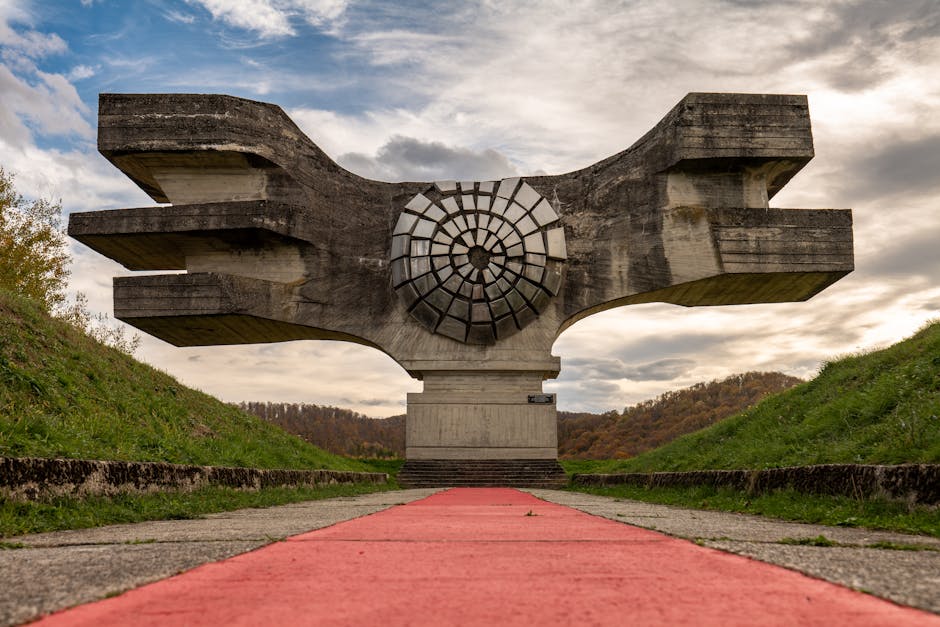 Easy
EasyCluj-Napoca, Romania
Explore the bold Brutalist architecture and Socialist Modernism that redefined Cluj-Napoca's skyline during the Communist era.
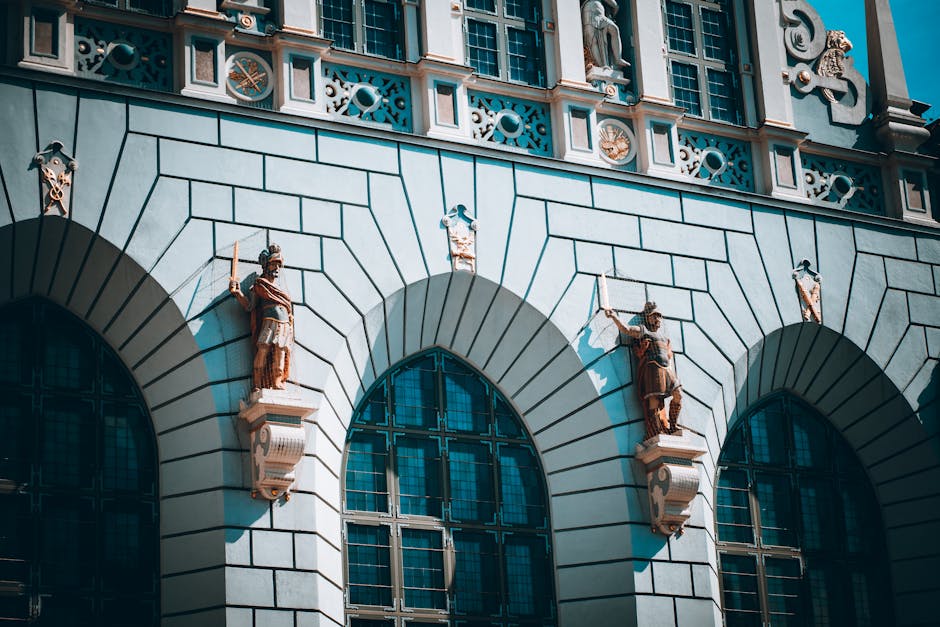 Easy
EasyGdansk, Poland
Discover the opulent Royal Way of Gdansk at your own pace. Explore Hanseatic history, gilded architecture, and the iconic Neptune's Fountain.
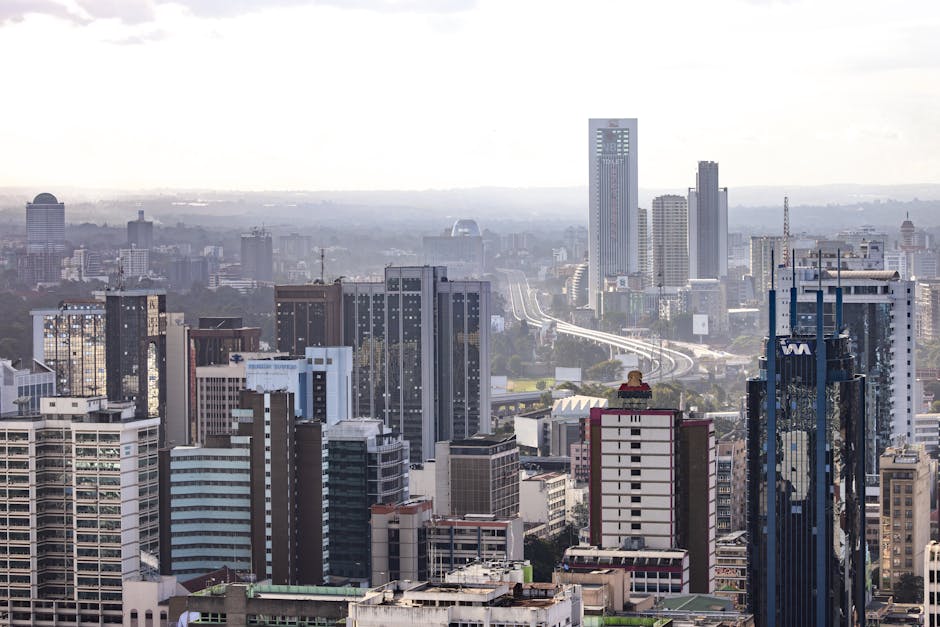 Easy
EasyNairobi, Kenya
Discover Nairobi's iconic skyline on this self-guided architecture walk through the CBD’s most famous modernist and Brutalist landmarks.
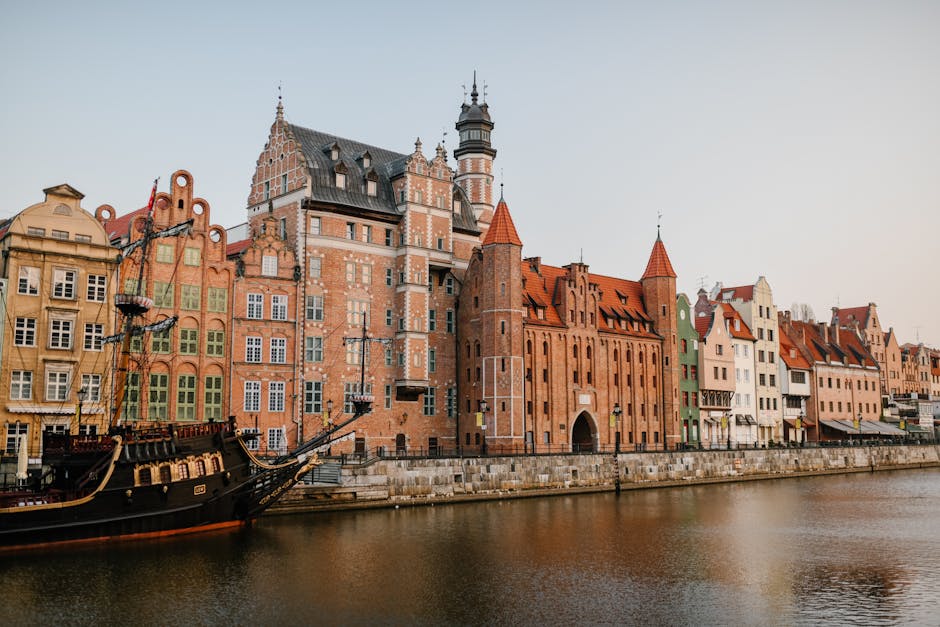 Easy
EasyGdansk, Poland
Discover the 'Baltic Gold' on this self-guided walk through Gdansk's historic mills, massive cathedrals, and the magical Mariacka Street.
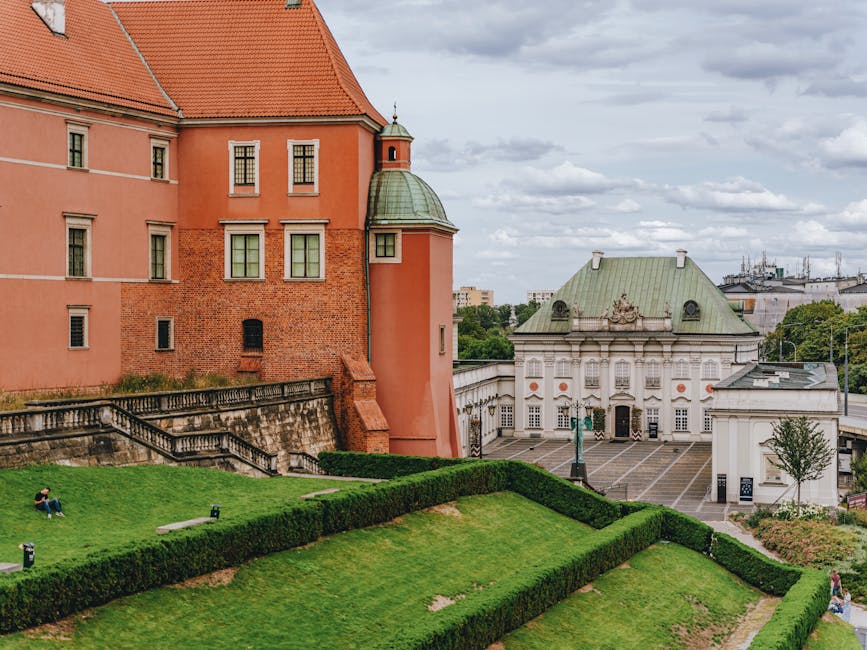 Easy
EasyWarsaw, Poland
Explore the miracle of Warsaw's reconstructed Old Town on this self-guided walk through royal squares, medieval walls, and heroic monuments.
 Moderate
Bucharest, Romania
Explore Bucharest’s 'Little Paris' on this self-guided walk through grand parks, royal monuments, and the world-renowned National Village Museum.
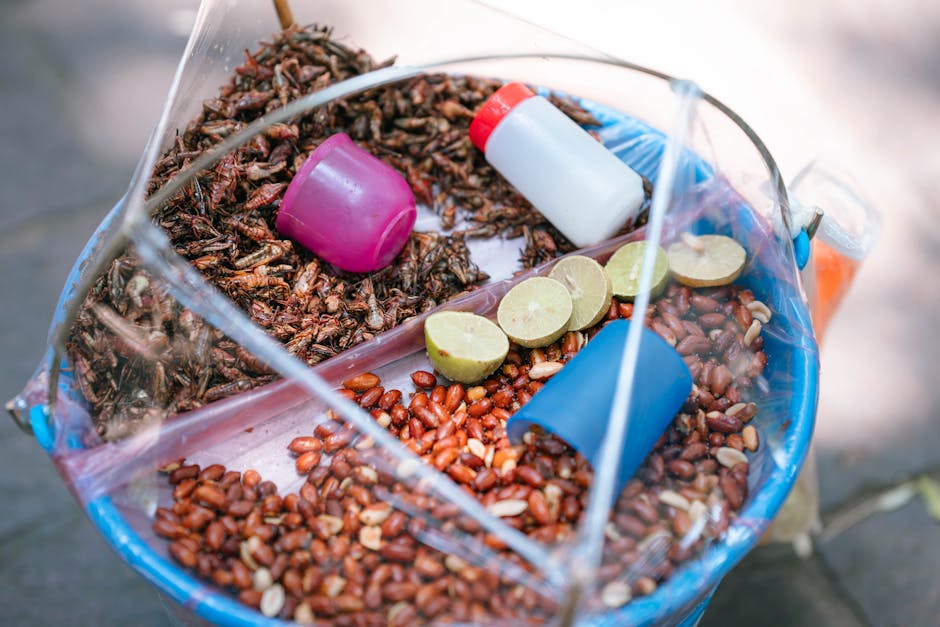 Moderate
Bucharest, Romania
Discover Bucharest’s soul through its flavors, from legendary market 'mici' to historic Old Town gems on this self-guided foodie adventure.
 Easy
EasyBucharest, Romania
Discover the elegance of Cotroceni, a neighborhood of royal palaces, lush botanical gardens, and stunning interwar villas on this self-guided walk.
 Easy
EasyBucharest, Romania
Discover Bucharest's hidden Armenian Quarter on this self-guided walk through merchant history, elegant villas, and the city's oldest private home.