Self-guided audio tour in Plovdiv
Start Free on iPhone
Start free on iPhone to unlock this self-guided walking tour in Plovdiv. Hear all the stories that make it amazing, walk at your own pace, and begin whenever you want.
Your Private Tour Guide
Embark on a profound journey through time with a self-guided walk that traverses the layered history of Plovdiv, from its ancient Roman foundations to the poignant legacy of its Jewish community. This walking route, titled 'Stones of Memory,' invites you to explore the Orta Mezar neighborhood and the Old Town at your own pace, uncovering stories of coexistence, architectural brilliance, and heroic rescue. You will begin in the heart of the Old Town, where the Regional Ethnographic Museum and the ornate Balabanov and Hindliyan houses showcase the 'Plovdiv Baroque' style that defined the 19th-century merchant class. As you ascend Nebet Tepe, the city's oldest settlement, you will see how Thracian, Roman, and Ottoman influences have merged to create a unique urban tapestry. The route then leads you to the iconic Ancient Theatre and the Stadium of Philippopolis, standing as testaments to the city's imperial past. A significant portion of this neighborhood stroll is dedicated to the Jewish Quarter of Orta Mezar. Here, the Zion Synagogue serves as a spiritual anchor, representing the Sephardic heritage that has enriched Plovdiv for centuries. You will walk along Tzar Kaloyan Street, once the bustling center of Jewish life, and visit the Memorial of Gratitude. This monument commemorates the extraordinary events of 1943, when the people of Plovdiv, led by local leaders and the church, successfully prevented the deportation of their Jewish neighbors during World War II. This walking tour Plovdiv experience is more than just a sightseeing trip; it is a tribute to the spirit of tolerance. From the mosaic floors of the Bishop’s Basilica to the heights of the Alyosha monument on Bunardzhik Hill, you will discover why Plovdiv is often called the 'City of Seven Hills.' This audio walk provides the historical context needed to appreciate the deep cultural roots and the resilient spirit of Bulgaria's second city.
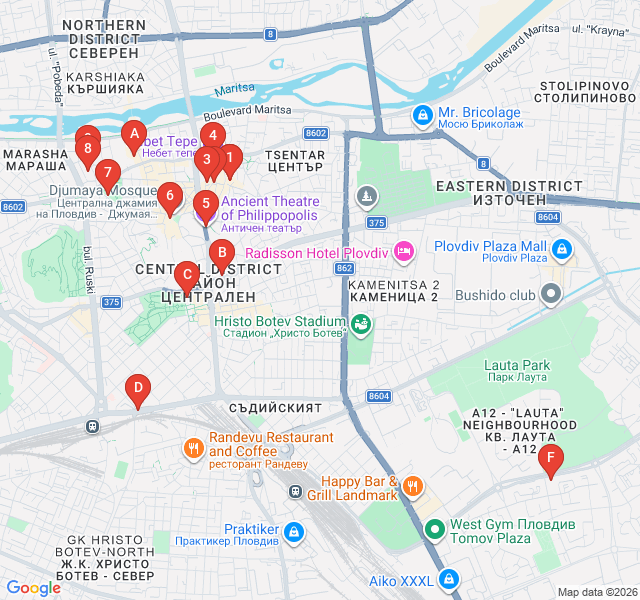
Numbers indicate the order of stops on the tour.
Your self-guided adventure begins at the Kuyumdzhioglu House, which now hosts the Regional Ethnographic Museum. This 1847 masterpiece is the pinnacle of Plovdiv’s National Revival architecture. Notice the sweeping curves of the facade and the ornate wood-carved ceilings. Built for a wealthy merchant, the house reflects the cosmopolitan nature of Plovdiv in the 19th century, where different ethnicities and faiths lived side-by-side. The museum inside offers a deep dive into the traditional crafts, costumes, and daily life of the Thrace region, setting the stage for the cultural diversity you will encounter throughout this walk.
Just a short stroll away stands Balabanov’s House, a symbol of Plovdiv's cultural life. This house is a reconstruction of an original 19th-century merchant home, showcasing the symmetrical architecture typical of the era. The spacious 'hayat' or central hall on the second floor was designed for receiving guests and hosting musical evenings. As you walk around, imagine the vibrant social scene of old Plovdiv, where the wealthy families of the Old Town, including many Jewish merchants, influenced the city's artistic and political landscape.
Hindliyan’s House is perhaps the most decorated home in the Old Town. Built for Stepan Hindliyan, a prominent merchant of Armenian descent, it features exquisite landscapes painted on the walls, depicting cities like Venice, Alexandria, and Constantinople. This house exemplifies the international connections of Plovdiv’s residents. Note the unique 'alafranga' niches and the indoor marble fountain that once circulated rose water. The house serves as a reminder of the affluent, multicultural merchant class that built this neighborhood and contributed to Plovdiv’s reputation as a crossroads of civilizations.
Ascend the rocks of Nebet Tepe, the birthplace of Plovdiv. Humans have lived on this hill since at least 4000 BCE. Here, you can see the remains of Thracian fortifications, later expanded by Philip II of Macedon and the Romans. The panoramic view from here is unparalleled, offering a sight of the Balkan Mountains and the Rhodopes. From this vantage point, you can trace the city’s expansion from the hilltop fortress down into the plains, where the Jewish and Turkish quarters eventually took root during the Ottoman period.
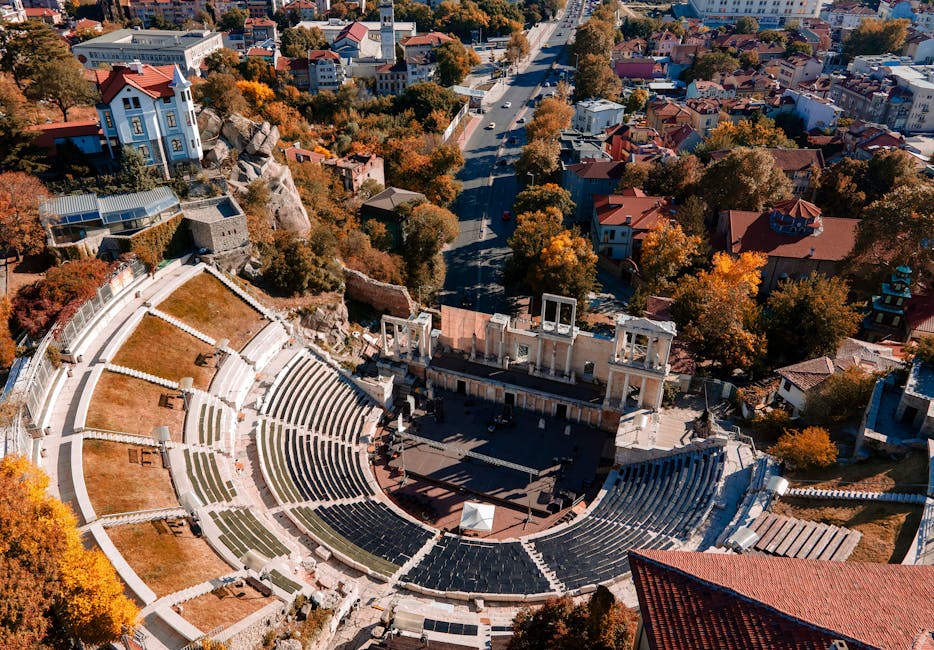
One of the best-preserved Roman theatres in the world, this structure was built in the early 2nd century AD during the reign of Emperor Trajan. It was only rediscovered in the 1970s after a landslide. The theatre could once hold 7,000 spectators who gathered for plays and gladiatorial games. Today, it remains a working venue, bridging the gap between ancient Philippopolis and modern Plovdiv. Its position, overlooking the southern part of the city, makes it an architectural marvel that has survived centuries of transformation.
Descending from the Old Town, you arrive at the Ancient Stadium, located directly beneath the modern pedestrian street. Modeled after the stadium at Delphi, it was about 240 meters long and hosted the Pythian Games. Today, you can see the northern curved section and the marble seats. This site illustrates how Plovdiv is literally built in layers; while shoppers walk above, the Roman glory of the 2nd century remains preserved below, showcasing the city's continuous history as a major urban hub.
As you move toward the Orta Mezar neighborhood, you pass the Museum of Natural Sciences. While its focus is on the flora and fauna of Bulgaria, the building itself is a landmark in this transition zone between the commercial center and the historic residential quarters. The area surrounding the museum was historically diverse, serving as a buffer where various communities, including the city's Jewish residents, frequently interacted in the markets and public spaces of the growing 19th-century city.
This is the spiritual heart of the Jewish Quarter, Orta Mezar. The Zion Synagogue, built in the 19th century on the foundations of an older house of worship, is one of the few active synagogues in Bulgaria. It is a beautiful example of a Sephardic synagogue, featuring an exquisite interior with a grand chandelier and a ceiling painted with floral motifs and stars. The synagogue stands as a testament to the Sephardic Jews who settled in Plovdiv after being expelled from Spain in 1492, bringing with them a rich cultural and linguistic heritage that survived for centuries.
Walk along Tzar Kaloyan Street, the main artery of the historic Jewish district. In the decades before World War II, this area was a hive of activity, filled with Jewish-owned shops, schools, and community centers. While the character of the neighborhood has changed, the architectural rhythm and the narrow streets still evoke the atmosphere of the 'La Juderia' of Plovdiv. It was here that the Ladino language—a mix of Old Spanish and Hebrew—could be heard daily, marking the unique identity of this local community.
The Archaeological Museum houses one of the richest collections of Thracian gold and Roman artifacts in Bulgaria. Its presence near the Jewish Quarter highlights the importance of this central district throughout history. The museum’s exhibits include the famous Panagyurishte Treasure, but for our theme, look for the Roman-era artifacts that show the early Jewish presence in the Balkans. This stop reinforces the idea that Plovdiv’s identity is a mosaic of many different cultures and eras, each leaving a physical mark on the city's soil.
The Episcopal Basilica of Philippopolis is a recent addition to Plovdiv’s heritage sites, featuring over 2,000 square meters of stunning Roman mosaics. The mosaics depict over 100 species of birds, symbolizing the garden of Eden. This site was the center of Christian life in the city for centuries, but its proximity to the Roman Forum and the later Jewish Quarter shows how the religious geography of Plovdiv has always been tightly packed, reflecting a long-standing tradition of religious pluralism and proximity between different faiths.
The Roman Forum was the administrative, commercial, and religious center of ancient Philippopolis. Located near the modern Central Square, its ruins include the Odeon and the Treasury. This was the place where the city's laws were posted and where public life unfolded. For the Jewish community of the Roman era, this would have been the heart of their civic world. Today, the Forum serves as a link between the ancient ruins and the modern city, reminding us that Plovdiv's civic spirit has been alive for two millennia.
This modest monument carries immense historical weight. It was erected by the Jewish community to thank the citizens of Plovdiv for their role in the rescue of Bulgarian Jews during the Holocaust. In March 1943, when the order for deportation was issued, Plovdiv’s leaders, including Metropolitan Kiril, and thousands of ordinary citizens protested. Kiril famously threatened to lie on the train tracks to stop the deportations. Because of this collective courage, the Jewish population of 'Old Bulgaria' was saved, a rare and heroic chapter in WWII history.
To reach Alyosha, you must climb Bunardzhik Hill. This 11-meter granite statue of a Soviet soldier was erected in the 1950s and remains a controversial yet iconic part of the skyline. From its base, you can look down upon the entire city, including the Jewish Quarter and the Old Town you just traversed. The monument represents the complex 20th-century history of Bulgaria. For many, it is a reminder of the end of WWII, the era when the Jewish community largely emigrated to Israel, leaving behind the 'stones of memory' you have explored.
Your journey ends at the administrative center of the Trakiya district. While modern and functional, this area represents the growth of Plovdiv in the late 20th century. It stands in stark contrast to the ancient ruins and 19th-century mansions of the city center. This district was designed as a 'city within a city,' showing how Plovdiv continues to evolve. As you reflect on your walk, consider how the legacy of the old Jewish Quarter and the ancient ruins still informs the identity of this modern, expanding European city.
Start Free on iPhone
Explore “Stones of Memory: The Jewish Quarter Legacy” with your very own Private Tour Guide with Zigway. Start free on iPhone, skip the large group and the fixed routes, and hear the city come alive as you go.
Your Private Tour Guide
Don't miss the good stuff
Explore Freely
 Moderate
Plovdiv, Bulgaria
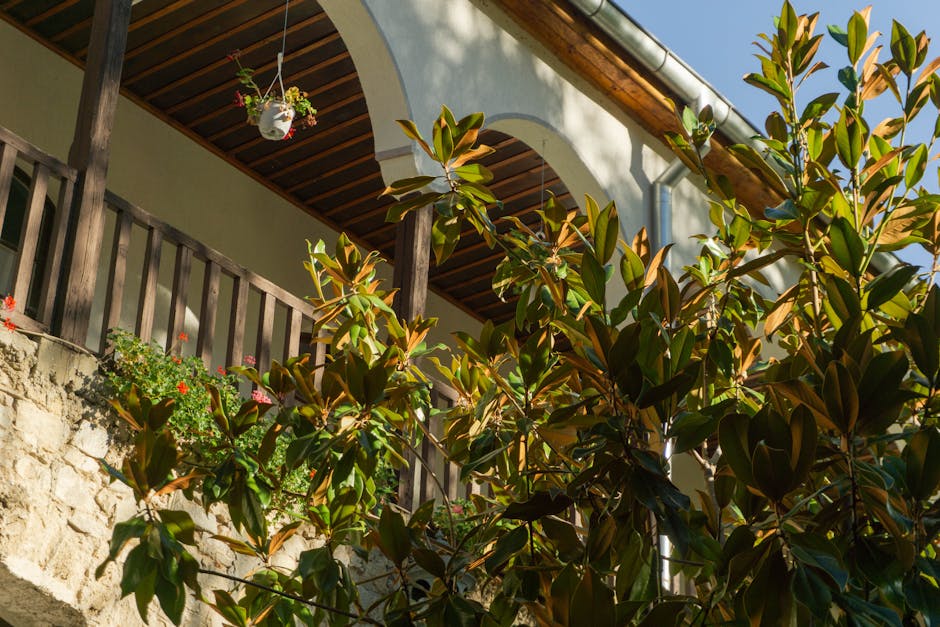
Explore Plovdiv’s socialist past, from the towering Alyosha monument to Brutalist gems and the International Fair on this self-guided walking route.
 Moderate
Plovdiv, Bulgaria
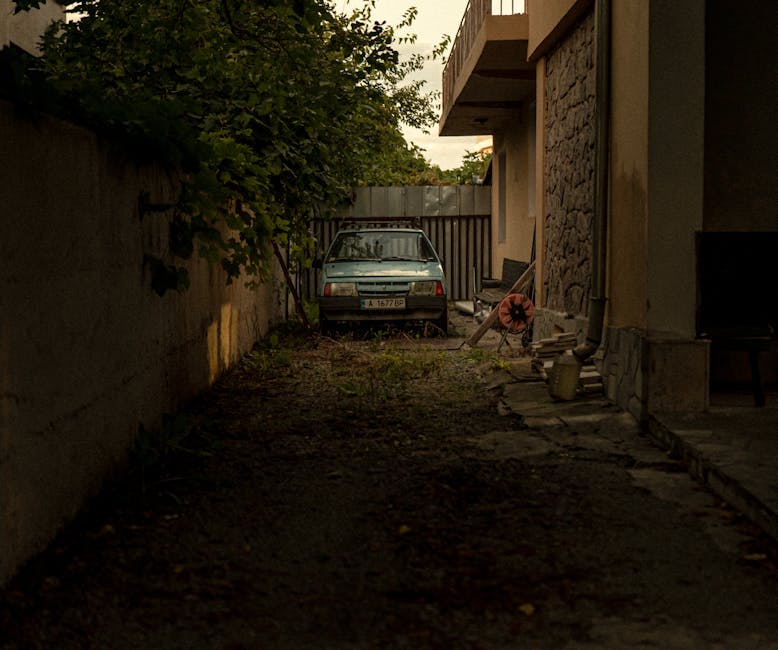
Discover secret gardens and secluded 19th-century courtyards in Plovdiv's historic Old Town on this peaceful self-guided walk.
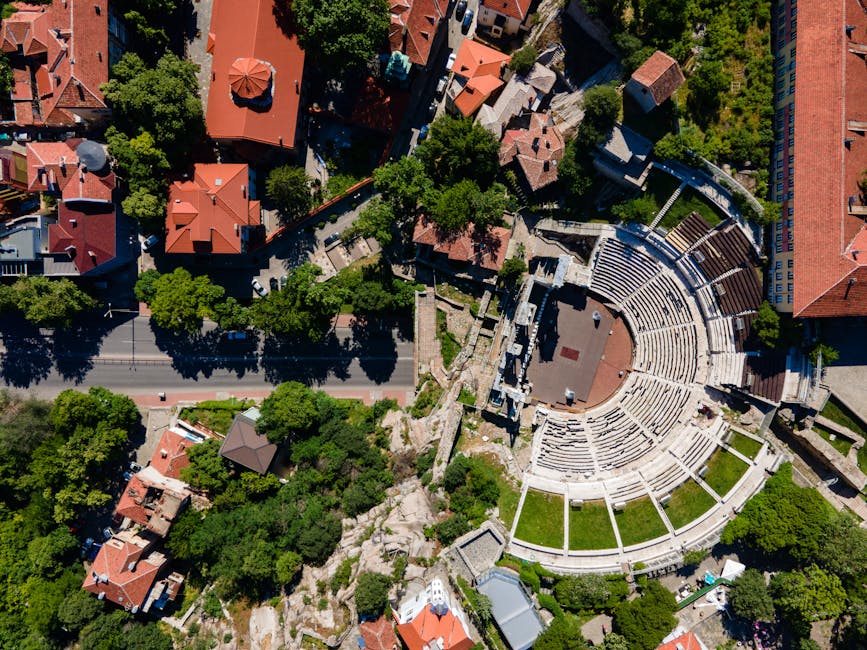 Easy
EasyPlovdiv, Bulgaria
Discover the Roman heart of Philippopolis on this self-guided walk through Plovdiv's ancient forums, massive stadium, and breathtaking mosaics.
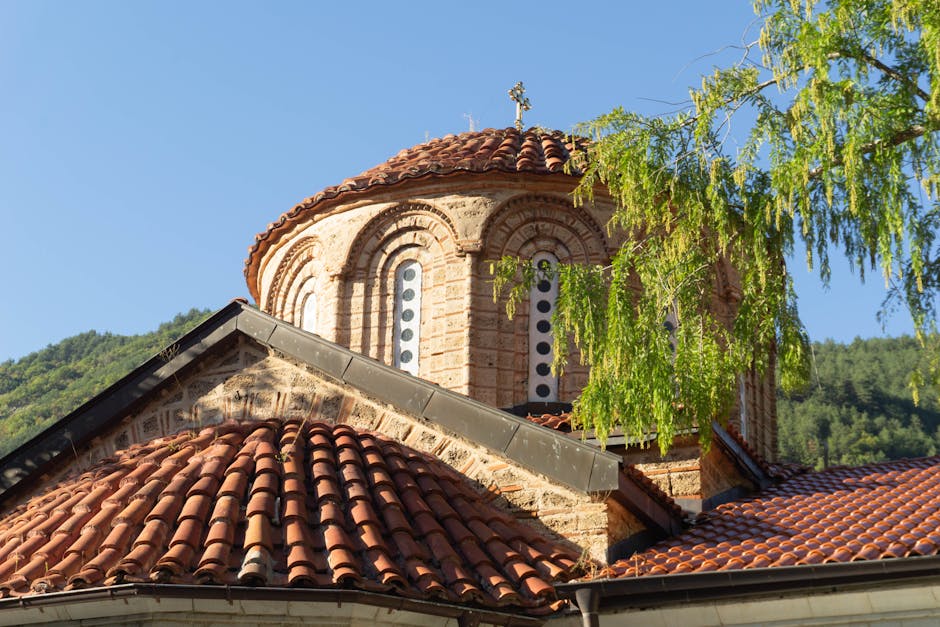 Easy
EasyPlovdiv, Bulgaria
Discover Plovdiv's multi-layered history on this self-guided walk through ancient Roman ruins, Ottoman mosques, and vibrant Orthodox cathedrals.
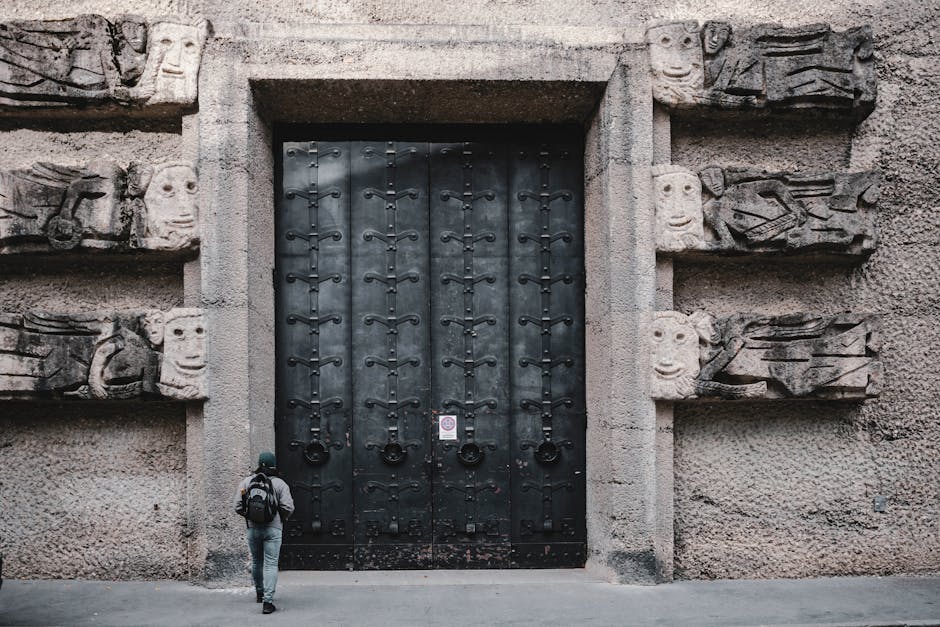 Easy
EasySalzburg, Austria
Discover the 'Rome of the North' on this self-guided walk through the Baroque squares and monumental legacy of Salzburg’s Prince-Archbishops.
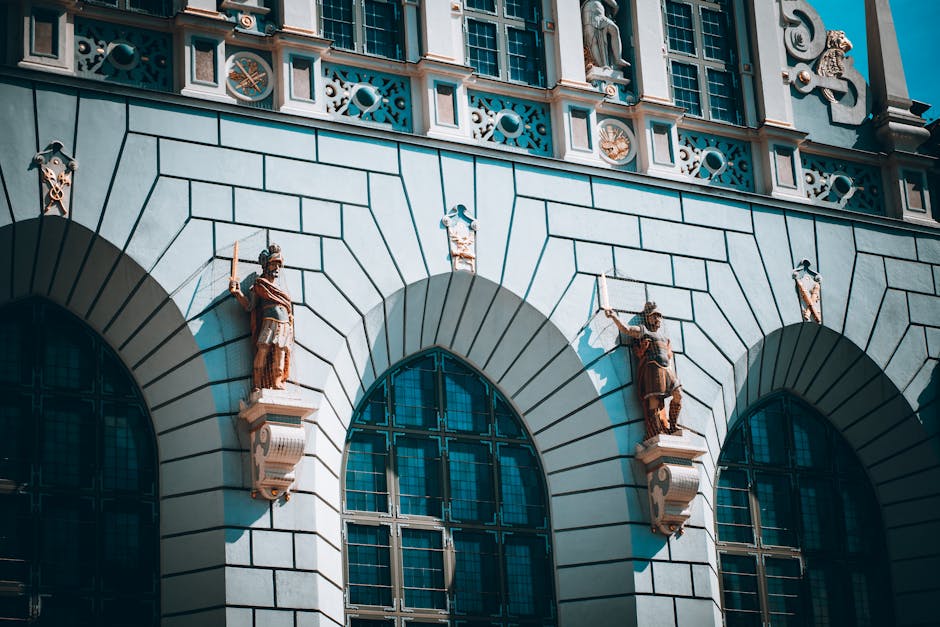 Moderate
Gdansk, Poland
Discover the origins of WWII in Gdansk on this self-guided walk through heroic last stands, massive museums, and strategic hilltop fortifications.
 Moderate
Warsaw, Poland
Explore the resilient spirit of Warsaw's Muranów district on this self-guided walk through the history and landmarks of the former Jewish Ghetto.
 Moderate
Warsaw, Poland
A powerful self-guided walk through Warsaw's WWII history, tracking the 1944 Uprising from ruined skyscrapers to solemn memorials.
 Easy
EasySofia, Bulgaria
Explore the homes and haunts of Bulgaria's greatest writers on this self-guided literary stroll through central Sofia.
 Easy
EasySofia, Bulgaria
Uncover Sofia's clandestine bars, bohemian courtyards, and secret social hubs on this self-guided evening walking route through the city center.
 Moderate
Sofia, Bulgaria
Explore Sofia's Communist past through its massive monuments and Brutalist architecture on this insightful self-guided walking route.
 Easy
EasySofia, Bulgaria
Discover Sofia's culinary soul on this self-guided walk through historic markets, artisan bakeries, and vibrant rakia bars.