Self-guided audio tour in Plovdiv
Start Free on iPhone
Start free on iPhone to unlock this self-guided walking tour in Plovdiv. Hear all the stories that make it amazing, walk at your own pace, and begin whenever you want.
Your Private Tour Guide
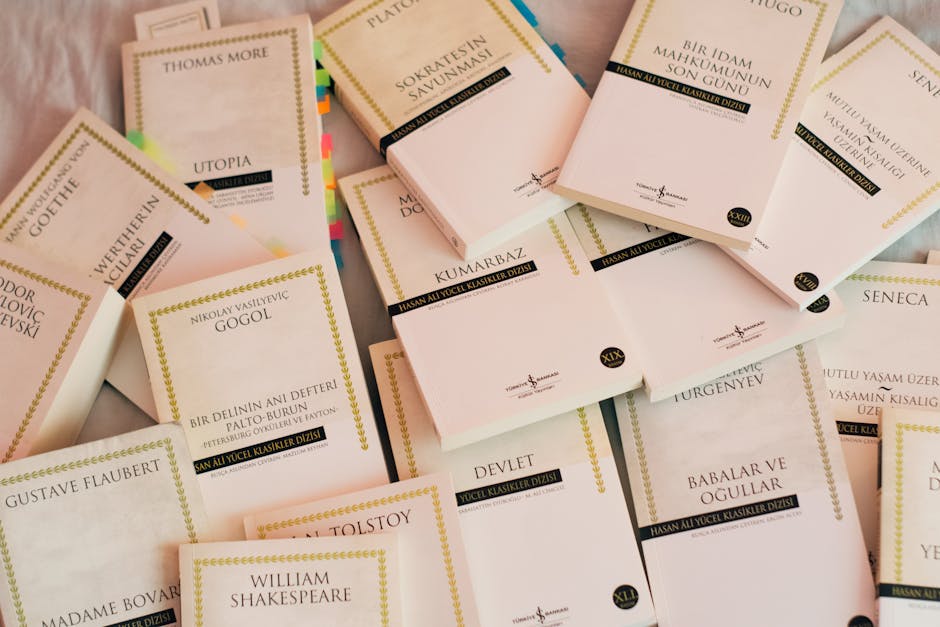
Step into the intellectual heart of Bulgaria with this self-guided walk through the cobblestone streets of Plovdiv. While many come for the Roman ruins, this literary-themed route unveils a different side of the city: its history as a pioneer of the printing press and a sanctuary for world-renowned poets. As you navigate the winding alleys of the Old Town, you will discover the legacy of Hristo G. Danov, the man who revolutionized Bulgarian literacy, and see the house where the French Romantic poet Alphonse de Lamartine found rest during his Eastern journey. This walking route connects the dots between the Bulgarian National Revival and the modern cultural identity of the city. You will explore the sites of the first Bulgarian high schools and the grand libraries that preserved national identity during centuries of Ottoman rule. This neighborhood stroll is perfect for those who want to look beyond the surface of the ancient ruins and understand the scholarly spirit that defines Plovdiv today. Whether you are a book lover or a history enthusiast, this self-guided adventure offers a peaceful way to experience the city's quiet courtyards and grand 19th-century architecture. If you are looking for a unique walking tour Plovdiv offers many layers, but few are as profound as its literary heritage. This walking tour Plovdiv route provides a deep dive into the stories of the thinkers and writers who shaped the nation.
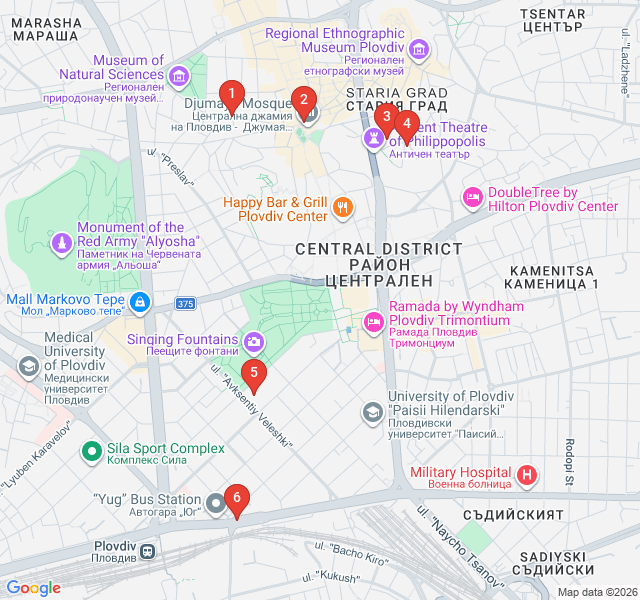
Numbers indicate the order of stops on the tour.
Begin your journey at the home of Hristo G. Danov, a pivotal figure in the Bulgarian National Revival. Danov was the founder of modern book publishing in Bulgaria, moving his operations from Belgrade to Plovdiv in the mid-19th century. This blue-facaded house, built in the mid-1800s, now serves as a museum dedicated to the history of the printing press. Inside, you can find early editions of textbooks and the first Bulgarian atlas. The house itself is a masterpiece of the symmetrical Plovdiv house style, featuring beautifully painted walls and intricate wood-carved ceilings that reflect the wealth and cultural aspirations of the era's emerging middle class.
As you move toward the bustling city center near the Roman Stadium, you enter the Dzhumaya area. This has long been a hub for booksellers and intellectual exchange. In the late 19th century, this area was the commercial heart of the city where the first secular bookstores began to appear, challenging the monopoly of religious texts. Today, several modern bookstores and antique stalls keep this tradition alive. Take a moment to notice the contrast between the ancient Roman ruins nearby and the vibrant 19th-century commercial buildings that housed Plovdiv's early printing shops and literary salons.
Climb up into the Old Town to find the striking Yellow School. Established in 1868, this was the first Bulgarian high school in Plovdiv, marking a major milestone in the struggle for educational independence. Before this, education was often conducted in Greek or focused solely on religious studies. The school became a training ground for the Bulgarian elite and played a significant role in the national awakening. The building's neoclassical elements and bright yellow hue make it a landmark of the hill. It stands as a testament to the city's commitment to secular education and the preservation of the Bulgarian language.
Nestled near the Ancient Theater is one of the most romantic spots in Plovdiv: the Lamartine House. In 1833, the famous French poet and diplomat Alphonse de Lamartine stayed here for three days while recovering from an illness during his travels through the East. He was so moved by the hospitality of the local merchant, Georgi Mavridi, and the beauty of the city that he wrote extensively about it in his 'Voyage en Orient.' The house is an exquisite example of National Revival architecture, featuring asymmetrical wings and a prominent wooden bay window. It serves as a symbol of the cultural bridge between Bulgaria and Western European literature.
Head toward the south of the city center to reach the Ivan Vazov National Library. Named after the 'Patriarch of Bulgarian Literature,' this institution is the second-largest library in the country. Founded shortly after Bulgaria's liberation in 1879, it initially served as the state library for the autonomous province of Eastern Rumelia. The library houses an incredible collection of rare manuscripts, early printed books, and the personal archives of many Bulgarian writers. Its imposing presence underscores the importance of the written word in the formation of the modern Bulgarian state.
Conclude your walk at the Academy of Music, Dance and Fine Arts, located in a cluster of historic buildings near the top of the hill. While primarily an arts academy today, this site represents the culmination of Plovdiv's cultural evolution. The surrounding area was once home to the city's most influential thinkers and artists. From this vantage point, you can look out over the city and reflect on how the printing presses and poets of the 19th century laid the groundwork for Plovdiv's designation as a European Capital of Culture. The academy continues to nurture the next generation of Bulgaria's creative minds.
Start Free on iPhone
Explore “Literary Plovdiv: Poets and Printing Presses” with your very own Private Tour Guide with Zigway. Start free on iPhone, skip the large group and the fixed routes, and hear the city come alive as you go.
Your Private Tour Guide
Don't miss the good stuff
Explore Freely
 Moderate
Plovdiv, Bulgaria
Explore Plovdiv’s socialist past, from the towering Alyosha monument to Brutalist gems and the International Fair on this self-guided walking route.
 Moderate
Plovdiv, Bulgaria
Discover secret gardens and secluded 19th-century courtyards in Plovdiv's historic Old Town on this peaceful self-guided walk.
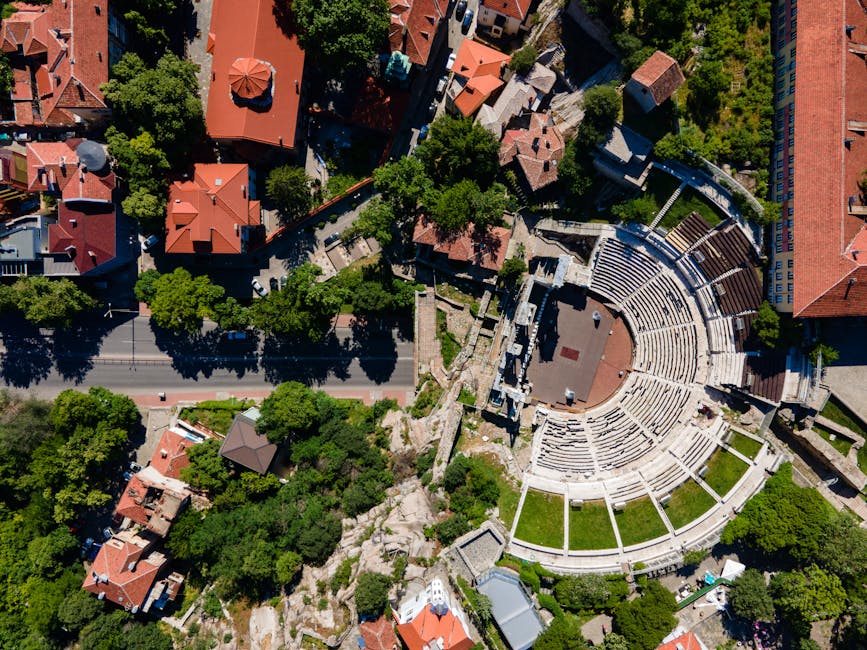 Easy
EasyPlovdiv, Bulgaria
Discover the Roman heart of Philippopolis on this self-guided walk through Plovdiv's ancient forums, massive stadium, and breathtaking mosaics.
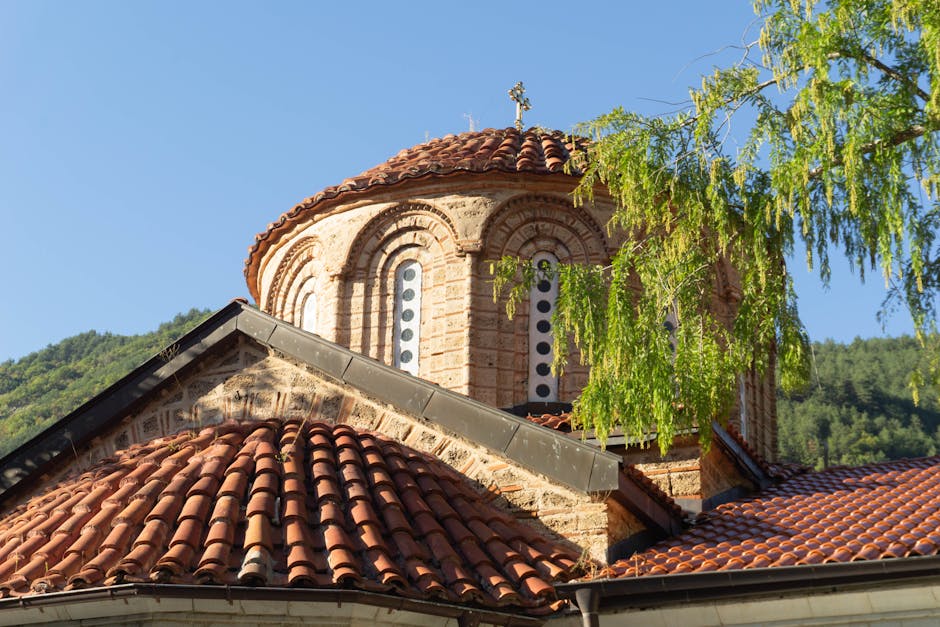 Easy
EasyPlovdiv, Bulgaria
Discover Plovdiv's multi-layered history on this self-guided walk through ancient Roman ruins, Ottoman mosques, and vibrant Orthodox cathedrals.
 Easy
EasyKrakow, Poland
Explore the prestigious Jagiellonian University district, featuring Neo-Gothic architecture, Baroque churches, and Krakow's hidden scholarly gems.
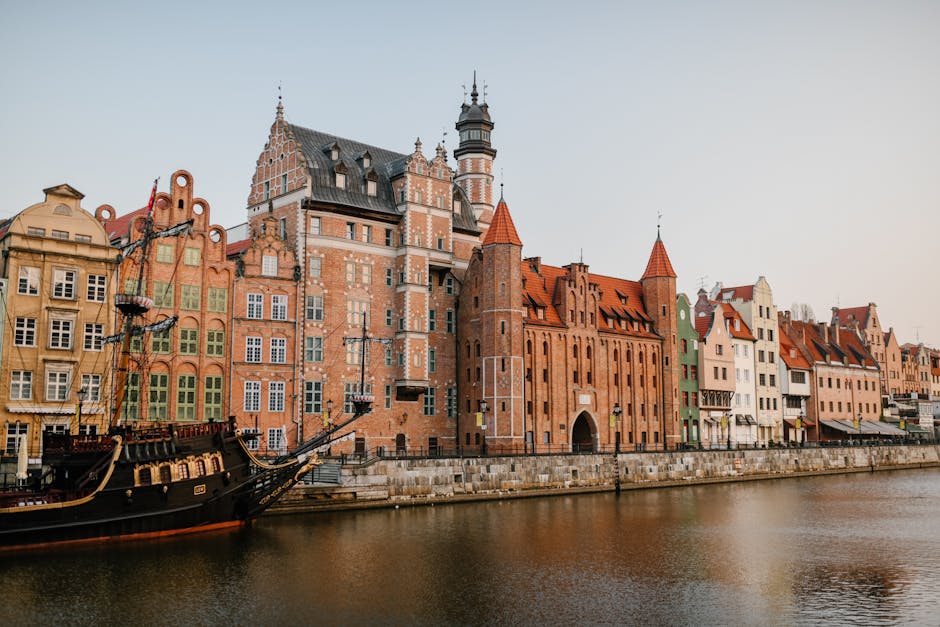 Moderate
Gdansk, Poland
Discover the bohemian soul of Gdańsk. Explore the literary landmarks of Günter Grass, Prussian villas, and the trendy cafes of historic Wrzeszcz.
 Easy
EasyNairobi, Kenya
Discover Nairobi’s literary soul on this self-guided walk through historic libraries, iconic bookshops, and cultural centers in the heart of the CBD.
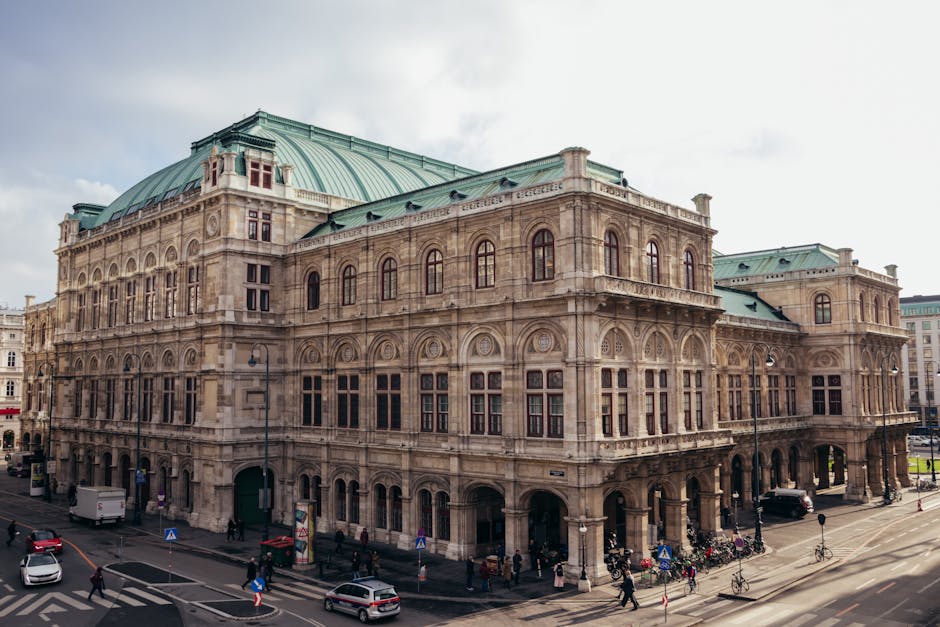 Moderate
Vienna, Austria
Discover the noir world of The Third Man and Cold War Vienna on this atmospheric self-guided audio walk through the historic Innere Stadt.
 Easy
EasySofia, Bulgaria
Explore the homes and haunts of Bulgaria's greatest writers on this self-guided literary stroll through central Sofia.
 Easy
EasySofia, Bulgaria
Uncover Sofia's clandestine bars, bohemian courtyards, and secret social hubs on this self-guided evening walking route through the city center.
 Moderate
Sofia, Bulgaria
Explore Sofia's Communist past through its massive monuments and Brutalist architecture on this insightful self-guided walking route.
 Easy
EasySofia, Bulgaria
Discover Sofia's culinary soul on this self-guided walk through historic markets, artisan bakeries, and vibrant rakia bars.