Self-guided audio tour in Plovdiv
Start Free on iPhone
Start free on iPhone to unlock this self-guided walking tour in Plovdiv. Hear all the stories that make it amazing, walk at your own pace, and begin whenever you want.
Your Private Tour Guide
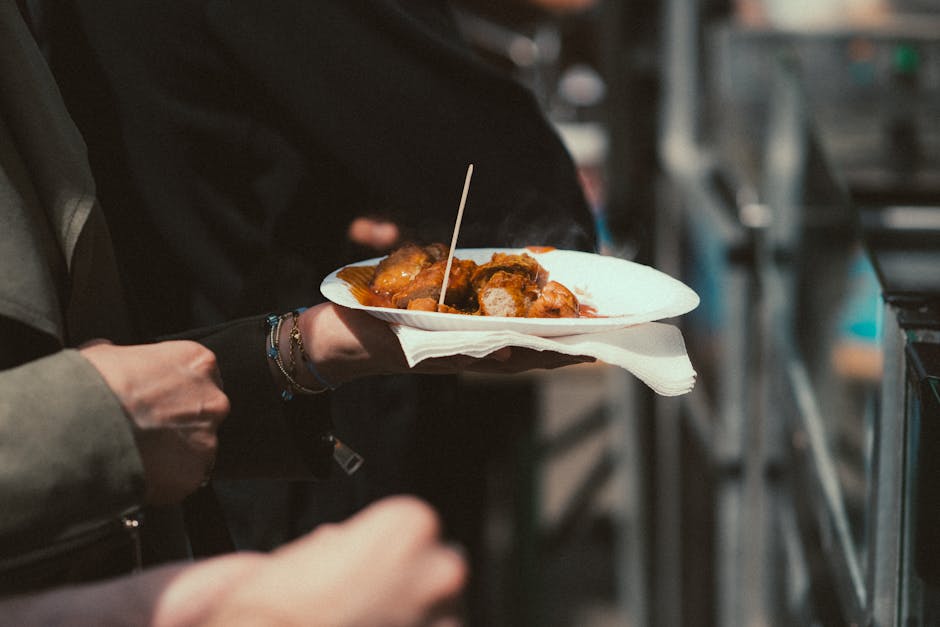
Embark on a culinary journey through one of the world's oldest continuously inhabited cities. Plovdiv is more than just Roman ruins and cobblestone streets; it is the heart of Thracian flavors, where Bulgarian traditions blend seamlessly with Ottoman influences and modern gastronomic trends. This self-guided walk invites you to explore the city's food scene beyond the typical tourist traps, moving from the bustling local markets of the center to the serene recreational areas near the Rowing Canal. You will discover why locals cherish the concept of 'aylyak'—a specific Plovdivian state of mind characterized by slow living and enjoying the moment, usually with good food in hand. This walking route Plovdiv offers is designed for those who want to understand the local palate. You will start at the vibrant Monday Market, where the seasonal bounty of the Thracian Valley is on full display. From there, the path leads you through the heart of the city to sample everything from traditional cold soups and Turkish-style coffee to the contemporary creations in the Kapana creative district. This is not just a food tour; it is a cultural immersion. As you move through the city, you will see the contrast between historic landmarks like the Dzhumaya Mosque and the modern lifestyle represented by popular local chains and artisan bakeries. As you progress, the route transitions from the dense urban center toward the greener, more spacious parts of Plovdiv. You will experience the daily life of residents at local hubs and discover how the city’s culinary identity continues to evolve. Whether you are craving the flaky layers of a fresh banitsa or the sophisticated flavors of a modern bistro, this walking tour Plovdiv experience provides the perfect roadmap. By the time you reach the peaceful waters of the Rowing Canal, you will have a deep appreciation for the tastes, smells, and stories that make Plovdiv a true capital of culture and cuisine. Explore at your own pace and let your appetite lead the way. **Note:** This area is known for its ever-changing character. Street art, pop-up venues, and temporary exhibitions may differ from what's described. That's part of the adventure - you might discover something entirely new!
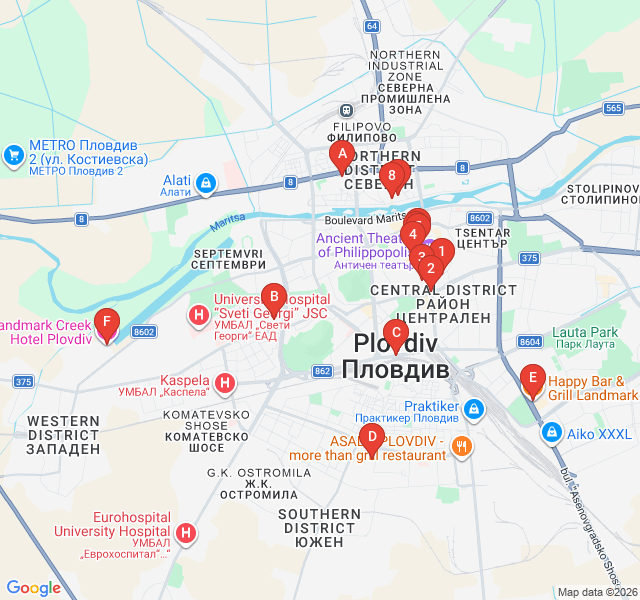
Numbers indicate the order of stops on the tour.
Start your journey at the heart of Plovdiv's local commerce: the Central Market, often called the Monday Market. This is where the fertile Thracian Valley truly shines. Rows of stalls overflow with seasonal fruits, vegetables, and the aromatic herbs that define Bulgarian cooking, like 'chubritsa' (savory). Watch as locals haggle over the best tomatoes or the freshest honey. This market has been a community staple for generations, offering a glimpse into the daily lives of Plovdiv’s residents. It is the best place to see the raw ingredients that form the backbone of the dishes you will encounter later on this self-guided adventure.
Bulgarians have a deep-rooted love for soup, and Supa Center is a temple to this tradition. Here, the menu changes daily, featuring staples like 'Tarator'—a cold yogurt soup with cucumber, garlic, and dill—and the legendary 'Shkembe Chorba' (tripe soup), often enjoyed with plenty of garlic and vinegar. This stop highlights the importance of liquid meals in the local diet, providing a quick, healthy, and affordable way to refuel. The atmosphere is no-frills and authentic, reflecting the practical yet flavor-focused nature of Bulgarian street food culture.
While it may look like a standard modern restaurant, Happy Bar & Grill is a genuine Bulgarian phenomenon. Founded in 1994, it has become the most successful restaurant chain in the country. For many locals, it represents consistency and a modern evolution of Bulgarian dining. It’s a place where traditional flavors meet international favorites. Observing the crowd here gives you a sense of the contemporary middle-class lifestyle in Plovdiv. It is a social hub where families, students, and professionals gather, making it a key part of the city's modern cultural fabric.
At the base of the ancient Dzhumaya Mosque, you enter a space where Plovdiv’s Ottoman past remains vibrant. The mosque’s café serves authentic Turkish coffee, brewed slowly in sand, accompanied by syrupy baklava or Turkish delight. This stop is a reminder of the centuries of cultural exchange that shaped Thracian cuisine. The aroma of roasted beans and spices fills the air, offering a moment of tranquility amidst the city's bustle. It is the perfect place to practice 'aylyak'—the art of doing everything slowly and with pleasure.
Located in the trendy Kapana district, Aylyakria is named after the local philosophy of 'aylyak.' This restaurant specializes in taking traditional Bulgarian ingredients and reimagining them with modern techniques. The menu is a tribute to slow living and high-quality local sourcing. As you walk past, notice the creative energy of the surrounding streets. Kapana was once a craftsman's quarter, and today that craftsmanship is channeled into the kitchen. This stop represents the 'New Bulgarian' cuisine movement, which seeks to elevate rustic flavors into sophisticated dining experiences.
Pavazh is a cornerstone of the Kapana food scene. Its name means 'cobblestone,' a nod to the historic streets just outside its doors. This spot is famous for its commitment to 'farm-to-table' dining long before it became a buzzword. They are particularly known for their mastery of the grill and their use of traditional Thracian recipes that had been nearly forgotten. The vibe here is cozy and unpretentious, capturing the spirit of Plovdiv’s creative heart. It’s a favorite among locals who value authenticity and deep, soulful flavors.
No food exploration in Bulgaria is complete without bread. Bakery Kapana serves as a reminder of the central role that dough plays in the local diet. From the iconic 'banitsa'—a filo pastry filled with white cheese—to rustic sourdough loaves, the smells emanating from this bakery are irresistible. Baking is an ancient art in Thrace, and this shop keeps those traditions alive in a modern urban setting. It’s a great place to see how traditional snacks remain the go-to choice for Plovdivians on the move.
As you cross the Maritsa River, you encounter another branch of the ubiquitous Happy chain. This location, near the Grand Hotel, serves a different demographic than the city center branch, often catering to business travelers and hotel guests. It demonstrates the brand's versatility and its role as a reliable anchor in different neighborhoods. The river crossing itself marks a transition in the city's architecture, moving from the dense historic center to the more expansive, socialist-era planning of the northern districts.
The Grand Hotel Plovdiv is a landmark of the city's hospitality history. Built during the socialist era, it has hosted dignitaries and celebrities for decades. While its culinary offerings are more formal, the hotel represents the international side of Plovdiv's food culture. The surrounding area is a hub for events and conferences, influencing the types of eateries found nearby. It stands as a gateway between the old city and the newer residential and commercial zones you are about to explore.
This stop takes you further into the northern part of the city. The Park Sankt Peterburg Hotel is known for its massive scale and its distinct 1980s architecture. The hotel’s garden and pool area are popular local spots during the hot Plovdiv summers. Food here often revolves around large-scale events and traditional Bulgarian feasts. This area shows a different side of the city's social life, where large gatherings and celebrations are common, often centered around long tables and plenty of grilled meats.
While a supermarket might seem like an unusual stop, Kaufland is where the modern Bulgarian family shops. To understand the local palate, one must see what is in the shopping carts. Look for the massive sections dedicated to 'Sirene' (white brine cheese), 'Kashkaval' (yellow cheese), and various types of 'Lutenitsa' (a vegetable spread). This stop offers a look at the commercial reality of food in Plovdiv today and the wide variety of regional products available to the general public.
Hlebar (meaning 'The Baker') represents the artisan revival in Plovdiv. This bakery focuses on slow fermentation, ancient grains, and hand-crafted techniques. It is a response to industrial food production and a return to the roots of Thracian bread-making. The popularity of such bakeries in residential neighborhoods shows a growing local demand for high-quality, healthy, and traditional products. The smell of fresh sourdough here is a testament to the enduring importance of the 'daily bread' in Bulgarian culture.
Moving toward the southern and western reaches of the city, this stop highlights the scale of Plovdiv's expansion. These large retail hubs serve as the primary food sources for the surrounding residential blocks. Notice the small stalls often found near the entrance of these large stores, where independent vendors might sell seasonal produce or honey, showing the coexistence of corporate retail and traditional small-scale farming in the modern Bulgarian economy.
Our final restaurant stop is situated near the entrance to the Rowing Canal. This Happy location is a favorite for those heading to or returning from the city's premier outdoor recreation area. It marks the shift from the urban environment to a space dedicated to leisure and sport. The menu here is designed for relaxation, often featuring more outdoor seating and a casual vibe that fits the 'aylyak' spirit of the nearby park.
The route ends at the Landmark Creek Hotel, overlooking the Plovdiv Rowing Canal. This 2-kilometer-long facility is one of the largest of its kind in Europe. For Plovdivians, this is the ultimate place for a weekend stroll, a jog, or a slow coffee by the water. The surrounding park is filled with small kiosks and cafes where you can grab a final snack or a drink. Finishing here allows you to fully embrace the 'aylyak' lifestyle, watching the rowers glide past as you reflect on the diverse flavors and stories of Thrace.
Start Free on iPhone
Explore “A Taste of Thrace: Plovdiv’s Street Food Secrets” with your very own Private Tour Guide with Zigway. Start free on iPhone, skip the large group and the fixed routes, and hear the city come alive as you go.
Your Private Tour Guide
Don't miss the good stuff
Explore Freely
 Moderate
Plovdiv, Bulgaria
Explore Plovdiv’s socialist past, from the towering Alyosha monument to Brutalist gems and the International Fair on this self-guided walking route.
 Moderate
Plovdiv, Bulgaria
Discover secret gardens and secluded 19th-century courtyards in Plovdiv's historic Old Town on this peaceful self-guided walk.
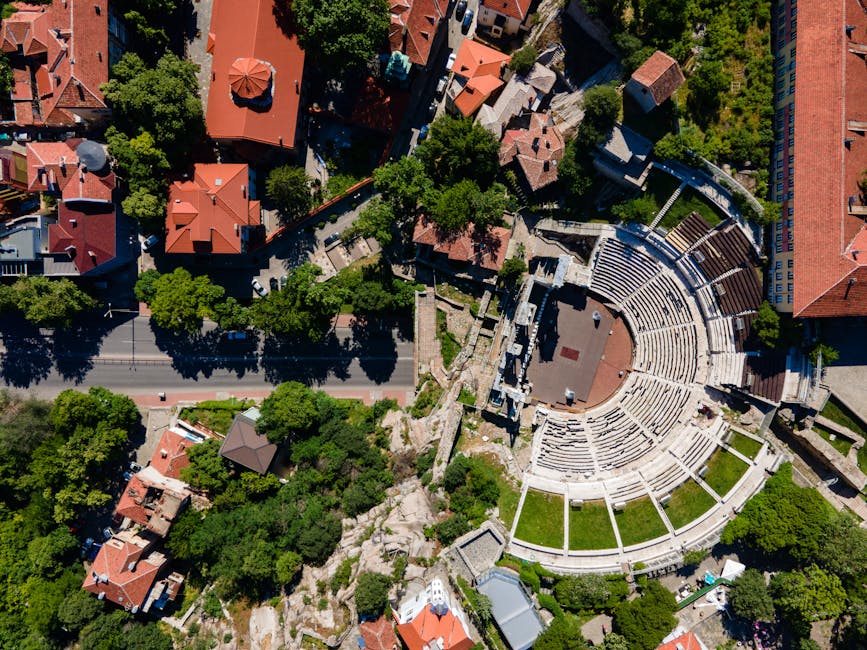 Easy
EasyPlovdiv, Bulgaria
Discover the Roman heart of Philippopolis on this self-guided walk through Plovdiv's ancient forums, massive stadium, and breathtaking mosaics.
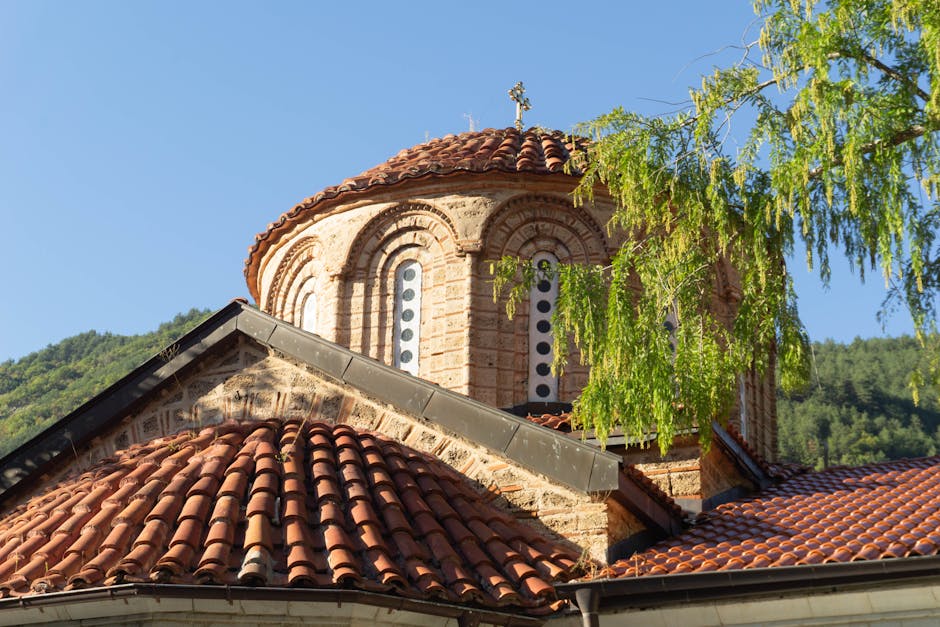 Easy
EasyPlovdiv, Bulgaria
Discover Plovdiv's multi-layered history on this self-guided walk through ancient Roman ruins, Ottoman mosques, and vibrant Orthodox cathedrals.
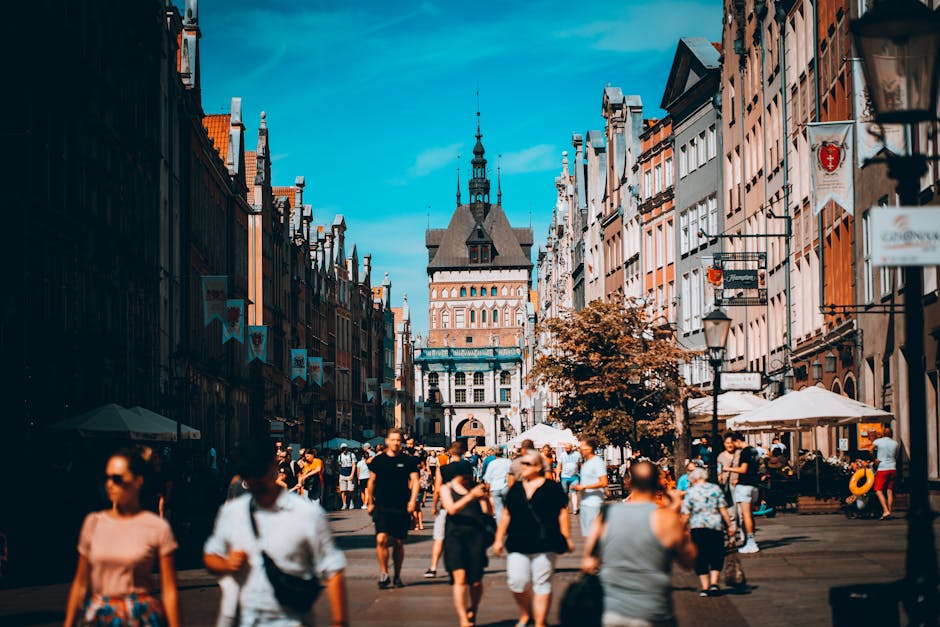 Easy
EasyGdansk, Poland
Taste the history of the Baltic. Explore Gdansk's culinary heritage from medieval markets to gold-flecked liqueurs on this self-guided walk.
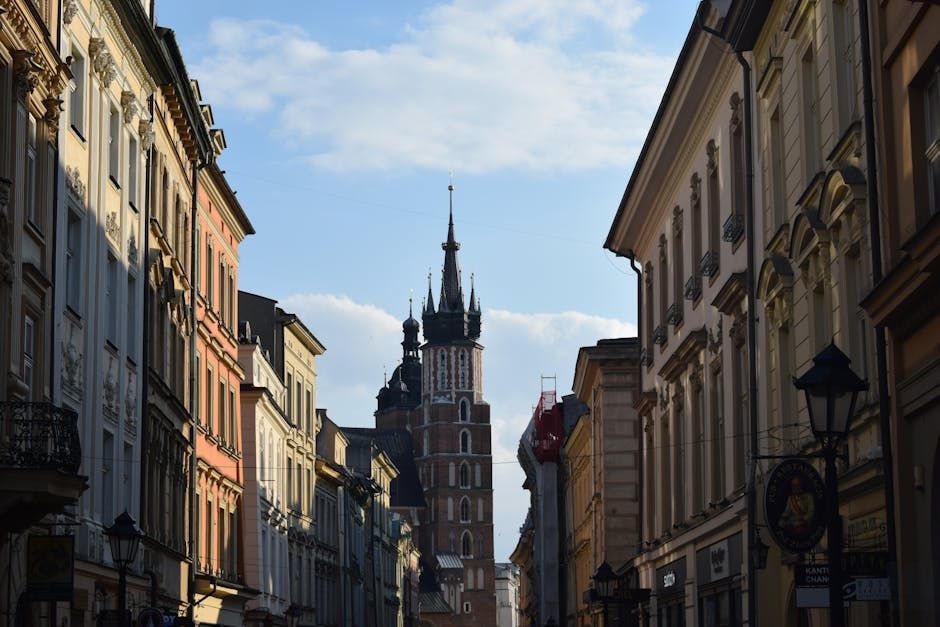 Easy
EasyKrakow, Poland
Savor the soul of Krakow on this self-guided walk through historic markets, bohemian cafes, and the city's best pierogi spots.
 Moderate
Nairobi, Kenya
Taste your way through Nairobi's Westlands on this self-guided walk featuring street snacks, cultural landmarks, and hidden foodie gems.
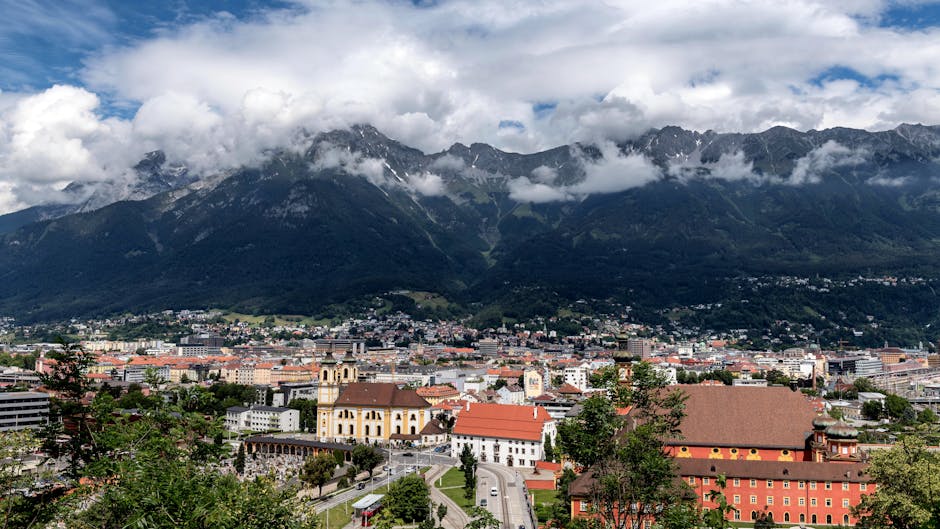 Easy
EasyInnsbruck, Austria
Discover the flavors of Tyrol on this self-guided stroll through Innsbruck’s historic Old Town and vibrant market hall.
 Easy
EasySofia, Bulgaria
Explore the homes and haunts of Bulgaria's greatest writers on this self-guided literary stroll through central Sofia.
 Easy
EasySofia, Bulgaria
Uncover Sofia's clandestine bars, bohemian courtyards, and secret social hubs on this self-guided evening walking route through the city center.
 Moderate
Sofia, Bulgaria
Explore Sofia's Communist past through its massive monuments and Brutalist architecture on this insightful self-guided walking route.
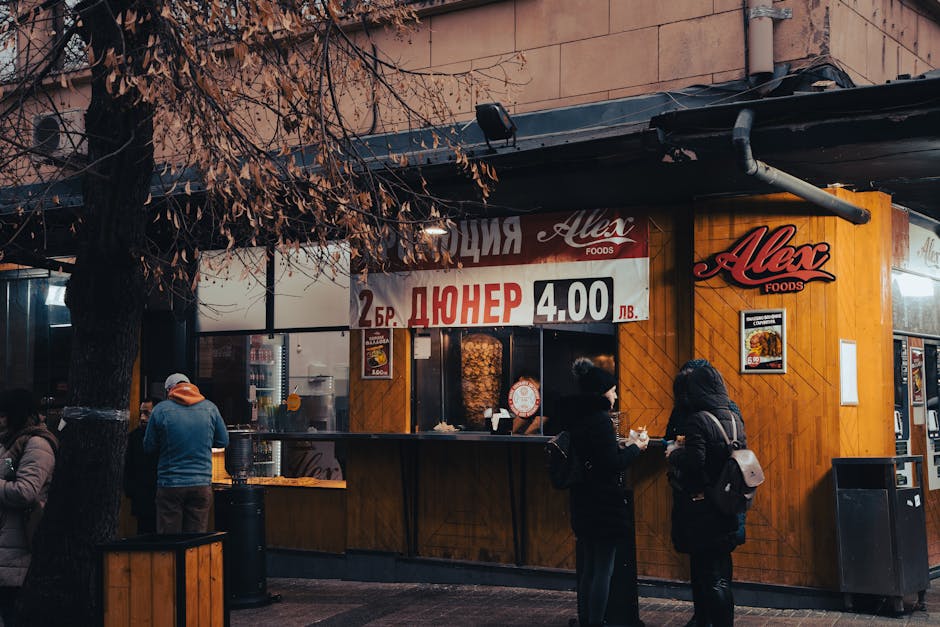 Easy
EasySofia, Bulgaria
Discover Sofia's culinary soul on this self-guided walk through historic markets, artisan bakeries, and vibrant rakia bars.