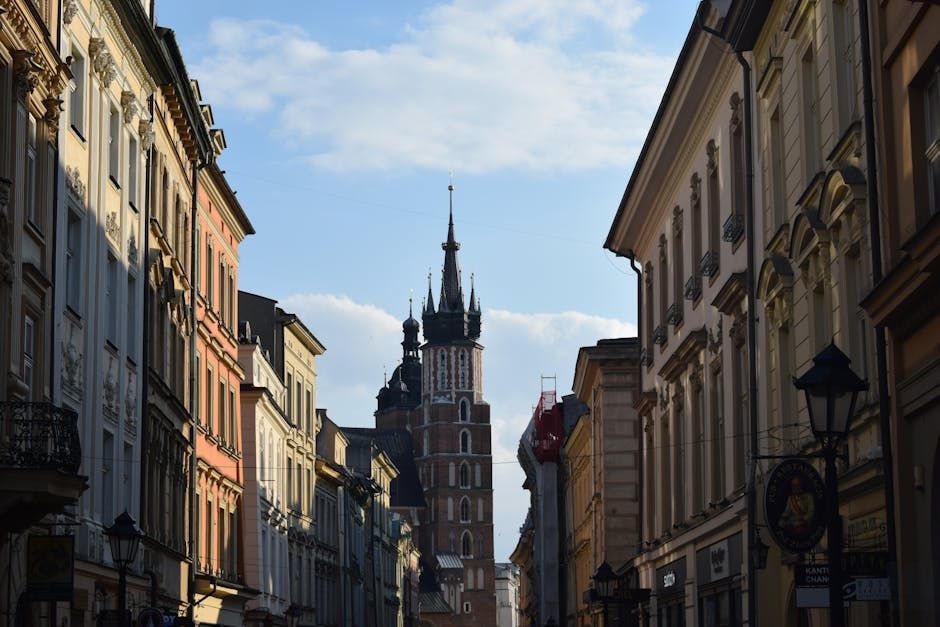
Self-guided audio tour in Krakow
Start Free on iPhone
Start free on iPhone to unlock this self-guided walking tour in Krakow. Hear all the stories that make it amazing, walk at your own pace, and begin whenever you want.
Your Private Tour Guide
Krakow is a city that speaks through its flavors, and this self-guided walk invites you to taste your way through its historic heart. From the twisted bread rings sold on street corners to the steaming plates of dumplings served in hidden milk bars, the culinary landscape of the Old Town is a tapestry of tradition and resilience. This walking route is designed for those who want to explore independently, moving at their own pace while uncovering the stories behind Poland's most beloved staples. You will begin near the northern gates of the city, exploring the legacy of the Krakow bagel, or 'obwarzanek,' which has been a local icon for over 600 years. As you transition from the bustling open-air markets into the elegant, Art Nouveau interiors of historic cafes, you will see how Krakow's food culture bridges the gap between peasant traditions and bohemian sophistication. The route provides a deep dive into the 'Bar Mleczny' or Milk Bar phenomenon—a unique vestige of the socialist era that remains a cornerstone of local life today. You will also encounter the sweeter side of the city, exploring the artisanal revival of Polish doughnuts. This neighborhood stroll is more than just a food crawl; it is a journey through the social history of Poland, where every bite of a pierogi tells a story of heritage and hearth. Whether you are a first-time visitor or a repeat traveler, this walking tour Krakow experience offers a sensory-rich way to navigate the cobblestone streets. By following this trail, you can discover hidden gems that standard itineraries often overlook, ensuring a truly authentic taste of the city. No need for a schedule; simply start exploring with Zigway and let your appetite be your guide through the charming alleys of the Old Town. **Note:** This area is known for its ever-changing character. Street art, pop-up venues, and temporary exhibitions may differ from what's described. That's part of the adventure - you might discover something entirely new!
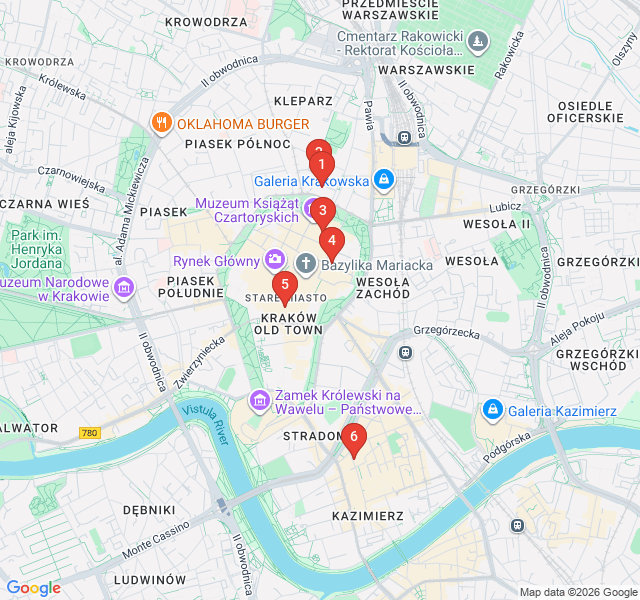
Numbers indicate the order of stops on the tour.
Welcome to the starting point of your culinary adventure. Here, we celebrate the 'obwarzanek krakowski,' a ring-shaped bread that is the undisputed symbol of the city. While it might look like a bagel, the obwarzanek is distinct: it is parboiled before baking and often topped with salt, poppy seeds, or sesame. Its history dates back to the 14th century, once being a privilege only certain bakers could produce. The museum here offers a look at the traditional hand-twisting process. As you start your self-guided adventure, keep an eye out for the blue glass carts scattered around the city—those are the only official places to buy this protected geographical indication snack.
Step into the vibrant atmosphere of Stary Kleparz, or Rynek Kleparski. This market has been a center of trade since the mid-14th century, surviving wars and regime changes. It is where locals come for fresh sheep's cheese from the mountains, known as oscypek, and seasonal forest mushrooms. The stalls here are a riot of color and scent. While the vendors and products may shift with the seasons, the spirit of the market remains constant. It is the perfect place to observe the daily rhythms of Krakow life. Take a moment to wander the aisles and perhaps sample some local pickles or honey before continuing your walking route.
As you enter Jama Michalika, you are stepping back into the fin de siècle era of Krakow. Established in 1895, this cafe was the headquarters of the 'Green Balloon' cabaret, the first of its kind in Poland. The walls are adorned with caricatures, puppets, and Art Nouveau decorations created by the artists who once traded their work for coffee and cakes. It represents the intellectual and artistic heart of the city's history. The menu often features traditional Galician pastries and deep-roasted coffee. Even if you only stop for a quick look at the interior, the atmosphere provides a sharp, elegant contrast to the rustic markets you just visited.
The 'Bar Mleczny' or Milk Bar is a uniquely Polish institution. Originally created to provide cheap, dairy-based meals to workers during the socialist era, they have evolved into beloved community hubs where students, pensioners, and tourists eat side-by-side. Milkbar Tomasza is a modern take on this tradition, maintaining the budget-friendly prices and hearty portions but with a slightly more contemporary feel. This is a great place to try 'zurek' (rye flour soup) or a classic plate of potato pancakes. Note that these establishments are popular and can be busy; the menu is often written on chalkboards and reflects what is fresh that day.
No Polish food trail is complete without a 'pączek.' Unlike the airy American doughnut, the Polish pączek is made from a rich, yeasty dough and traditionally filled with rose jam or plum preserve. Dobra Pączkarnia is part of a revival of artisanal doughnut making, where you can often see the treats being filled and glazed through the window. While rose is the traditional choice, you might find modern variations like pistachio or salted caramel. They are best enjoyed warm while walking through the nearby Planty Park. This stop highlights the Polish obsession with high-quality sweet treats and the importance of 'Tłusty Czwartek' or Fat Thursday in local culture.
Your journey ends at Mr. Vincent, a spot dedicated to the most famous of all Polish dishes: pierogi. Named after Van Gogh, the interior is inspired by his paintings, but the star of the show is the dumplings. Pierogi come in many forms, from the classic 'Ruskie' (potato and cheese) to meat-filled or sweet fruit varieties. They are a labor of love, usually hand-pleated to seal in the flavor. Whether boiled or pan-fried with onions and butter, they represent the ultimate Polish comfort food. This location offers a cozy end to your stroll, allowing you to reflect on the diverse flavors of Krakow you have experienced today.
Start Free on iPhone
Explore “Krakow's Pierogi and Pastry Trail” with your very own Private Tour Guide with Zigway. Start free on iPhone, skip the large group and the fixed routes, and hear the city come alive as you go.
Your Private Tour Guide
Don't miss the good stuff
Explore Freely
 Easy
EasyKrakow, Poland
Explore the prestigious Jagiellonian University district, featuring Neo-Gothic architecture, Baroque churches, and Krakow's hidden scholarly gems.
 Easy
EasyKrakow, Poland
Explore Krakow's hidden nightlife with this self-guided walk through medieval cellars, jazz clubs, and bohemian bars in the Old Town and Kazimierz.
 Easy
EasyKrakow, Poland
Discover Krakow’s creative soul in Zabłocie, exploring industrial heritage, contemporary art museums, and avant-garde architecture at your own pace.
 Easy
EasyKrakow, Poland
Explore the historic heart of Kazimierz on this self-guided walk through synagogues, ancient cemeteries, and vibrant squares.
 Easy
EasyGdansk, Poland
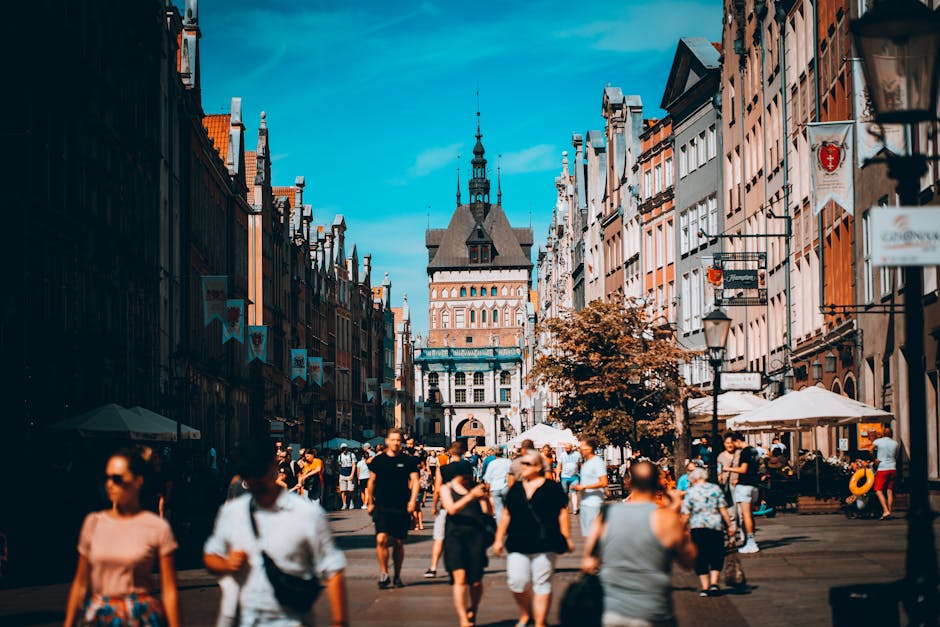
Taste the history of the Baltic. Explore Gdansk's culinary heritage from medieval markets to gold-flecked liqueurs on this self-guided walk.
 Easy
EasyInnsbruck, Austria
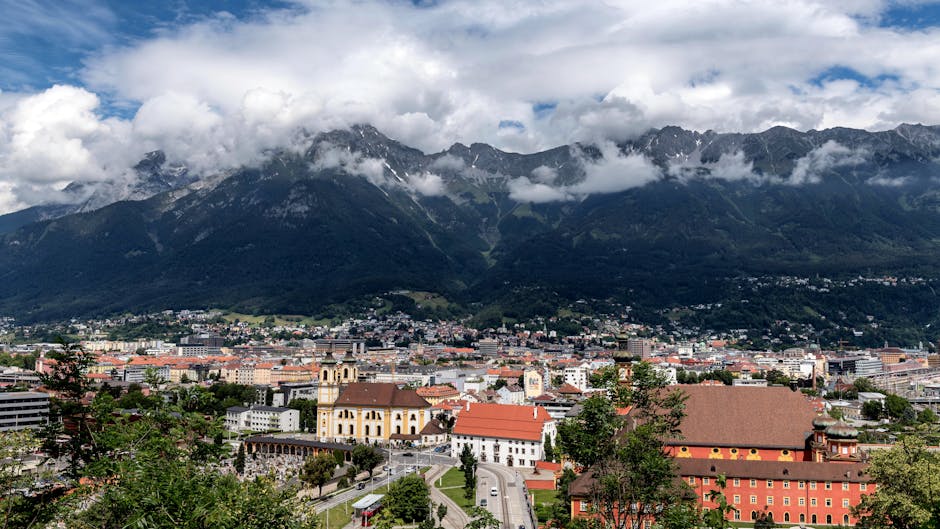
Discover the flavors of Tyrol on this self-guided stroll through Innsbruck’s historic Old Town and vibrant market hall.
 Easy
EasyNairobi, Kenya
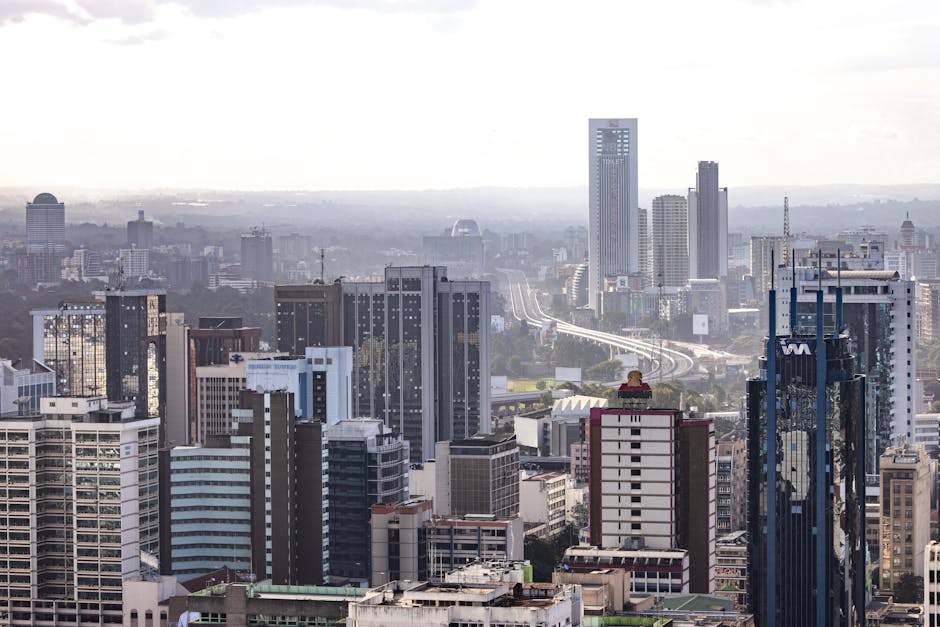
Explore the history of Kenya’s independence through the statues, monuments, and parks that define Nairobi’s political heart on this self-guided walk.
 Easy
EasySalzburg, Austria
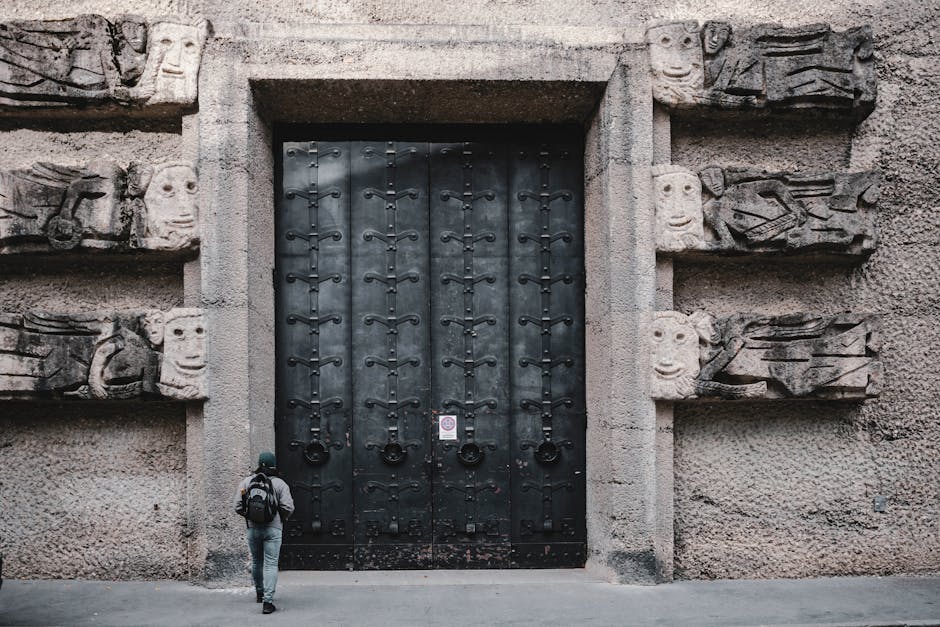
Discover the 'Rome of the North' on this self-guided walk through the Baroque squares and monumental legacy of Salzburg’s Prince-Archbishops.
 Easy
EasyWarsaw, Poland
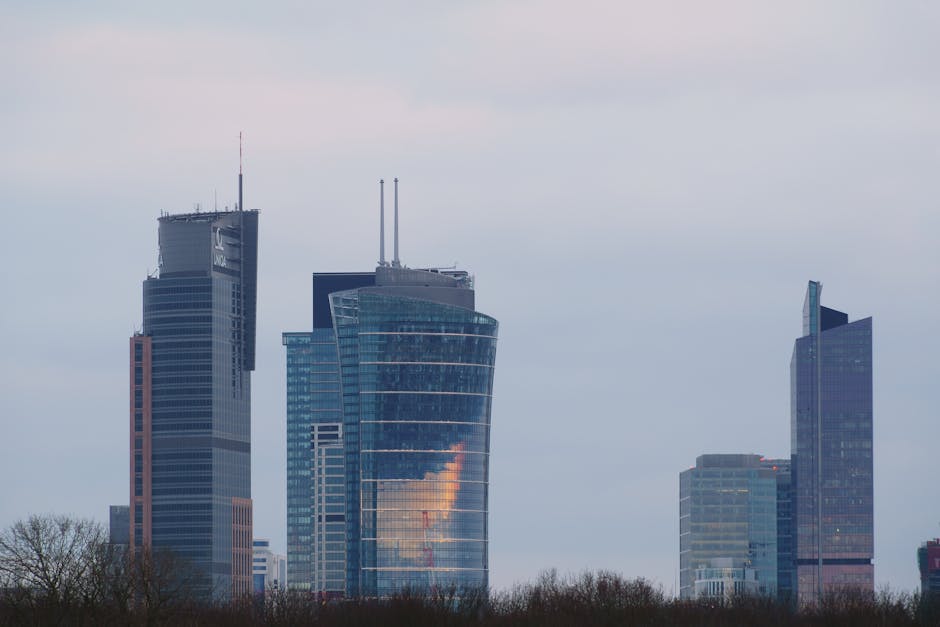
Discover the hidden courtyards and grand pre-war architecture of Warsaw's most atmospheric neighborhood on this self-guided stroll.
 Easy
EasyWarsaw, Poland
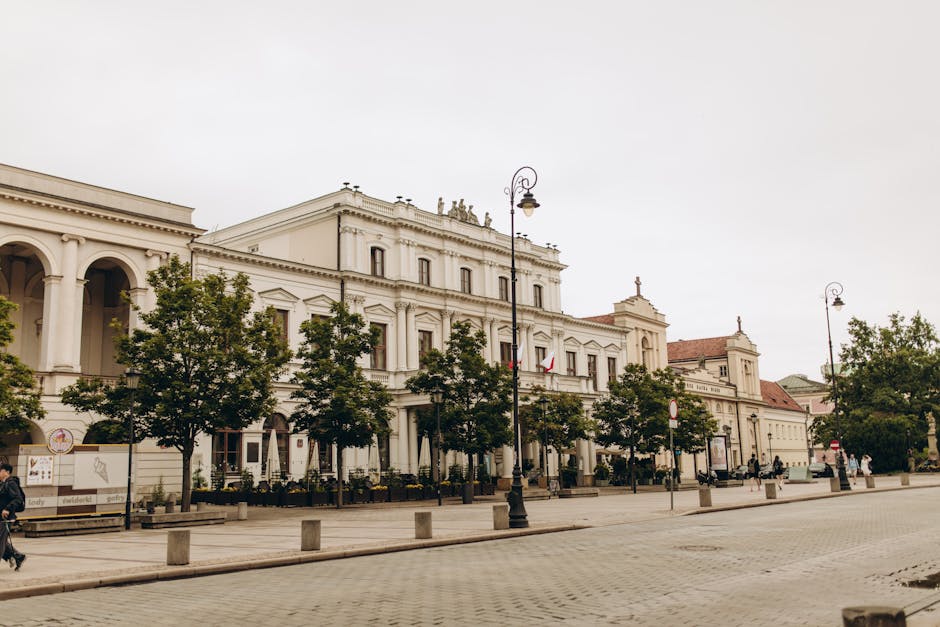
Explore the 'Polish Versailles' at your own pace. Discover Baroque architecture, royal history, and stunning gardens on this self-guided walk.
 Moderate
Warsaw, Poland
Explore the resilient spirit of Warsaw's Muranów district on this self-guided walk through the history and landmarks of the former Jewish Ghetto.
 Moderate
Warsaw, Poland
A powerful self-guided walk through Warsaw's WWII history, tracking the 1944 Uprising from ruined skyscrapers to solemn memorials.