Self-guided audio tour in Berat
Start Free on iPhone
Start free on iPhone to unlock this self-guided walking tour in Berat. Hear all the stories that make it amazing, walk at your own pace, and begin whenever you want.
Your Private Tour Guide
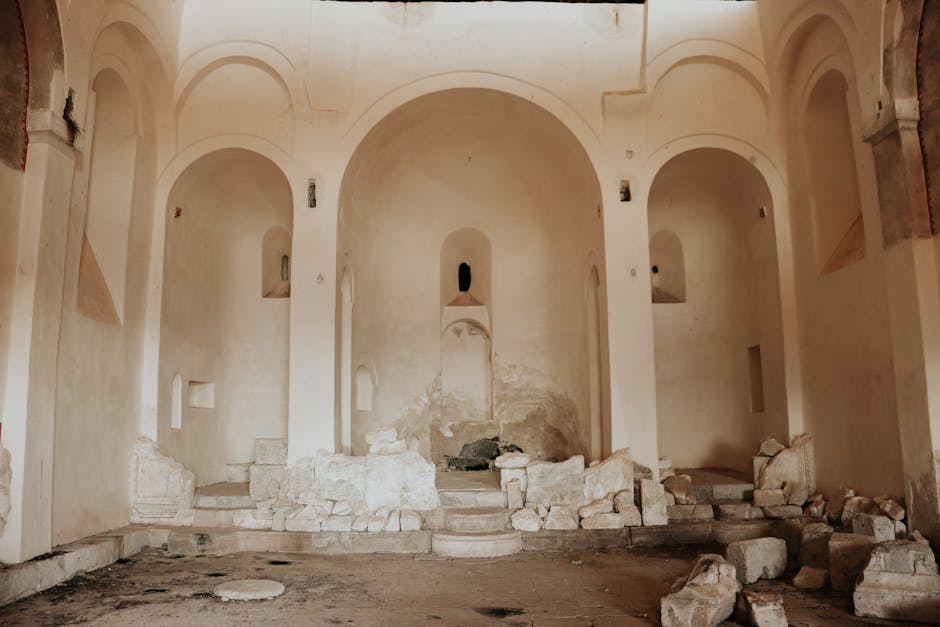
Berat is often called the City of a Thousand Windows, but behind those iconic facades lies a story of profound human connection and courage. This self-guided walking route explores the Jewish Heritage Trail, a journey through the Mangalem and Kala neighborhoods that reveals one of the most remarkable stories of World War II. Albania was the only country in Europe to emerge from the Holocaust with a larger Jewish population than it had at the start, and Berat was a sanctuary at the heart of this miracle. This neighborhood stroll takes you beyond the typical tourist paths to uncover the sites where local families practiced 'Besa'—the Albanian code of honor—to hide and protect Jewish refugees at the risk of their own lives. As you explore independently, you will visit the Solomon Museum, the only institution in the country dedicated to this specific history, and wander through the winding Ottoman-era streets where Jewish and Albanian cultures once thrived side by side. From the ancient castle walls to hidden monuments in the Jewish Quarter, this route offers a deep dive into the city's spirit of religious harmony. You will see how the Jewish community integrated into the local economy as merchants and craftsmen, and stand at the very spots where they found safety. This history-focused travel experience also highlights the broader architectural beauty of the city, including its mosques and Byzantine churches, showcasing why Berat is a UNESCO World Heritage site. This isn't just a walking tour Berat offers for scenery; it is a walk through a living testament of human kindness. Whether you are interested in WWII history or the unique social fabric of the Balkans, this audio walk provides a poignant perspective on the city's soul. Discover the legends of the Qako family and the merchant houses that turned into safe havens, making this one of the most unique experiences for those seeking a historical walking tour Berat.
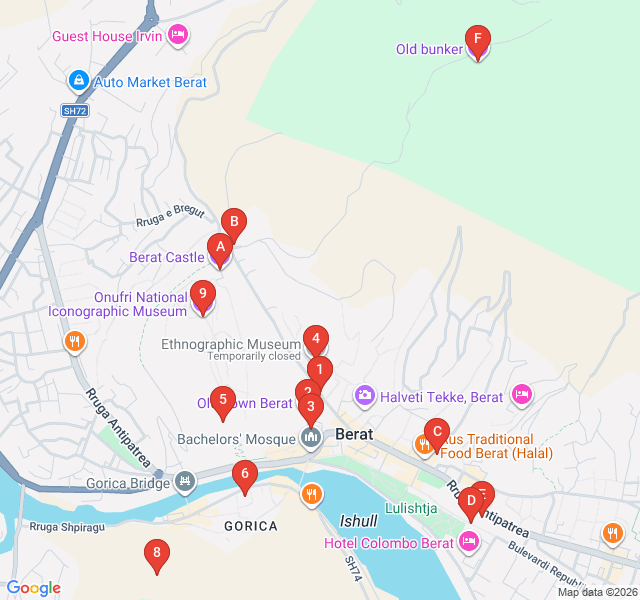
Numbers indicate the order of stops on the tour.
Start exploring with Zigway at the Solomon Museum, a small but vital institution founded by the late Simon Vrusho. This museum is the only one in Albania dedicated to the history of the Jewish community. Inside, you can find photographs, documents, and personal stories of the Jewish families who lived in Berat and the Albanian families who sheltered them during WWII. The museum highlights the concept of 'Besa'—a code of honor that means 'to keep a promise.' It was this cultural pillar that ensured no Jewish person was handed over to the Nazis in Berat. Take a moment to appreciate the humble scale of the museum, which mirrors the grassroots effort required to preserve this often-overlooked history.
Step into the heart of Mangalem, the historic Muslim quarter of the city. As you walk through these narrow, cobbled streets, look up at the white Ottoman houses stacked upon each other. This area was once a bustling commercial hub where Jewish merchants traded alongside their Christian and Muslim neighbors. The architecture here is characterized by large windows designed to let in light, giving the city its famous nickname. The coexistence you see in the architecture reflects the social coexistence that defined the city for centuries. Imagine the sounds of various languages and the smells of the bazaar that once filled these alleys.
This modest monument marks the area traditionally known as the Jewish Quarter of Berat. While the community was never segregated into a ghetto, many Jewish families settled in this part of Mangalem due to its proximity to the commercial center. During the 1930s and 40s, this area became a focal point for refugees fleeing from elsewhere in Europe. The monument serves as a tribute to the 60 families of Berat who risked everything to hide over 600 Jewish individuals. It is a quiet place for reflection on the bravery of ordinary citizens who chose humanity over fear during the darkest days of the 20th century.
This well-preserved merchant house is a prime example of the 18th-century architecture that housed Berat's elite. Notice the intricate woodwork and the 'çardak'—an open gallery on the upper floor. Houses like these were often used as secret shelters for Jewish families during the war. The thick stone walls and complex internal layouts provided perfect hiding spots. These buildings were more than just residences; they were centers of economic life. Jewish families were deeply integrated into the local economy, often working as tailors, tinsmiths, and merchants, contributing to the prosperity that built these magnificent structures.
As you begin your ascent toward the citadel, you will pass the ancient defensive walls. These stones have watched over Berat since the 4th century BC. Over the millennia, they were reinforced by Romans, Byzantines, and Ottomans. For the Jewish community, these walls represented safety. During times of conflict, the entire population, regardless of faith, would retreat within the castle's perimeter. The layers of stone you see here are a physical timeline of the city's endurance. Take a moment to look back at the Mangalem district from this vantage point to see the 'thousand windows' in their full glory.
The Qako family house is another significant site on our route. The Qakos were among the many local families who famously sheltered Jewish refugees. In Albania, a guest is seen as a sacred trust. When Jewish families arrived, they were often given local clothes and names to blend in. This house museum offers a glimpse into the daily life of Berat's residents. The domestic spaces here tell a story of shared meals and whispered conversations, where the boundaries between protector and protected blurred into a single family unit. It stands as a living museum of the 'Besa' spirit.
This monument is dedicated to the 'Martyrs of the Nation' who fought for Albania's liberation. While it primarily honors the partisan resistance during WWII, it also encompasses the broader struggle against fascism. The Jewish history of Berat is inextricably linked to this resistance; many Jews joined the partisan ranks to fight the occupiers. The statue's heroic style is typical of the socialist realist art of the mid-20th century. It reminds us that the sanctuary provided to the Jewish community was part of a larger, courageous defiance against the Axis powers that occupied Albania.
Across the Osum River lies the Gorica Hill, home to the ruins of an ancient fortification. While less preserved than the main Berat Castle, these ruins offer a different perspective on the city's geography. From here, one could monitor the entire valley. In the context of Jewish history, the Gorica neighborhood was the Christian quarter, yet the same rules of 'Besa' applied here. Jewish refugees were moved between Mangalem and Gorica to evade detection by patrols. The river below acted as both a barrier and a lifeline, connecting the different parts of this diverse city.
Located inside the Church of the Dormition of St. Mary within the castle, this museum holds the masterpieces of Onufri, a 16th-century master of Byzantine icons. While the museum is Christian in focus, its presence here is vital to the theme of religious harmony. The Jewish community lived in a city where the 'Onufri Red'—a secret pigment used by the artist—was a source of local pride. This museum highlights the deep cultural and artistic roots of Berat. The respect for religious art and spaces in Albania often translated into a general respect for all 'People of the Book,' including the Jewish community.
The 'Kala' or Berat Castle is unique because it is still inhabited today. As you walk through its streets, you are walking through a living fortress. During WWII, the labyrinthine alleys of the castle provided a perfect hiding place. Local residents would hide Jewish guests in plain sight, often claiming they were relatives visiting from distant villages. The castle's churches and mosques stood side-by-side, creating an atmosphere of tolerance that was rare in Europe at the time. Explore the small shops and cafes here, where the descendants of those who provided sanctuary still live.
This monument commemorates an Italian battalion that turned against the German occupiers to join the Albanian partisans. It is a symbol of international solidarity. Many Jewish refugees who had fled from Italy or other parts of Europe found themselves in a complex landscape of shifting alliances. This monument stands near the castle entrance, marking a spot where different nationalities and ideologies converged in the fight for freedom. It serves as a reminder that the sanctuary of Berat was part of a much larger, international struggle against the Holocaust and Nazi occupation.
Descending from the castle, we arrive at the Lead Mosque, named for the lead coating on its domes. Built in the 16th century, it is one of the most beautiful Ottoman structures in Albania. The plaza here has long been a meeting place for the city's diverse residents. For the Jewish community, the presence of the mosque was a sign of the Ottoman tradition of religious pluralism that had allowed them to settle in the Balkans centuries earlier. The mosque survived the atheism campaign of the communist era and remains a symbol of Berat's enduring spiritual life.
Bulevardi Republika is the social heart of modern Berat. This wide pedestrian street is perfect for the 'Xhiro'—the traditional evening walk where locals come out to socialize. In the past, this area was near the bustling markets where Jewish and Albanian traders met daily. Today, it is lined with cafes and provides a view of both the Mangalem and Gorica districts. This is where the city's history meets its vibrant present. As you walk here, you can see the mix of generations, a testament to the community's survival and continuity through centuries of change.
The Municipality building represents the civic administration of the city. During the 1940s, the local administration played a quiet but crucial role in protecting Jews. Officials often issued false identity papers or 'forgot' to register new arrivals, effectively hiding them from the occupying forces. This bureaucratic resistance was just as important as the physical hiding in homes. The building today stands as a reminder of the civic duty to protect all citizens. It is located at the edge of the modern center, bridging the gap between the old world and the new.
We end our walking route at a relic of a different era: a Cold War bunker. These mushroom-shaped concrete structures are scattered all over Albania, a legacy of the Enver Hoxha regime. While they represent a later, more isolated period of history, they also symbolize the Albanian obsession with defense and security. Ironically, the country that was so closed off during the Cold War was the same one that had opened its doors so wide to Jewish refugees just decades earlier. From here, you can reflect on the many layers of Berat's history—from ancient sanctuary to modern state.
Start Free on iPhone
Explore “Sanctuary of the Soul: The Jewish Heritage Trail” with your very own Private Tour Guide with Zigway. Start free on iPhone, skip the large group and the fixed routes, and hear the city come alive as you go.
Your Private Tour Guide
Don't miss the good stuff
Explore Freely
 Easy
EasyBerat, Albania
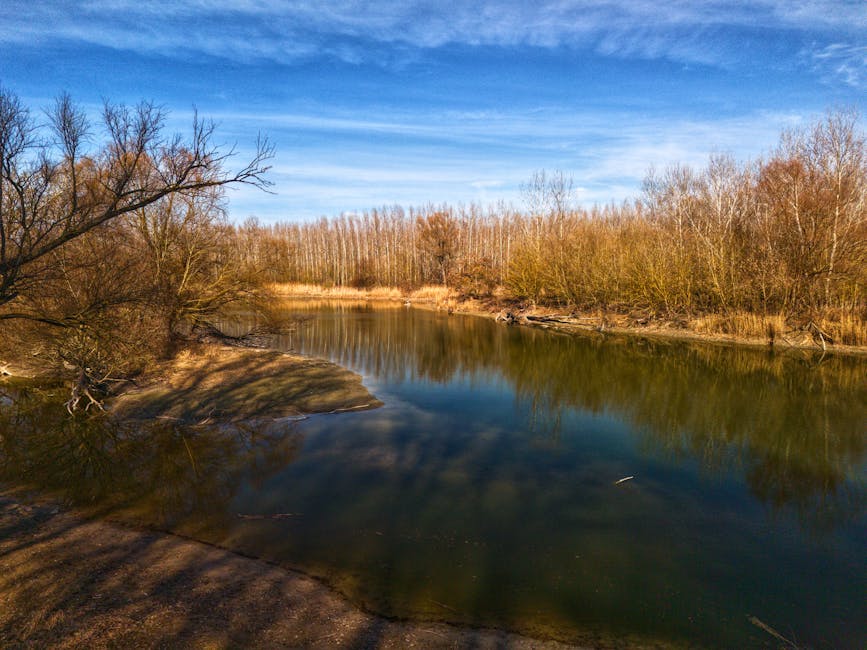
Explore Berat’s stunning riverside, historic bridges, and iconic 'thousand windows' views on this peaceful self-guided nature and photography walk.
 Moderate
Berat, Albania
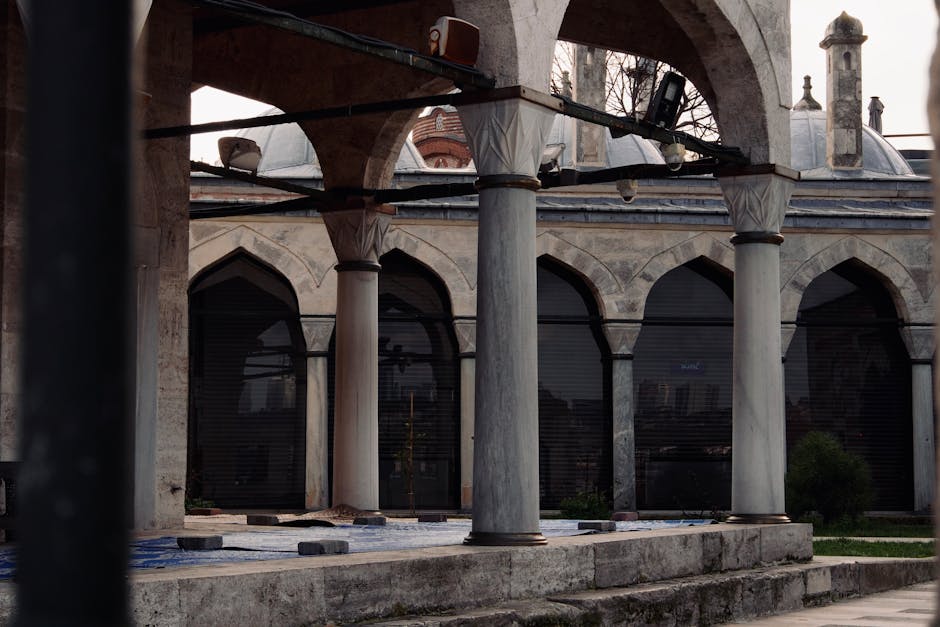
Explore Berat’s unique religious harmony on this self-guided walk through ancient mosques, Sufi shrines, and Byzantine churches.
 Moderate
Berat, Albania
Discover the legends and landmarks of Berat on this self-guided walk through Ottoman neighborhoods and the ancient living citadel.
 Moderate
Berat, Albania
Explore the 'City of a Thousand Windows' on this self-guided walk through the historic Ottoman districts of Mangalem and Gorica in Berat.
 Easy
EasyNairobi, Kenya
Discover Nairobi’s literary soul on this self-guided walk through historic libraries, iconic bookshops, and cultural centers in the heart of the CBD.
 Easy
EasyKrakow, Poland
Explore the historic heart of Kazimierz on this self-guided walk through synagogues, ancient cemeteries, and vibrant squares.
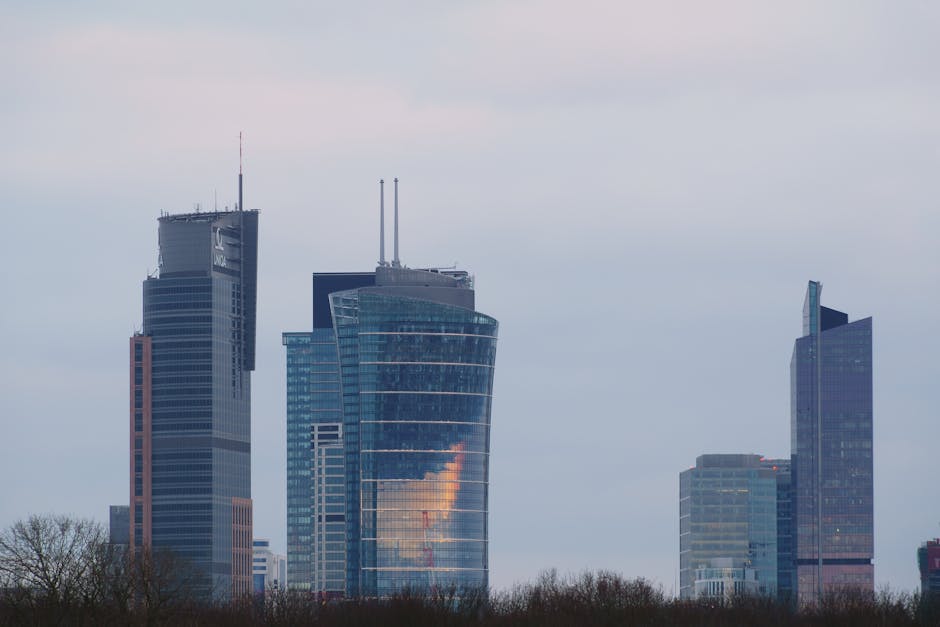 Easy
EasyWarsaw, Poland
Discover the hidden courtyards and grand pre-war architecture of Warsaw's most atmospheric neighborhood on this self-guided stroll.
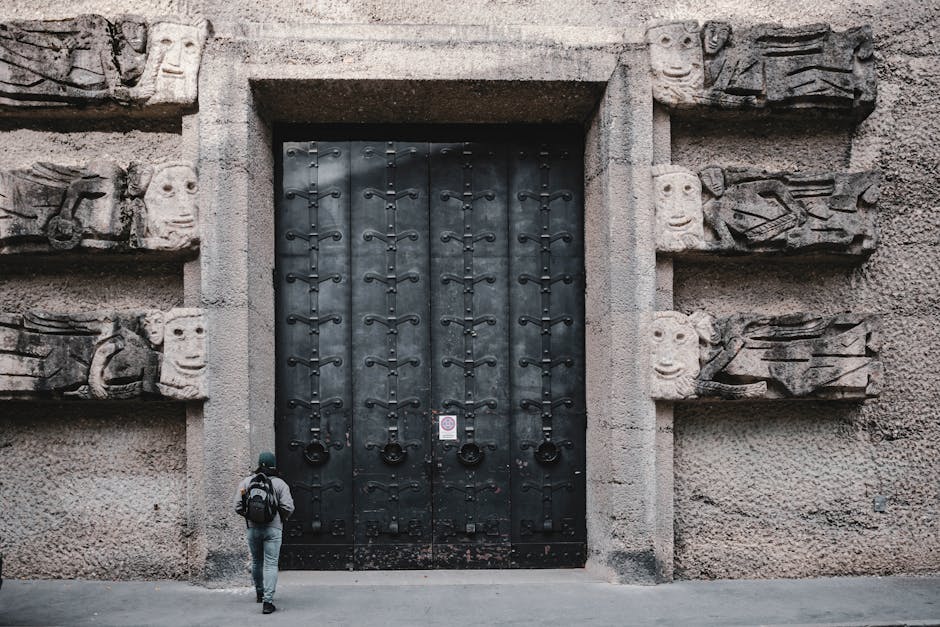 Easy
EasySalzburg, Austria
Discover Salzburg's oldest medieval alley, the birthplace of the 'Silent Night' author, and breathtaking views on this quiet self-guided walk.
 Easy
EasyTirana, Albania
Explore the vibrant stalls of Pazari i Ri and the trendy eateries of Blloku on this flavor-focused self-guided walk through Tirana.
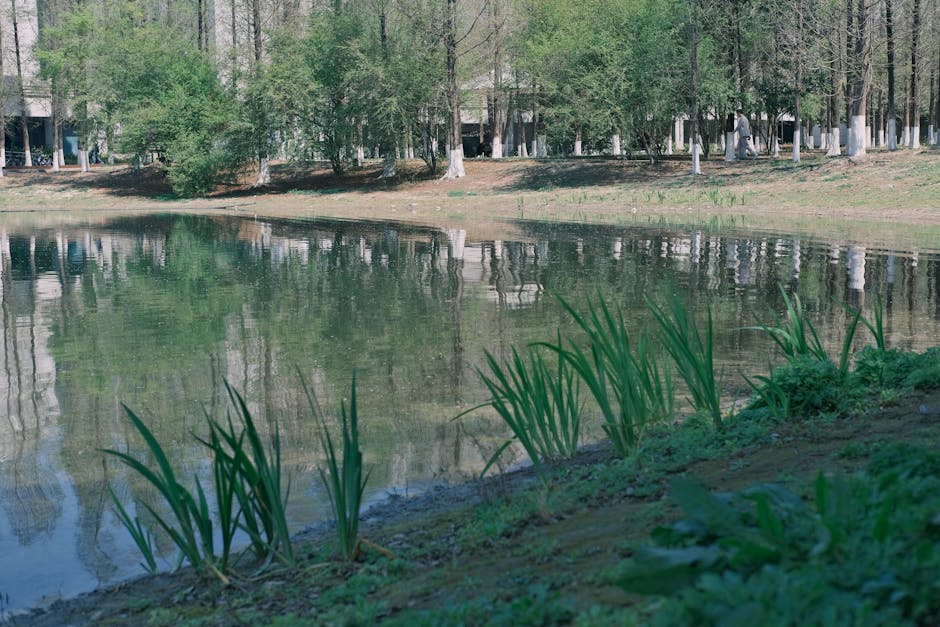 Moderate
Tirana, Albania
Explore Tirana's green side on this self-guided walk from Skanderbeg Square to the serene Grand Park and hidden lakeside memorials.
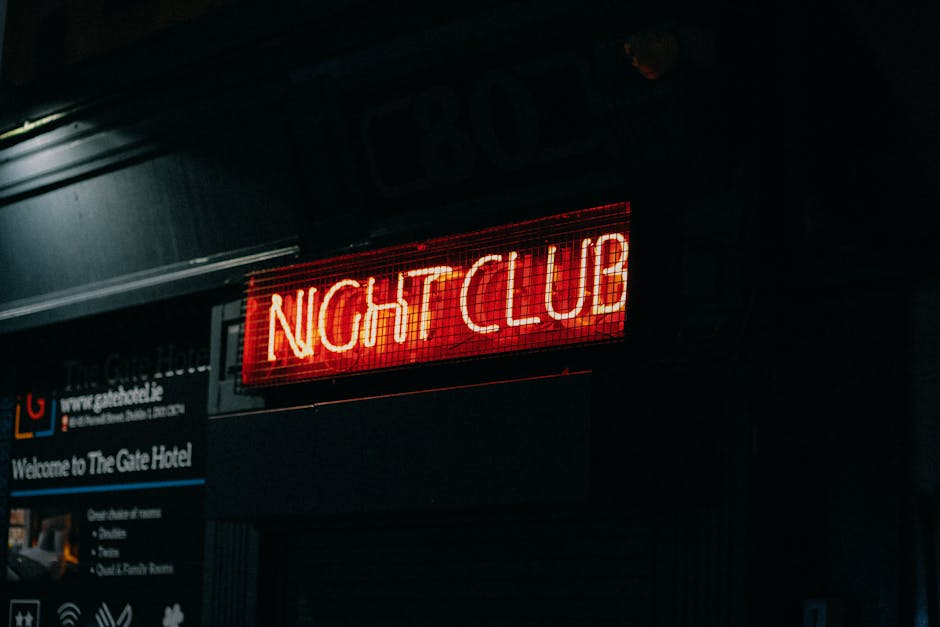 Easy
EasyTirana, Albania
Explore Tirana’s neon-lit landmarks and vibrant nightlife districts on this self-guided evening photography walk.
 Easy
EasyTirana, Albania
Explore Tirana’s unique religious harmony on this self-guided walk through historic mosques, grand cathedrals, and Ottoman landmarks.