Self-guided audio tour in Zagreb
Start Free on iPhone
Start free on iPhone to unlock this self-guided walking tour in Zagreb. Hear all the stories that make it amazing, walk at your own pace, and begin whenever you want.
Your Private Tour Guide
Zagreb is a city that wears its history on its facade, and this self-guided walk through the Lower and Upper Towns reveals a fascinating transition from the ornate flourishes of the 19th century to the bold, clean lines of the 20th century. At the heart of this evolution is Ivan Meštrović, Croatia’s most celebrated sculptor, whose work bridges the gap between traditional forms and modern expression. This walking route invites you to explore the architectural landscape of Zagreb, starting with the functionalist masterpieces that defined the city’s interwar period and leading to the personal sanctuary of the artist himself. As you navigate the streets of Donji Grad, you will encounter the Napredak Building, a symbol of the 1930s avant-garde, before discovering the whimsy of the Kallina House, famous for its intricate ceramic tile exterior. The journey continues toward the cultural hub of the city, where the Croatian National Theatre stands in its Neo-Baroque glory, contrasted by the raw emotion of Meštrović’s 'Well of Life.' This sculpture serves as a centerpiece for the city's artistic identity, capturing the cycle of human existence in bronze. This travel experience isn't just about buildings; it’s about the spirit of a city that was rapidly modernizing while holding onto its cultural roots. The route then takes a brief ascent toward the Upper Town to visit the Meštrović Atelier. This was the artist's home and studio, offering an intimate look at where his world-renowned sculptures were conceived. Finally, the walk concludes at the Meštrović Pavilion, a circular architectural marvel that has served as an art gallery, a mosque, and a museum over the decades. This self-guided adventure offers the flexibility to linger at your favorite sites and dive deep into the world of Croatian art. Whether you are an architecture enthusiast or a casual traveler, this exploration provides a comprehensive look at the modernist masterpieces that define the skyline of Zagreb. Discover the city’s artistic soul at your own pace through this curated neighborhood stroll.
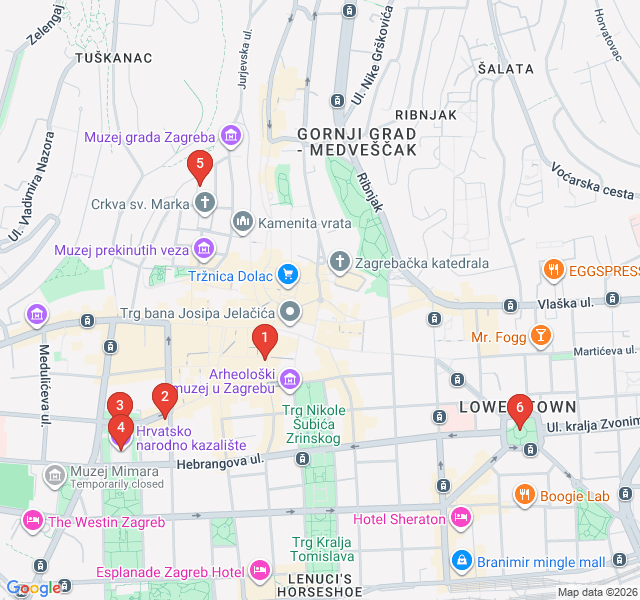
Numbers indicate the order of stops on the tour.
Begin your exploration at the Napredak Building, located in the heart of Zagreb's pedestrian zone. Designed by Stjepan Planić and completed in 1936, this structure is a landmark of Croatian modernism. Planić was a pioneer who sought to bring functionalist ideals to the city. Notice the horizontal ribbon windows and the sleek, unadorned facade, which were revolutionary at the time. The building was commissioned by the Napredak cultural society and was intended to be a multi-use space, including a cinema and apartments. It represents the shift in Zagreb's urban planning toward international styles, moving away from the more decorative traditions of the past.
A short walk away stands one of Zagreb’s most photogenic buildings, the Kallina House. Built between 1903 and 1904 by architect Vjekoslav Bastl, this is a prime example of the Vienna Secession style in Croatia. What makes it unique is the entire exterior is covered in decorative ceramic tiles produced by the building's owner, Josip Kallina. Look closely at the patterns—they feature floral motifs and geometric designs that were the height of fashion at the turn of the century. The ironwork on the balconies and the corner turret further emphasize the Art Nouveau aesthetic, making it a standout masterpiece in the Lower Town architecture.
Located directly in front of the Croatian National Theatre, 'The Well of Life' is one of Ivan Meštrović's most famous works. Created in 1905 when the artist was only 22 years old, this bronze fountain depicts ten figures—young and old—crouched around a central well that represents the source of life and knowledge. The fluid, muscular forms and the sense of longing on the figures' faces show Meštrović's early mastery of human emotion. It is a contemplative piece that invites you to walk around it and observe the different stages of life represented in the bronze. It remains a beloved meeting point for locals today.
Standing as a yellow jewel in the center of Republic of Croatia Square, the Croatian National Theatre (HNK) is a Neo-Baroque masterpiece. Opened in 1895 by Emperor Franz Joseph I, it was designed by the famous Viennese duo Fellner & Helmer, who built theatres across the Austro-Hungarian Empire. While the exterior is grand and ornate, the theatre is also the heart of Zagreb's high culture, hosting opera, drama, and ballet. The building’s location marks the start of the 'Green Horseshoe,' a series of parks and squares that define the layout of the Lower Town. Its vibrant yellow hue is a signature color of the Habsburg era.
As you move toward the Upper Town, you arrive at the Meštrović Atelier, the former residence and studio of Ivan Meštrović. He lived here between 1922 and 1942, transforming a 17th-century house into a modern sanctuary for his art. Inside, you can see how the artist lived, surrounded by his sculptures, drawings, and furniture. The studio space, with its high ceilings and natural light, provides insight into his creative process. Meštrović eventually donated the house and many of his works to the state, ensuring that his legacy would remain accessible to the public. It is a quiet, reflective space that contrasts with the bustling streets below.
The final stop on this walking route is the Meštrović Pavilion, a striking circular building that dominates the Square of the Victims of Fascism. Designed by Meštrović himself in the 1930s, it was originally intended as an art gallery. However, its history is complex; during WWII, it was converted into a mosque with three minarets added (later removed), and it then served as a Museum of the Revolution. Today, it has returned to its original purpose as the Home of Croatian Fine Artists. Its simple, powerful geometry and white stone exterior make it one of the most iconic examples of modernist architecture in Zagreb.
Start Free on iPhone
Explore “Modernist Masterpieces and Meštrović” with your very own Private Tour Guide with Zigway. Start free on iPhone, skip the large group and the fixed routes, and hear the city come alive as you go.
Your Private Tour Guide
Don't miss the good stuff
Explore Freely
 Easy
EasyZagreb, Croatia
Explore Zagreb's grand 'Green Horseshoe' on this self-guided walk through stunning 19th-century parks, iconic museums, and lush gardens.
 Moderate
Zagreb, Croatia
Discover the Brutalist icons of Novi Zagreb on this self-guided walk through massive residential blocks and striking socialist-era architecture.
 Moderate
Zagreb, Croatia
Explore the dark folklore and witch-hunt history of Zagreb's Upper Town on this atmospheric self-guided audio walk through Gornji Grad.
 Easy
EasyZagreb, Croatia
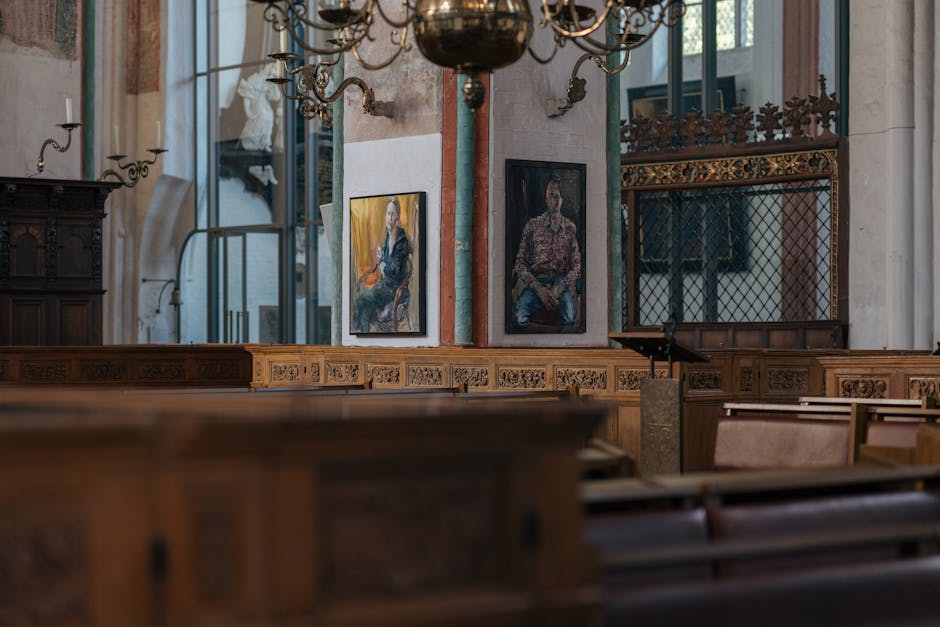
Explore Zagreb's stunning Mirogoj Cemetery and iconic university architecture on this peaceful, self-guided artistic journey.
 Easy
EasyGothenburg, Sweden
Explore Gothenburg's elegant academic district, featuring grand 19th-century stone architecture and the iconic cultural hub of Götaplatsen.
 Easy
EasyGdansk, Poland
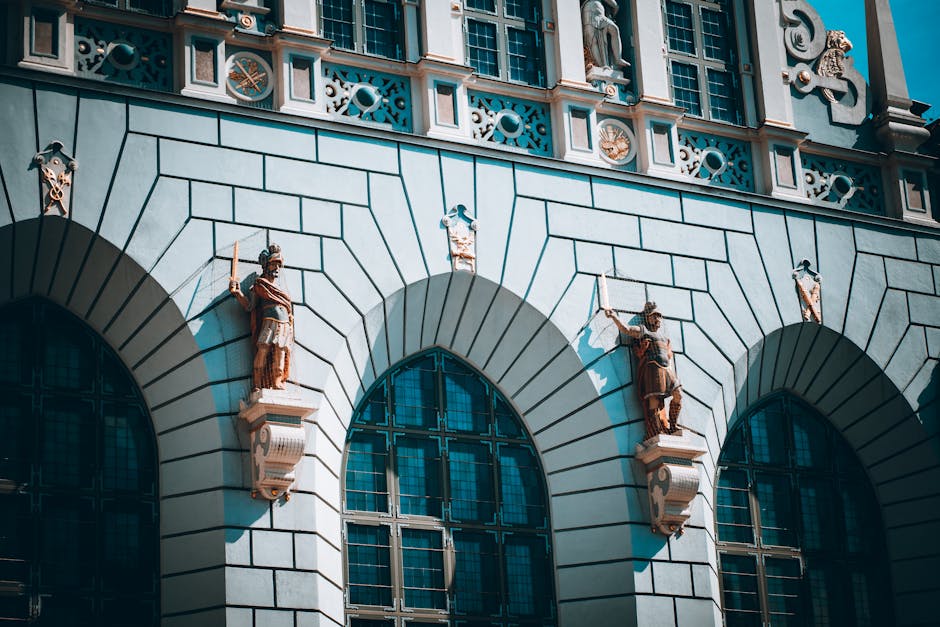
Discover the opulent Royal Way of Gdansk at your own pace. Explore Hanseatic history, gilded architecture, and the iconic Neptune's Fountain.
 Easy
EasyGdansk, Poland
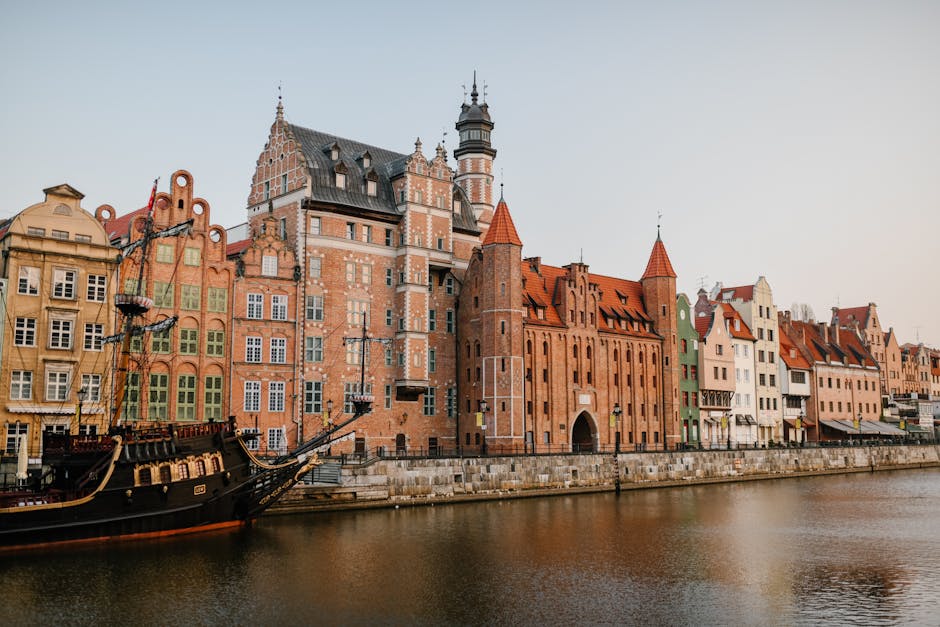
Discover the 'Baltic Gold' on this self-guided walk through Gdansk's historic mills, massive cathedrals, and the magical Mariacka Street.
 Easy
EasyWarsaw, Poland
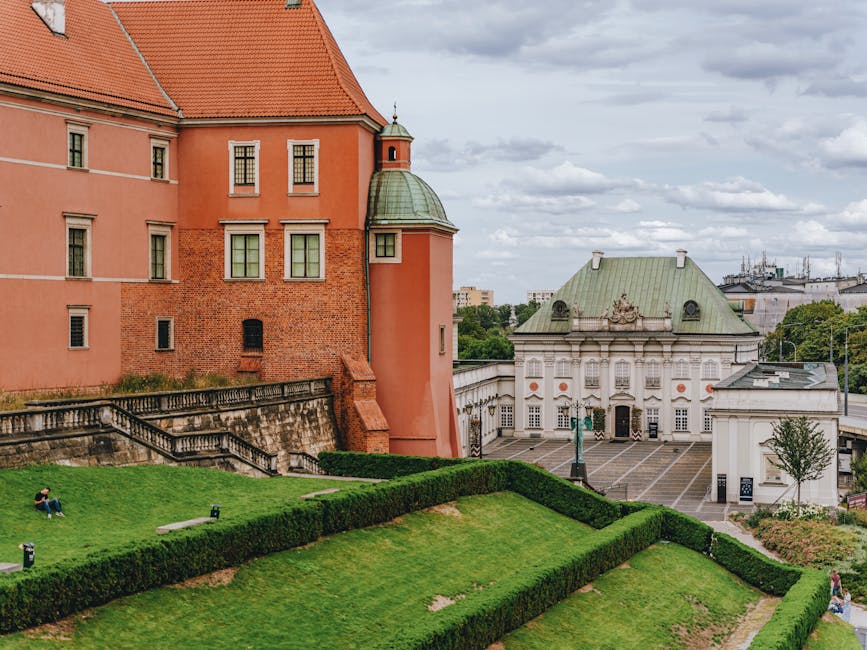
Explore the miracle of Warsaw's reconstructed Old Town on this self-guided walk through royal squares, medieval walls, and heroic monuments.
 Easy
EasyDubrovnik, Croatia
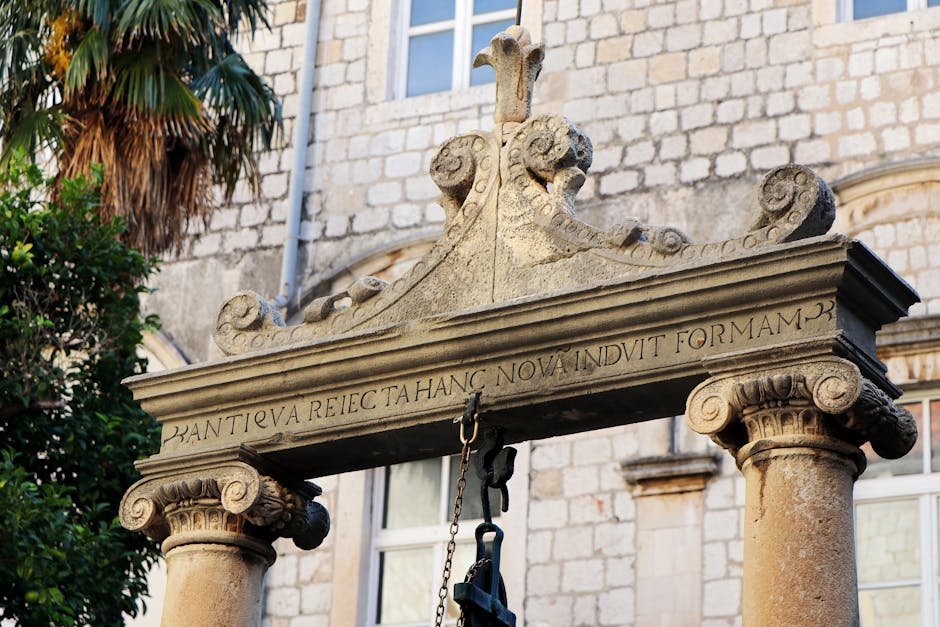
Explore Dubrovnik’s legendary maritime history on this self-guided walk through the Old Port, ancient shipyards, and the historic quarantine station.
 Easy
EasyDubrovnik, Croatia
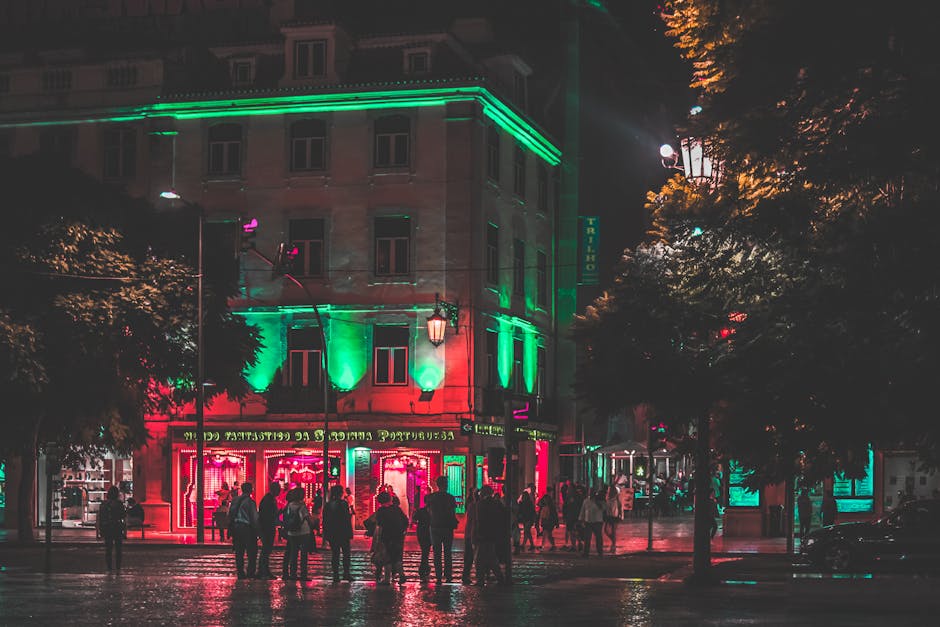
Discover Dubrovnik's nocturnal charm on this self-guided walk through lantern-lit alleys, jazz spots, and hidden cliffside bars.
 Moderate
Dubrovnik, Croatia
Escape the crowds and discover Dubrovnik's wild side on this scenic self-guided coastal walk through Lapad's pine forests and hidden bays.
 Easy
EasyDubrovnik, Croatia
Discover Dubrovnik's intellectual soul on this self-guided walk through ancient libraries, historic pharmacies, and serene monastic cloisters.