Self-guided audio tour in Belgrade
Start Free on iPhone
Start free on iPhone to unlock this self-guided walking tour in Belgrade. Hear all the stories that make it amazing, walk at your own pace, and begin whenever you want.
Your Private Tour Guide
Savamala is more than just a neighborhood; it is the beating heart of Belgrade's creative soul. Once a neglected industrial port district, this area beneath the Branko's Bridge has transformed into a vibrant cultural hub where crumbling 19th-century mansions stand side-by-side with avant-garde street art and industrial-chic nightlife. This self-guided walk invites you to explore the fascinating juxtaposition of Belgrade's aristocratic past and its gritty, contemporary rebirth. As you navigate the cobblestone streets, you will witness how urban decay has been reimagined through the lens of local artists and cultural pioneers. The route highlights the resilience of Belgrade's spirit, showcasing landmarks like the skeletal Spanish House and the magnificent Geozavod building, an architectural masterpiece that serves as a testament to the city's early 20th-century wealth. Whether you are an art enthusiast, a history buff, or someone looking for the best neighborhood stroll in the city, Savamala offers a unique atmosphere that can only be truly appreciated on foot. This walking route Belgrade experience focuses on the 'Creative Pulse' of the area, guiding you through the backstreets where the Belgrade Design District and various cultural centers first took root. You will learn about the history of the Sava riverbank, the impact of recent urban renewal projects, and the grassroots movements that saved these historic structures from oblivion. From the massive murals decorating the pillars of Branko's Bridge to the sleek, modern transformation of Beton Hala, this audio walk provides a comprehensive look at the evolution of Belgrade's most eclectic district. Explore at your own pace, stop for a coffee in a hidden courtyard, and immerse yourself in the urban legends that make Savamala a local favorite for evening wanderings and artistic discovery. **Note:** This area is known for its ever-changing character. Street art, pop-up venues, and temporary exhibitions may differ from what's described. That's part of the adventure - you might discover something entirely new!
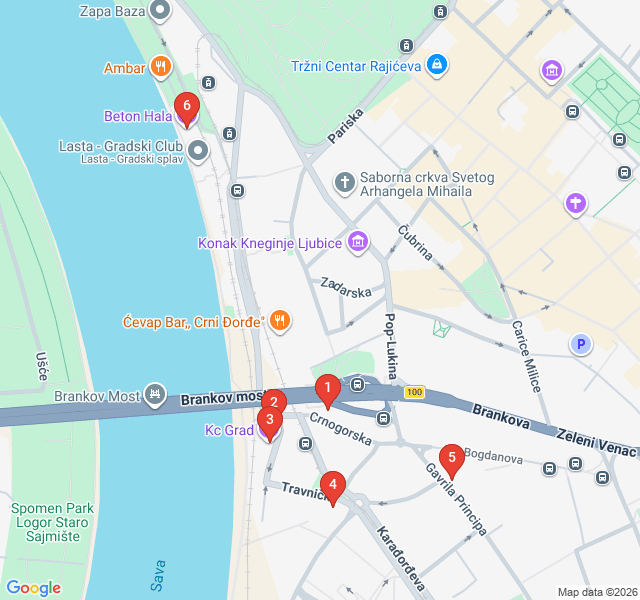
Numbers indicate the order of stops on the tour.
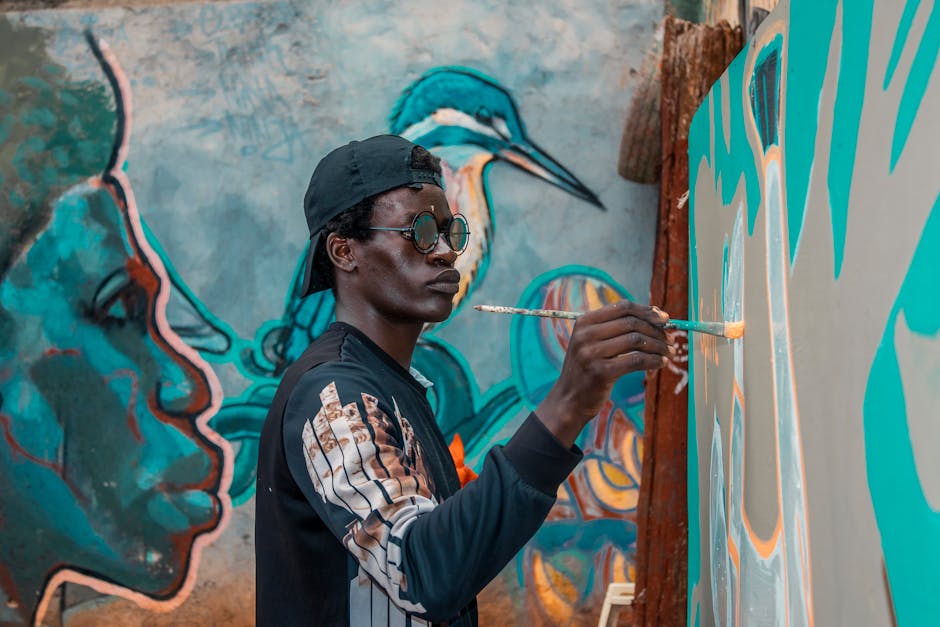
Start your journey beneath the massive concrete pillars of Branko's Bridge. This area serves as Belgrade's premier open-air gallery. Look for the iconic 'La Santa de Beograd' mural, a hauntingly beautiful work by artist Giotto, which has become a symbol of the neighborhood's resilience. Street art here is a living medium; while some pieces are permanent landmarks, others change frequently as new artists contribute to the district's visual narrative. These murals represent the first wave of Savamala’s creative revival, turning a dark transit point into a colorful gateway. Take a moment to appreciate the scale of these works, which often reflect the complex social and historical identity of the city.
Standing as a skeletal reminder of the past, the Spanish House is one of Savamala's most evocative sites. Built in the late 19th century as a shipping company headquarters, it later served as a customs house and even a museum. Today, it remains a roofless shell, stripped of its interior but retaining its grand facade. Plans for its reconstruction have come and gone, but in its current state, it has become a favorite spot for art installations and photography. It perfectly encapsulates the 'ruin-porn' aesthetic that defined Savamala for decades before the recent wave of modern redevelopment. Its name, 'Spanish House,' is an urban mystery, with various legends attributing it to former residents or architectural inspirations.
Welcome to KC Grad, the Cultural Center of Belgrade. This venue was a pioneer in Savamala's urban renewal. Housed in a former industrial warehouse dating back to 1884, it was transformed in 2009 into a multifunctional space for art, music, and debate. KC Grad was instrumental in proving that Belgrade's neglected industrial heritage could be repurposed for modern culture. The interior retains its rugged, warehouse feel, often hosting exhibitions by local designers or international DJs. The small garden and bar area are local favorites for a quick break. It represents the grassroots, independent spirit that fought to keep Savamala's identity alive during the city's rapid transitions.
Prepare to be dazzled by the Geozavod, also known as the Belgrade Cooperative building. Completed in 1907, it is a masterpiece of Art Nouveau and Baroque Revival architecture. It was once the most prestigious bank in the city, symbolizing the economic power of the Savamala district at the turn of the century. After decades of neglect, it was meticulously restored and now serves as a gallery and office space. Note the intricate stone carvings, the monumental staircase, and the statues on the roof representing different sectors of the economy. It stands in stark contrast to the gritty warehouses nearby, reminding us of Belgrade's 'Golden Age' when this riverbank was the city's primary gateway to Europe.
As you move slightly uphill, you encounter Manak's House, a rare surviving example of traditional Balkan architecture from the 1830s. At a time when Belgrade was transitioning from Oriental to Western styles, this house served as a tavern and a shop. Today, it is an ethnographic museum housing a vast collection of folk costumes and jewelry. Its timber-frame construction and characteristic bay windows offer a glimpse into the Belgrade that existed before the grand European-style mansions of Savamala were built. It provides a quiet, historical counterpoint to the industrial and modern vibes of the rest of the neighborhood. Please note that museum hours vary, but the exterior itself is a significant historical landmark.
Finish your stroll at Beton Hala, or the 'Concrete Hall.' These former customs warehouses along the Sava riverbank have been converted into a sleek row of high-end restaurants, bars, and galleries. This is the modern face of Savamala’s urban renewal—polished, upscale, and bustling with energy. While the interior is now luxury dining, the exterior maintains its industrial, minimalist aesthetic. It is the perfect place to watch the sunset over the river or enjoy a drink while reflecting on the neighborhood's journey from a gritty port to a world-class lifestyle destination. From here, you can easily walk back up to the city center or continue along the river toward the Belgrade Waterfront.
Start Free on iPhone
Explore “Savamala Creative Pulse: Street Art & Urban Renewal” with your very own Private Tour Guide with Zigway. Start free on iPhone, skip the large group and the fixed routes, and hear the city come alive as you go.
Your Private Tour Guide
Don't miss the good stuff
Explore Freely
 Easy
EasyBelgrade, Serbia
Discover Lower Dorćol, where 18th-century history meets industrial revival and vibrant street art on this self-guided stroll through Belgrade.
 Easy
EasyBelgrade, Serbia
Discover Belgrade’s bohemian heart. Explore the historic Skadarlija quarter and Dorćol’s hidden Ottoman gems on this self-guided audio walk.
 Easy
EasyBelgrade, Serbia
Explore the future of Serbia's capital on this self-guided walk through the modern Belgrade Waterfront and the scenic Sava Promenada.
 Moderate
Belgrade, Serbia
Explore the legacy of Yugoslavia on this self-guided walk from Tito’s tomb to the historic ruins and monuments of central Belgrade.
 Easy
EasyVienna, Austria
Explore Vienna’s vibrant open-air gallery along the Danube Canal on this self-guided street art and nightlife stroll through Leopoldstadt.
 Easy
EasyKrakow, Poland
Explore Krakow's hidden nightlife with this self-guided walk through medieval cellars, jazz clubs, and bohemian bars in the Old Town and Kazimierz.
 Easy
EasyWarsaw, Poland
Discover the hidden courtyards and grand pre-war architecture of Warsaw's most atmospheric neighborhood on this self-guided stroll.
 Moderate
Helsinki, Finland
Explore Helsinki's bohemian heart. Discover historic saunas, granite churches, and the vibrant local life of the Kallio neighborhood at your own pace.
 Easy
EasyNovi Sad, Serbia
Explore the vibrant soul of Novi Sad's nightlife on this self-guided walk through iconic pubs, craft beer gems, and the famous Laze Telečkog street.
 Easy
EasyNovi Sad, Serbia
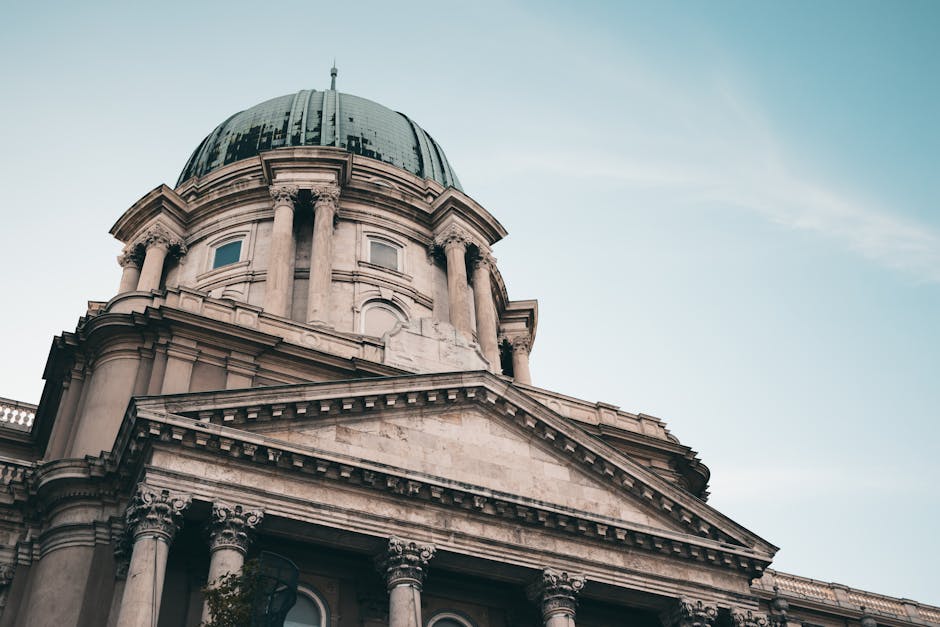
Explore the Austro-Hungarian grandeur of Novi Sad's historic center on this self-guided walking route through the elegant streets of Stari Grad.
 Moderate
Novi Sad, Serbia
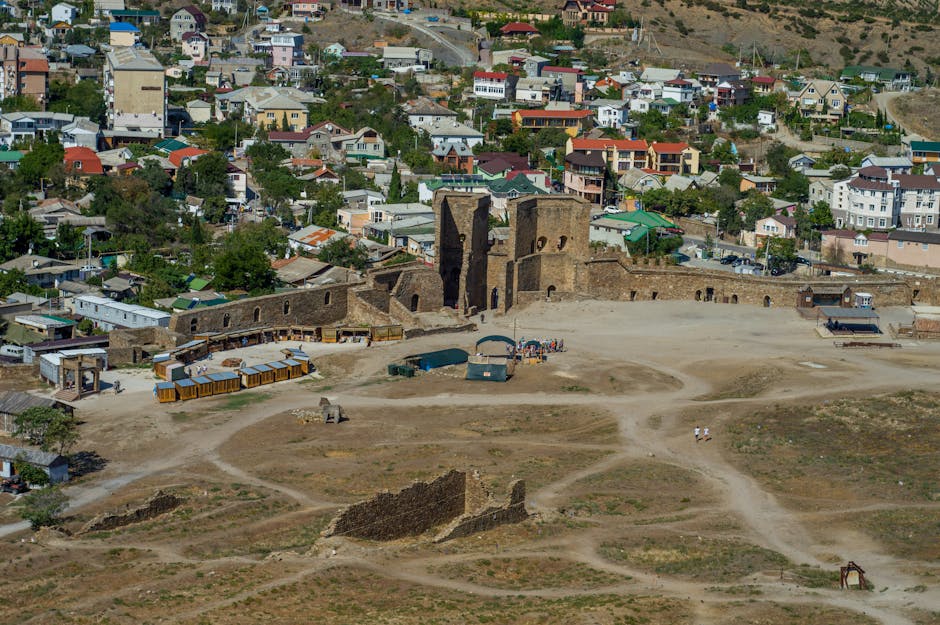
Explore the 'Gibraltar on the Danube' from Novi Sad's elegant city center to the massive underground tunnels of Petrovaradin Fortress.
 Easy
EasyNovi Sad, Serbia
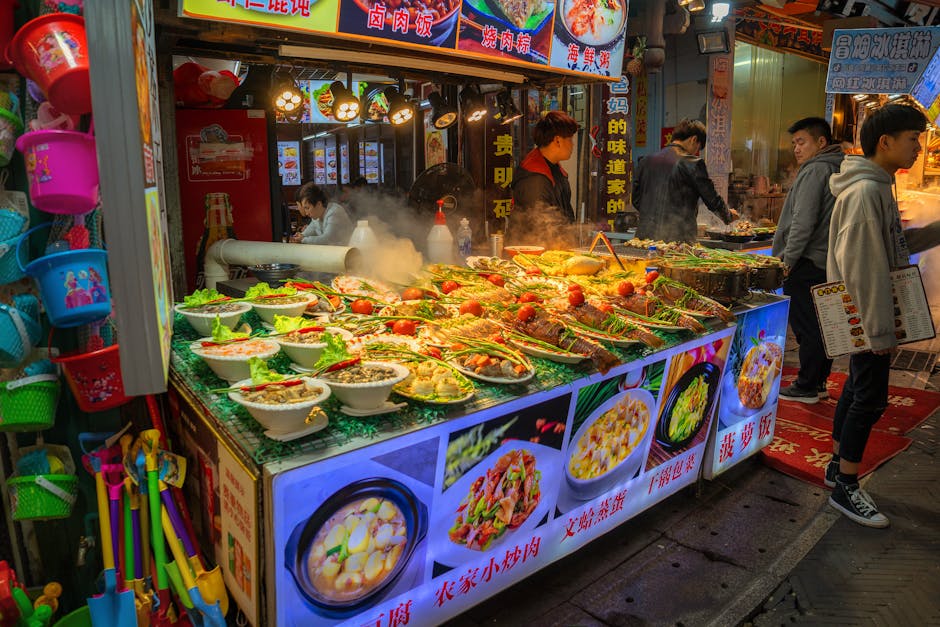
Taste your way through Novi Sad's vibrant markets and iconic street food on this self-guided culinary stroll through the heart of Vojvodina.