Self-guided audio tour in Belgrade
Start Free on iPhone
Start free on iPhone to unlock this self-guided walking tour in Belgrade. Hear all the stories that make it amazing, walk at your own pace, and begin whenever you want.
Your Private Tour Guide
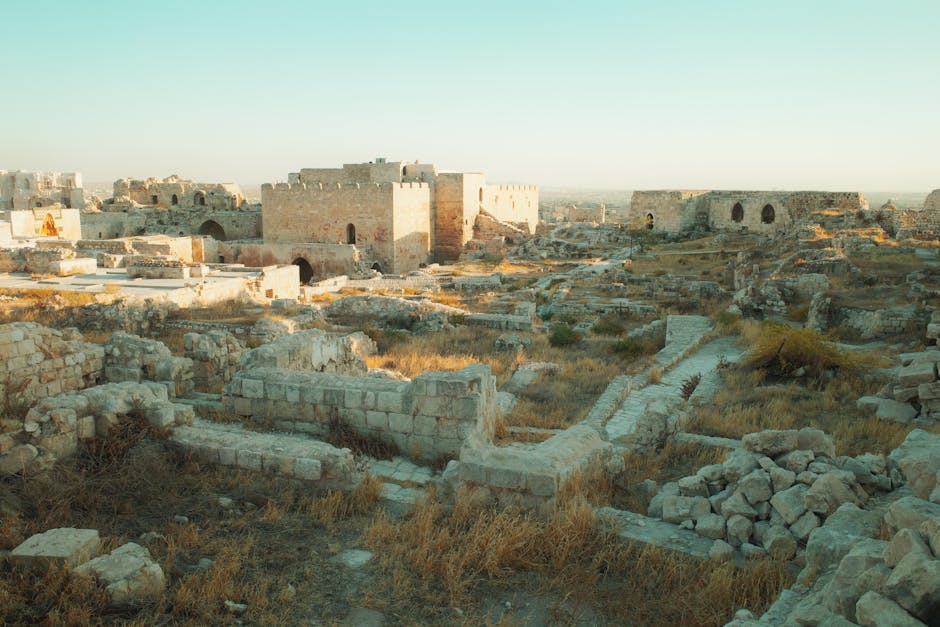
Perched on a ridge overlooking the confluence of the Sava and Danube rivers, the Belgrade Fortress is the beating heart of Serbia’s capital. This self-guided walk through the Upper Town of Kalemegdan Park explores a site that has been demolished and rebuilt over forty times. Rather than a single monument, this is a layered citadel where Roman foundations support medieval towers, which in turn stand alongside Ottoman gateways and Austrian fortifications. It is a place where faith and fire have shaped the identity of a nation. As you begin your neighborhood stroll, you will encounter the outdoor exhibits of the Military Museum, a stark reminder of the city's strategic importance between East and West. The route leads you through the iconic Sahat Kula, or Clock Tower, an 18th-century landmark that once signaled the changing of guards. You will then move toward the Despot Stefan Tower, a remnant of the medieval period when Belgrade was a flourishing capital under Serbian rule. One of the most evocative stops on this walking route is the Ružica Church, where the chandeliers are uniquely crafted from spent bullet casings and saber blades, symbolizing the transformation of war into peace. Beyond the military history, this Belgrade walking tour captures the mystery and the majesty of the citadel. You will stand over the depths of the so-called Roman Well—actually an 18th-century Austrian feat of engineering that fascinated Alfred Hitchcock—before concluding at the feet of The Victor. This massive bronze monument, originally intended for the city center but moved to the fortress due to its nudity, now stands as Belgrade’s most recognizable symbol. This walking route offers the freedom to explore at your own pace, soaking in the panoramic views of the Great War Island and the Pannonian Plain beyond. Whether you are a history buff or a sunset seeker, this self-guided adventure provides a deep dive into the resilient spirit of Belgrade.
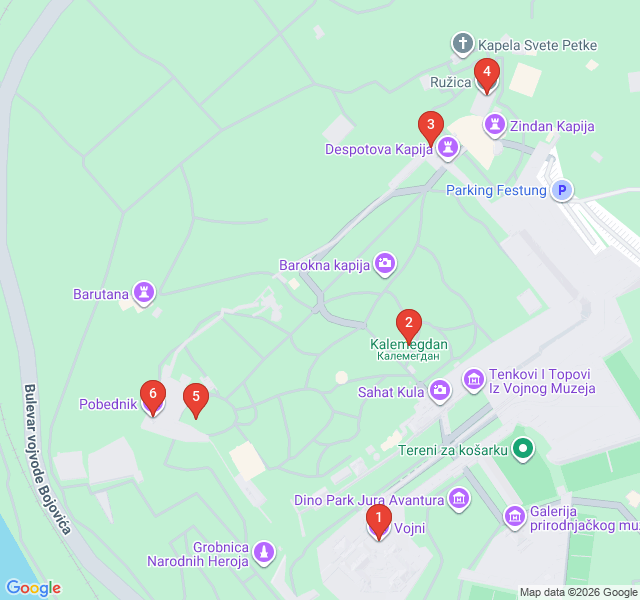
Numbers indicate the order of stops on the tour.
Begin your exploration at the outdoor portion of the Military Museum. Lining the fortress moats, you will find a massive collection of tanks, heavy artillery, and naval mines spanning from World War I to the Balkan conflicts of the 1990s. This isn't just a display of machinery; it is a timeline of Belgrade's survival. The city has been a crossroads for empires, and these cold steel relics tell the story of the 'Gate of the Balkans.' Notice the contrast between the medieval stone walls and the modern machinery of war. It sets the stage for a walk through a site that has seen more conflict than almost any other in Europe.
Pass through the gate to stand before the Sahat Kula, or Clock Tower. Built in the mid-18th century during the Austrian administration of Belgrade, it remains one of the few well-preserved Ottoman-style structures in the city. Standing 27.5 meters tall, its clock still ticks today. In an era when most of the city lived by the sun, this tower was a symbol of modernity and precision, used by both the garrison and the townspeople to synchronize their days. The architecture is a blend of European clock tower traditions and Ottoman aesthetics, a perfect metaphor for Belgrade itself.
Step back into the 15th century as you approach the Despot Stefan Tower. This was the strongest tower of the Upper Town during the reign of Despot Stefan Lazarević, who turned Belgrade into a major European capital and a bastion of Serbian culture. This tower served as the main entrance to the inner city. Its thick stone walls have survived countless sieges and represent the 'Golden Age' of medieval Serbia. Today, it houses an observatory, but its primary draw remains its imposing presence, reminding us of the days when knights and despots walked these ramparts.
Tucked against the fortress walls is the Ružica Church, perhaps the most unique place of worship in Belgrade. Originally a gunpowder magazine, it was converted into a church in the 1800s. Its exterior is draped in lush ivy, but the interior holds a startling secret: the chandeliers are made from spent bullet casings, saber parts, and cannon shells from World War I. These 'trench art' fixtures were created by soldiers as a way to honor the fallen and pray for peace. It is a poignant, quiet space that perfectly captures the 'Faith and Fire' theme of this walk.
Descending into the earth, we find the Roman Well. Despite its name, it was actually constructed by the Austrians in the 1720s. This 60-meter-deep pit was intended to provide water during sieges, though it never actually hit a spring and was eventually used as a dungeon. The well is shrouded in dark legends and was famously visited by Alfred Hitchcock, who praised its suspenseful atmosphere. Two spiral staircases wrap around the central shaft, a masterpiece of 18th-century engineering. It remains one of the most mysterious and slightly eerie spots within the fortress grounds.
Your walk concludes at the feet of 'Pobednik'—The Victor. Sculpted by the world-renowned Ivan Meštrović, this bronze figure holds a falcon and a sword, looking out over the confluence of the Sava and Danube rivers. Originally commissioned for a fountain in the city center, its nudity caused such a scandal that it was moved here to the fortress in 1928. Today, it is the ultimate symbol of Belgrade’s resilience. Stand here for a moment and take in the view: to your left is New Belgrade, to your right is the Old Town, and below you, the rivers meet. It is the perfect place to reflect on the city's long history.
Start Free on iPhone
Explore “Fortress of Faith and Fire: The Belgrade Citadel Walk” with your very own Private Tour Guide with Zigway. Start free on iPhone, skip the large group and the fixed routes, and hear the city come alive as you go.
Your Private Tour Guide
Don't miss the good stuff
Explore Freely
 Easy
EasyBelgrade, Serbia
Discover Lower Dorćol, where 18th-century history meets industrial revival and vibrant street art on this self-guided stroll through Belgrade.
 Easy
EasyBelgrade, Serbia
Discover Belgrade’s bohemian heart. Explore the historic Skadarlija quarter and Dorćol’s hidden Ottoman gems on this self-guided audio walk.
 Easy
EasyBelgrade, Serbia
Explore the future of Serbia's capital on this self-guided walk through the modern Belgrade Waterfront and the scenic Sava Promenada.
 Moderate
Belgrade, Serbia
Explore the legacy of Yugoslavia on this self-guided walk from Tito’s tomb to the historic ruins and monuments of central Belgrade.
 Easy
EasyNairobi, Kenya
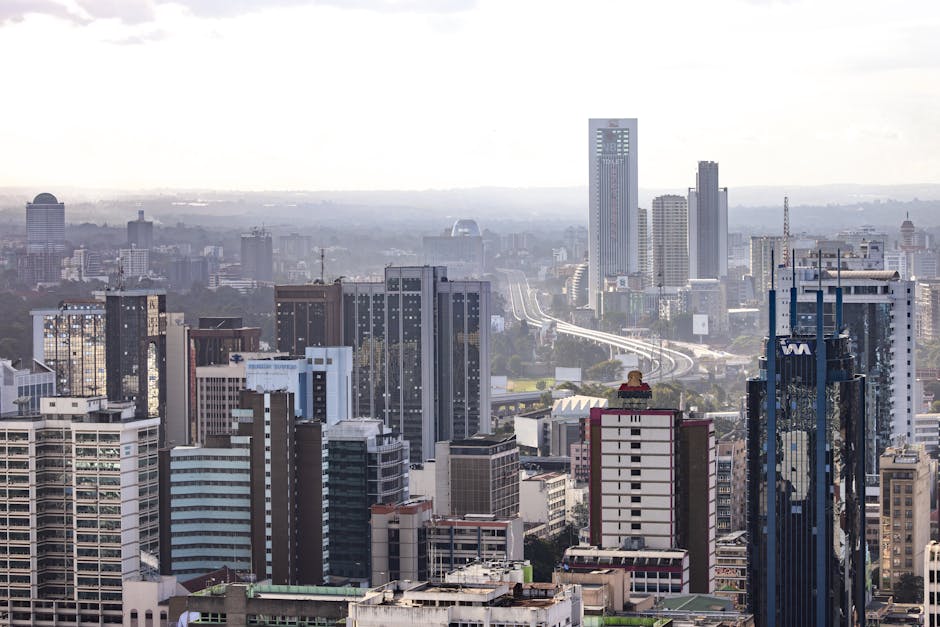
Discover Nairobi's iconic skyline on this self-guided architecture walk through the CBD’s most famous modernist and Brutalist landmarks.
 Easy
EasyNairobi, Kenya
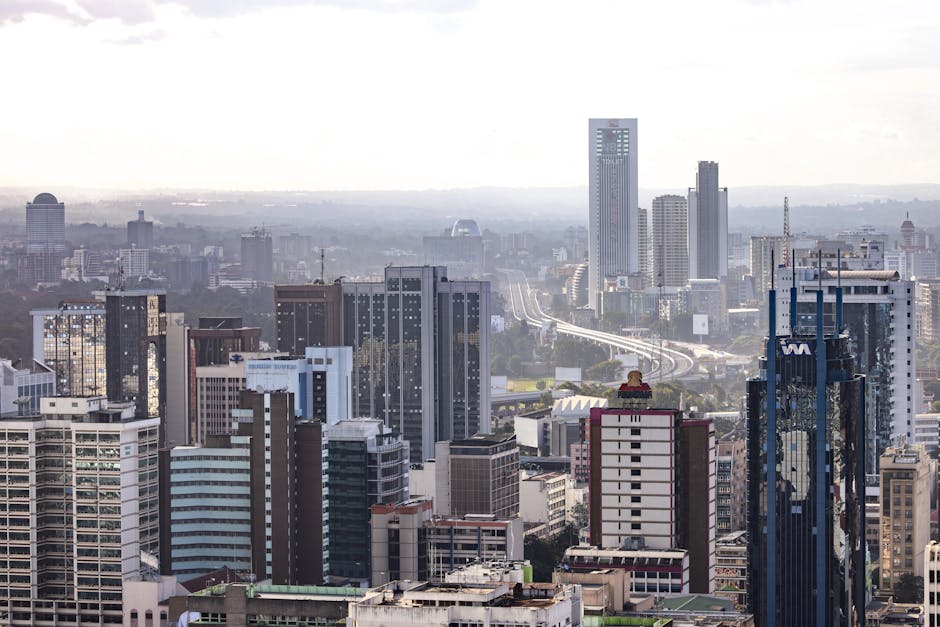
Explore Nairobi's architectural evolution from colonial-era landmarks to iconic Brutalist skyscrapers on this historic self-guided walking route.
 Easy
EasyKrakow, Poland
Explore the historic heart of Kazimierz on this self-guided walk through synagogues, ancient cemeteries, and vibrant squares.
 Easy
EasyGdansk, Poland
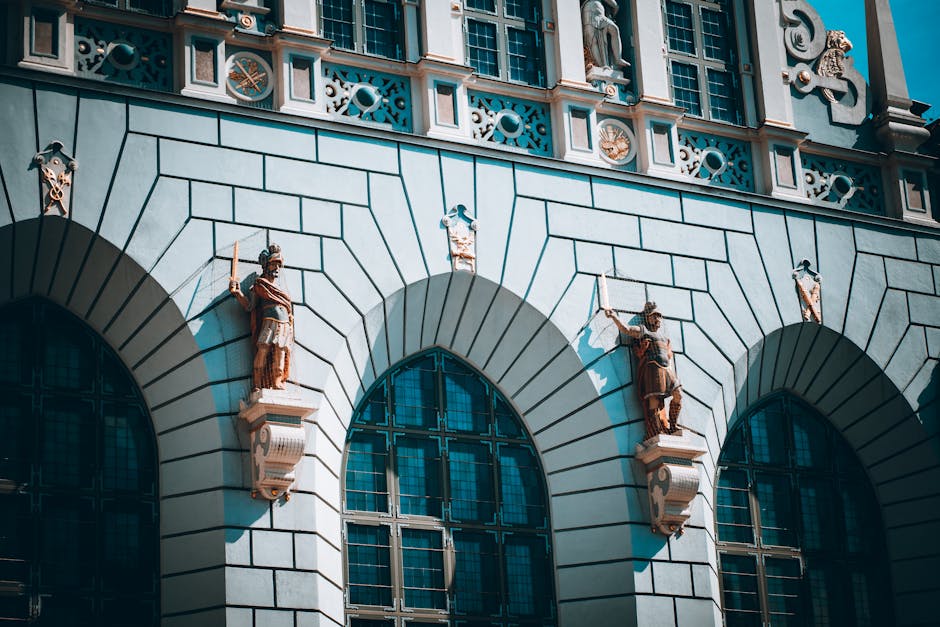
Discover the opulent Royal Way of Gdansk at your own pace. Explore Hanseatic history, gilded architecture, and the iconic Neptune's Fountain.
 Easy
EasyNovi Sad, Serbia
Explore the vibrant soul of Novi Sad's nightlife on this self-guided walk through iconic pubs, craft beer gems, and the famous Laze Telečkog street.
 Easy
EasyNovi Sad, Serbia
Explore the Austro-Hungarian grandeur of Novi Sad's historic center on this self-guided walking route through the elegant streets of Stari Grad.
 Moderate
Novi Sad, Serbia
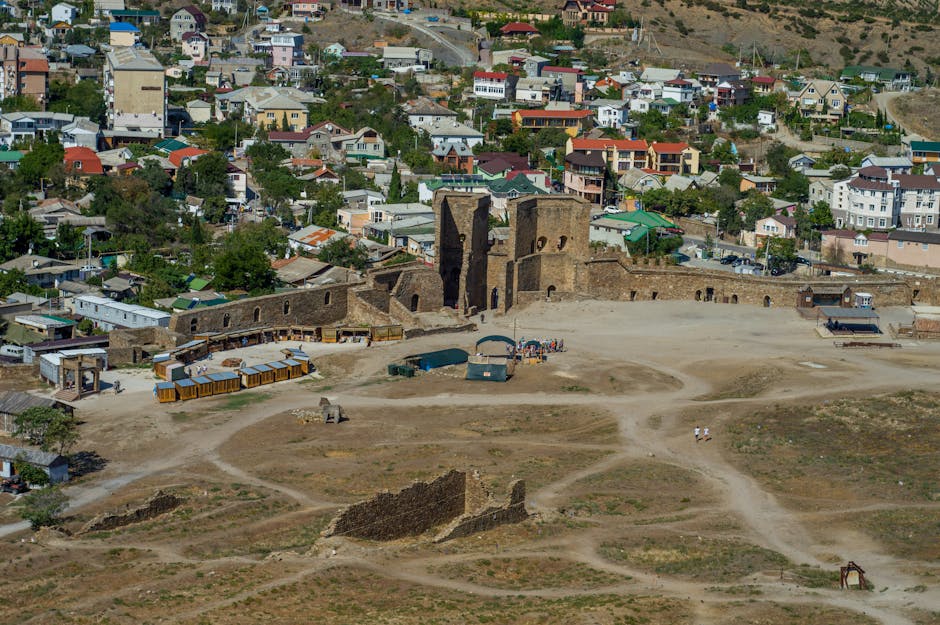
Explore the 'Gibraltar on the Danube' from Novi Sad's elegant city center to the massive underground tunnels of Petrovaradin Fortress.
 Easy
EasyNovi Sad, Serbia
Taste your way through Novi Sad's vibrant markets and iconic street food on this self-guided culinary stroll through the heart of Vojvodina.