Self-guided audio tour in Belgrade
Start Free on iPhone
Start free on iPhone to unlock this self-guided walking tour in Belgrade. Hear all the stories that make it amazing, walk at your own pace, and begin whenever you want.
Your Private Tour Guide
Belgrade is a city that breathes through its cafes. For centuries, the Serbian capital has revolved around the 'kafana'—a traditional tavern that serves as a living room, office, and political forum. This self-guided walk invites you to explore the evolution of Belgrade’s social fabric, from the grand secessionist elegance of the early 20th century to the edgy, third-wave coffee scene of today. You will navigate the historic streets of Stari Grad, where the scent of freshly ground beans bridges the gap between Ottoman history and modern European lifestyle. Your journey begins at the iconic Hotel Moskva, a masterpiece of Russian secessionist architecture that has hosted everyone from Albert Einstein to Alfred Hitchcock. From here, you will stroll down the bustling Knez Mihailova, Belgrade’s primary pedestrian artery, to discover how the city’s identity is reflected in its retail and cultural spaces. As you move toward Kralja Petra Street, one of the oldest and most diverse thoroughfares in the city, you will see the physical layers of history—where Jewish, Serbian, and Ottoman influences sit side-by-side. This walking route Belgrade offers isn't just about sightseeing; it is about tasting. You will experience the contrast between the sleek, industrial vibes of modern roasters like Pržionica D59B and the centuries-old rituals of Kafana '?', the oldest traditional tavern in the city. The walk concludes at the Residence of Princess Ljubica, where the architecture itself tells the story of a nation transitioning from the Orient to the West. Whether you are a caffeine enthusiast or a history buff, this neighborhood stroll reveals the authentic spirit of Belgrade at your own pace, away from the constraints of a rigid schedule. **Note:** This area is known for its ever-changing character. Street art, pop-up venues, and temporary exhibitions may differ from what's described. That's part of the adventure - you might discover something entirely new!
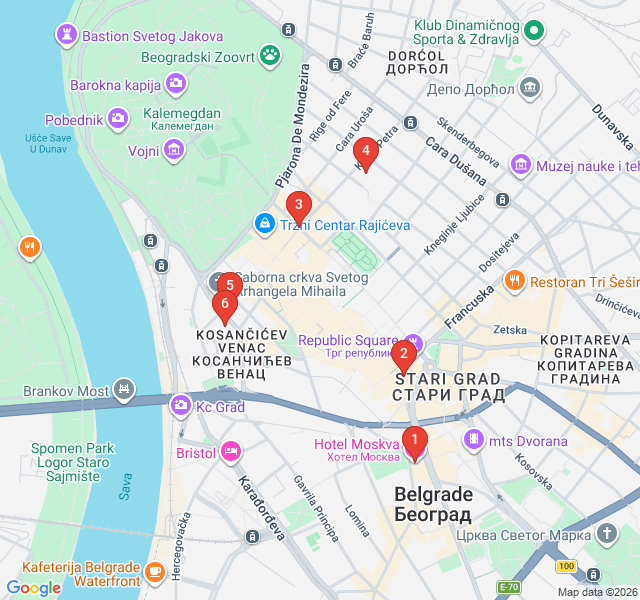
Numbers indicate the order of stops on the tour.
Start your self-guided adventure at the green-tiled Hotel Moskva. Completed in 1908, this building is a stunning example of Russian Secession style and remains one of Belgrade's most recognizable landmarks. It wasn't just a hotel; it was a cultural hub where the city's elite gathered. The ground-floor cafe, Cafè Moskva, is famous for its 'Moskva Šnit' cake, a fruit-and-cream delight created in 1974. As you stand here, imagine the countless writers, diplomats, and artists who have sat in these windows, watching the city transform from a provincial town into a modern capital. The hotel has survived multiple wars and remains a symbol of Belgrade's resilience and timeless elegance.
Walking down Knez Mihailova, you'll reach The Belgrade Window, or Beoizlog. This isn't just a shop; it is a cultural landmark that has promoted local design and urban spirit for decades. In a city that has faced much turmoil, Beoizlog became a symbol of Belgrade's creative resistance and modern identity. Take a moment to look at the urban souvenirs and local art. This area is the heart of the pedestrian zone, where the rhythm of Belgrade is most palpable. It’s a perfect spot to observe 'korzo'—the traditional Balkan practice of strolling through the city center to see and be seen.
Step onto Kralja Petra, arguably the most important street in Belgrade’s history. Within just a few blocks, you can find the Patriarchate of the Serbian Orthodox Church, the Cathedral Church, and the Jewish Historical Museum nearby. This street was the first in Belgrade to be paved and the first to have a pharmacy. It represents the melting pot of the city, where Neoclassical, Art Nouveau, and Oriental styles blend seamlessly. As you walk, notice how the architecture shifts—each building tells a story of a different era, from the merchant wealth of the 19th century to the socialist modernism of the 20th.
Transition from history to the modern day at Pržionica D59B. This represents the 'new' Belgrade—industrial, creative, and obsessed with quality. Located in a former industrial zone near the waterfront, this roaster helped spark the city's specialty coffee revolution. The vibe here is minimalist and focused entirely on the bean. In Belgrade, coffee is never just a quick caffeine fix; it’s a reason to sit for hours. While traditional kafanas favor Turkish-style coffee, places like this introduce locals to single-origin beans and precision brewing. Note that the atmosphere here can change with guest DJs or local art pop-ups, reflecting the dynamic nature of Belgrade's creative scene.
Now, step back in time at Kafana '?', the oldest traditional tavern in Belgrade, dating back to 1823. Its name is the result of a 19th-century dispute with the church authorities. The owner originally wanted to call it 'By the Cathedral,' but the church objected. In frustration, he painted a question mark on the door as a temporary measure—and it stuck for nearly 200 years. Inside, you’ll find low wood ceilings, traditional 'stolica' chairs, and the scent of 'domaća kafa' (Turkish coffee) served in a 'džezva'. This is the quintessential Belgrade social experience, where time slows down and conversation takes center stage.
Conclude your stroll at the Residence of Princess Ljubica. Built between 1829 and 1831, this building is a rare surviving example of the Balkan-Oriental style, commissioned by Prince Miloš Obrenović for his family. It represents a bridge between the Ottoman past and a European future. Inside, the rooms are decorated in various styles, from traditional Turkish 'hamams' to Central European salons. It was here that coffee played a role in diplomacy and high-society life. The residence stands as a quiet, dignified contrast to the busy streets you’ve just traversed, offering a peaceful end to your exploration of Belgrade's social heart.
Start Free on iPhone
Explore “The Coffee & Kafana Trail: Belgrade's Social Heart” with your very own Private Tour Guide with Zigway. Start free on iPhone, skip the large group and the fixed routes, and hear the city come alive as you go.
Your Private Tour Guide
Don't miss the good stuff
Explore Freely
 Easy
EasyBelgrade, Serbia
Discover Lower Dorćol, where 18th-century history meets industrial revival and vibrant street art on this self-guided stroll through Belgrade.
 Easy
EasyBelgrade, Serbia
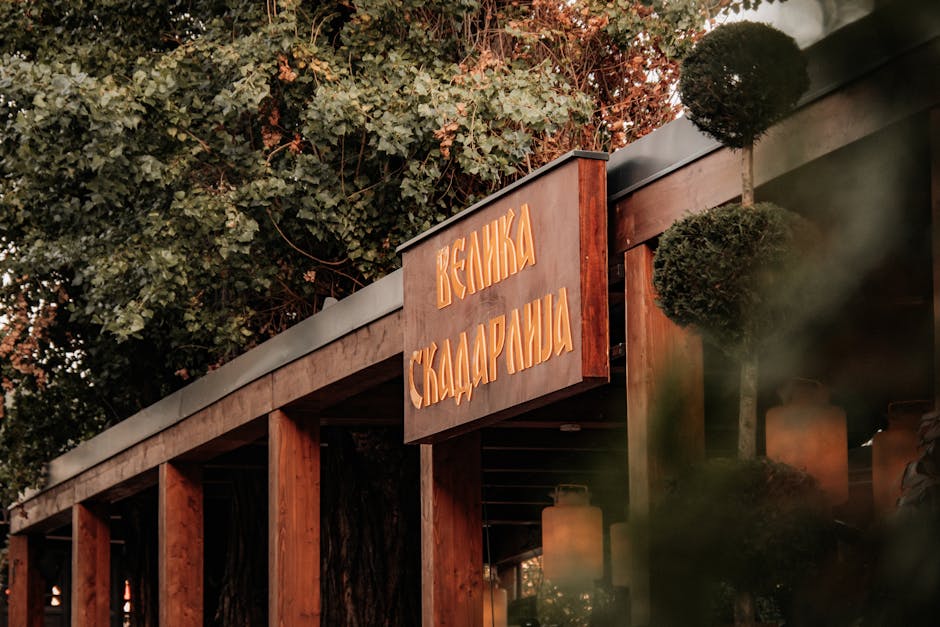
Discover Belgrade’s bohemian heart. Explore the historic Skadarlija quarter and Dorćol’s hidden Ottoman gems on this self-guided audio walk.
 Easy
EasyBelgrade, Serbia
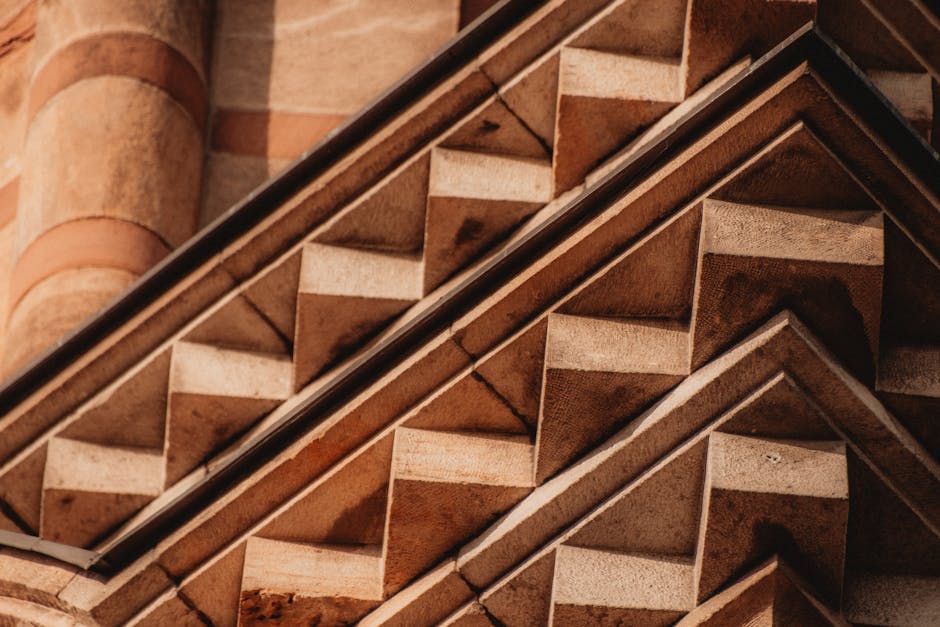
Explore the future of Serbia's capital on this self-guided walk through the modern Belgrade Waterfront and the scenic Sava Promenada.
 Moderate
Belgrade, Serbia
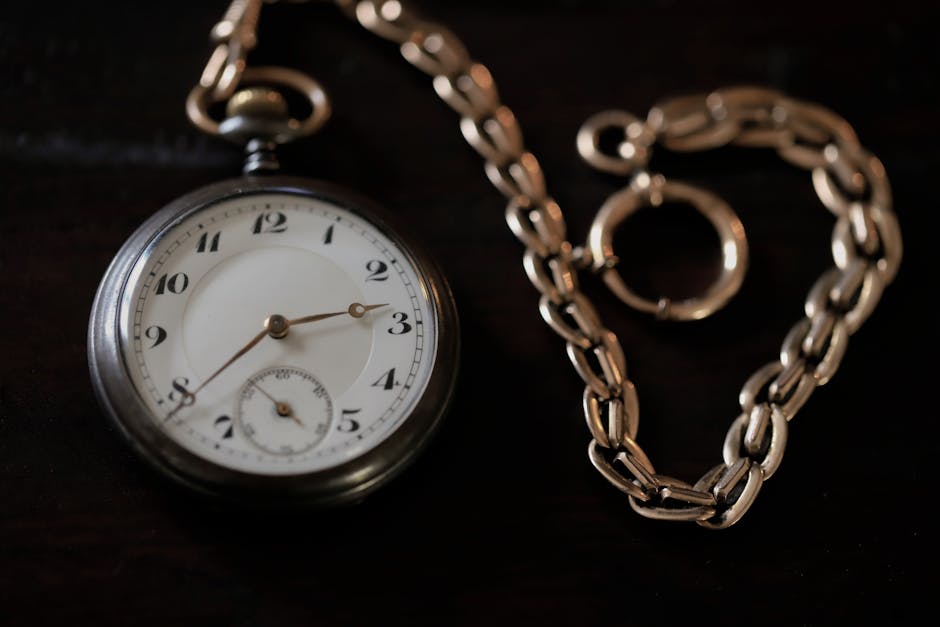
Explore the legacy of Yugoslavia on this self-guided walk from Tito’s tomb to the historic ruins and monuments of central Belgrade.
 Easy
EasyGothenburg, Sweden
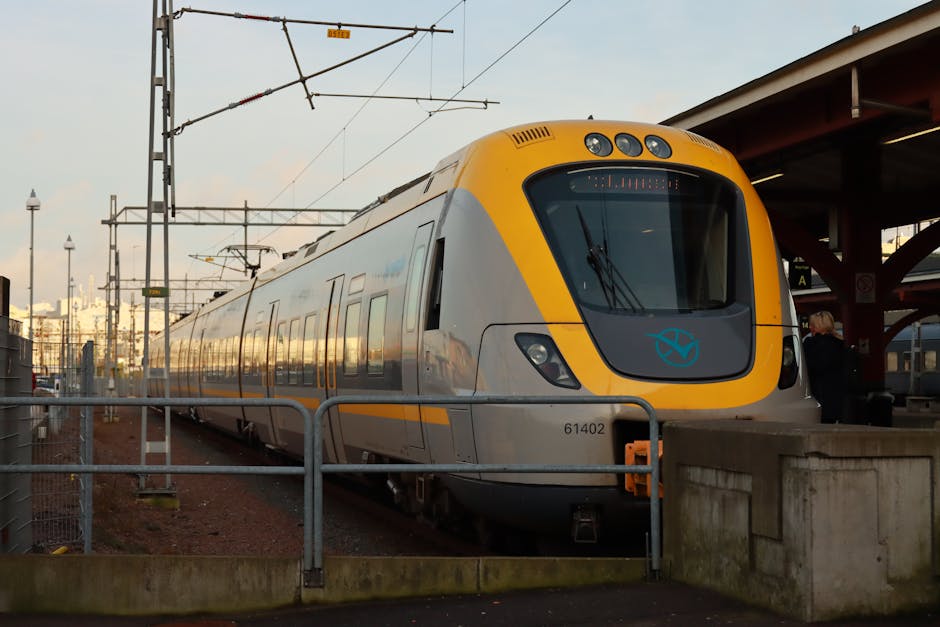
Explore Gothenburg’s historic wooden houses, legendary giant cinnamon buns, and panoramic fortress views on this self-guided neighborhood stroll.
 Easy
EasyKrakow, Poland
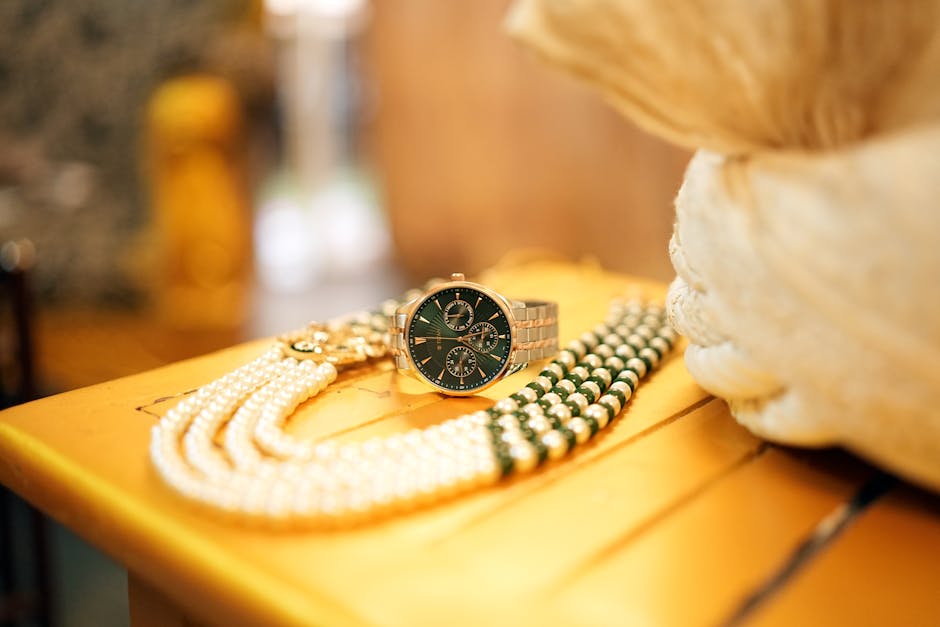
Explore the prestigious Jagiellonian University district, featuring Neo-Gothic architecture, Baroque churches, and Krakow's hidden scholarly gems.
 Easy
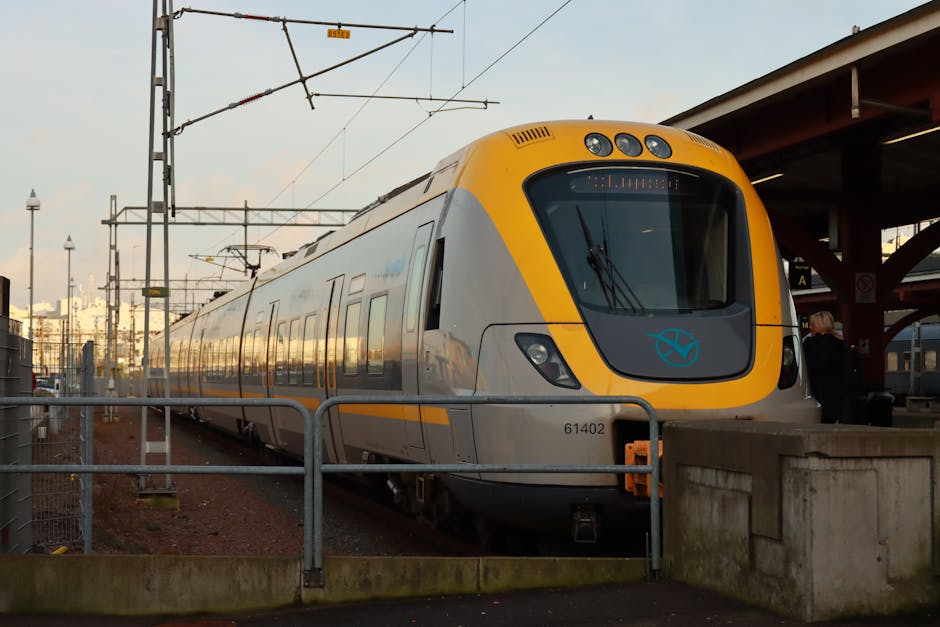
EasyGothenburg, Sweden
Discover Gothenburg’s 17th-century Dutch foundations, historic canals, and military fortifications on this self-guided architectural walk.
 Easy
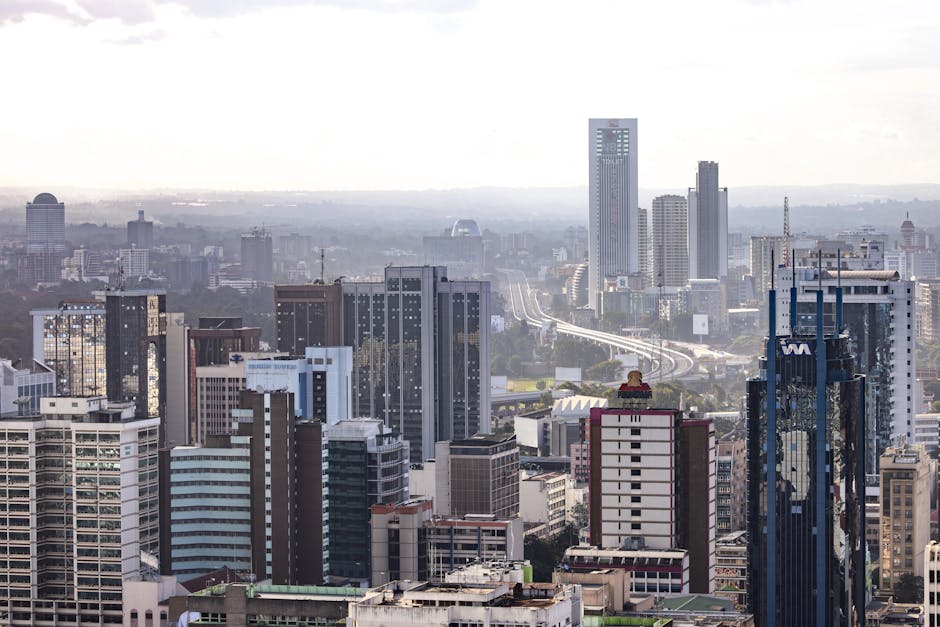
EasyNairobi, Kenya
Explore Nairobi's architectural evolution from colonial-era landmarks to iconic Brutalist skyscrapers on this historic self-guided walking route.
 Easy
EasyNovi Sad, Serbia
Explore the vibrant soul of Novi Sad's nightlife on this self-guided walk through iconic pubs, craft beer gems, and the famous Laze Telečkog street.
 Easy
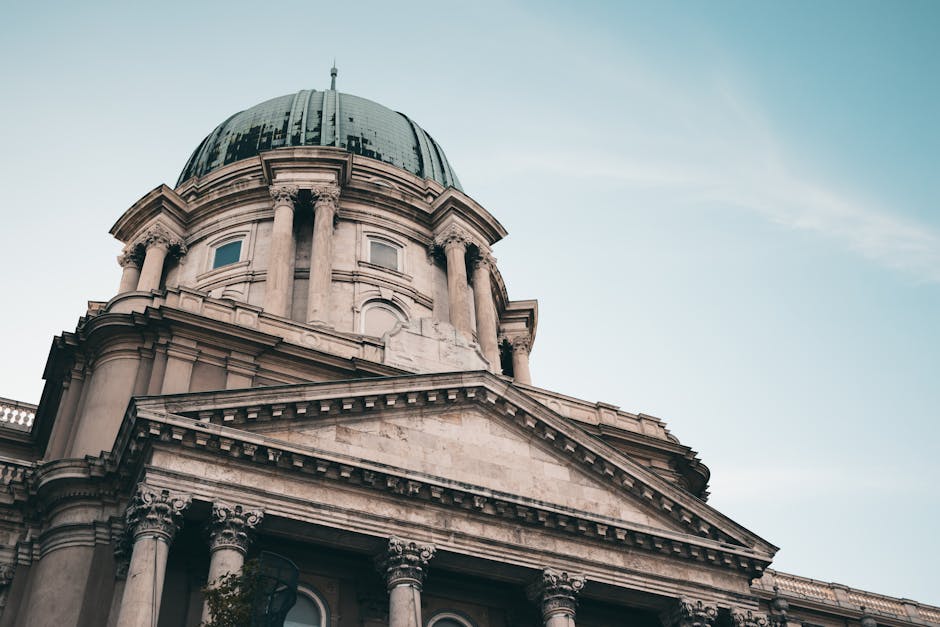
EasyNovi Sad, Serbia
Explore the Austro-Hungarian grandeur of Novi Sad's historic center on this self-guided walking route through the elegant streets of Stari Grad.
 Moderate
Novi Sad, Serbia
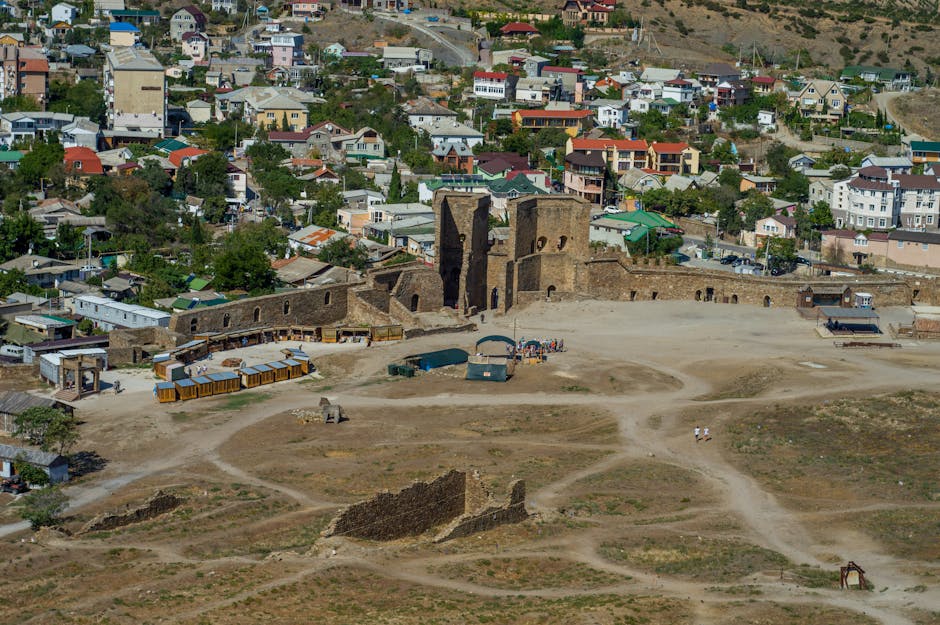
Explore the 'Gibraltar on the Danube' from Novi Sad's elegant city center to the massive underground tunnels of Petrovaradin Fortress.
 Easy
EasyNovi Sad, Serbia
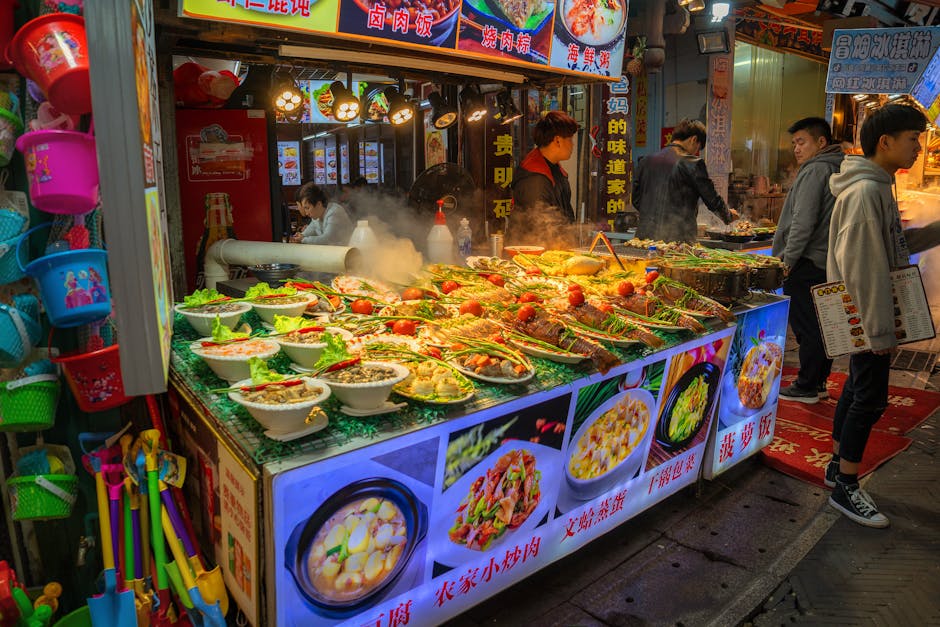
Taste your way through Novi Sad's vibrant markets and iconic street food on this self-guided culinary stroll through the heart of Vojvodina.