Self-guided audio tour in Tallinn
Start Free on iPhone
Start free on iPhone to unlock this self-guided walking tour in Tallinn. Hear all the stories that make it amazing, walk at your own pace, and begin whenever you want.
Your Private Tour Guide
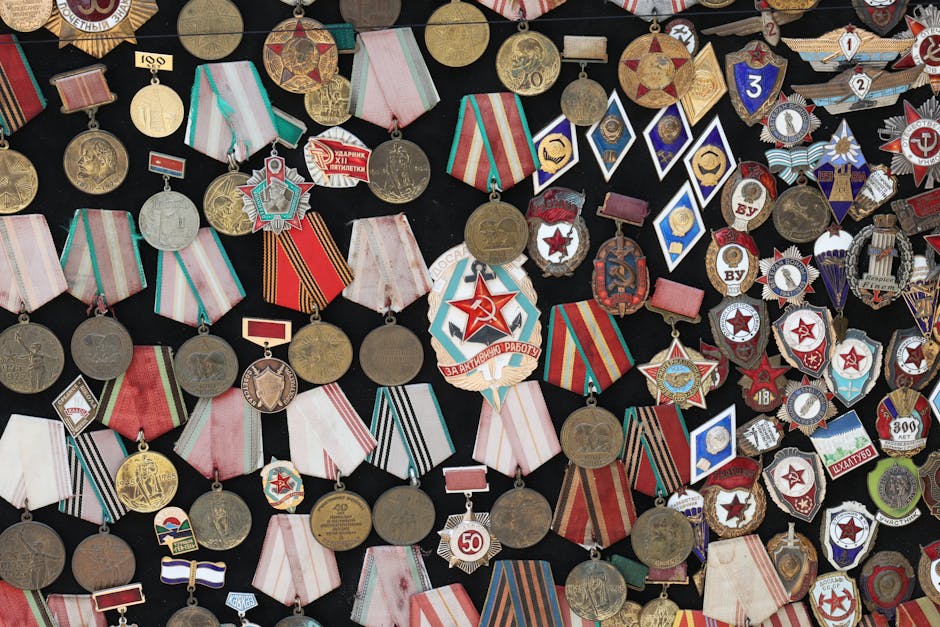
Step behind the concrete curtain and discover the layered history of Tallinn's Soviet era on this self-guided walk. While the city's medieval Old Town often steals the spotlight, the 20th century left an indelible mark on its skyline and soul. This walking route explores the architectural ambition and the human cost of the Soviet occupation, taking you from secret KGB listening posts to massive Brutalist monuments that look like they were plucked from a science fiction film. Begin your self-guided adventure at the Hotel Viru, where the 23rd floor was officially 'non-existent' for decades, serving as a hub for state surveillance. From there, you will traverse the city center to visit Vabamu, a museum dedicated to the personal stories of those who lived through the occupation, before confronting the massive limestone fortress of the National Library. The route then leads you toward the coast to witness the decaying grandeur of Linnahall, a concrete leviathan built for the 1980 Olympics. The journey concludes at the Maarjamäe complex, where Soviet-era obelisks stand in stark contrast to the modern Memorial to the Victims of Communism. This walk is more than just a look at 'ugly' concrete; it is an exploration of how a nation preserves its identity under pressure and how it chooses to remember a difficult past today. Along the way, you will encounter the unique 'Estonian Dolomite' architecture and see how these spaces are being reclaimed by nature and local culture. Whether you are a fan of Brutalist design or a history enthusiast, this route offers a profound look at Tallinn's transition from a Soviet republic to a modern European capital. Discover at your own pace as you navigate the echoes of a superpower that once loomed over the Baltic Sea.
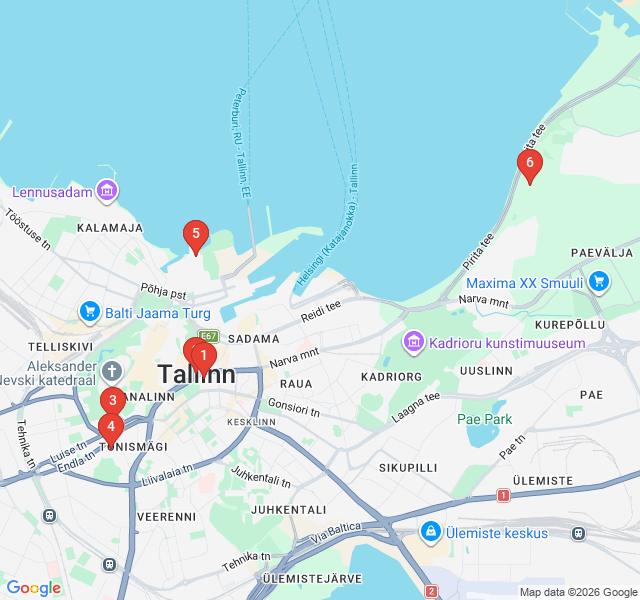
Numbers indicate the order of stops on the tour.
Start exploring with Zigway at the Hotel Viru, once the only place in Tallinn where foreign tourists were allowed to stay. During the Soviet era, this skyscraper was a hotbed of international intrigue. While the hotel offered luxury to guests, the 23rd floor remained officially empty on elevator buttons. In reality, it was packed with radio equipment and KGB officers who monitored every conversation in the rooms below. Today, the museum preserved in these rooms offers a chilling and often absurd look at state surveillance, featuring original equipment and the 'listening' devices hidden in plates and light fixtures. It serves as a perfect introduction to the atmosphere of suspicion and control that defined the era.
As you move through the city center, take a moment to reflect on the human impact of the 20th century. While the main memorial is located further along the coast, the central area of Tallinn is dotted with subtle markers of the past. In this park-like setting, consider how the city was reshaped by the Soviet occupation. Thousands of Estonians were deported or imprisoned during the mid-20th century, a trauma that remains central to the national identity. This stop serves as a bridge between the surveillance of Hotel Viru and the systemic history you will encounter at the Vabamu Museum, grounding the architectural giants you see in the lived reality of the people.
This museum is a modern space dedicated to the stories of freedom, resistance, and recovery. Unlike many traditional history museums, Vabamu focuses on personal narratives through its 'e-guide' and interactive exhibits. You will learn about the dual occupations of Estonia—first by the Soviet Union, then Nazi Germany, and then the Soviet Union again. The architecture of the building itself, with its glass and light, symbolizes the transparency and freedom of modern Estonia, contrasting sharply with the dark histories contained within. It provides essential context for the resilience of the Estonian spirit before you head toward the massive concrete structures that still dominate the shoreline.
Standing before you is a true fortress of knowledge. Completed in the early 1990s but designed during the Soviet era by architect Raine Karp, the National Library is one of the most significant examples of Estonian Brutalism. Built from local limestone, its pyramid-like structure and narrow windows give it a defensive, almost medieval appearance, yet its scale is purely Soviet. Inside, the massive staircases and grand halls reflect the monumental style of the time. It is a striking example of how Estonian architects used traditional materials like Saaremaa dolomite to create something that satisfied Soviet requirements for grandeur while maintaining a distinct local character.
Walk toward the harbor to find Linnahall, a massive concrete structure that resembles a Mayan temple or a coastal bunker. Built for the sailing events of the 1980 Moscow Olympics, this multipurpose venue once housed a concert hall and an ice rink. Today, it sits in a state of 'noble decay,' its surfaces covered in graffiti and its stairs reclaimed by grass. Despite its condition, it remains a favorite spot for locals to watch the sunset over the Baltic. Its flat roof offers panoramic views of the harbor and the Old Town spires. Linnahall is a hauntingly beautiful monument to a bygone era of architectural ambition, famously used as a filming location for the movie 'Tenet' due to its otherworldly appearance.
Your final stop is the Maarjamäe complex, where the layers of Tallinn’s history are most visible. On one side, you have the Soviet-era memorial—a 35-meter obelisk and a massive concrete plaza designed to commemorate the Red Army. On the other side, completed in 2018, is the Memorial to the Victims of Communism, consisting of two long black walls inscribed with the names of over 22,000 Estonians who lost their lives to the regime. Walking through the 'Journey' corridor between the walls is a powerful, immersive experience. The contrast between the cold, triumphalist Soviet concrete and the modern, somber tribute to human life perfectly encapsulates the complex journey of Estonia's 20th century.
Start Free on iPhone
Explore “Soviet Echoes and Concrete Giants” with your very own Private Tour Guide with Zigway. Start free on iPhone, skip the large group and the fixed routes, and hear the city come alive as you go.
Your Private Tour Guide
Don't miss the good stuff
Explore Freely
 Easy
EasyTallinn, Estonia
Uncover the myths and merchant history of Tallinn's Lower Town on this immersive self-guided stroll through medieval streets.
 Moderate
Tallinn, Estonia
Explore the raw, creative energy of Tallinn's Kopli peninsula on this self-guided walk through industrial ruins and modern art hubs.
 Moderate
Tallinn, Estonia
Uncover the chilling legends and ghostly tales of medieval Tallinn on this atmospheric self-guided audio walk through the Old Town.
 Easy
EasyTallinn, Estonia
Discover imperial palaces and serene gardens on this self-guided walk through Tallinn’s historic Kadriorg district.
 Easy
EasySalzburg, Austria
Discover Salzburg's oldest medieval alley, the birthplace of the 'Silent Night' author, and breathtaking views on this quiet self-guided walk.
 Easy
EasyNairobi, Kenya
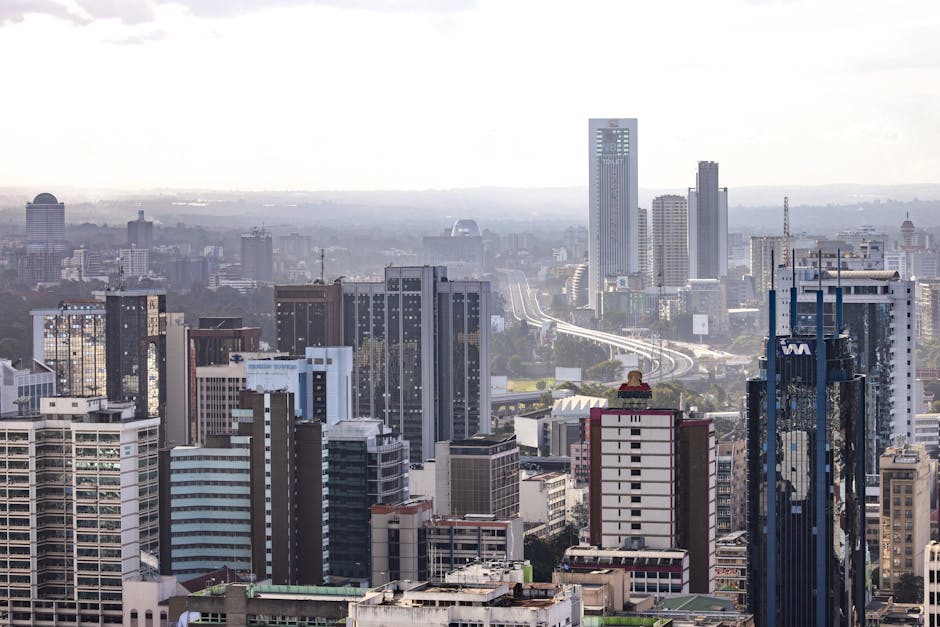
Discover Nairobi's iconic skyline on this self-guided architecture walk through the CBD’s most famous modernist and Brutalist landmarks.
 Moderate
Nairobi, Kenya
Discover Nairobi's lush side on this self-guided walk through botanical gardens, historic memorials, and vibrant local markets.
 Moderate
Vienna, Austria
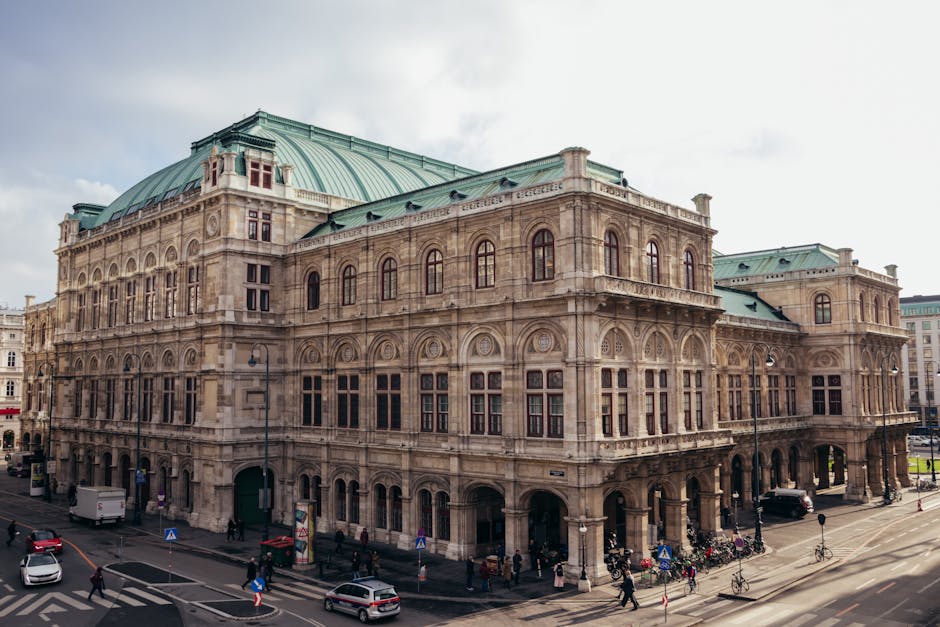
Discover the noir world of The Third Man and Cold War Vienna on this atmospheric self-guided audio walk through the historic Innere Stadt.