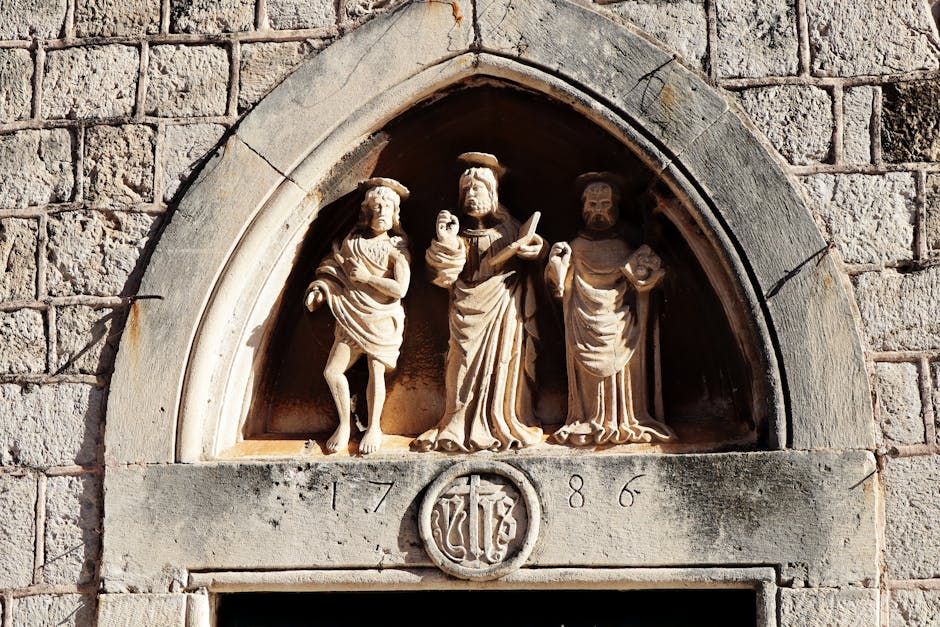
Self-guided audio tour in Tallinn
Start Free on iPhone
Start free on iPhone to unlock this self-guided walking tour in Tallinn. Hear all the stories that make it amazing, walk at your own pace, and begin whenever you want.
Your Private Tour Guide
Tallinn's Lower Town is one of the best-preserved medieval city centers in Europe, a place where the atmosphere of the Hanseatic League still lingers among the limestone walls and narrow alleyways. This self-guided walk invites you to step back into a time when powerful merchant guilds dictated city life and legends were born in the shadows of soaring Gothic spires. As you explore independently, you will discover that the Lower Town was once a bustling hub of international trade, distinct from the aristocratic Upper Town on Toompea Hill. The route begins in the heart of the city, the Town Hall Square, which has served as a marketplace and social center for over eight centuries. From there, you will encounter architectural marvels that have survived fires and wars, including the oldest continuously operating pharmacy in Europe and the intricate façade of the Great Guild Hall. This walking route is designed to highlight the stories of the people who built Tallinn—the master craftsmen, the wealthy traders, and the clergy. You will stroll through St. Catherine's Passage, perhaps the most picturesque lane in the city, where medieval heritage meets modern craftsmanship. The journey concludes at the massive Fat Margaret Tower, a symbol of Tallinn's maritime strength and its defensive prowess. Whether you are a history enthusiast or an architecture lover, this neighborhood stroll offers a deep dive into the myths and realities of the Middle Ages. Enjoy a walking tour Tallinn experience that allows you to pause whenever you wish, soaking in the details of the ornate doorways, the weathered cobblestones, and the unique Hanseatic aesthetic that defines this UNESCO World Heritage site. By choosing a self-guided walk, you gain the freedom to admire the 17th-century clock on the Holy Spirit Church or the defensive fortifications of the Great Coastal Gate at your own leisure, ensuring a personal connection with Estonia's vibrant capital.
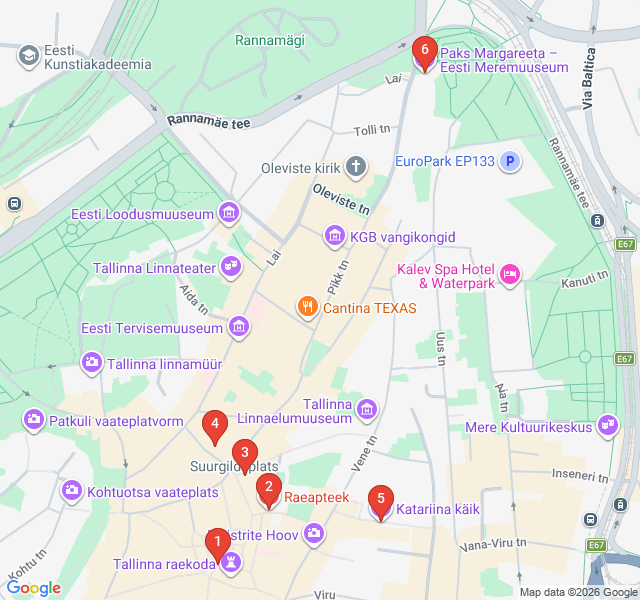
Numbers indicate the order of stops on the tour.
The Town Hall Square, or Raekoja plats, has been the beating heart of Tallinn since the 13th century. Dominating the square is the Town Hall itself, the only intact Gothic-style town hall in Northern Europe, completed in 1404. Look up to see Old Thomas, the city's guardian and weather vane, perched atop the spire. Historically, this square was a chaotic marketplace, a site for public executions, and the center of all civic celebrations. Today, it remains the primary gathering spot for locals and travelers alike. As you stand on the stones, imagine the medieval fairs where merchants from across the Baltic Sea would trade furs, salt, and spices. The surrounding colorful gabled houses once belonged to wealthy merchants, showcasing the prosperity Tallinn enjoyed as a member of the Hanseatic League.
On the northeast corner of the square sits Raeapteek, the Town Hall Pharmacy. Records mention it as early as 1422, making it the oldest continuously operating pharmacy in Europe. In the Middle Ages, the local council managed the pharmacy, and it was a place to buy not just medicine, but also spices, paper, and even sweets like marzipan, which locals claim was invented here. Step inside to see a small museum section displaying bizarre medieval remedies, such as dried frog legs, burnt hedgehogs, and unicorn horn powder. The pharmacy reflects the scientific and social history of the city, serving as a reminder of how medicine and commerce were intertwined in the medieval world.
A short walk from the square brings you to the Church of the Holy Spirit, a modest but significant white-washed building. Its most striking external feature is the ornate blue and gold clock, installed in 1684, which remains the oldest public timepiece in Tallinn. This church played a pivotal role in Estonian culture, as it was the first to hold services in the Estonian language rather than German or Latin. Inside, the church houses a magnificent 15th-century altar by Bernt Notke and some of the finest wood carvings in the region. The intimate atmosphere here contrasts with the grander cathedrals, offering a glimpse into the spiritual life of the common medieval citizen.
The Great Guild Hall is a monument to the power of the merchant class. Completed in 1410, this massive limestone building was the headquarters for the Great Guild, an association of wealthy German merchants who controlled the city's trade and politics. Only married merchants of German descent could join, effectively ensuring they held the reins of power in Tallinn. The building's impressive hall, with its vaulted ceilings and heavy oak doors, was used for lavish banquets and important meetings. Today, it houses the Estonian History Museum, but the architecture itself—with its high gables and lions-head door knockers—remains the primary attraction for those interested in Hanseatic heritage.
St. Catherine's Passage is often cited as the most beautiful lane in the Old Town. This narrow, hidden walkway runs behind the ruins of St. Catherine's Church, a former Dominican monastery. The passage is characterized by a series of massive stone arches that span the alleyway, giving it a distinct medieval character. Along the southern wall, you can see large ancient tombstones that were moved here from the monastery. Today, the passage is home to the St. Catherine's Guild, a collection of craft workshops where you can watch artists create glassware, ceramics, and textiles using traditional methods. It is a rare place where the medieval architectural spirit and living craftsmanship coexist.
At the northern end of Pikk Street stands the formidable Fat Margaret Tower and the Great Coastal Gate. Built in the early 16th century, the tower's name likely refers to its impressive girth—the walls are up to five meters thick. This bastion was designed to protect the city from the sea and to impress visitors arriving by ship. Throughout its history, it has served as a gunpowder store, a prison, and now a maritime museum. From this vantage point, you can appreciate the scale of Tallinn's defensive system, which once included dozens of towers and miles of walls. It marks the boundary between the historic town and the port, serving as a gateway to Tallinn's seafaring legacy.
Start Free on iPhone
Explore “Medieval Legends of the Lower Town” with your very own Private Tour Guide with Zigway. Start free on iPhone, skip the large group and the fixed routes, and hear the city come alive as you go.
Your Private Tour Guide
Don't miss the good stuff
Explore Freely
 Moderate
Tallinn, Estonia
Explore the raw, creative energy of Tallinn's Kopli peninsula on this self-guided walk through industrial ruins and modern art hubs.
 Moderate
Tallinn, Estonia
Uncover the chilling legends and ghostly tales of medieval Tallinn on this atmospheric self-guided audio walk through the Old Town.
 Easy
EasyTallinn, Estonia
Discover imperial palaces and serene gardens on this self-guided walk through Tallinn’s historic Kadriorg district.
 Easy
EasyTallinn, Estonia
Discover Tallinn's industrial-chic heart. Explore daring architecture, cinematic history, and trendy boutiques in the award-winning Rotermann Quarter.
 Easy
EasyNairobi, Kenya
Explore Nairobi's architectural evolution from colonial-era landmarks to iconic Brutalist skyscrapers on this historic self-guided walking route.
 Easy
EasyNairobi, Kenya
Discover Nairobi's iconic skyline on this self-guided architecture walk through the CBD’s most famous modernist and Brutalist landmarks.
 Easy
EasySalzburg, Austria
Discover the 'Rome of the North' on this self-guided walk through the Baroque squares and monumental legacy of Salzburg’s Prince-Archbishops.
 Easy
EasyGothenburg, Sweden
Discover Gothenburg’s 17th-century Dutch foundations, historic canals, and military fortifications on this self-guided architectural walk.