Self-guided audio tour in Oxford
Start Free on iPhone
Start free on iPhone to unlock this self-guided walking tour in Oxford. Hear all the stories that make it amazing, walk at your own pace, and begin whenever you want.
Your Private Tour Guide
Step away from the famous university colleges and discover the grit, grandeur, and transformation of Oxford’s West End. This self-guided walk invites you to explore a side of the city often overlooked by visitors, where medieval fortifications meet Victorian incarceration and modern urban design. Your journey begins in the quiet enclave of Paradise Square, a name that belies its complex industrial past, before leading you to the heights of the Westgate Roof Terrace for a sweeping view of the city’s iconic skyline. This neighborhood stroll captures the essence of a city that has constantly reinvented itself over a thousand years. As you follow this walking route, you will encounter the formidable St George's Tower, one of the oldest stone structures in England, and the imposing walls of the Oxford Castle & Prison. For centuries, this site served as a seat of royal power and later a place of grim punishment. You will hear stories of daring escapes, such as that of Empress Matilda during the civil war of the 12th century, and the harsh realities of life behind bars in the 1800s. The route also takes you up the historic Castle Mound, offering a physical connection to the Norman conquest of 1066. This is not your typical walking tour Oxford experience focused solely on academic halls; instead, it is an exploration of the people, the prisoners, and the pioneers who shaped the city's western edge. The walk concludes along the peaceful Tidmarsh Lane, where the remnants of the old city walls and mill streams provide a tranquil end to your adventure. Whether you are a history buff or an architecture enthusiast, this audio walk provides the flexibility to discover Oxford at your own pace, allowing you to linger at the viewpoints or dive deep into the stories of the castle’s dark past without the pressure of a group.
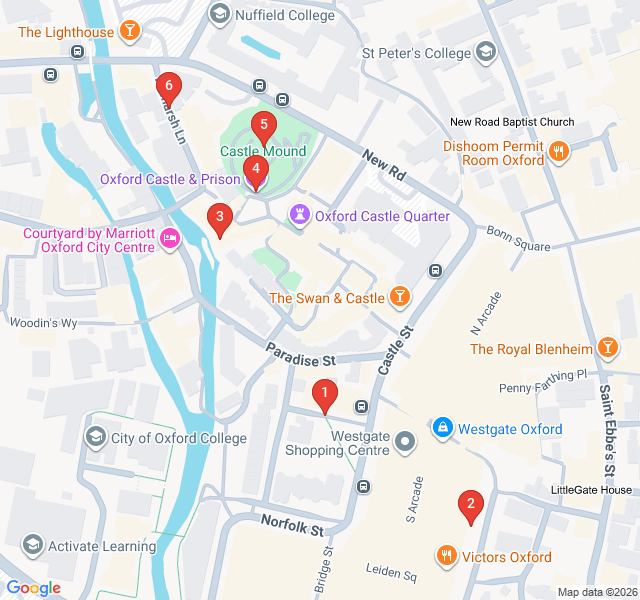
Numbers indicate the order of stops on the tour.
Welcome to Paradise Square. Despite its idyllic name, this area has a gritty history. In the 19th century, this was part of the St Ebbe's parish, an area known for its crowded tenements and industrial activity. The square itself was built on the site of a former Greyfriars monastery garden, which is likely where the name 'Paradise' originated—a common term for a walled garden. As you look around, notice the mix of architectural styles. This spot represents the transition of the West End from a medieval religious site to a Victorian working-class neighborhood, and finally to the quiet residential pocket you see today. It is a perfect starting point to understand how Oxford’s layers of history are built one on top of the other.
Head up to the roof terrace of the Westgate center. This modern development, completed in 2017, completely transformed the West End. From this vantage point, you get one of the best free views in Oxford. Look out over the rooftops to see the 'Dreaming Spires' of the university colleges in the distance, contrasting with the rugged, square profile of the castle towers nearby. It’s a great place to orient yourself. You can see the green hills of Hinksey to the west and the dense historic core to the east. This terrace symbolizes the 'new' Oxford—vibrant, commercial, and open—standing right next to the ancient fortifications we are about to explore.
Before you stands St George's Tower, a remarkable survivor. It is believed to date back to around 1020, making it even older than the Norman Castle itself. Originally, it may have served as a watchtower for the city's West Gate or as a church tower. Its walls are immensely thick, built from local coral rag stone. When the Normans arrived in 1066, they took one look at this sturdy tower and decided to incorporate it into their new castle. For centuries, this tower has looked down on prisoners, soldiers, and kings. It remains one of the most significant pieces of pre-Conquest architecture in the United Kingdom.
This site has worn many hats: a royal castle, a center for justice, and a place of incarceration. After the English Civil War, the medieval castle fell into ruin and was repurposed as a local jail. By the 1800s, it was rebuilt as a Victorian prison. If these walls could talk, they would tell tales of the 'Black Assize' of 1577, where a mysterious illness killed hundreds in the court, or the story of Mary Blandy, who was hanged here for poisoning her father. The prison finally closed its doors in 1996, and today it is a unique heritage site where you can still feel the heavy atmosphere of its penal past.
The massive earthen mound you see is a 'motte,' the heart of the Norman motte-and-bailey castle built by Robert D'Oilly in 1071. Constructing this was a massive feat of manual labor, designed to intimidate the local Saxon population and provide a high point for defense. In 1142, during 'The Anarchy,' Empress Matilda was besieged here by King Stephen. Legend says she escaped in the dead of night during a blizzard, wrapping herself in a white cloak to blend into the snow and sliding down the castle walls to the frozen river. Today, a path leads to the top, offering a commanding view of the castle precinct.
As you walk along Tidmarsh Lane, you are following the line of the old city's western defenses. This quiet lane feels worlds away from the busy shopping streets. Notice the stream running nearby; this is part of the Castle Mill Stream, a branch of the Thames that once powered the castle's grain mills. The stone walls here contain fragments of the medieval city wall. This area was once the industrial backyard of the castle, home to tanneries and mills that relied on the water. It’s a peaceful place to reflect on how the West End has moved from a place of defense and industry to one of quiet historic charm.
Start Free on iPhone
Explore “Oxford’s West End: From Castle to Prison” with your very own Private Tour Guide with Zigway. Start free on iPhone, skip the large group and the fixed routes, and hear the city come alive as you go.
Your Private Tour Guide
Don't miss the good stuff
Explore Freely
 Easy
EasyOxford, United Kingdom
Explore Oxford’s historic food scene on this self-guided walk through the 1774 Covered Market, ancient pubs, and England’s first coffee house site.
 Moderate
Oxford, United Kingdom
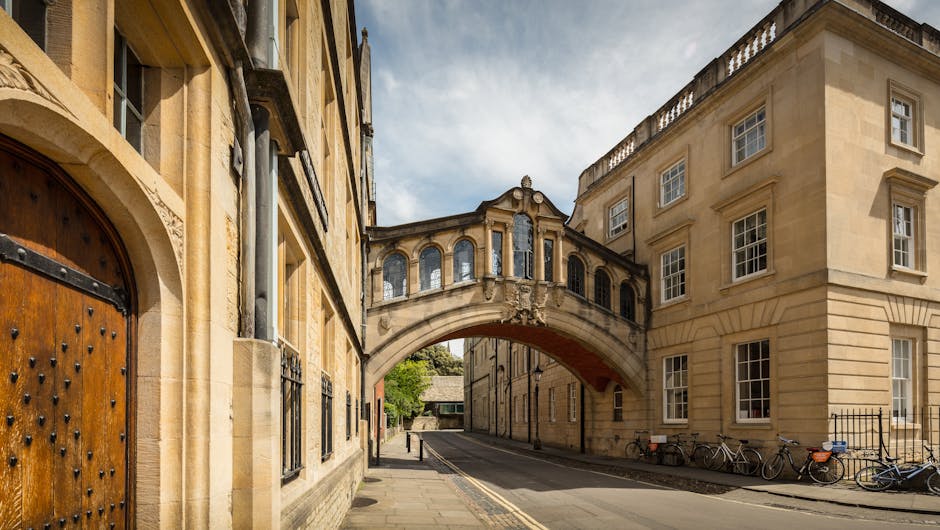
Discover the rebellious Headington Shark and the ancient sunken paths of Old Headington on this quirky self-guided neighborhood stroll through Oxford.
 Moderate
Oxford, United Kingdom
Uncover the mysteries of Oxford on this self-guided walk through the iconic filming locations of Inspector Morse, Lewis, and Endeavour.
 Easy
EasyOxford, United Kingdom
Discover the Oxford haunts of J.R.R. Tolkien and C.S. Lewis on this self-guided walking route through literary history.
 Easy
EasyWarsaw, Poland
Discover the hidden courtyards and grand pre-war architecture of Warsaw's most atmospheric neighborhood on this self-guided stroll.
 Easy
EasyKrakow, Poland
Explore the prestigious Jagiellonian University district, featuring Neo-Gothic architecture, Baroque churches, and Krakow's hidden scholarly gems.
 Easy
EasyGdansk, Poland
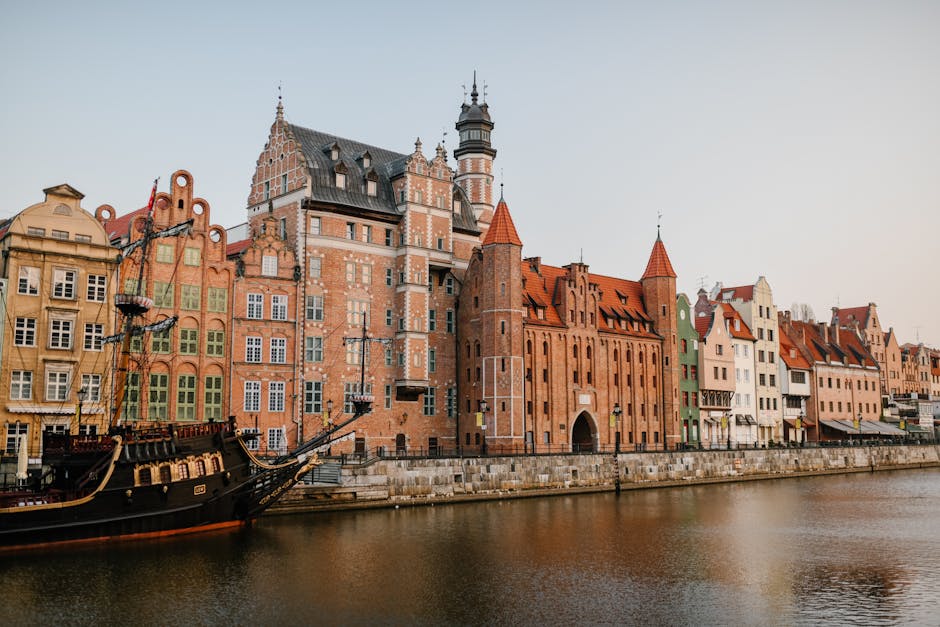
Discover the 'Baltic Gold' on this self-guided walk through Gdansk's historic mills, massive cathedrals, and the magical Mariacka Street.
 Easy
EasySalzburg, Austria
Discover Salzburg's oldest medieval alley, the birthplace of the 'Silent Night' author, and breathtaking views on this quiet self-guided walk.
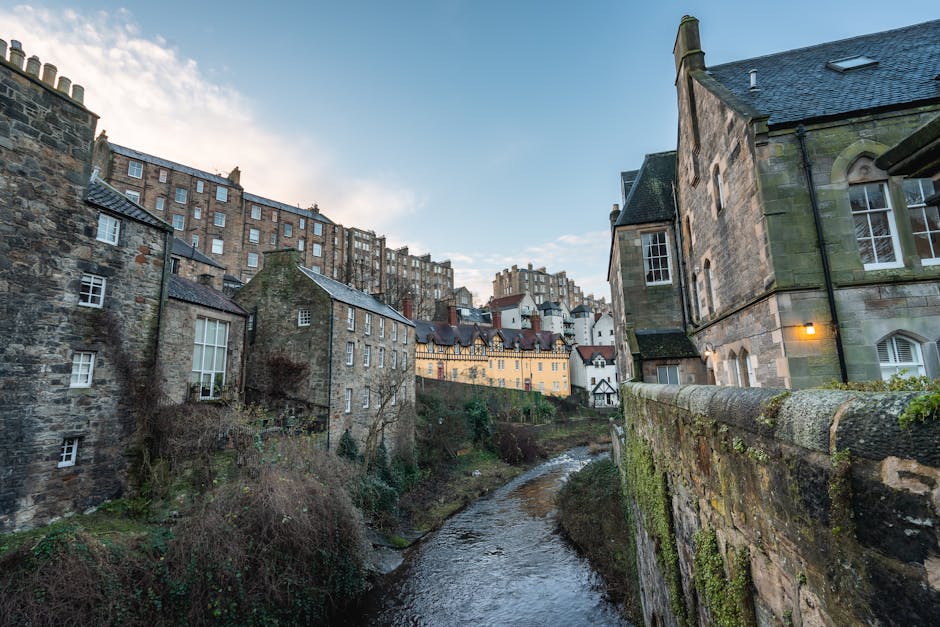 Easy
EasyEdinburgh, United Kingdom
Explore Edinburgh's historic Royal Mile at your own pace, from the heights of the Castle to the royal Palace of Holyroodhouse.
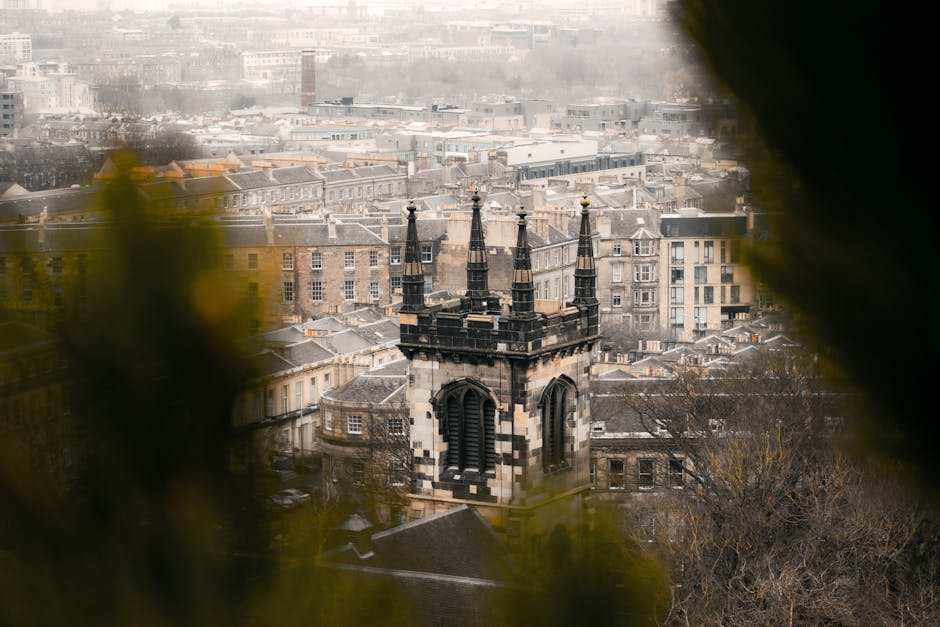 Easy
EasyEdinburgh, United Kingdom
Capture the magic of Edinburgh on this self-guided stroll through the fairy-tale Dean Village, floral Circus Lane, and the scenic Water of Leith.
 Easy
EasyEdinburgh, United Kingdom
Explore Edinburgh's creative soul on this self-guided walk from historic museums to the stylish galleries and boutiques of the West End.
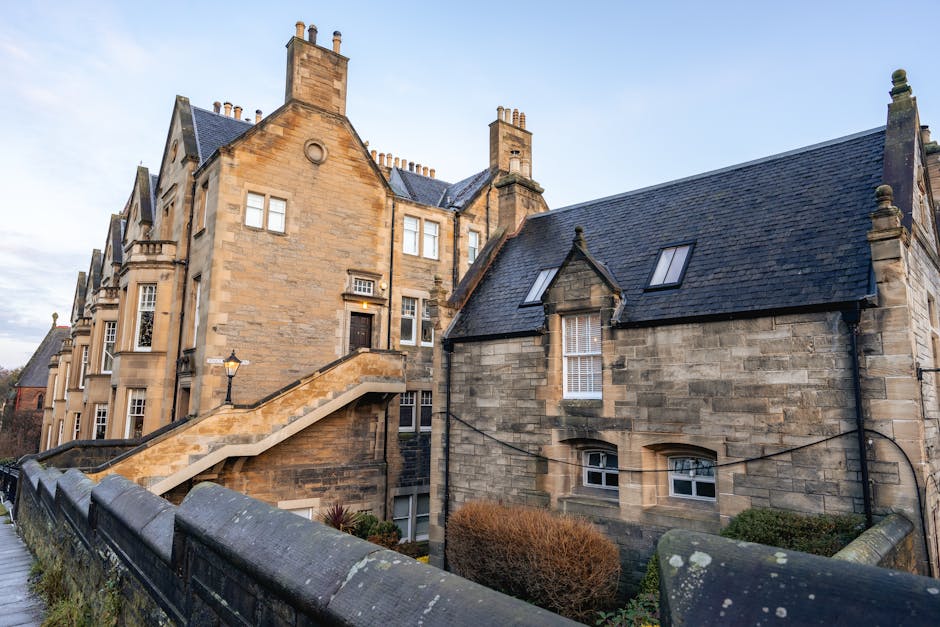 Challenging
Edinburgh, United Kingdom
Ascend an ancient volcano and discover royal history on this challenging self-guided walk through Edinburgh's iconic Holyrood Park.