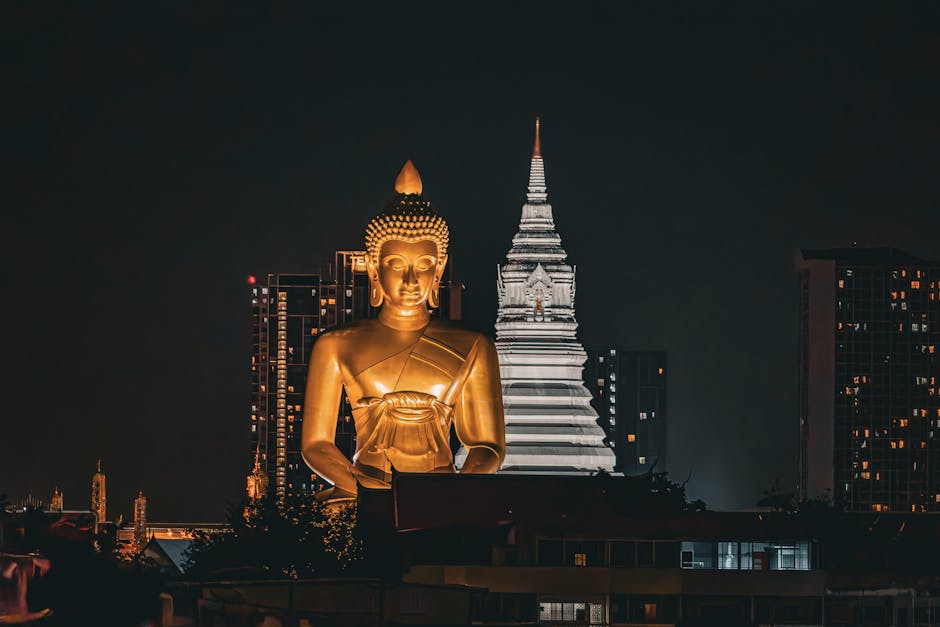
Self-guided audio tour in Bangkok
Start Free on iPhone
Start free on iPhone to unlock this self-guided walking tour in Bangkok. Hear all the stories that make it amazing, walk at your own pace, and begin whenever you want.
Your Private Tour Guide
Step into the spiritual heart of old Bangkok with this self-guided walk through the Phra Nakhon district. This neighborhood stroll focuses on the 'Sacred Geometry' of the city, where royal architecture, Brahmin rituals, and Buddhist philosophy intersect. The route centers around the iconic Giant Swing, a towering crimson structure that once hosted daring ceremonies intended to ensure a bountiful harvest. As you explore independently, you will discover how ancient Hindu traditions remain deeply woven into the fabric of modern Thai life. This walking route is perfect for those interested in spiritual history and photography, as it offers a glimpse into the artisans' shops of Bamrung Mueang and the serene courtyards of Wat Suthat. Unlike a standard walking tour Bangkok visitors might find in crowded tourist hubs, this path invites you to observe the quiet rhythm of the religious supply district, where golden Buddha statues of all sizes line the sidewalks. You will encounter the Devasathan, the headquarters of the court Brahmins, and conclude at the vibrant Tiger God Shrine, a site of intense local devotion. This self-guided adventure allows you to linger at the intricate murals of Wat Suthat—some of the finest in the country—or spend extra time capturing the light hitting the red pillars of the Swing. By following this walking route, you experience the layers of Bangkok’s identity, from its 18th-century royal foundations to the living traditions of its diverse spiritual communities. Whether you are a first-time visitor or a seasoned traveler, this exploration of Phra Nakhon offers a profound understanding of the sacred geometry that defines the city's soul.
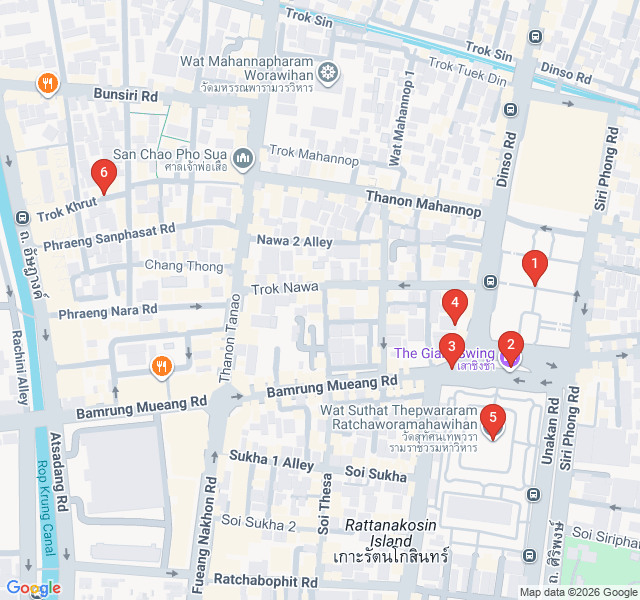
Numbers indicate the order of stops on the tour.
Begin your self-guided adventure at Lan Khon Mueang, the expansive town square in front of Bangkok City Hall. This space serves as a bridge between the city's administrative power and its spiritual history. Standing here, you get a clear view of the Giant Swing framed by the cityscape. This square is often used for public festivals and ceremonies, acting as a civic heart for the Phra Nakhon district. Take a moment to look at the architecture of the City Hall, which reflects a blend of traditional Thai motifs and mid-20th-century design. This is the perfect vantage point to orient yourself before heading toward the sacred sites that await.
The Sao Ching Cha, or Giant Swing, is one of Bangkok’s most recognizable landmarks. Built in 1784 by King Rama I, these two massive teak pillars painted in bright red represent the Brahmin influence on the Thai monarchy. Originally, it was used for the Triyampawai ceremony, where teams of young men would swing dangerously high to try and grab a bag of gold coins with their teeth. The ritual symbolized the creation of the world and was meant to ensure a good harvest. Though the ceremony was discontinued in 1935 for safety reasons, the swing remains a powerful symbol of the city's spiritual geometry and its connection to the gods.
Walk down Bamrung Mueang Road, often called the 'Street of Buddhas.' This is one of Bangkok's oldest commercial streets, and it is almost entirely dedicated to religious supplies. As you stroll, you will see shop after shop filled with golden Buddha statues ranging from a few inches to several meters tall. You will also find monks’ robes, intricate alms bowls, and elaborate spirit houses. The air here is often thick with the scent of incense and sandalwood. This street provides a unique look at the commercial side of Thai Buddhism, showing how the city provides for its thousands of temples and millions of practitioners.
Just off the main road lies Devasathan, the official Brahmin temple of Thailand. Since the founding of the Chakri Dynasty, Brahmin priests have played a crucial role in royal ceremonies, including coronations and the annual Royal Ploughing Ceremony. The compound contains three small, white shrines dedicated to Shiva, Ganesha, and Vishnu. Inside, you can see ancient bronze statues that reflect the deep-rooted Hindu influence on Thai culture. It is a quiet, contemplative space that feels worlds away from the busy streets outside. Please remember to dress modestly and remain quiet, as this is an active place of worship for the royal court priests.
Wat Suthat is a First Class Royal Temple and one of the most significant in the country. It was commissioned by King Rama I to house a massive 13th-century bronze Buddha brought down the river from Sukhothai. The temple is famous for its stunning murals, which cover every inch of the interior walls and depict the previous lives of the Buddha. Outside, the courtyard is lined with 28 Chinese-style pagodas and 156 Buddha images. The architecture is a masterpiece of the early Rattanakosin style, designed to represent the center of the Buddhist universe. The peaceful atmosphere here makes it a highlight of any walking route through the old city.
Conclude your walk at the San Chao Pho Suea, or the Tiger God Shrine. This is one of the most respected Taoist shrines in Bangkok, particularly popular with the Thai-Chinese community. It is dedicated to a tiger spirit that is believed to offer protection and success in business. The shrine is a sensory explosion: the sound of chanting, the sight of vibrant red and gold decorations, and the thick smoke from hundreds of incense sticks. You may see devotees offering meat or eggs to the tiger statue. This site beautifully demonstrates the syncretic nature of Thai spirituality, where Buddhism, Hinduism, and Taoism coexist and overlap in the daily lives of locals.
Start Free on iPhone
Explore “Sacred Geometry: The Giant Swing and Shrines” with your very own Private Tour Guide with Zigway. Start free on iPhone, skip the large group and the fixed routes, and hear the city come alive as you go.
Your Private Tour Guide
Don't miss the good stuff
Explore Freely
 Easy
EasyBangkok, Thailand
Discover a labyrinth of industrial scrap yards, vibrant street art, and centuries-old mansions in Bangkok's most atmospheric neighborhood.
 Easy
EasyBangkok, Thailand
Discover Ari's blend of retro architecture, Michelin-rated street food, and vibrant cafe culture on this self-guided neighborhood stroll.
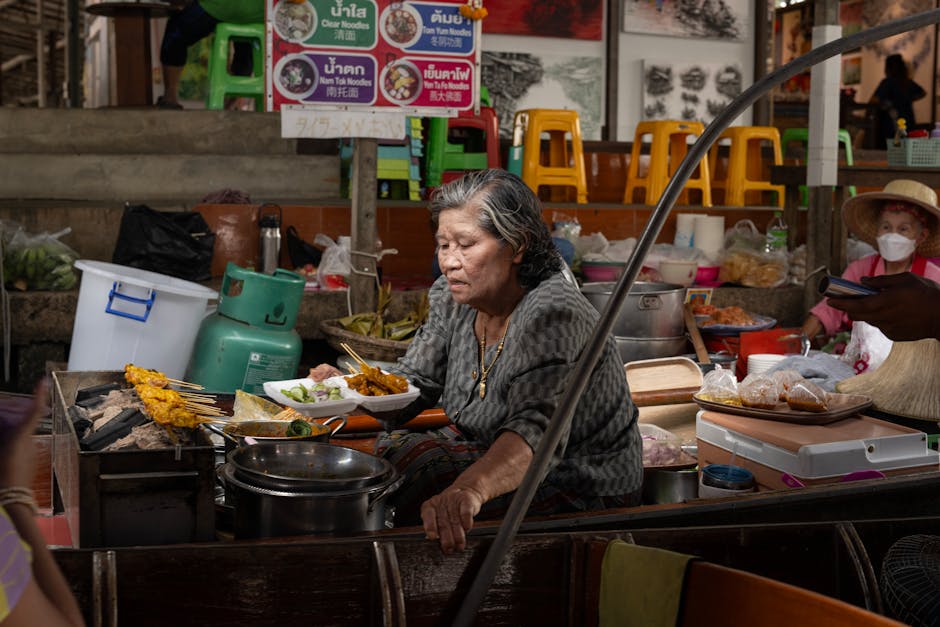 Moderate
Bangkok, Thailand
Discover the golden spires and royal history of Bangkok's Old City on this self-guided audio walk through the majestic Rattanakosin Island.
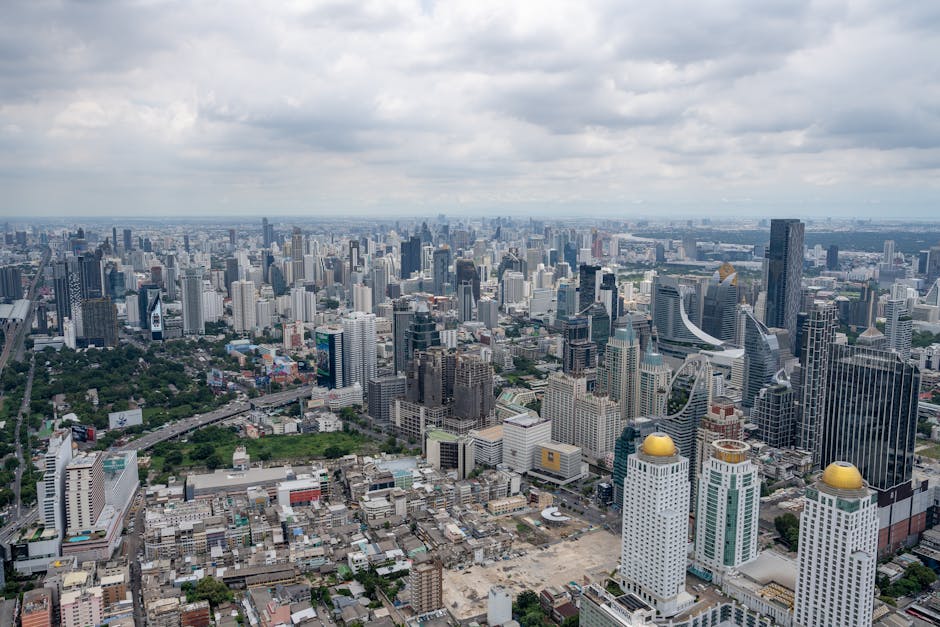 Easy
EasyBangkok, Thailand
Discover the European-inspired grandeur of Bangkok's Dusit district on this self-guided royal architectural walk.
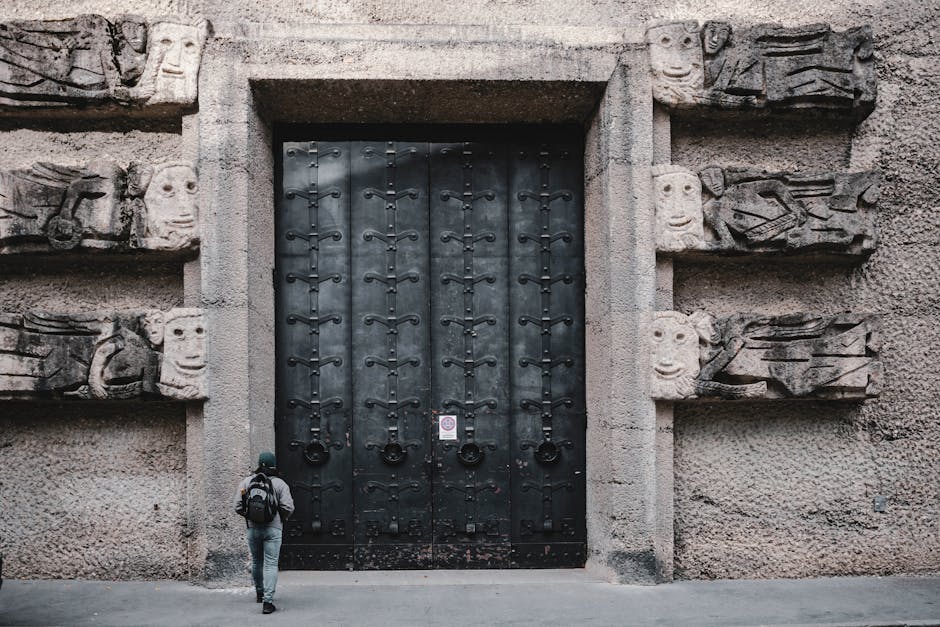 Easy
EasySalzburg, Austria
Discover the 'Rome of the North' on this self-guided walk through the Baroque squares and monumental legacy of Salzburg’s Prince-Archbishops.
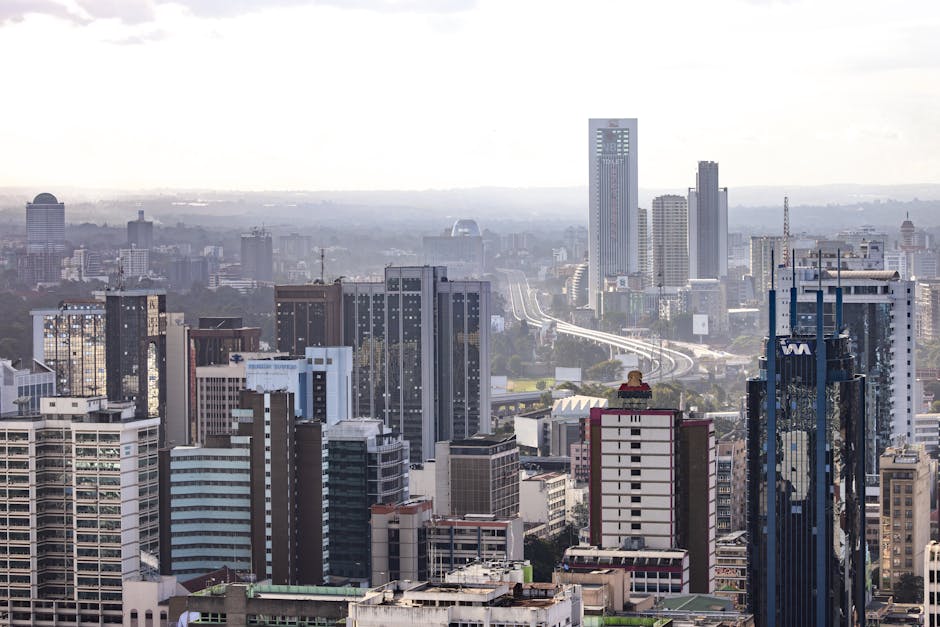 Easy
EasyNairobi, Kenya
Discover Nairobi's iconic skyline on this self-guided architecture walk through the CBD’s most famous modernist and Brutalist landmarks.
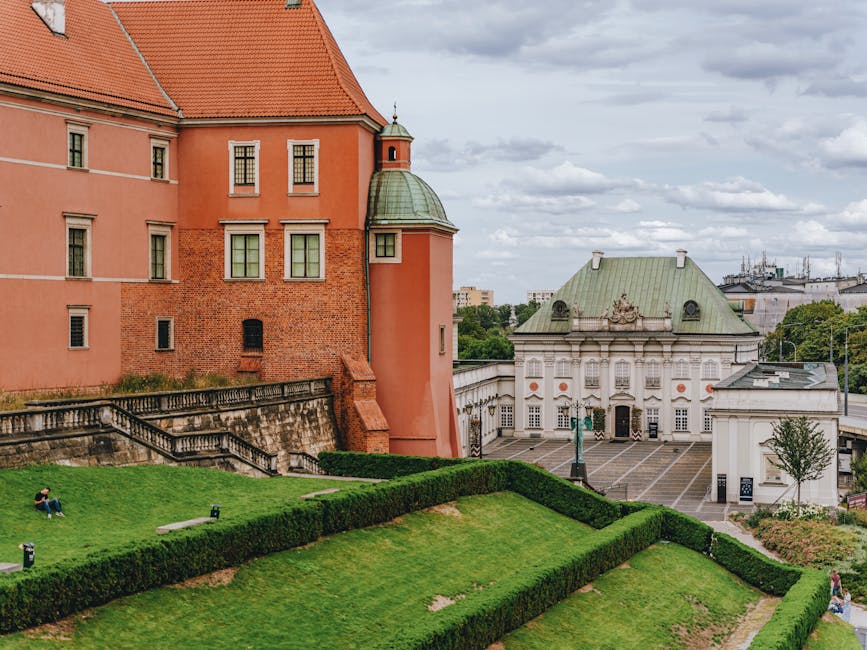 Easy
EasyWarsaw, Poland
Explore the miracle of Warsaw's reconstructed Old Town on this self-guided walk through royal squares, medieval walls, and heroic monuments.
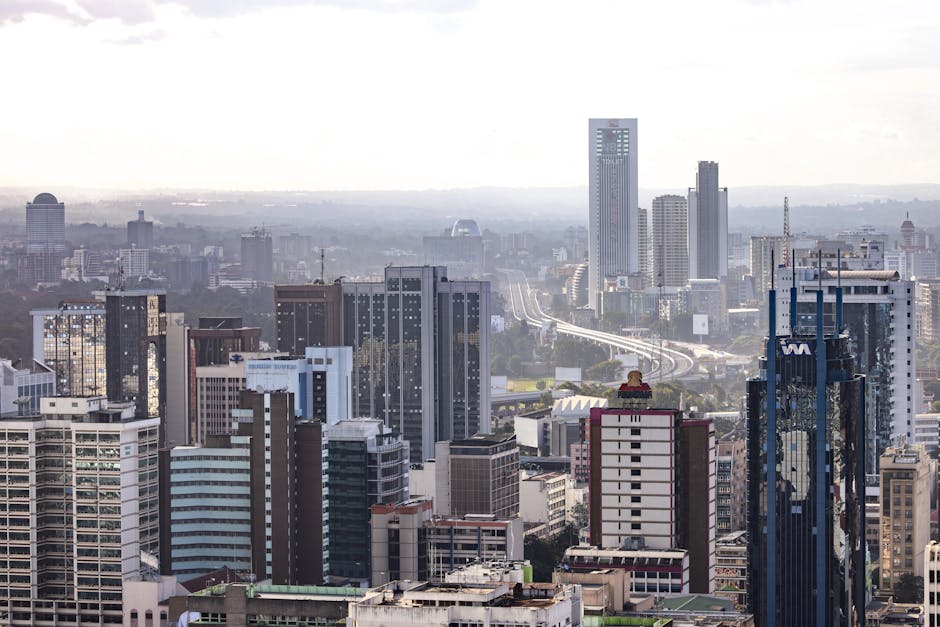 Easy
EasyNairobi, Kenya
Explore Nairobi's architectural evolution from colonial-era landmarks to iconic Brutalist skyscrapers on this historic self-guided walking route.
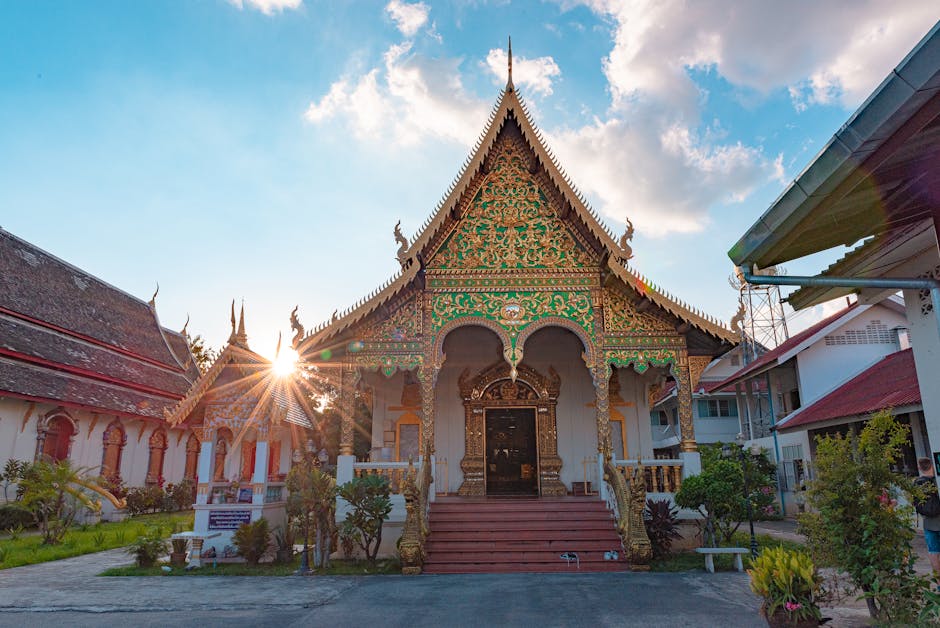 Easy
EasyChiang Mai, Thailand
Explore Chiang Mai's trendiest district at your own pace. Discover contemporary art galleries, local design shops, and iconic modern architecture.
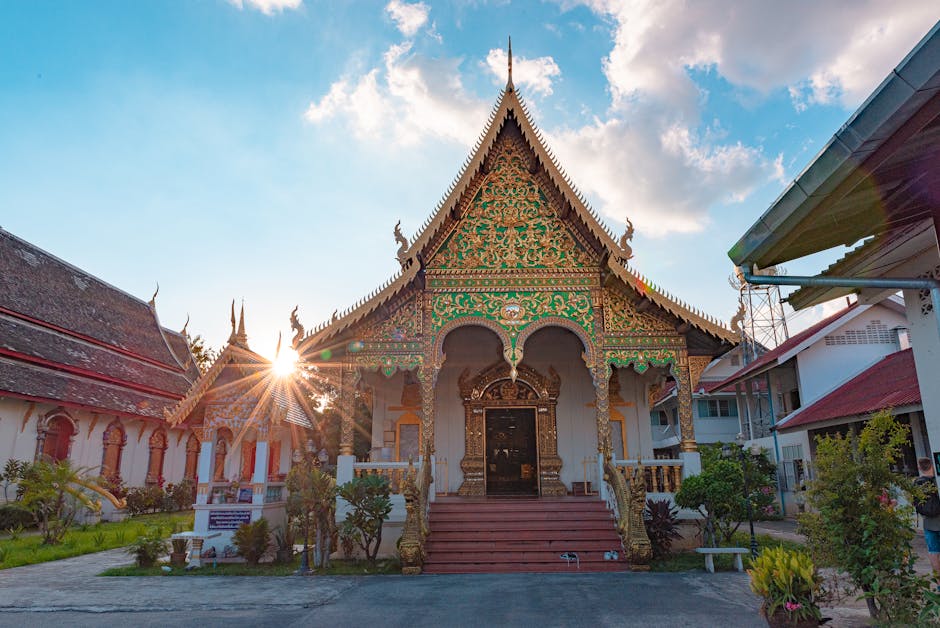 Moderate
Chiang Mai, Thailand
Explore Chiang Mai's creative soul, from Nimman’s boutique bookshops to the mystical tunnels of Wat Umong and the scenic Angkaew Reservoir.
 Moderate
Chiang Mai, Thailand
Discover Chiang Mai’s soul through its markets and flavors. A self-guided route from the historic Kad Luang to the city’s best street food gems.
 Easy
EasyChiang Mai, Thailand
Discover hidden temples, traditional brass-smith workshops, and local markets on this serene self-guided walk through Chiang Mai's southern district.