Self-guided audio tour in Bangkok
Start Free on iPhone
Start free on iPhone to unlock this self-guided walking tour in Bangkok. Hear all the stories that make it amazing, walk at your own pace, and begin whenever you want.
Your Private Tour Guide
Step into a corner of Bangkok that feels more like Paris or Rome than a tropical metropolis. The Dusit district represents a pivotal moment in Thai history, when King Chulalongkorn (Rama V) returned from his 1897 and 1907 European travels with a vision to modernize his capital. This self-guided walking tour Bangkok exploration reveals how the traditional Siamese aesthetic blended with Italian Renaissance and Neoclassical styles to create a royal district unlike any other. Your journey begins at Wat Intharawihan, home to a towering 32-meter standing Buddha that bridges the gap between ancient devotion and the neighborhood's grand scale. From there, the route opens up into wide, tree-lined boulevards inspired by the Champs-Élysées. You will encounter the Equestrian Statue of King Chulalongkorn, a focal point of national pride where locals pay respects to the monarch who abolished slavery and preserved Thai independence. The heart of the walk takes you through the Dusit Palace Plaza, offering views of the Ananta Samakhom Throne Hall. This magnificent structure, built from Carrara marble and topped with a great dome, serves as a testament to the King’s 'European Dream.' Even as the city modernizes, the area maintains a quiet, regal atmosphere. You will also pass the site of the Vimanmek Mansion, famously known as the world’s largest golden teakwood building, before concluding at the exquisite Wat Benchamabophit. Known as the Marble Temple, this final stop is a masterpiece of architectural synthesis, using Italian stone to house traditional Thai religious art. This walking route is perfect for those seeking a unique walking tour Bangkok experience that moves beyond the crowded markets and into the refined elegance of the royal administrative heart. Discover the stories of kings and architects who reshaped the skyline of Siam at your own pace.
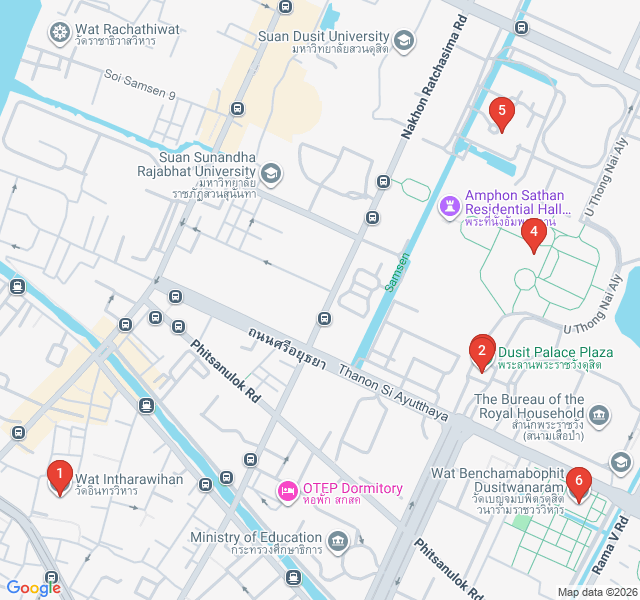
Numbers indicate the order of stops on the tour.
Begin your journey at Wat Intharawihan, a temple that predates the founding of Bangkok as the capital. The star attraction here is the Luang Pho To, a massive standing Buddha reaching 32 meters into the sky. It took over 60 years to complete, spanning multiple reigns. Notice the intricate glass mosaics and gold leaf that shimmer in the sun. This site represents the deep-rooted Buddhist traditions that remained the bedrock of Thai identity even as the surrounding Dusit district began to adopt Western influences. It is a place of local pilgrimage where you will often see devotees offering mackerel and boiled eggs at the base of the statue.
As you enter the wide expanse of the Royal Plaza, you are greeted by the Equestrian Statue of King Rama V. This was the first monument of its kind in Thailand, cast in Paris in 1908. It depicts the King in a Western military uniform, symbolizing his successful efforts to modernize the nation and maintain its sovereignty during the height of European colonialism. Every year on October 23rd, the plaza is covered in pink roses, the King's color, as Thais gather to honor the monarch they call 'The Beloved Great King.' The scale of this plaza was directly inspired by the grand public squares the King admired in Europe.
Stand in the center of the Dusit Palace Plaza and look around at the wide, fan-shaped layout. This area was designed to be the 'new' royal city, moving the center of power away from the cramped, canal-crossed quarters of the Old City near the Grand Palace. The King envisioned a garden city with space, light, and order. The boulevards connecting this plaza to the rest of Bangkok were the first in the country designed for motor vehicles. This transition from water-based transport to grand land-based avenues marked a psychological shift in how the capital functioned, moving Siam toward a globalized future.
Dominating the end of the plaza is the Ananta Samakhom Throne Hall. Built from white Carrara marble imported from Italy, it is a stunning example of Neo-Renaissance and Neoclassical architecture. It was designed by Italian architects Mario Tamagno and Annibale Rigotti. If you look closely at the central dome, you might see the influence of St. Peter's Basilica in Rome. The interior, though often closed for state functions, contains magnificent frescoes depicting key moments in the history of the Chakri Dynasty. It served as the first meeting place of the Thai Parliament and remains one of the most photographed buildings in the country.
Just a short walk away is the site of the Vimanmek Mansion. Historically recognized as the world's largest golden teakwood building, this former royal villa was built without a single iron nail. It was moved here from Ko Sichang in 1900 to serve as the King’s primary residence. While the building has undergone significant restoration and dismantling in recent years, the site remains a crucial part of the Dusit story. It represents the height of 'gingerbread' architecture—a style that blended Victorian wooden fretwork with Thai craftsmanship, creating a cooling, airy environment perfectly suited for the tropical climate while maintaining a regal, European aesthetic.
Your final stop is the 'Marble Temple,' or Wat Benchamabophit. Commissioned by King Rama V in 1899, it is the ultimate expression of his architectural vision. The walls are clad in white Italian marble, but the roof features traditional Thai tiered gables and golden finials. Inside the cloister, you will find a collection of 52 Buddha images representing different styles from across Asia. The main Buddha image is a replica of the famous Phra Phuttha Chinnarat. The symmetry, the use of expensive imported materials, and the pristine gardens make this one of the most beautiful and peaceful temple complexes in Bangkok.
Start Free on iPhone
Explore “Dusit: The King's European Dream” with your very own Private Tour Guide with Zigway. Start free on iPhone, skip the large group and the fixed routes, and hear the city come alive as you go.
Your Private Tour Guide
Don't miss the good stuff
Explore Freely
 Easy
EasyBangkok, Thailand
Discover a labyrinth of industrial scrap yards, vibrant street art, and centuries-old mansions in Bangkok's most atmospheric neighborhood.
 Easy
EasyBangkok, Thailand
Discover Ari's blend of retro architecture, Michelin-rated street food, and vibrant cafe culture on this self-guided neighborhood stroll.
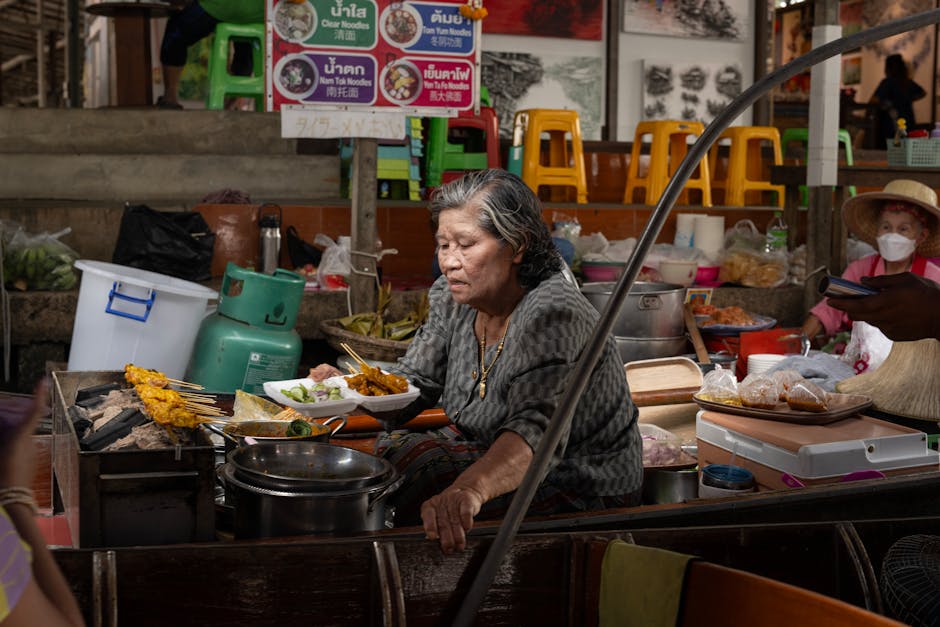 Moderate
Bangkok, Thailand
Discover the golden spires and royal history of Bangkok's Old City on this self-guided audio walk through the majestic Rattanakosin Island.
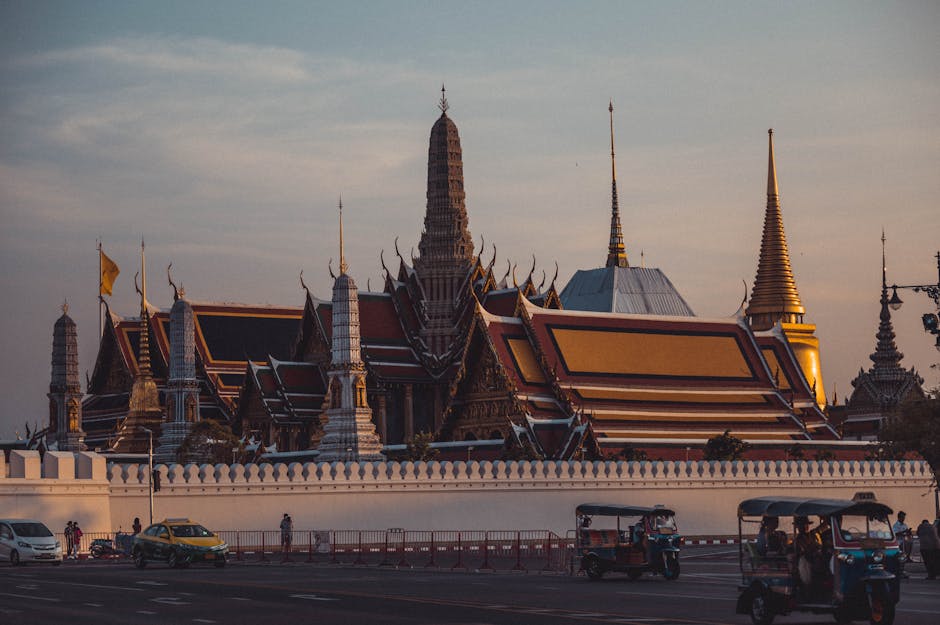 Moderate
Bangkok, Thailand
Discover the spiritual heart of Bangkok's retail district on this self-guided walk through temples, art hubs, and sacred street shrines.
 Easy
EasySalzburg, Austria
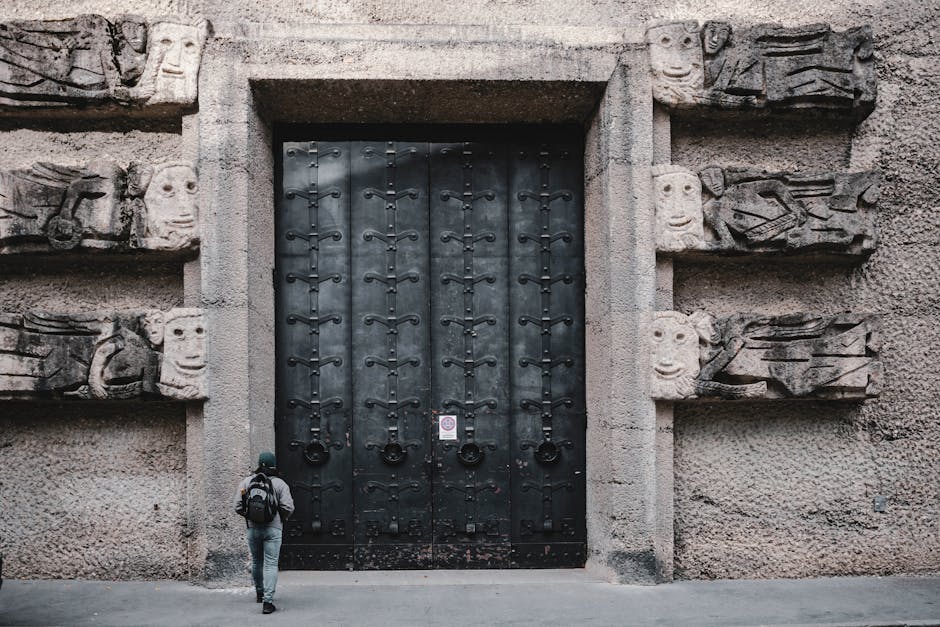
Discover the 'Rome of the North' on this self-guided walk through the Baroque squares and monumental legacy of Salzburg’s Prince-Archbishops.
 Easy
EasyNairobi, Kenya
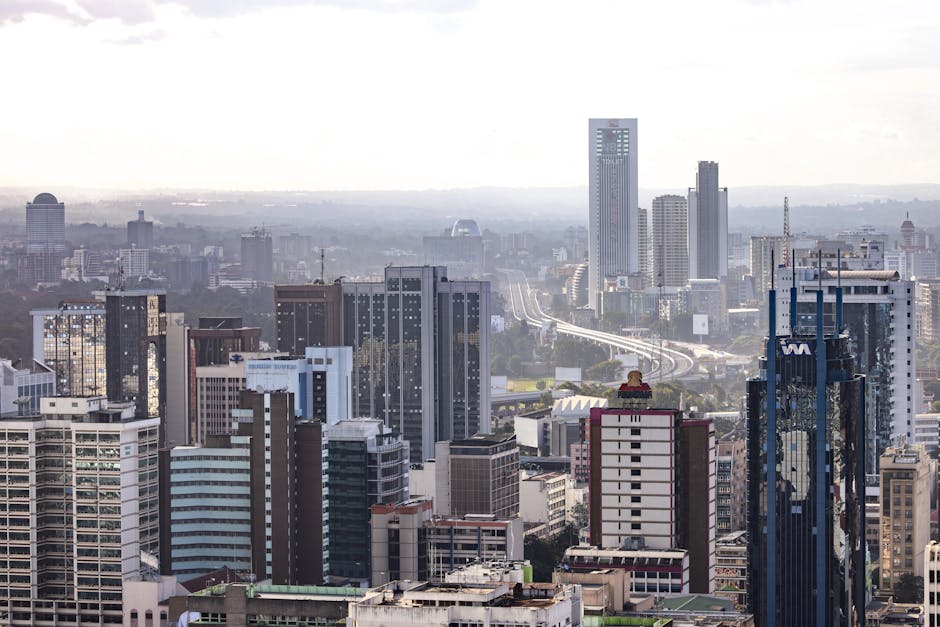
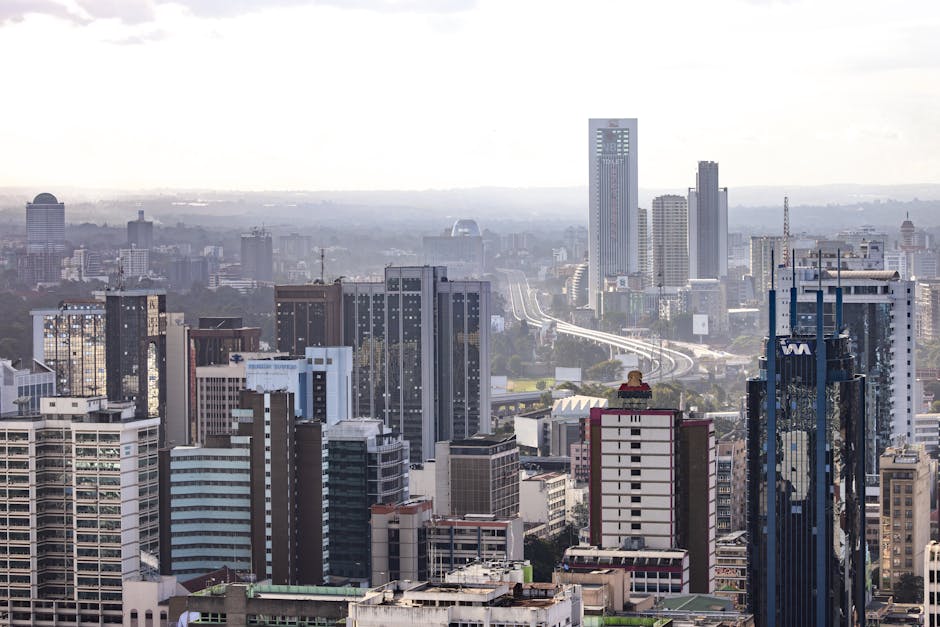
Explore Nairobi's architectural evolution from colonial-era landmarks to iconic Brutalist skyscrapers on this historic self-guided walking route.
 Easy
EasyNairobi, Kenya
Discover Nairobi's iconic skyline on this self-guided architecture walk through the CBD’s most famous modernist and Brutalist landmarks.
 Easy
EasyKrakow, Poland
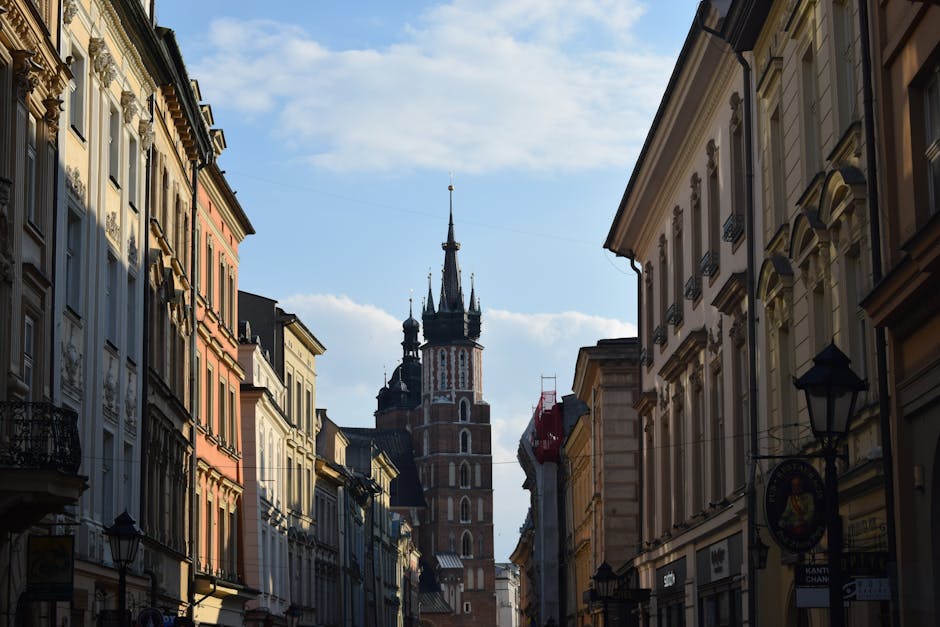
Uncover Krakow's legendary past on this self-guided walk from literary monuments to the fire-breathing Wawel Dragon.
 Easy
EasyChiang Mai, Thailand
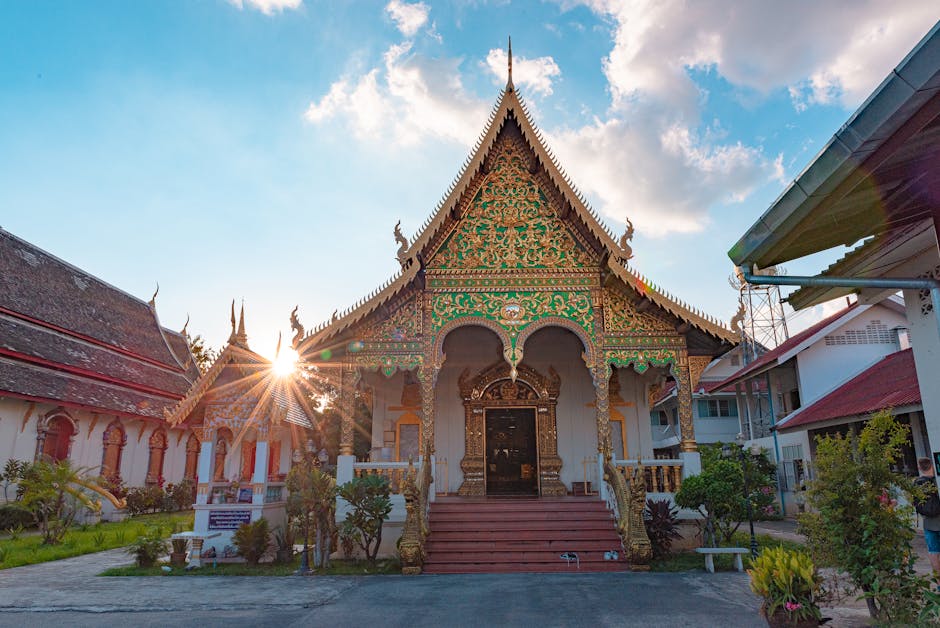
Explore Chiang Mai's trendiest district at your own pace. Discover contemporary art galleries, local design shops, and iconic modern architecture.
 Moderate
Chiang Mai, Thailand
Explore Chiang Mai's creative soul, from Nimman’s boutique bookshops to the mystical tunnels of Wat Umong and the scenic Angkaew Reservoir.
 Moderate
Chiang Mai, Thailand
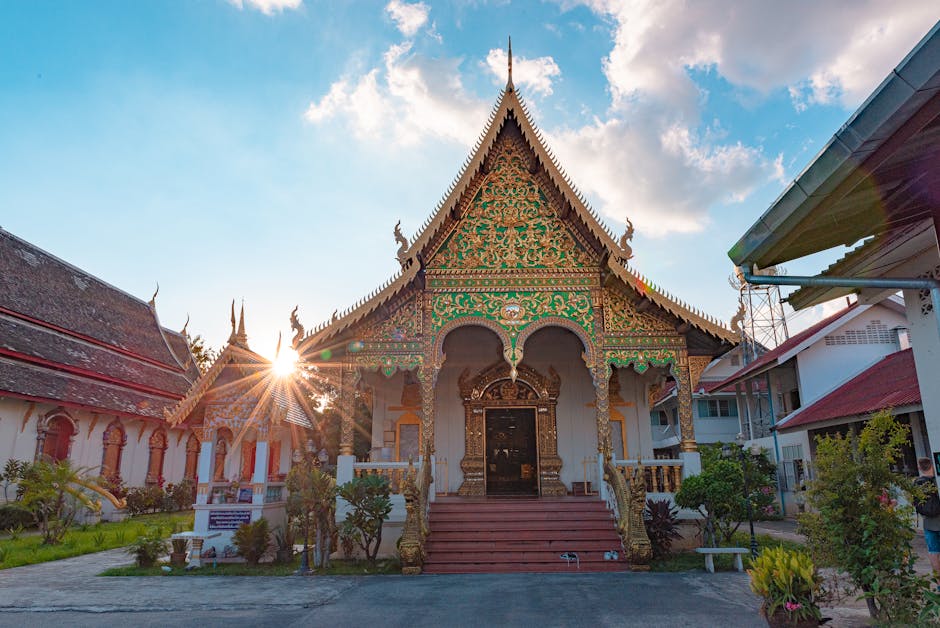
Discover Chiang Mai’s soul through its markets and flavors. A self-guided route from the historic Kad Luang to the city’s best street food gems.
 Easy
EasyChiang Mai, Thailand
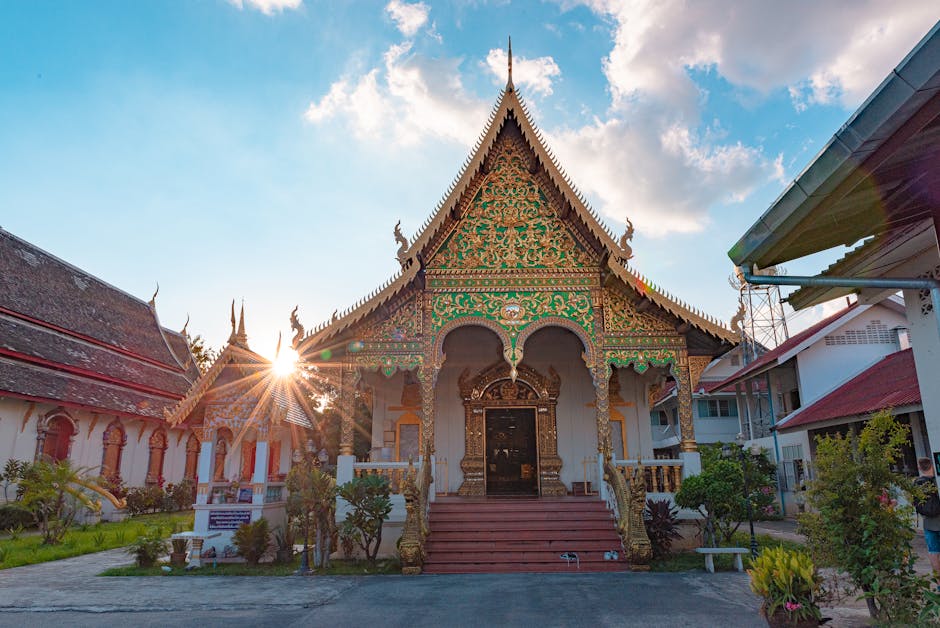
Discover hidden temples, traditional brass-smith workshops, and local markets on this serene self-guided walk through Chiang Mai's southern district.